 Pro Armory Editorial Team
Quick Answer
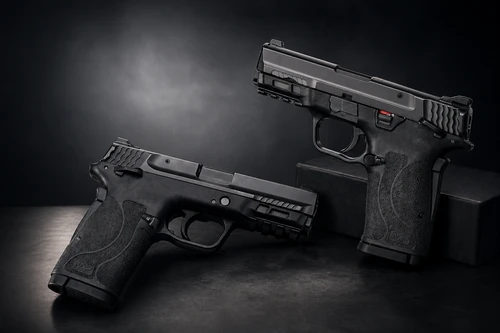
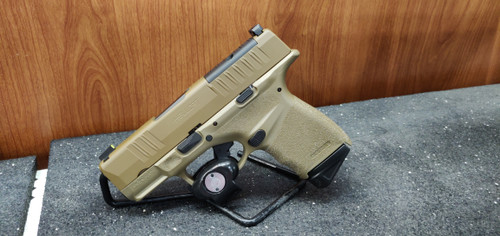
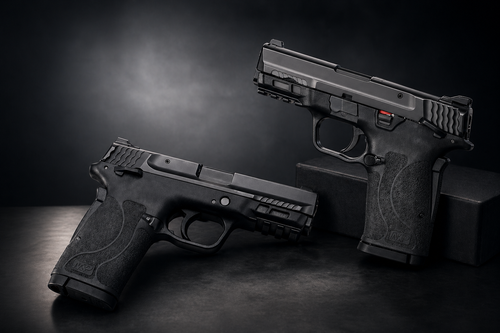
The Smith & Wesson M&P Shield EZ 9mm and EZ .380 were built around one idea: easy operation. Both pistols feature an easy-to-rack slide, load-assist magazines, and beginner-friendly controls. The .380 version is softer to shoot and easier to rack overall. The 9mm delivers a stronger defensive caliber with the same accessible design. Both suit beginners, seniors, and anyone with reduced grip strength. Most models typically priced between $350 and $500.
Key Takeaways
- Both Shield EZ models are built for easier slide operation.
- The .380 version is softer shooting and easier to rack.
- The 9mm offers similar handling with a stronger caliber.
- Both pistols use easy-load magazines with pull-down tabs.
- Capacity is limited to 8+1 in both models.
- These pistols suit beginners, seniors, and people with reduced hand strength.
Most compact pistols are easy to carry but harder to run than people expect. Slide tension is something many new gun owners overlook until they are actually standing at the counter. For older adults, beginners, or anyone with grip limitations, racking a standard semi-auto slide can be a real struggle. Smith & Wesson saw that gap and built an entire line around fixing it. The M&P Shield EZ is the result.
Why the Shield EZ Line Gets So Much Attention
The Problem Smith & Wesson Set Out to Solve
A lot of compact pistols look great on paper but fight back in real-world use. Many beginners, older adults, and people with grip issues find standard slide tension much harder to manage than they expected. Firearm instructors have noted that students with physical limitations or less hand strength often struggle to rack slides even after proper technique is taught and practiced. This is a real, common problem. Smith & Wesson addressed it directly by designing the EZ line from scratch with that specific challenge in mind.
What "EZ" Actually Means Here
"EZ" is not marketing fluff on this one. It refers to three specific things: easier slide operation, easier magazine loading, and easier day-to-day handling. Smith & Wesson used an internal hammer-fired system to cut felt slide tension by about half compared to standard semi-autos. The magazines got load-assist tabs built right in, so topping them off no longer requires a separate loader or a fight with your thumb. Every design choice in this line points toward less effort and more confident operation.
Shield EZ 9mm vs EZ .380 at a Glance
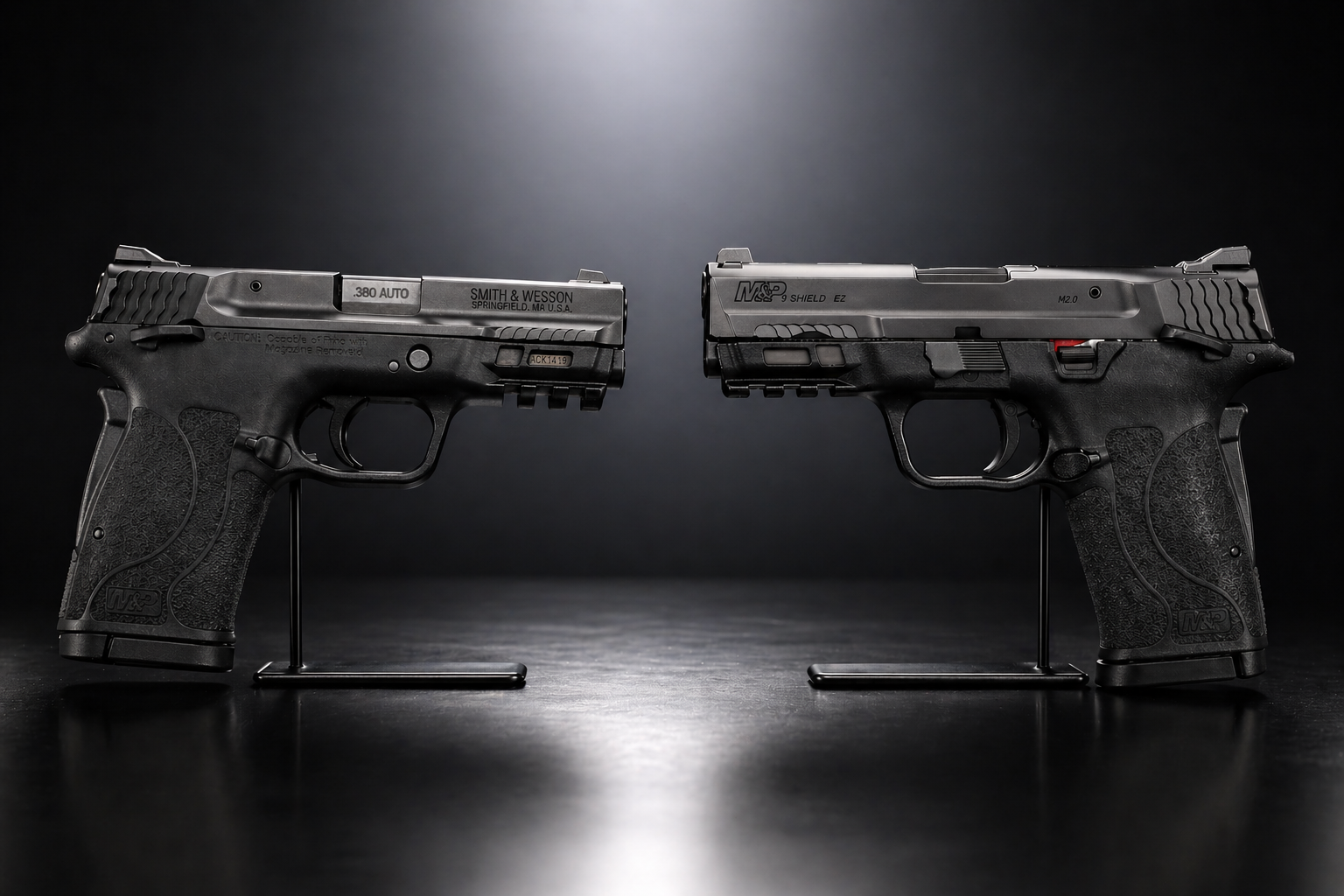
| Feature | Shield EZ 9mm | Shield EZ .380 |
|---|---|---|
| Caliber | 9mm | .380 ACP |
| Capacity | 8+1 | 8+1 |
| Barrel Length | 3.675 in | 3.675 in |
| Overall Length | 6.8 in | 6.7 in |
| Height | 5 in | 5 in |
| Weight | 23.2 oz | 18.5 oz |
| Main Advantage | Stronger chambering | Softer recoil and easier slide operation |
The Biggest Differences in Plain English
The physical size gap between the two is small. Most people would barely notice a difference holding one in each hand. The .380 is lighter at 18.5 oz versus 23.2 oz for the 9mm, and it is noticeably softer to shoot. The 9mm gives buyers the more common defensive caliber with a very similar feel and layout. Pick based on what matters most to your situation.
Key Features That Make the Shield EZ Different
Easy-to-Rack Slide
This is the centerpiece of the whole line. The reduced slide tension is real and noticeable. The internal hammer-fired system cuts the force needed to rack the slide by about half. For people who struggle with standard semi-autos, this single feature changes everything. Both versions share this design and both deliver on the promise.
Easy-Load Magazines
The magazines on both EZ models include pull-down tabs built into the side. Press the tab and loading rounds becomes dramatically easier. No more fighting the spring with your thumb after round four or five. No separate loader needed either. It is a small detail that makes daily carry and range practice far more accessible for a wide range of people.
Grip Safety, Thumb Safety, and Loaded Chamber Indicator
The Shield EZ features a grip safety, which is uncommon on modern polymer pistols but well-executed here. When the gun is held with a proper grip, the safety activates without any extra thought. Some models also include an ambidextrous thumb safety for an added layer of control. A tactile loaded chamber indicator sits on top of the slide. It lets the carrier confirm a chambered round by sight or touch, at any time.
Sights, Rail, and Basic Controls
Both models ship with a three-dot sight setup and an adjustable rear sight for windage. A small accessory rail sits at the front of the frame and fits a compact light. The control layout is clean and simple, which works strongly in the gun's favor for less experienced gun owners.
Who These Pistols Are Best For
New Handgun Owners
The Shield EZ is one of the most accessible pistols on the market for first-time buyers. Controls are easy to learn, recoil is mild, and the slide does not push back hard. This combination builds real confidence fast for new carriers.
People With Weak Hand Strength
Smith & Wesson built the EZ line with this group as the primary audience. Anyone dealing with arthritis, injury, or naturally lower grip strength will notice a real difference with the easier-racking slide. The load-assist magazines add to that experience. Together, both features give people with hand limitations a much better shot at safe, confident operation.
Seniors and Occasional Carriers
Older adults and people who carry infrequently benefit from a platform that does not demand peak physical strength to operate safely. The EZ line suits those needs without sacrificing too much in carry performance. It is a practical option for someone who wants a gun they can actually operate when they need it most.
Who May Want Something Else
Buyers who need more than 8+1 capacity will feel limited here. The rail is small and leaves little room for larger accessories. The aftermarket customization options are also more limited compared to other carry pistols. People who want to build out a heavily modified setup will hit a ceiling quickly with this platform.
Fit, Feel, and Everyday Handling
Grip Texture and Overall Ergonomics
The M2.0 grip texture on both models is firm without being harsh on the hand. It gives a solid hold during shooting and does not grind into the palm during longer sessions. The low bore axis helps keep muzzle rise in check. Smaller hands find this gun especially easy and comfortable to manage, which is by design.
Trigger and Controls
The trigger on the Shield EZ has a short travel distance, a clear reset, and a press weight typically in the 5 to 6.5-pound range. It is predictable and consistent. The magazine release can feel a little slow by some standards, but magazines drop freely when released. Slide lock and safety controls are easy to reach without adjusting the grip, which matters during live fire.
How the Pistols Feel in the Hand
Both models feel slim and balanced for carry. The grip fills the hand without feeling bulky. The grip safety works naturally when the pistol is held with a full grip and does not interrupt normal operation at all.
How the Shield EZ 9mm and .380 Shoot
Performance on the Range
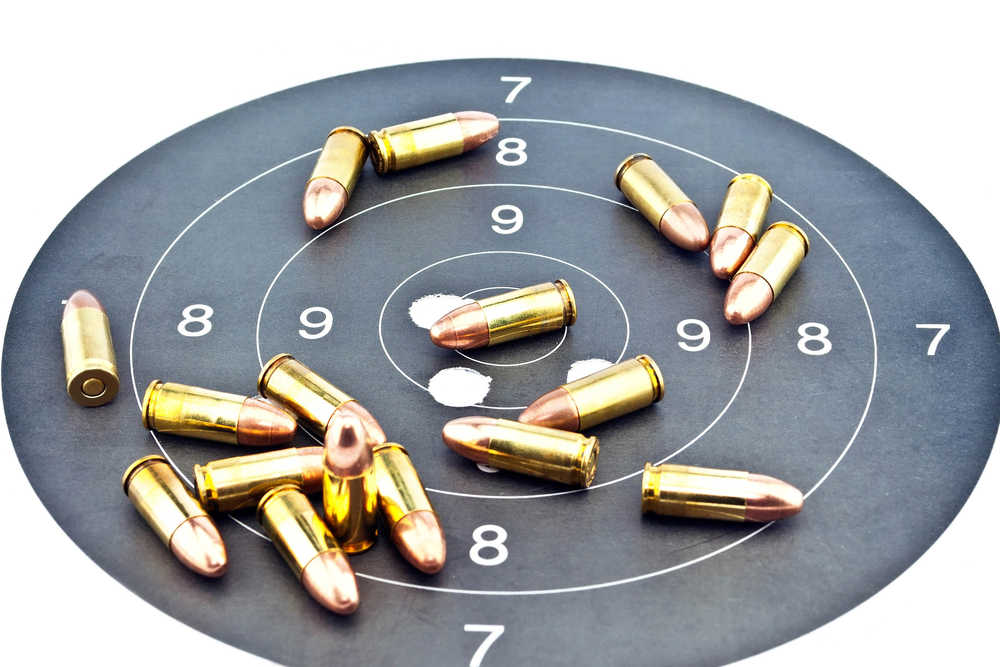
Both versions of the Shield EZ have earned strong marks in range testing across multiple sources. Testing and user reports generally show reliable performance across a wide range of FMJ and JHP ammunition. But as with any firearm, performance can vary depending on maintenance and ammo selection. That kind of consistent track record matters a lot for any carry gun.
Recoil and Shootability
The .380 is especially soft and flat to shoot. It stays calm in the hand even during fast follow-up shots. The 9mm is also easy to manage and stays controlled through rapid fire. Both versions allow fast, accurate work at typical defensive distances, and both reward practice sessions with quick skill gains.
Grip Safety in Actual Use
The grip safety may look unusual at first glance. In practice, it fades into the background when the pistol is held with a proper grip. It does not slow anything down. For buyers who want that extra safety layer, it works exactly as intended.
Accuracy Expectations
Neither version is a target pistol, and that was never the goal. Both perform well at close defensive distances and are capable of consistent center-mass hits with proper technique. Rapid fire groups stay tight and controlled at three, five, and seven yards. For home defense or everyday carry purposes, the accuracy is more than adequate.
9mm or .380 ACP: Which Version Makes More Sense
Reasons to Choose the Shield EZ 9mm
The 9mm is the more common defensive caliber and opens up a wider range of ammo choices. The handling is very close to the .380 and the EZ features carry over fully. For someone who wants the EZ platform without stepping down in caliber, the 9mm is the straightforward pick.
Reasons to Choose the Shield EZ .380
The .380 is softer to shoot and slightly easier to rack. At 18.5 oz, it is also lighter to carry all day compared to the 9mm's 23.2 oz. For people who prioritize comfort and ease of operation over caliber power, the .380 gives more of what the EZ line was built to deliver.
Best Pick by Shooter Type
Beginners and older gun owners tend to do better with the .380 because of the lighter recoil and easier slide. People already familiar with 9mm who want an EZ-platform option will find the 9mm fits more naturally. Concealed carriers who want softer recoil during regular practice sessions also lean toward the .380 version.
Concealed Carry Strengths and Tradeoffs
What Works Well for Carry
Both pistols can carry well, though they are slightly larger than many modern micro-compact options. The slim profile still makes them workable for inside-the-waistband carry with the right holster setup. The easy slide and magazine operation also makes the daily routine of loading, carrying, and clearing the gun less demanding. Mild recoil in both versions encourages more frequent practice, which builds real carry readiness over time.
Where the Compromises Show
The 8+1 capacity is the most common concern with this platform. For a carry gun in today's market, it sits on the lower end. The small rail limits accessory choices. There is also less depth in the aftermarket compared to other popular carry pistols. This gun was built for ease of use, not customization.
Pros and Cons
Pros:
- Easy-to-rack slide on both models
- Easy-to-load magazines with built-in pull-down tabs
- Soft shooting, especially the .380 version
- Beginner-friendly controls and layout
- Strong range performance with generally reliable function across common ammunition
- Good ergonomics for smaller or weaker hands
Cons:
- 8+1 capacity only
- Limited accessory rail space
- Modest aftermarket options
- Some controls feel average rather than standout
By the Numbers
Performance: Both versions ran clean through extensive testing with multiple ammo types and no stoppages reported.
Ergonomics: Very good. The grip is comfortable, controls are easy to reach, and the sight picture works well across both models.
Accuracy: Solid at defensive distances. Groups stay consistent and controlled during rapid fire.
Customization: Limited. The small rail and modest aftermarket hold this back for buyers wanting a highly modified carry gun.
Value: Good. Both versions deliver a carry-ready pistol with standout ease-of-use features in the $350 to $500 price range.
Recommended Accessories and Upgrades
Spare Magazines
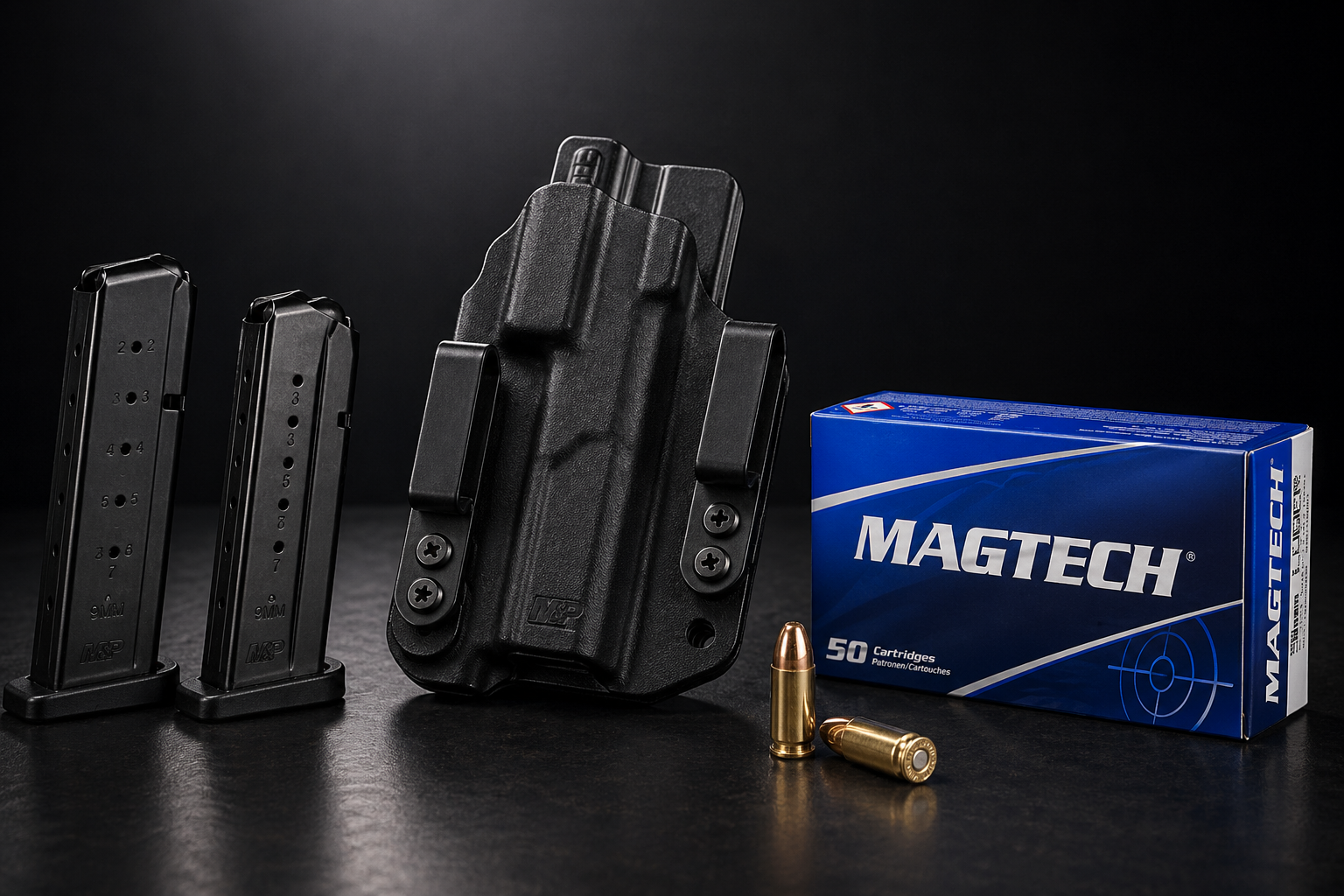
Factory magazines for both EZ models are widely available. They typically ranging from about $25 to $40. Having at least one spare makes sense for practice and carry use. The load-assist tabs mean no separate magazine loader is needed, which keeps the cost of ownership down.
Holster Options
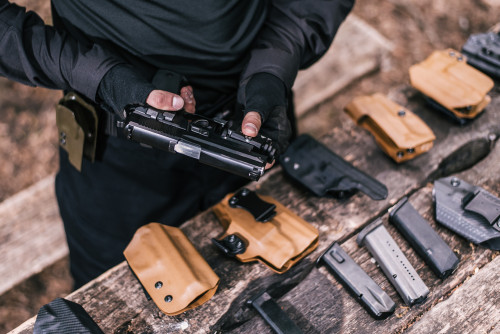
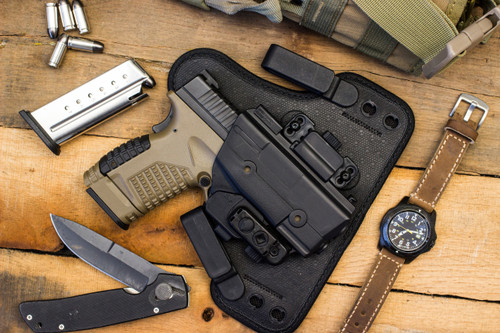
A properly fitted holster made specifically for the Shield EZ gives the best retention and comfort. CrossBreed and Hidden Hybrid both offer solid options built for this platform and are worth looking into before buying something generic.
Ammo Considerations
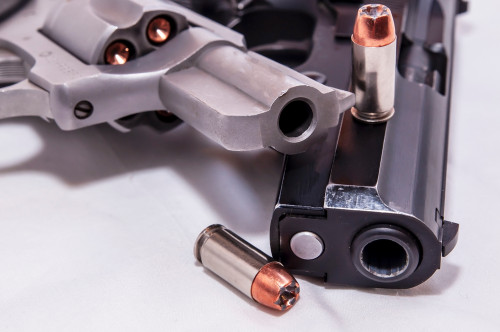
Both FMJ and JHP loads have run well in the Shield EZ based on reported testing. For carry use, always test your chosen defensive load through the gun first. The platform tends to run well across most common ammo types, but confirming function with your carry round is a smart habit to build early.
What Sets the Shield EZ Apart From Other Carry Pistols
Simplicity Over Trend Chasing
The Shield EZ was not built around high capacity numbers or accessory options. It was built to be easier to operate for more people. That is a focused goal, and Smith & Wesson executed it well. The result is a pistol that delivers on a specific, honest promise.
Why That Matters in the Real World
A pistol that is hard to operate under stress is a real problem. For many buyers, a gun that requires less effort to rack, load, and handle safely is far more useful in practice than one with more features but a steeper learning curve. The Shield EZ was designed with that reality in mind, and it shows.
Final Verdict
The Smith & Wesson M&P Shield EZ 9mm and EZ .380 do exactly what they were built to do. Both guns stand out for their easy-to-rack slides, user-friendly magazines, mild shooting manners, and clean controls. The .380 is the softer, easier-to-operate option of the two. The 9mm offers the same accessible design with a more common defensive caliber. For beginners, seniors, or anyone who values ease of operation over raw capacity or customization, this line is one of the better carry options available. It serves its audience well and delivers on every key promise.
The Smith & Wesson Shield EZ series stands out for its simplicity and accessibility, making it a strong choice for many concealed carriers. But if you’re comparing it to other leading handguns before making a decision, check out Top Concealed Carry Firearms to see your options.
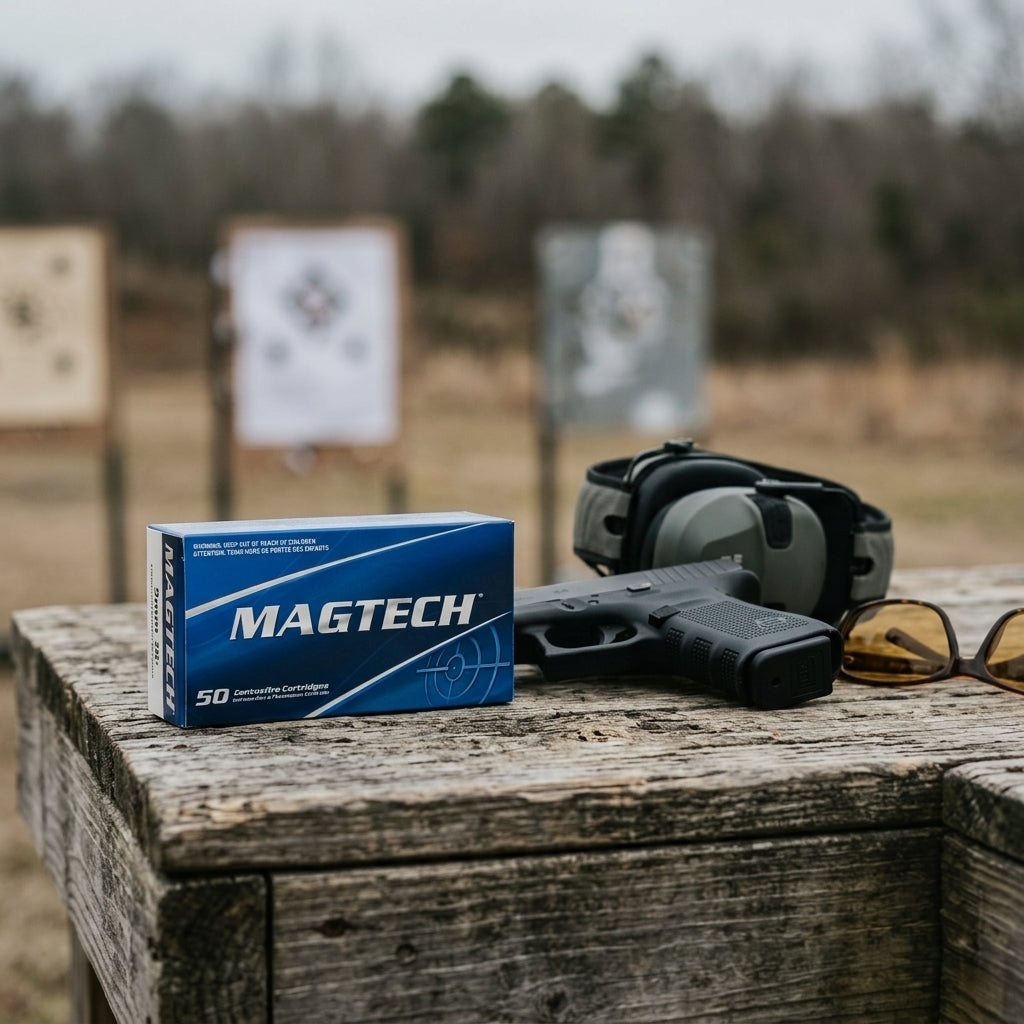
Magtech 9mm FMJ 115 Grain 50 Round Box
$20.00
at Pro Armory
Prices accurate at time of writing
Frequently Asked Questions (FAQs)
Is the Smith and Wesson M&P Shield EZ easy to rack?
Yes. The Shield EZ was designed to reduce slide tension from the ground up. Smith & Wesson used an internal hammer-fired system to significantly reduce the racking force compared to many standard semi-auto pistols. It is among the easiest slides to operate in its class.
What is the difference between the Shield EZ 9mm and EZ .380?
The 9mm offers a stronger and more common defensive caliber. The .380 is lighter at 18.5 oz versus 23.2 oz, softer to shoot, and slightly easier to rack. Both models share the same core EZ features and nearly identical dimensions.
Is the Shield EZ good for beginners?
Yes. The simple controls, mild recoil, and easy-to-rack slide make it one of the most beginner-friendly carry pistols available. It is a strong first handgun choice for new gun owners.
Is the Shield EZ good for concealed carry?
Both versions carry well due to slim dimensions and manageable weight. The 8+1 capacity is a tradeoff, but the overall package works well for everyday carry.
Does the Shield EZ have a grip safety?
Yes. Both EZ models include a grip safety. Some versions also include an ambidextrous thumb safety. The grip safety works naturally with a proper grip and does not interrupt normal operation.
Which Shield EZ is softer shooting?
The .380 version is noticeably softer and flatter to shoot. Its lighter weight and smaller caliber combine for less felt recoil compared to the 9mm.
About the Author
This article was written by the ProArmory writing team based on current product research, manufacturer specifications, and industry knowledge surrounding concealed carry pistols and user-focused firearm design.
Disclaimer: This article is for informational purposes only. Always handle firearms safely and follow all local, state, and federal laws regarding purchase, carry, and storage. Read the owner's manual before use and seek qualified instruction before carrying any firearm for personal protection. ProArmory assumes no liability for actions taken based on the information provided here.
Best Ammo Deals, Training, & Accessories
Subscribe to ProArmory sales and deals email.