 Pro Armory Editorial Team
Quick Answer
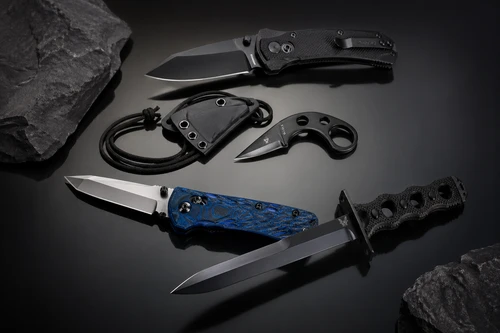
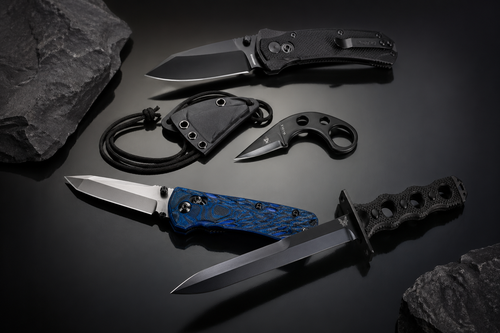
A strong EDC knife under $400 should be easy to carry, quick to access, comfortable in hand, and useful for real daily tasks. This guide compares seven picks across fixed blades and folders, with a close look at carry comfort, blade shape, deployment, grip, steel, and overall value.
Key Takeaways
- Good EDC knives balance carry comfort and cutting performance.
- Fast access matters, but safe handling matters more.
- Fixed blades offer simplicity. Folders offer easier pocket carry.
- Blade steel, grip texture, and sheath or clip design shape daily use.
- Local knife laws should always be checked before buying or carrying.
A knife can look simple, but the wrong one becomes dead weight fast. The right one disappears in your pocket, comes out cleanly when needed, and handles real work without fuss. A good EDC blade is about comfort, control, and usefulness when everyday tasks show up.
Why a Good EDC Knife Still Matters
An EDC knife earns its place over time. It is not a showpiece. It lives in your pocket, on your belt, or around your neck, and shows up for cutting tasks when nothing else will do. Most people who carry a knife daily use it for opening packages, cutting rope, or handling small jobs that pop up without warning.
Size and weight are not just numbers on a spec sheet. They are the difference between a knife you carry every day and one that sits in a drawer. The knife that handles daily tasks cleanly and sits comfortably until needed is the one worth carrying.
What to Look for in the Best EDC Knives Under $400
Access and draw speed should come first. A knife that is slow or awkward to reach is not a practical carry option. Folders should open smoothly with one hand. Fixed blades need sheaths that release cleanly without fumbling.
Grip texture plays a big role. A handle that is too smooth slips in wet hands. One that is too rough chews up your palm over a long day. The best grips hold firm without causing problems. Blade steel and shape round out the decision. A good everyday blade holds an edge through regular use, resists moisture, and resharpens without a fight.
Fixed Blade vs Folding Knife for EDC
Fixed blades are simple. No moving parts to fail. Draw, use, put back. For people who want the least amount of fuss, a fixed blade with a solid sheath is hard to beat. The trade-off is visibility. Most fixed blades ride on a belt or around the neck, and that can stand out depending on your outfit.
Folders dominate everyday carry for most people because they slide into a pocket and stay hidden. A folder with a deep-carry clip rides so low that most people around you will never notice it. For outdoor use or rough environments, fixed blades pull ahead. For daily carry in a city or suburban setting, a folder is usually the smarter call.
Best EDC Knives Under $400
Kershaw Bel Air
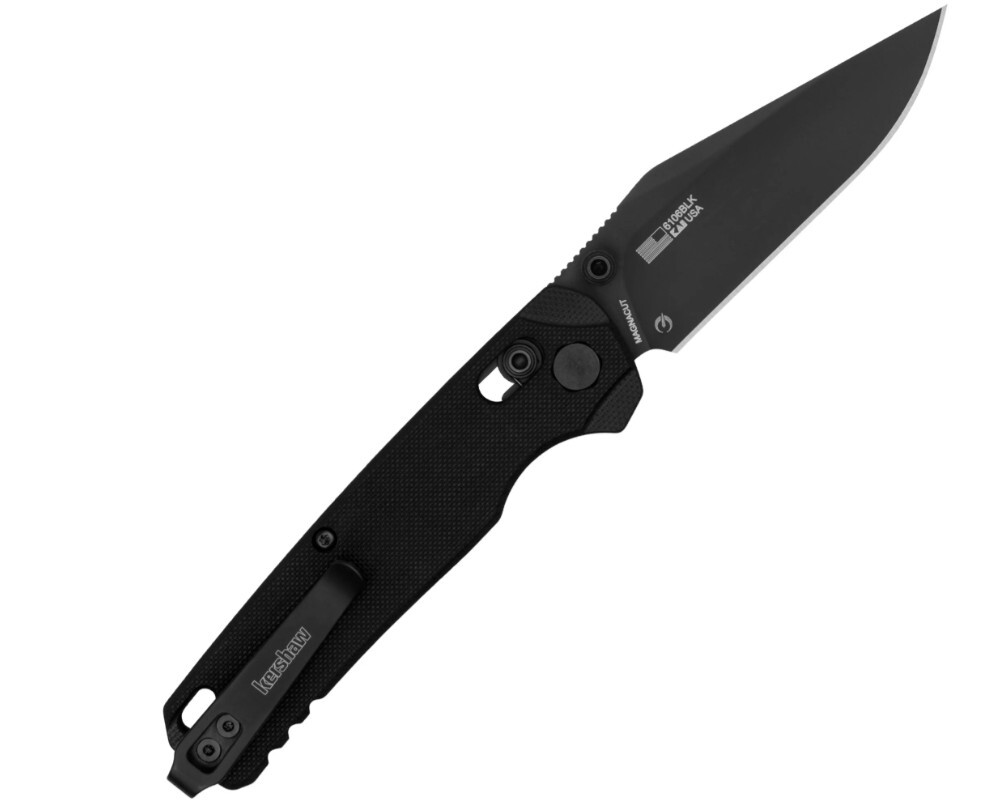
The Kershaw Bel Air is a slim, well-built folder that sits at a price point that feels premium without going overboard. It runs CPM MagnaCut steel, one of the best production choices for a daily carry blade right now. The steel holds an edge well, resists corrosion, and resharpens without much effort.
A reversible deep-carry clip lets you run it left or right without major adjustments. The KVT ball-bearing action opens cleanly, and the DuraLock keeps the blade seated without play. For anyone who wants a refined folder that carries low in the pocket and handles everyday cutting tasks, this is a strong pick.
Price: $230 to $280. It depends on retailer and availability
Features
- Manual folder with KVT ball-bearing action
- CPM MagnaCut reverse tanto blade
- DuraLock with reversible deep-carry pocket clip
Pros
- Premium steel for a production EDC knife
- Low-profile carry with left or right pocket flexibility
- Good mix of cutting performance and daily comfort
Cons
- Pricier than many mainstream EDC folders
- Reverse tanto shape may not suit every task
KA-BAR Last Ditch Knife Boot
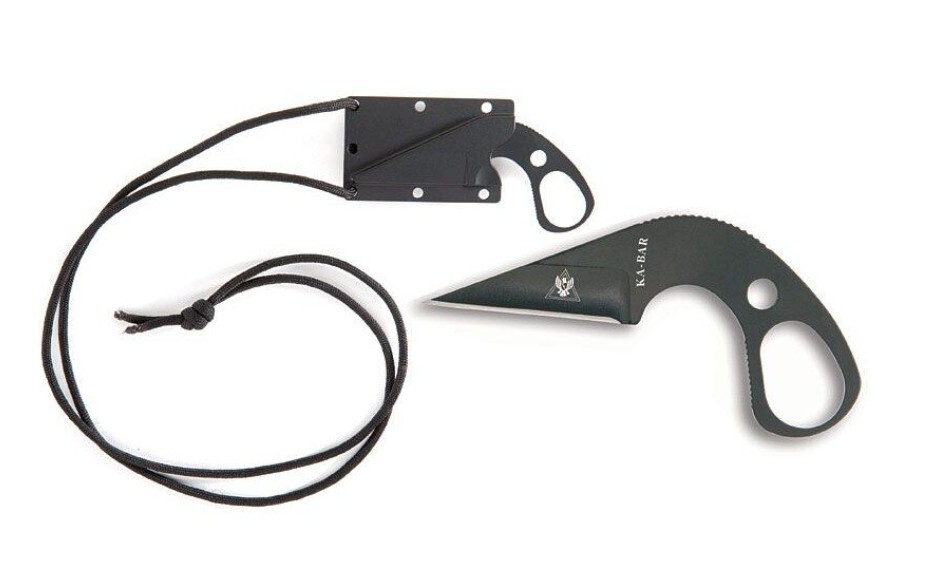
The KA-BAR Last Ditch Knife Boot is all about being small. The 1.625-inch blade and compact build are the whole point. It fits in a boot, rides as a neck knife, or tucks into a pocket without any bulk at all. According to industry research on compact carry knives, compact backup blades like this one are often the most-carried option among those who already run a full-size primary knife.
At under $30, it fills the role of a compact, always-there backup blade. The scalpel-style blade cuts well for its size. For buyers who want the smallest possible fixed blade at a very low price, this one stands out clearly.
Price: Approx. $29 retail
Features
- Fixed blade with a 1.625-inch blade
- 9Cr18 stainless steel construction
- Compact neck or boot carry format
Pros
- Very affordable at under $30
- Easy to carry in clothing that would not hide a larger knife
- Simple and compact for minimalist carry
Cons
- Tiny blade limits daily utility
- Not suited for broader cutting tasks
Hogue Deka Manual Folder
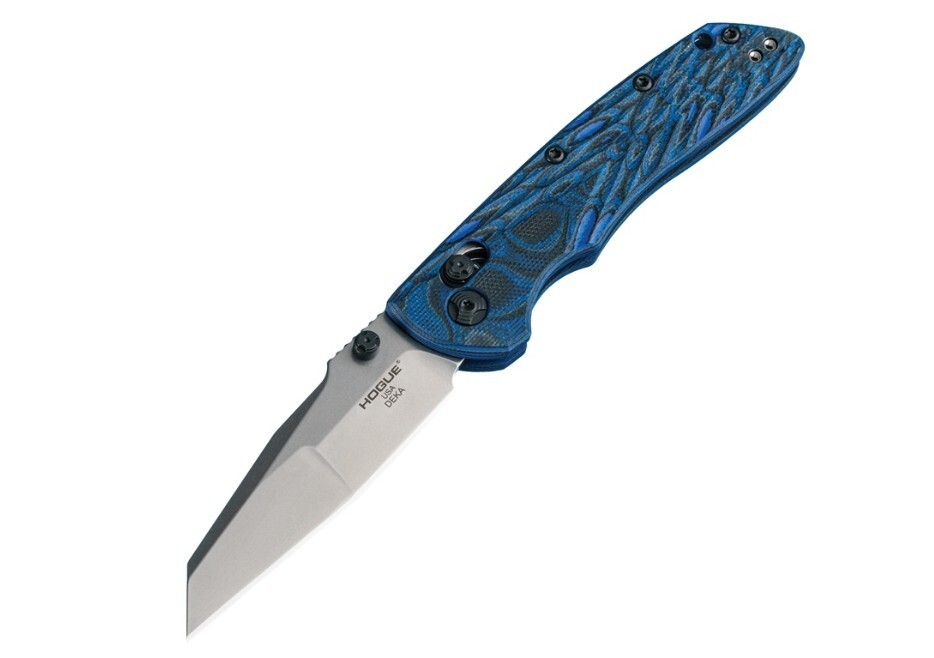
The Hogue Deka keeps weight low and still brings premium materials. Current polymer-handled models come in CPM MagnaCut steel, a strong choice for corrosion resistance and edge retention. Buyers get clip point or Wharncliffe blade options, so there is some flexibility in shape preference.
At around $160, it is the most accessible premium folder on this list. The ABLE Lock is solid, the action opens cleanly, and the deep-carry clip keeps it hidden during regular use. Light, well-made, and priced fairly. That is the Deka in short.
Price: $150 to $220. It depends on configuration and materials
Features
- 3.25-inch blade in clip point or Wharncliffe options
- CPM MagnaCut steel on current polymer models
- Manual ABLE Lock with deep-carry pocket clip
Pros
- Very light for a premium folder
- Strong steel choice for edge retention and corrosion resistance
- Easy to carry without pocket bulk
Cons
- Price climbs fast once you move past the base variants
- Lighter build may not appeal to those who prefer heavier folders
Cold Steel Hide Out
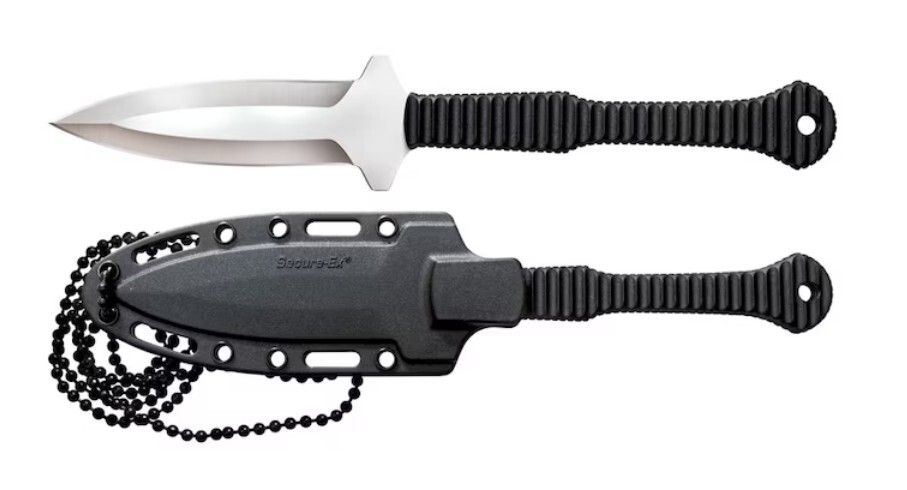
The Cold Steel Hide Out weighs 1.9 oz. That is the headline. It is one of the lightest fixed blades on this list and one of the easiest to carry without thinking about it. The Kray-Ex handle provides a rubberized grip that stays put in wet hands.
The 3-inch dagger blade is built more for piercing than slicing. Broad daily utility tasks are not its strong suit. Still, for a buyer who wants a low-cost, low-weight fixed blade that conceals easily, this one stands out at around $45.
Price: Approx. $45 retail
Features
- Small fixed-blade neck knife format
- Approx. 1.9 oz weight
- Kray-Ex handle with full tang construction
Pros
- Very easy to carry at under 2 oz
- Low price makes it accessible
- Compact fixed blade without much bulk
Cons
- Limited task range compared with larger fixed blades
- Neck-carry style will not suit everyone
- Small handle may feel cramped for larger hands
Benchmade SOCP Fixed Blade
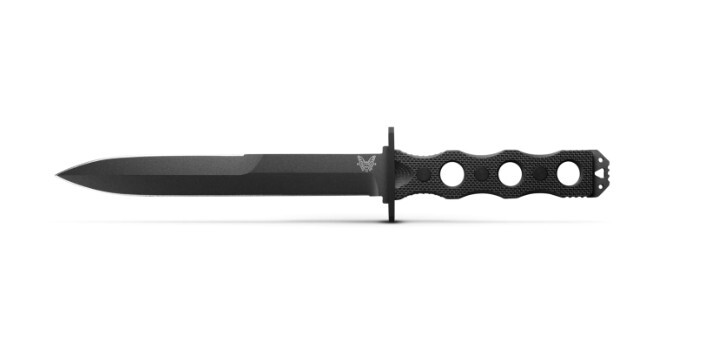
The Benchmade SOCP is the priciest pick on this list at around $400. It earns that price with 3V tool steel, a G10 handle, and MOLLE-compatible carry gear. The blade is slim and built around a specific purpose, so it carries thin and draws quickly.
It is not a general-purpose utility knife. Opening packages or prepping food will not be its strengths. For buyers who want a premium, slim fixed blade with strong materials and a recognized brand name at the top of their budget, the SOCP is a clear fit.
Price: $140 to $220 for standard models. Higher-end variants can cost more
Features
- Compact fixed-blade design
- Black G10 handle and 3V tool steel
- MOLLE-compatible carry setup
Pros
- Premium steel and strong brand reputation
- Very slim format for sheath carry
- Flexible carry options with MOLLE compatibility
Cons
- One of the priciest options on this list
- Less suited for general daily cutting tasks
- Specialized shape limits its audience
KA-BAR TDI Investigator
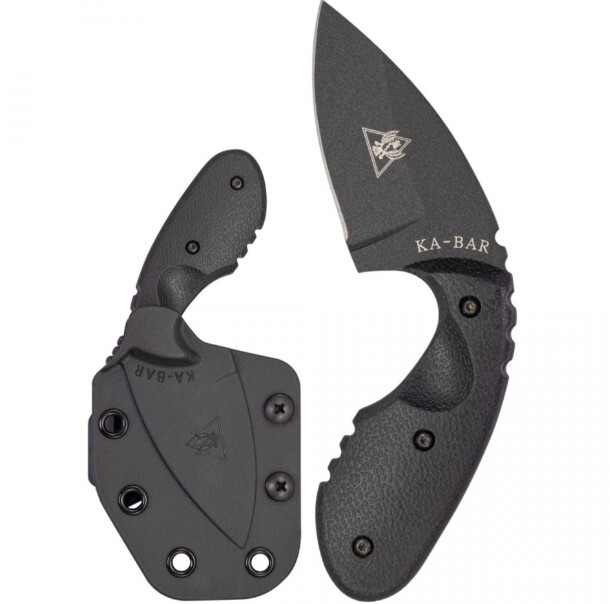
The KA-BAR TDI Investigator is a compact, straightforward fixed blade at a fair price. A 2.71-inch blade, AUS 8A stainless steel, and a low-profile carry setup make this an easy knife to recommend in the mid-budget range. The knife was designed to be simple to use and easy to access quickly, which tracks well with what most daily carry users need from a small fixed blade.
At around $78, it lands between the budget options and the premium picks. The handle is purpose-driven, so it works best in a specific grip style. For buyers who want a compact fixed blade without spending premium money, the TDI Investigator gets the job done without overcomplicating things.
Price: $40 to $65. It depends on retailer and availability
Features
- 2.71-inch fixed blade
- AUS 8A stainless steel
- Low-profile carry setup
Pros
- Compact and easy to carry daily
- Affordable compared with premium fixed blades
- Simple design with a minimal learning curve
Cons
- Short blade limits task range
- Materials are not as premium as the pricier entries
Toor Jank Shank S
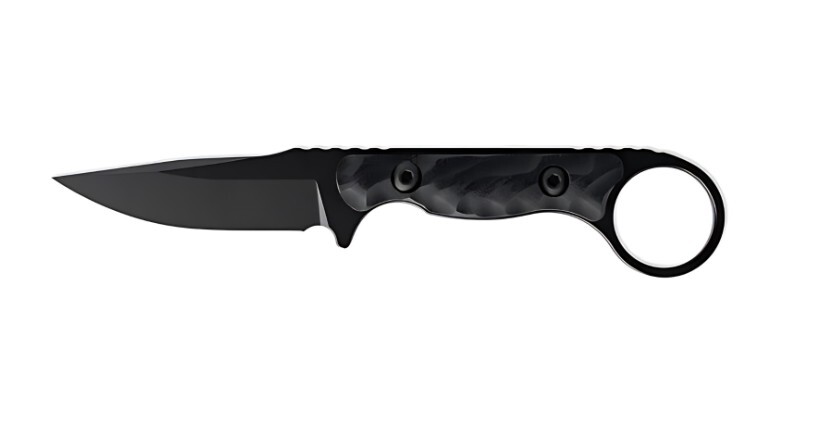
The Toor Jank Shank S is the premium minimalist fixed blade in this group. CPM M4 steel, G10 handle, and USA-made construction put it firmly in the upper tier of compact knives. The 3-inch blade and stripped-down profile are built around clean, low-bulk carry.
At around $275, it costs more than most compact fixed blades. Buyers pay for the steel quality and the American build. For someone who wants a small knife with premium materials and a clean carry setup, the Jank Shank S is one of the best fits on this list.
Price: $250 to $300. It depends on finish and configuration
Features
- 3-inch blade
- CPM M4 steel with G10 handle
- Made in San Diego, California
Pros
- Premium steel and strong build quality
- Compact size with stronger materials than budget rivals
- Clean carry setup
Cons
- Expensive for a compact fixed blade
- Minimalist design limits broad everyday use
- Not the most budget-friendly option
Quick Comparison Table
| Knife | Type | Strength | Carry Style | Best Fit | Price Range |
|---|---|---|---|---|---|
| Hogue Deka Manual Folder | Folder | Lightweight build | Pocket clip | Light daily carry | $150–$220 |
| Kershaw Bel Air | Folder | Premium materials | Pocket clip | Modern EDC | $230–$280 |
| KA-BAR TDI Investigator | Fixed blade | Compact simplicity | Sheath carry | Small fixed blade fans | $40–$65 |
| Cold Steel Hide Out | Fixed blade | Very light | Neck or mounted carry | Low-bulk setups | $40–$60 |
| Toor Jank Shank S | Fixed blade | Minimal profile | Sheath carry | Premium minimalist carry | $250–$300 |
| KA-BAR Last Ditch Knife | Fixed blade | Tiny size | Deep concealment | Budget backup carry | $20–$35 |
| Benchmade SOCP | Fixed blade | Slim, access-focused design | Sheath carry | Narrow-profile carry | $140–$220 |
Which of These Knives Is Best for You
For lightweight pocket carry, the Hogue Deka is the easy call. Light, well-made, and priced fairly for a premium folder.
For a premium folder, the Kershaw Bel Air hits the sweet spot. Top-tier production steel and a slim carry profile put it ahead of most folders at this price.
For compact fixed blade carry, the Toor Jank Shank S wins on materials. The TDI Investigator is the better call for budget buyers who still want a fixed blade without the premium cost.
For budget buyers, the KA-BAR Last Ditch Knife at under $30 is hard to argue against. And for low-profile setups, the Cold Steel Hide Out at 1.9 oz keeps things extremely light and discreet.
Knife Laws, Carry Rules, and Local Restrictions

Knife laws vary more than most buyers expect. What is legal in one state can be a criminal offense in another. Blade length limits, restrictions on automatic knives, and carry-position rules all differ by jurisdiction. In some areas, knife laws can be more restrictive or differently structured than firearm laws. It can also depend on the type of knife and method of carry.
Automatic and assisted-opening knives face especially heavy restrictions in many areas. Blade length rules are another common hurdle. Many urban areas cap legal carry length at two or three inches, which rules out several otherwise solid carry options. Research the rules for your area before you buy. This one step saves serious headaches later.
Training, Handling, and Safe Use
Safe handling matters more than picking the right knife. A well-chosen blade in unpracticed hands is a liability, not an asset. Regular draw practice and familiarity with your specific knife's deployment system builds the kind of muscle memory that keeps things safe and smooth.
Start with dry practice at home. Get comfortable with how your knife draws from its sheath or pocket. If you plan to rely on a knife beyond basic utility use, additional training and practice can help build safe and effective handling skills. Keep the blade clean, lightly oiled, and sharp. A sharp knife requires less force. Less force means better control. These basics seem small, but they matter a lot over time.
Final Verdict
The best pick depends on what you actually need. Folders work better for pocket carry and everyday settings. Fixed blades are simpler with no moving parts to manage. Budget buyers have solid options below $50. Mid-range picks fall between $100 and $200. Premium materials and U.S.-made options typically land in the $200 to $300 range. Fewer models can also approach the $400 ceiling.
Compare specs, check your local carry laws, and match the knife to your real carry habits before buying. Pick the one that fits your life, not just the one that looks best on paper.
The best EDC knives under $400 deliver excellent performance for daily tasks, offering a balance of portability and durability. But if you’re building out a more complete gear setup for emergency or tactical use, check out Guide to Choosing the Best Combat Knife to take the next step.
Frequently Asked Questions (FAQs)
What is the best EDC knife under $400?
The Kershaw Bel Air and Hogue Deka are strong folder choices. For a premium fixed blade, the Toor Jank Shank S stands out. The best choice depends on carry preference, task needs, and budget.
Is a fixed blade or folder better for everyday carry?
Folders are easier to pocket and carry discreetly. Fixed blades are simpler with no moving parts to worry about. For office and casual settings, a folder usually works best. For outdoor or rough-use situations, a fixed blade is the smarter call.
What blade steel is good for an EDC knife?
CPM MagnaCut is one of the best production options available right now. It balances edge retention, toughness, and corrosion resistance well. AUS 8A is a solid budget-tier option. CPM M4 is excellent for toughness in compact fixed blades.
Are lightweight knives better for pocket carry?
For most daily carry situations, yes. A lighter knife carries comfortably all day and does not print through clothing as noticeably as heavier options.
Do knife laws vary by state?
Yes, significantly. Blade length limits, automatic knife restrictions, and carry rules all differ by state and city. Always check local laws before buying or carrying any knife.
What makes a knife practical for daily carry?
Easy access, comfortable carry weight, a blade shape suited to common tasks, and a grip that holds securely. A knife that checks those boxes will earn its place in your daily rotation without becoming a burden.
About the Author
This article was written by the ProArmory writing team based on current product research, manufacturer specifications, and industry knowledge surrounding everyday carry knives and practical use cases.
Disclaimer: This article is for informational purposes only. Knife laws vary by state, city, and jurisdiction. Always check your local laws before buying or carrying any knife. ProArmory is not responsible for how readers choose to use or carry any knife covered in this article. Handle all edged tools safely and responsibly at all times.
Best Ammo Deals, Training, & Accessories
Subscribe to ProArmory sales and deals email.