 Pro Armory Editorial Team
Quick Answer
For most beginners, 12-gauge 2.75-inch buckshot is the standard starting point for home defense. It offers strong close-range performance and the widest ammo support available. The most talked-about choices are 00 buck and No. 1 buck. Reduced-recoil loads tend to be easier to control for newer owners. Birdshot often falls short on penetration, and slugs bring added risk indoors. The best choice still depends on how your shotgun patterns with that specific load.
Key Takeaways
- 12-gauge is the main standard for defensive buckshot.
- 00 buck is the most common and easiest to find.
- No. 1 buck offers a strong middle ground in pellet count and size.
- Birdshot and slugs each bring real tradeoffs indoors.
- Patterning your own shotgun matters more than brand hype.
- Reduced-recoil loads are often easier for beginners to handle.
You walk into a gun store, pick out your first home-defense shotgun, and feel pretty good about yourself. Then you get to the ammo aisle. And just like that, the confidence disappears.
Buckshot, birdshot, slugs. Shell lengths of 2.75 inches, 3 inches, 3.5 inches. Pellet counts ranging from 8 to 27. Boxes labeled "managed recoil" and "tactical" that tell a new buyer almost nothing useful. This guide cuts through all of that so you can walk out with the right load for your home and your gun.
What Buckshot Is and Why It Is Commonly Chosen for Home Defense
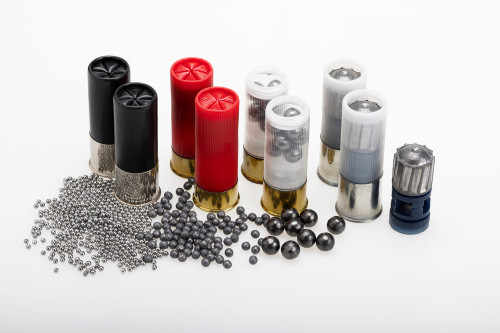
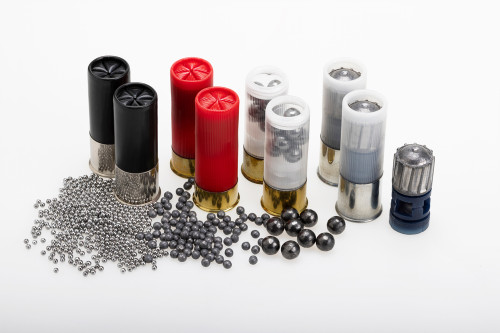
Buckshot fires several large pellets at once. Pellet sizes typically range from about .24 inch (No. 4 buck) up to around .36 inch (000 buck), with some larger variants existing. The most common defensive sizes fall between No. 4 buck and 00 buck. Each pellet carries real mass and real energy. Compare that to birdshot, which uses many tiny pellets with far less individual weight. A standard 2.75-inch buckshot shell can hold anywhere from 8 to 27 pellets depending on the size chosen.
At close range, each pellet hits with meaningful force. If multiple pellets land in vital areas, the effect compounds fast. Even hits that miss major organs cause serious blood loss. That combination of pellet count and individual pellet weight is why buckshot gets so much attention in defensive shotgun discussions. You still need to aim. The pellets do spread, but not as much as most beginners expect at typical indoor distances.
Why Shot Placement Still Matters With a Shotgun
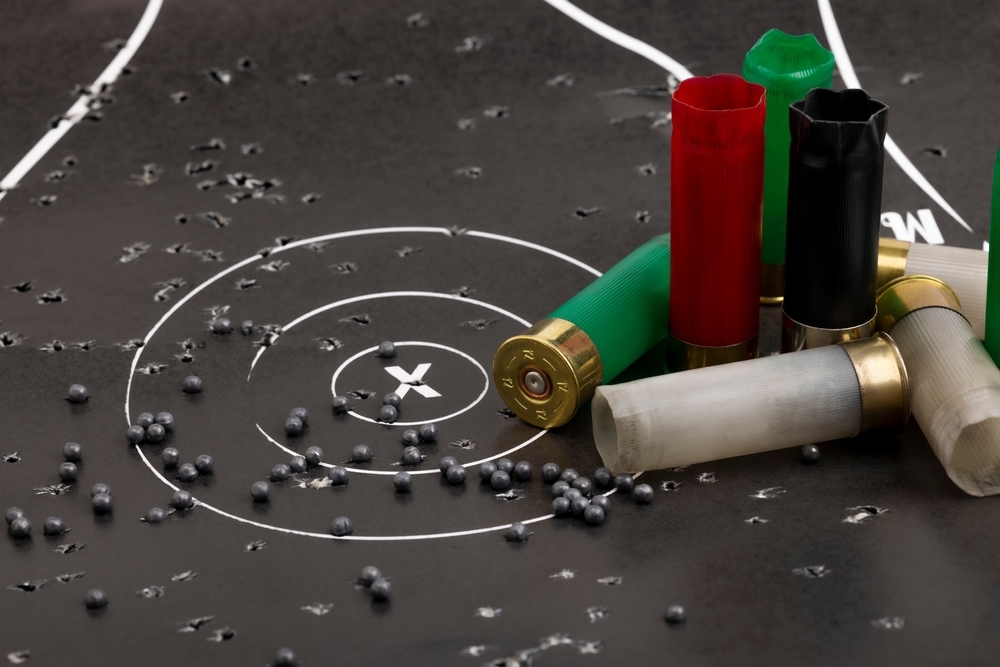
Some new owners assume a shotgun removes the need for accuracy. That's not how it works. Buckshot does spread, but at typical home-defense distances the pattern is much smaller than most people picture. The spread gives you a small margin, not a free pass.
Why 12-Gauge Is the Starting Point for Most Beginners
This guide focuses on 12-gauge because it has the most market support by a wide margin. Defensive and tactical loads in 12-gauge are easy to find in most gun stores and online retailers. Other gauges like 20-gauge and .410 bore exist and can work for certain situations. But finding purpose-built defensive loads in those gauges takes significantly more effort. For beginners, that extra friction is just not worth it when the 12-gauge makes everything simpler and more accessible.
Buckshot vs Birdshot vs Slugs for Home Defense
Why Slugs Are Usually a Poor Starting Point Indoors
Slugs are single, heavy projectiles. They hit very hard, but that power creates a serious problem indoors. If you miss, a slug can penetrate multiple interior barriers such as drywall and doors. Even a hit carries a significant risk of overpenetration compared to buckshot, which is an important consideration in indoor environments. That's a danger to anyone else in the building. Slugs fit better in outdoor or hunting contexts where longer range and deep penetration are the goal.
Why Birdshot Is Often Questioned for Defensive Use
Birdshot uses tiny pellets with limited individual mass. At point-blank range, it can cause serious injury. But at standard home-defense distances, it often lacks enough penetration to reach vital organs reliably. Much of the available testing and expert discussion suggests that birdshot may lack sufficient penetration at typical home-defense distances, especially when clothing and intermediate barriers are involved.
Why Buckshot Sits in the Middle
Buckshot gives you multiple heavier pellets that can reach the depth needed to matter. It doesn't overpenetrate quite like a slug, and it hits far harder than birdshot. That balance is why it stays at the top of most home-defense shotgun conversations.
Buckshot Sizes for Beginners Explained
The number system trips up a lot of new buyers. Smaller numbers usually mean bigger pellets. Here's a simple breakdown.
Simple Comparison Table
| Buckshot Size | Pellet Diameter | Common Pellet Count (2.75" Shell) | Beginner Takeaway |
|---|---|---|---|
| No. 4 Buck | .24 inch | 27 pellets | High pellet count; ongoing debate about penetration |
| No. 1 Buck | .30 inch | 15–16 pellets | Strong middle-ground option |
| 00 Buck | .33 inch | 8–9 pellets | Most common defensive choice |
| 000 Buck | .36 inch | 8 pellets | Larger pellets with less widespread development |
No. 4 Buck: Higher Pellet Count, More Debate on Penetration
No. 4 buck packs 27 pellets into one 2.75-inch shell. That sounds like a lot. But testing has shown it doesn't always meet FBI standards for lethal penetration. Testing has also shown it can punch through up to six interior walls, which raises real safety concerns for home use. More pellets does not automatically mean a better defensive load.
No. 1 Buck: Strong Middle Ground That Deserves More Attention
No. 1 buck holds 15 to 16 pellets per standard shell. Research confirms it is the smallest buckshot size that consistently meets FBI ballistic gel standards with clothing layers factored in. It sits right between 00 and No. 4 in pellet size and count. It doesn't get the same marketing attention as 00 buck, but that's a market issue, not a performance one.
00 Buck: The Most Common Defensive Choice
Double-aught buck is the most widely used defensive buckshot in the world. Military units, law enforcement agencies, and civilian home defenders all reach for it regularly. A standard 2.75-inch shell holds 8 to 9 pellets at .33 caliber each. The sheer number of available loads in 00 buck gives you the most options to compare and test.
000 Buck: Bigger Pellets, Fewer of Them
Triple-aught buck uses .36 caliber pellets. Each one is heavier than 00 buck. But this size hasn't seen much development in dedicated defensive loads compared to 00. Patterns have also been less consistent during testing. It's an option for some, but most beginners don't need to start here.
What Shell Length Means and Why 2.75-Inch Loads Lead the Discussion
2.75-Inch Shells: The Standard Starting Point
Every modern shotgun accepts 2.75-inch shells. The vast majority of purpose-built defensive and tactical loads come in this size. It balances payload and recoil well for most owners and gives you the broadest selection of tested options.
3-Inch and 3.5-Inch Shells: More Payload, More Recoil
Three-inch shells hold more pellets and more powder but kick noticeably harder. There are far fewer dedicated tactical loads available in this size. The 3.5-inch super magnum is built almost entirely for hunting applications. The recoil is very stout and these shells don't fit home-defense roles well.
Mini Shells: Niche Option, Not First Choice
Mini shells run about 1.75 inches in length. They let you fit more rounds in the tube and produce less recoil. Sounds appealing, but most shotguns aren't built to run them natively. Function issues are common. Beginners should skip these until they know their platform well.
Plated vs Unplated Buckshot
Why Deformed Pellets Can Open a Pattern
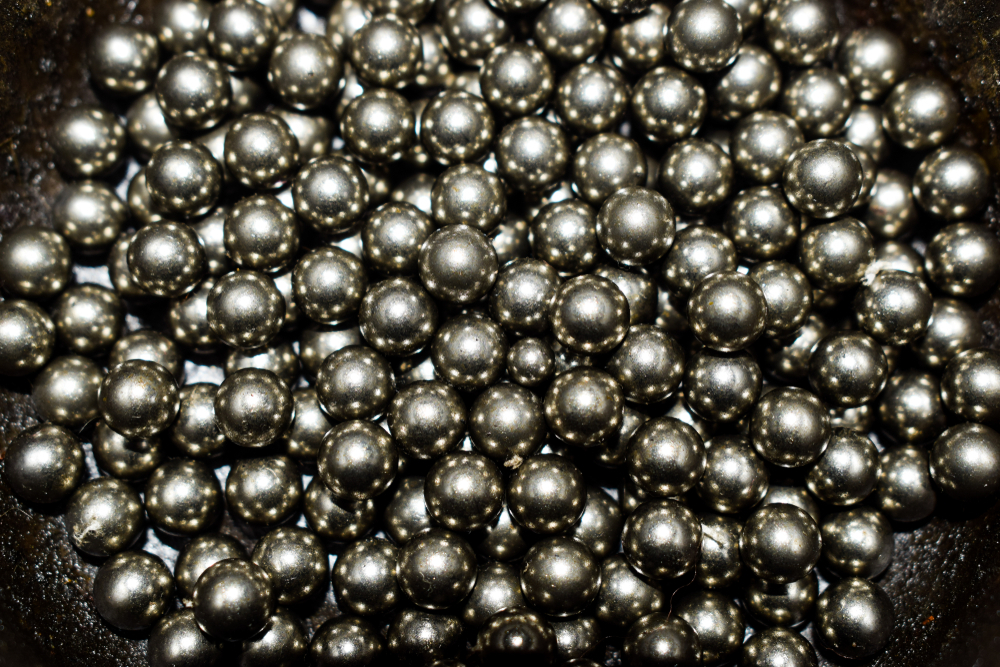
Unplated buckshot is bare lead. It works, but pellets can deform as they rub against each other traveling down the barrel. A deformed pellet becomes a flyer. It breaks from the main group and lands somewhere unpredictable. In a defensive scenario, an unaccounted pellet is a real problem.
What Plating May Improve
Plated buckshot uses a copper or nickel coating. That harder surface resists deformation. Fewer deformed pellets means fewer flyers. Fewer flyers means a tighter, more predictable pattern. Plating alone doesn't guarantee a tight pattern, though. The shot cup design and barrel all play a role. Pattern testing still decides the winner.
Low-Recoil and Managed-Recoil Loads
What Reduced-Recoil Buckshot Does
Standard 00 buck loads run at 1,300 to 1,600 feet per second. Most reduced-recoil loads drop to around 1,150 to 1,200 feet per second. That lower velocity cuts felt recoil noticeably. The terminal performance still holds up for defensive purposes. Even at reduced velocity, buckshot delivers substantial combined energy across multiple pellets, which contributes to its effectiveness at close range.
Why It Can Be Easier to Shoot Well
Less recoil means faster recovery between shots. Faster recovery leads to better control during follow-up shots. Flinching is one of the most common accuracy problems new shotgun owners develop, and heavy recoil is a big driver of it.
Why Semi-Auto Owners Must Test Their Ammo
Gas-operated shotguns need a minimum energy level to cycle the action. Some reduced-recoil loads don't provide enough. Always run a box through your semi-auto at the range before trusting it for defense. Pump-action owners don't have this concern because the shooter cycles the action manually.
Why Patterning Your Shotgun Matters More Than the Box Label
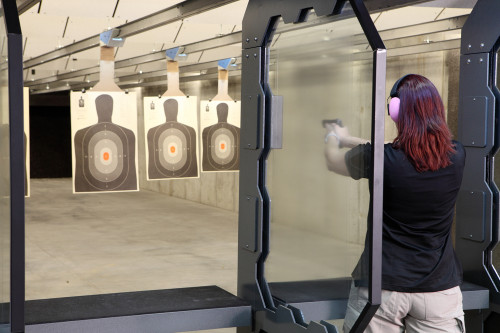
No two shotguns pattern the same. Even identical models from the same manufacturer can show different results with the same load. At 10 yards, a solid defensive pattern should keep most pellets inside a tight group. Testing at the actual distance your home layout requires will tell you far more than any product description ever will.
Why Chokes Can Change the Result
Choke tubes are designed to control pattern spread. But with buckshot, they don't always behave as expected. Tighter chokes do not always improve buckshot patterns. In some cases, they can cause uneven or inconsistent pellet spread depending on the load and barrel. Testing different choke and load combinations is the only way to confirm performance. Most buckshot is built for a cylinder bore, meaning no choke or a fully open choke. If your pattern looks off, check your choke before blaming the load.
Why Flyers and Pattern Spread Matter
A flyer is a pellet that breaks from the main group and lands somewhere outside your intended target. In a home with other people nearby, that's a genuine safety risk. Testing helps you spot which loads produce flyers in your specific gun before a real situation demands otherwise.
Popular Buckshot Loads Beginners Will See Again and Again
Beginners don't need to memorize every shell on the shelf. But it helps to know the loads that come up most often in defensive shotgun discussions.
Federal FliteControl 00 Buck
Federal FliteControl is widely regarded as the benchmark for tight patterning in 00 buck. Its specially designed shot cup holds pellets together longer after they leave the barrel. Law enforcement agencies have adopted it for its consistent, tight patterns at defensive distances. The 8-pellet version gets extra attention because it can reduce the likelihood of flyers compared to some 9-pellet loads, though pattern performance still depends on the specific shotgun and ammunition.
Hornady Critical Defense and Hornady Black 00 Buck
Both are full-power options with a strong reputation for tight patterns. They push 8 pellets of 00 buck to high velocities. That makes them a solid choice for semi-automatic shotguns that need full-power loads to cycle the action properly. Testing has consistently noted their patterning performance as a key strength.
Remington Managed Recoil 00 Buck
This is an 8-pellet reduced-recoil load that earns consistent mention in both law enforcement and civilian discussions. It runs noticeably softer than full-power options. Testing has shown it can produce very tight patterns despite the lower velocity. For beginners who want manageable recoil without giving up serious performance, this load gets high marks.
Winchester Super-X No. 1 Buck
Not everyone wants 00 buck. Winchester Super-X in No. 1 buck throws 16 pellets at a manageable velocity. It's a useful example of what No. 1 buck can offer for anyone looking beyond the 00 buck conversation.
Common Beginner Mistakes When Choosing Buckshot
Assuming all 00 bucks performs the same. Two loads in the same pellet size from different brands can produce very different patterns in the same gun. The shot cup, velocity, and pellet count all affect the result.
Ignoring pattern testing. Buying a load based on online reviews and never patterning it is a real problem. Always test before trusting.
Choosing heavy magnum loads too early. Magnum loads kick hard. New owners who jump straight to 3-inch or heavy full-power loads often develop flinching habits that are hard to break later. Start with 2.75-inch loads.
Confusing more pellets with better results. A tight 8-pellet pattern beats a scattered 27-pellet pattern every time. Focus on how the load patterns, not just how many pellets it holds.
Skipping function testing in a semi-auto shotgun. A load that causes the gun to malfunction is worse than no load at all. Always confirm function before committing to any load in a self-loading shotgun.
Extra Factors Most First-Time Buyers Miss
8-Pellet vs 9-Pellet 00 Buck
The way the 9th pellet sits in some loads can contribute to inconsistent pellet flight in certain patterns, which is one reason some shooters prefer 8-pellet configurations. Many experienced owners choose 8-pellet loads specifically to avoid it. If you can find an 8-pellet option in your preferred load, it's worth choosing.
Why Shells of the Same Length May Not Load the Same
Shells are measured before crimping. Different manufacturers crimp differently. Some shells end up slightly longer after crimping than others. This can reduce how many fit in your magazine tube. If you load fewer rounds than expected, check the crimped shell length. The ammo may be the issue, not the gun.
Why Home Layout Changes the Ammo Conversation
A narrow apartment hallway is very different from a long open room. Know your space. Test your chosen load at the distances that actually match your home. Results at 7 yards and 15 yards can look very different with the same load.
How to Choose the Right Buckshot for Your Own Shotgun
Start With 12-Gauge 2.75-Inch Loads
This is the standard starting point. It gives you the most options and the most consistent platform support across all modern shotguns.
Pick Two or Three Common Buckshot Options
Don't chase every load on the market. Pick two or three well-regarded options like Federal FliteControl, Remington Managed Recoil, or Hornady Critical Defense. Start there.
Test Pattern, Recoil, and Function
Take each load to the range. Pattern it at your realistic home-defense distance. Note the recoil level. Confirm it cycles your shotgun if you're running a semi-auto.
Choose the Load You Shoot Best
The best buckshot load is the one that patterns tight in your gun and that you can handle without building bad habits. That's the one worth trusting.
Final Thoughts
Buckshot remains the standard starting point for any serious home-defense shotgun conversation. The 12-gauge 2.75-inch shell dominates the discussion because it works in every modern shotgun and has the most load options available. 00 buck leads in popularity by a wide margin, but No. 1 buck deserves serious attention from anyone willing to look a little harder. At the end of the day, patterning your own shotgun matters far more than any online recommendation. Find a load that runs clean, patterns tight at your real-world distance, and that you can handle with confidence. That's the load worth keeping in your gun.
Buckshot is the go-to choice for most defensive shotgun setups, but understanding how it compares to other 12-gauge loads can help you make a more informed decision. Before stocking up, check out Best 12 Gauge Shotgun Shells for Hunting and Home Defense to explore your options.

Federal 12 Gauge Ultra Clay & Field 2-3/4" 1-1/8 Oz. #8
$9.50
at Pro Armory
Prices accurate at time of writing
Frequently Asked Questions (FAQ)
Is 00 buck the best buckshot for home defense?
It's the most widely used and easiest to find. Many purpose-built defensive loads come in 00 buck. That said, No. 1 buck also meets FBI penetration standards and offers more pellets per shell. The best choice depends on how each load patterns in your specific gun.
Is No. 1 buck better than No. 4 buck for home defense?
For most people, yes. No. 1 buck consistently meets FBI penetration standards across clothing layers, and No. 4 does not always do so. No. 1 also carries more individual pellet weight. The tradeoff is fewer pellets, but the penetration performance tends to be more dependable.
Why do many people avoid birdshot for defensive use?
Birdshot uses very small, light pellets that often lack enough penetration to reliably stop a serious threat at standard home-defense distances. Most expert discussion leans toward buckshot for that reason.
Are reduced-recoil buckshot loads good for beginners?
Yes, for most beginners. They're easier to manage and still carry strong terminal performance. The key exception is semi-auto shotguns, which need to be tested with those loads to confirm proper cycling.
Should I use 2.75-inch or 3-inch buckshot for home defense?
Start with 2.75-inch shells. They fit every modern shotgun, have the most defensive load options, and produce less recoil than 3-inch loads. The 3-inch shell offers more pellets but at the cost of harder recoil and fewer purpose-built defensive options.
Is a plated buckshot pattern better than an unplated buckshot?
Plating can help reduce pellet deformation and flyers, which may tighten the pattern. But plating alone doesn't guarantee a tight group. Pattern your own gun to find out what actually works.
Do I need to pattern my shotgun before choosing a load?
Yes. No two shotguns pattern the same. A load that performs well in one gun can open up significantly in another. Patterning at your realistic home-defense distance is the only way to know which load works for your specific setup.
About the Author
This article was written by the ProArmory writing team based on current product research, ballistic testing discussions, and industry knowledge surrounding defensive shotgun ammunition.
Disclaimer: This article is for educational purposes only. Firearm and ammunition laws vary by state and locality. Always check your local laws before purchasing or using any firearm or ammunition. Practice safe storage and handling at all times. ProArmory assumes no liability for actions taken based on the information provided here.
Best Ammo Deals, Training, & Accessories
Subscribe to ProArmory sales and deals email.