 Pro Armory Editorial Team
Quick Answer
In the U.S., sawed-off shotguns are not automatically banned under federal law, but they are tightly regulated under the National Firearms Act. In Canada, cutting down a shotgun can make it prohibited, even though some factory-made short-barrel models may still be lawful. The short answer is simple: legality depends on how the gun was made, its measurements, and where you live.
Key Takeaways
- A short barrel alone can trigger federal or criminal-law issues.
- Making one yourself is treated very differently from buying a lawful firearm.
- U.S. federal law and Canadian law do not handle this issue the same way.
- Factory-made short shotguns can fall into a legal gray area people call a loophole.
- State and provincial rules can be stricter than national law.
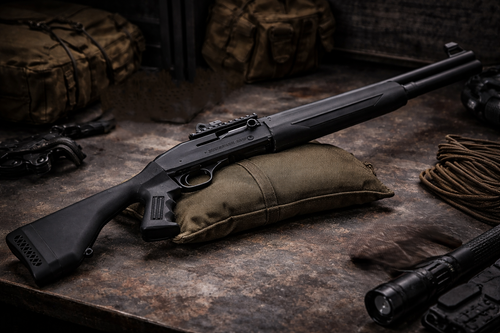
A full-length shotgun is powerful. No debate there. But try moving one through a narrow hallway or a small room, and that power starts feeling like a burden. That is exactly why short-barrel shotguns keep coming up in home-defense conversations, pop culture, and legal debates around the country.
Most people hear the phrase "sawed-off shotgun" and immediately assume it is illegal. They assume federal charges. They assume prison. The reality is more layered than that, and getting the details wrong can cost years of your life. That is worth slowing down for.
Why This Question Is More Complicated Than It Sounds
People toss around the phrase "sawed-off shotgun" like it carries one clear, universal meaning. It does not. The legal answer shifts based on three things: how the firearm was originally made, its barrel and overall length, and which jurisdiction you are in. A gun that clears federal review in one scenario may still land you in state court in another. The phrase is casual. The law is not.
What Counts as a Sawed-Off Shotgun in the United States
The casual label covers a broader range of guns than federal law does. The ATF defines a firearm in this regulated category as any shotgun with a barrel under 18 inches and/or an overall length of under 26 inches, with the stock altered and the barrel cut down. Only one of those two measurements needs to be off. You do not need to fail both tests for the firearm to change category.
Many people get tripped up right here. They assume cutting the barrel is acceptable as long as the total gun length stays long enough. That assumption is incorrect. Either measurement falling below the threshold is enough to push the firearm into heavily regulated territory.
The Measurements That Matter
Two numbers carry the legal weight. A barrel under 18 inches is the first trigger. An overall length under 26 inches is the second. Cross either line without prior ATF authorization, and the firearm changes classification entirely. This is not a situation where being close counts for anything.
Why "Just Cutting the Barrel" Is Not a Harmless Modification
The act of shortening the barrel is itself the legal event. It is not a small tweak or a cosmetic adjustment. Once the firearm crosses a measurement threshold without ATF approval already in hand, the legal category changes on the spot. Violating these requirements can result in serious federal penalties. Federal law does not provide exceptions for misunderstanding or lack of awareness, which is why verifying measurements and legal status before making any modification is critical.
Are Sawed-Off Shotguns Legal Under U.S. Federal Law
The balanced answer here is no, they are not automatically illegal, but they are heavily regulated. Federal law places short-barrel shotguns under the National Firearms Act. Any lawful manufacture or transfer requires ATF approval and full tax compliance before the firearm is made or transferred. Once properly registered, possession can be lawful under federal law, provided all applicable requirements continue to be met. The stamp consists of filing NFA paperwork, currently tax stamps are at 0.00 and require ATF Form 4. The approval must be secured before the firearm is made or transferred, not after the fact.
When Federal Law May Allow Ownership
Federal law does carve out a path for legal ownership. The firearm must be properly registered as an NFA item. The paperwork must be approved before any manufacture or transfer takes place. Both federal and state law must be satisfied simultaneously. If all of that is properly handled, ownership can be lawful under federal rules.
Why Federal Legality Is Not the Whole Story
Federal approval is only one piece of the puzzle. State law is an entirely separate piece. Many states restrict these firearms well beyond what federal law requires. Some states outright ban them regardless of NFA registration status. Federal compliance and state compliance are two different requirements. Both must be met before ownership is genuinely on solid legal ground.
Can You Legally Make One Yourself
This is one of the most searched questions around this topic, and the answer matters a great deal. Unapproved manufacture is where the core legal danger lives. Ownership and manufacture are treated as distinct issues under federal law. There is an approved process for self-manufacture of NFA items, but that approval must exist before any work begins on the firearm. The sequence is not flexible and cannot be reversed after the fact.
The Difference Between Lawful Registration and Unlawful Alteration
Cutting a shotgun down without prior ATF approval is the legal dividing line that changes everything. That act alone can constitute a serious federal offense. The lawful path requires full authorization before a single cut is made. The unlawful path skips that step entirely. Courts do not treat those two paths the same way, and federal law draws a hard line between them.
The "Loophole" People Talk About in the U.S.
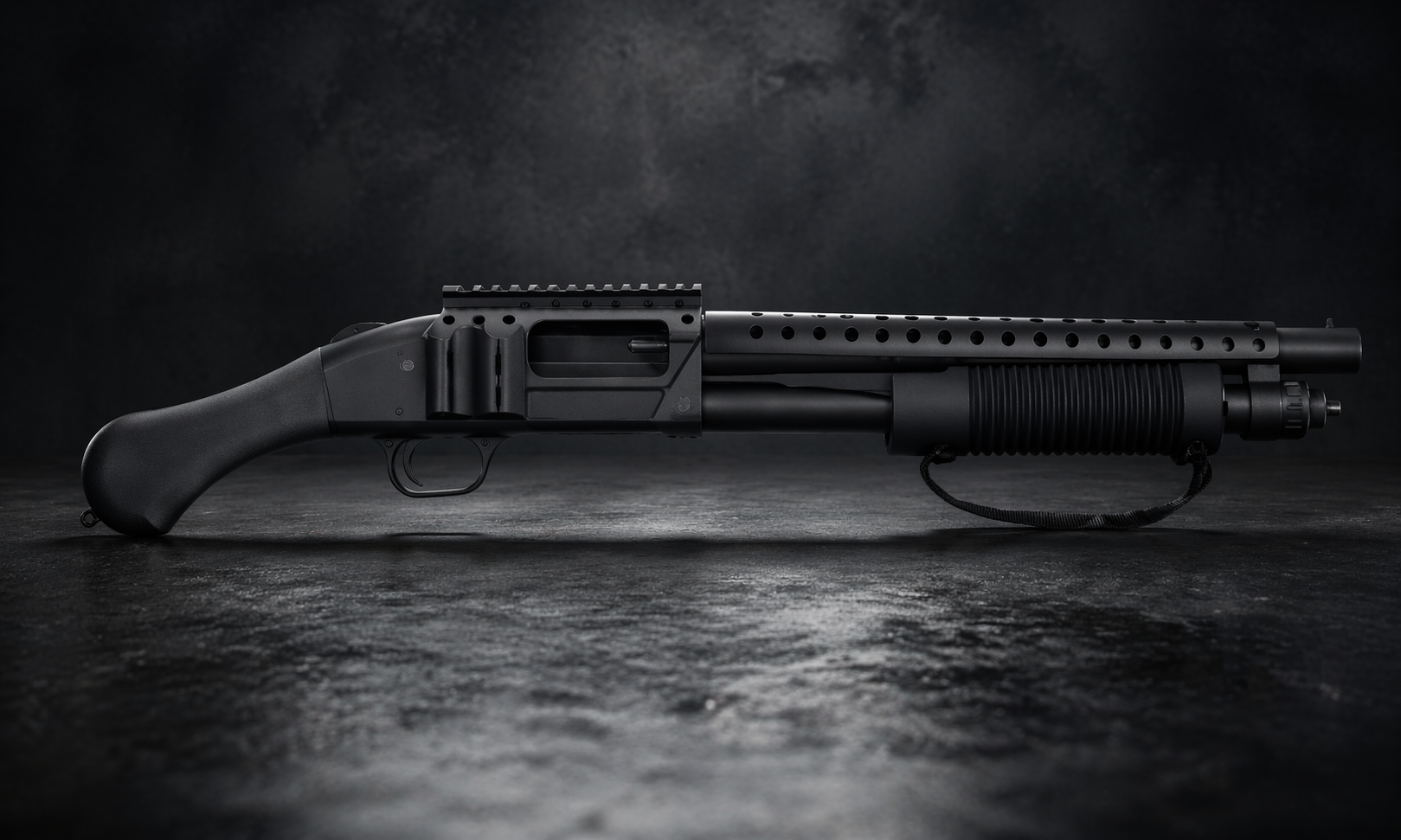
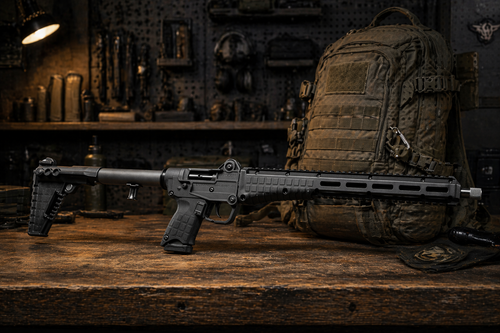
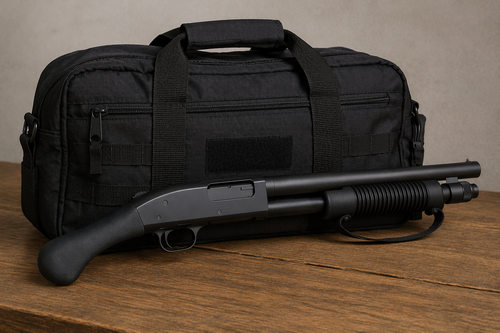
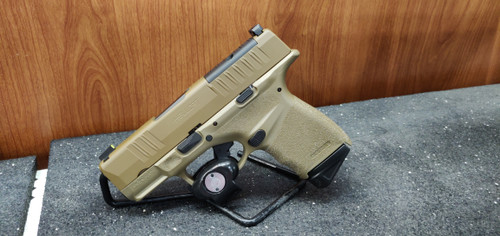
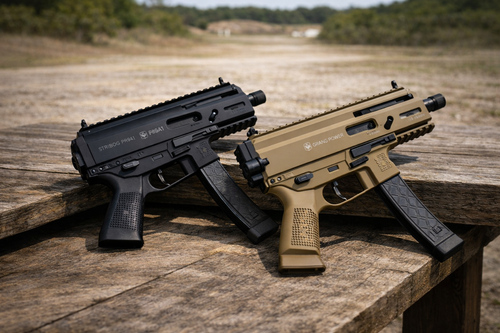
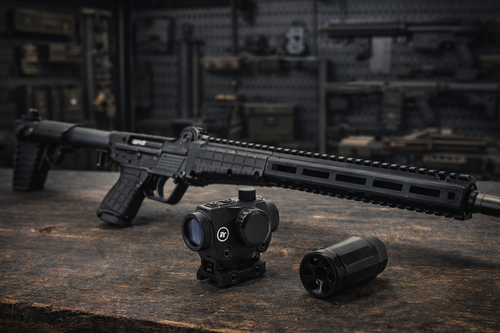
Some compact firearms look very similar to sawed-off shotguns but receive a completely different legal classification. This happens because they were not made the same way. They were never legally defined as shotguns to begin with. A firearm that comes from the factory without a shoulder stock, was never designed to be shouldered, and meets overall length requirements may fall into a separate ATF classification entirely. That is the space people often refer to as a “loophole,” though in reality it reflects how federal law defines and classifies different types of firearms based on their original design.
Why a Short Firearm Is Not Always a Shotgun in the Eyes of the Law
The shoulder stock is part of the legal definition of a shotgun. A firearm that was never built to be fired from the shoulder and never had a stock attached may not qualify as a shotgun under federal law at all. Instead, it may fall into a separate “firearm” classification under ATF rules, depending on its design and dimensions. Visual similarity to a sawed-off shotgun does not determine classification. The legal definition does, and those two things can point in very different directions.
Why This Is Still Risky at the State Level
Federal classification does not settle the question at the state level. Some states apply their own barrel-length rules without any consideration of original design or factory configuration. A firearm that passes federal review cleanly may still be restricted or outright banned under state law. Never assume federal treatment resolves the state-level problem.
How Canada Handles Sawed-Off Shotguns Differently
Canada draws a sharp and clear line between two types of short-barrel shotguns. One type came from the factory that way. The other started as a full-length firearm and was later altered by the owner. Those two situations lead to very different legal outcomes under Canadian law, and the gap between them is wide enough to cost someone years of freedom.
Why Cutting Down a Shotgun Can Turn It Into a Prohibited Firearm
Canadian law treats the act of shortening a shotgun by sawing, cutting, or any other form of alteration as a serious criminal matter. If a shotgun is altered so the barrel is reduced below 457 millimeters (about 18 inches), it can become a prohibited firearm under Canadian law, depending on how the modification was performed and the firearm’s overall configuration. The penalty for this can reach up to five years in a federal penitentiary. If the firearm is found loaded or near accessible ammunition, that exposure can stretch to ten years, with a mandatory minimum sentence of three years. These are not minor consequences for what some people might view as a minor modification.
Why Some Factory-Made Short-Barrel Shotguns May Still Be Legal in Canada
A shotgun that leaves the factory with a short barrel may still be legal in Canada under specific conditions. Classification depends on factors like overall length and action type rather than barrel length alone. The overall length must exceed 660 millimeters, which equals about 30 inches. The action must be hand-operated, like a pump. A firearm that meets both of those conditions can qualify as non-restricted under Canadian law, meaning it can be purchased with a standard firearms licence and no additional special authorization.
The Part Older Articles Often Miss
Canadian firearm classifications are not fixed in place permanently. They can change through regulatory updates, and a firearm that was non-restricted at one point in time can be reclassified later. Any information you read about Canadian firearm classification, including in this article, can go out of date. Always verify current status through official Canadian government sources before acting on what you have read anywhere online.
Legal Status Comparison
| Type | U.S. Legal Status | Canadian Legal Status |
|---|---|---|
| Sawed-off (cut by owner) | NFA regulated; federal and state rules apply | Often prohibited; serious criminal exposure |
| Registered NFA short-barrel shotgun | Legal with ATF approval and tax stamp | Not a recognized category |
| Factory-made short-barrel shotgun | May fall under separate ATF classification | May be non-restricted if length and action rules are met |
| Shockwave-style firearm | Not legally a shotgun under federal law; state rules vary | Generally restricted or classified differently depending on regulations |
Why These Guns Are Regulated So Heavily
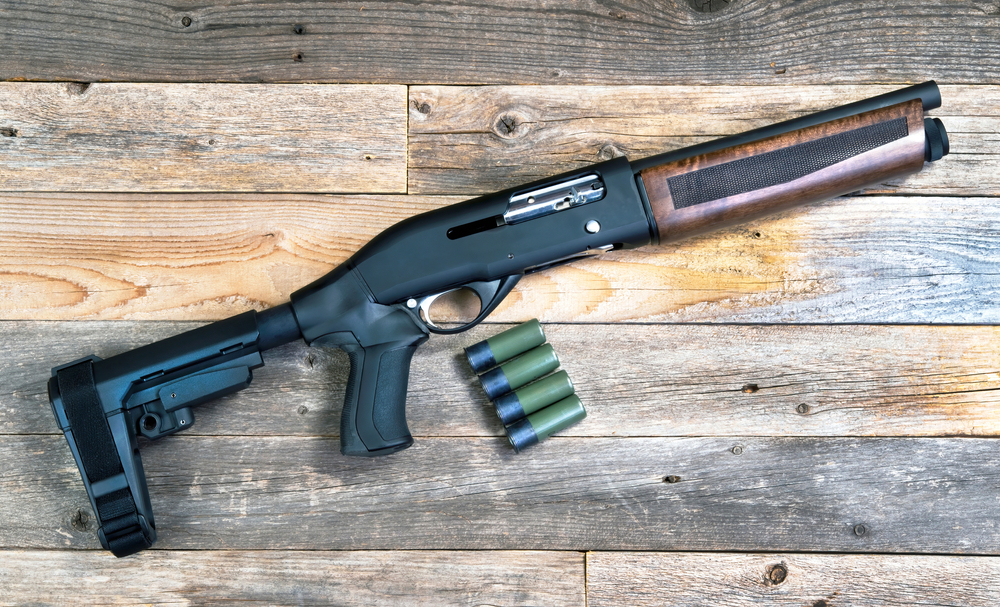
Short shotguns are concealable in a way that full-length models simply are not. That concealability is what makes them attractive for certain uses, and it is precisely what makes lawmakers nervous about them. Short-barrel shotguns have been connected to criminal use going back to the gang conflicts of the 1930s, and that history shaped regulatory attitudes in both countries significantly. A 1939 Supreme Court case, United States v. Miller, addressed short-barreled shotguns but did not definitively rule on their full Second Amendment status. The case has influenced how these firearms are regulated, but modern legal interpretations continue to evolve.
The act of alteration gets treated more harshly than factory manufacture across most legal systems for a straightforward reason. Factory production happens within a regulated, documented process. A person cutting down a shotgun at home operates entirely outside that system. Regulators treat those two scenarios very differently, and the law reflects that distinction clearly.
Common Myths That Get People in Trouble
- If the overall length is fine, cutting the barrel is legal. False. Either measurement failing the threshold is enough.
- If it is sold in a store, it must be legal everywhere. False. Store sales reflect federal compliance, not state law.
- If federal law allows it, your state must allow it too. False. State law can be far stricter than federal rules.
- If you do not use it for crime, the modification does not matter. False. Unapproved alteration is itself a potential federal offense regardless of intent.
What to Check Before You Rely on Anything You Read Online
Firearm law changes. Articles age. What was accurate two years ago may not reflect current rules at all. Before you make any decision involving a firearm in this category, check four things carefully. First, look at current federal law. Second, check your state or provincial law separately. Third, verify the current ATF or Canadian government classification for the specific firearm you are researching. Fourth, speak with a qualified attorney who knows firearm law in your area. This is not a situation where a forum post or an old blog should be the final word on your decision.
Final Answer
In the U.S., a sawed-off shotgun may be legal under federal law only in limited, tightly regulated circumstances. NFA registration and tax compliance must happen before ownership or manufacture. State law can still create serious barriers even after federal approval is in place.
In Canada, cutting a shotgun down yourself is where the legal danger begins. Factory-made short-barrel models may still be lawful under specific conditions, but that status can shift with regulatory updates at any time.
The word "legal" in this context depends entirely on design, dimensions, paperwork, and location. Get the answer right for your specific situation. Talk to a qualified lawyer.
Sawed-off shotguns may seem appealing for their compact size, but the legal hurdles make them a limited option for most people. If you’re looking for a more practical and compliant solution, check out Best Shotguns for Home Defense to explore reliable alternatives.
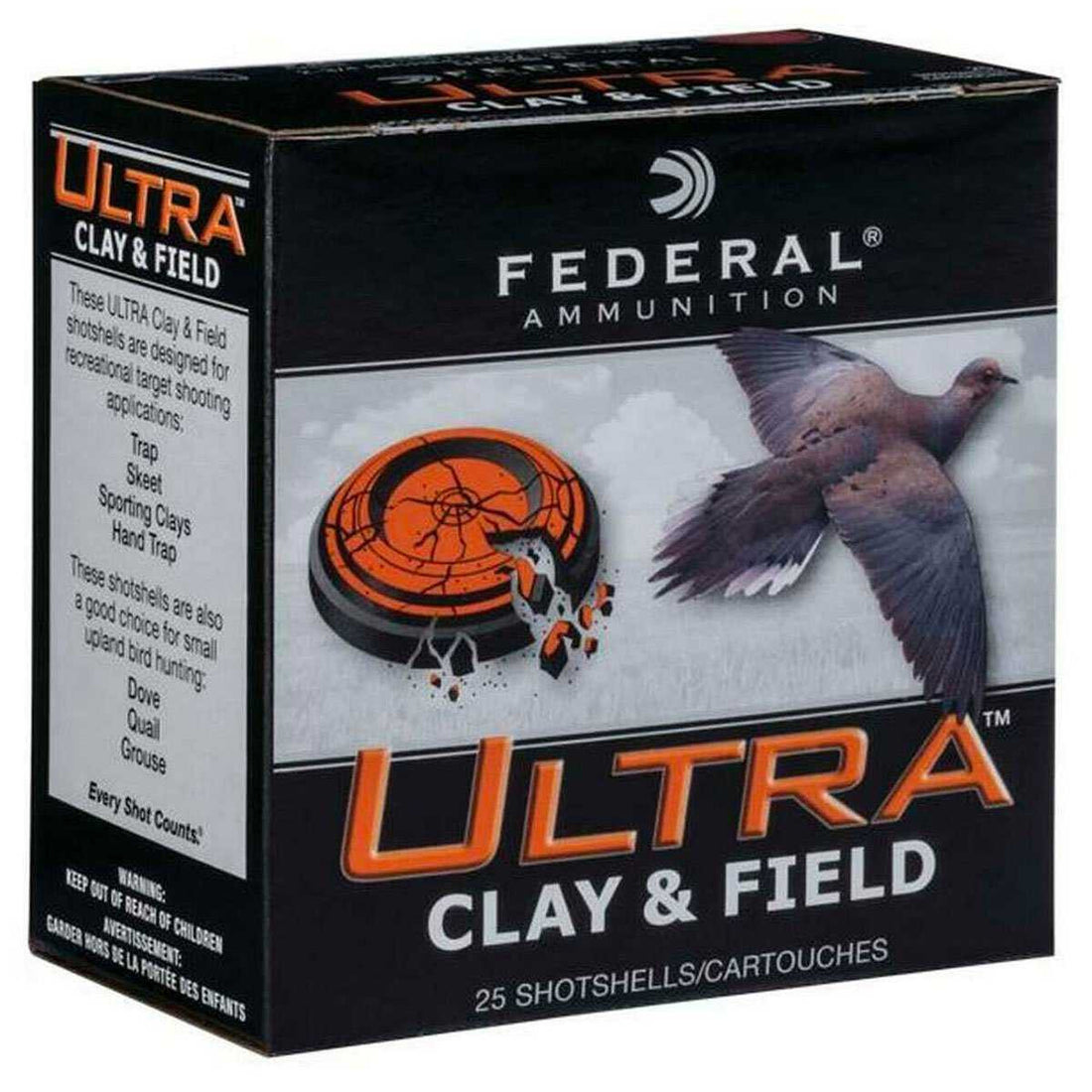
Federal 12 Gauge Ultra Clay & Field 2-3/4" 1 Oz. #8
$10.75
at Pro Armory
Prices accurate at time of writing
Frequently Asked Questions (FAQs)
Are sawed-off shotguns illegal under federal law in the U.S.?
Not automatically. They are regulated under the National Firearms Act. Federal law may allow ownership with proper ATF registration and a Form 4 completed before possession.
Can you own a registered short-barreled shotgun?
Yes, if it is registered as an NFA item and all federal and applicable state requirements are fully satisfied.
Is it illegal to cut down your own shotgun?
Cutting a shotgun without prior ATF approval is a federal offense. Approval must be obtained before any alteration takes place, not after.
Why is a factory-made short shotgun sometimes legal in Canada?
Canadian law distinguishes between factory-made firearms and those altered after manufacture. A factory-made short-barrel shotgun may be non-restricted if it meets specific overall length and action type requirements.
Is a Mossberg Shockwave legally the same thing as a sawed-off shotgun?
No. Under federal law, Shockwave-style firearms may fall into a separate classification because they were never designed or configured as shotguns. State law may still restrict or ban them regardless.
Do state laws matter more than federal law in some cases?
State law can be far stricter than federal law. Federal compliance does not guarantee state compliance. Both must be satisfied independently.
Are sawed-off shotgun laws the same in Canada and the U.S.?
No. The two countries operate under significantly different legal frameworks. Never assume one country's rules apply in the other.
Can interstate transport create extra legal issues for registered NFA firearms?
Yes. NFA firearms such as short-barreled shotguns generally require prior ATF approval before being transported across state lines, typically using ATF Form 5320.20.
About the Author
This article was written by the ProArmory writing team based on current legal research, publicly available regulatory guidance, and general knowledge of U.S. and Canadian firearm law frameworks.
Disclaimer: This article is for educational and informational purposes only. It does not constitute legal advice. Firearm laws vary by state, province, and country, and they change over time. Always consult a qualified attorney in your area before making any decisions related to firearm
Best Ammo Deals, Training, & Accessories
Subscribe to ProArmory sales and deals email.