 Pro Armory Editorial Team
Quick Answer
5.56x45mm is the better all-around choice for most people. It shoots flatter, kicks less, and offers far more ammo options. 7.62x39mm still earns its place for close-range punch and AK-style use. The better round comes down to what you actually plan to do with it.
Key Takeaways
- 5.56x45mm shoots flatter and faster than 7.62x39mm.
- 7.62x39mm fires a heavier, wider bullet.
- 5.56 gives you far more ammo and rifle options.
- 7.62x39mm performs best at short to mid range.
- 5.56 is usually the easier round to shoot accurately.
- The best round depends on your intended use.
You're standing at the gun counter. Two rifles sit side by side. One is an AR-15. The other is an AK. The guy behind the counter is waiting. And suddenly, the old debate fires up again. 5.56 or 7.62x39mm?
This argument has been going on for decades. Both rounds have deep military roots. Both have loyal fans who swear by them. Both can get the job done. But the real question is not which round sounds cooler on paper. It is which one does what you actually need.
This article breaks down the ballistics, recoil, cost, and real-world use of both rounds. No hype. Just honest facts so you can pick the right round for your rifle.
What Is the Difference Between 5.56x45mm and 7.62x39mm?
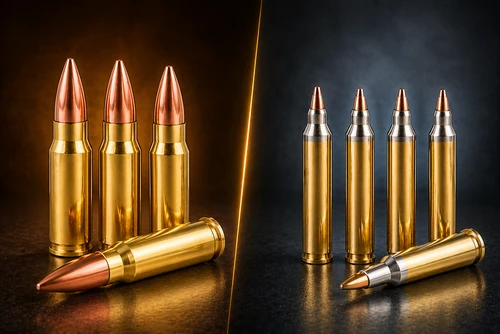
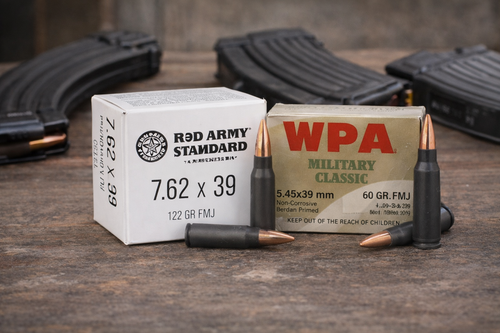
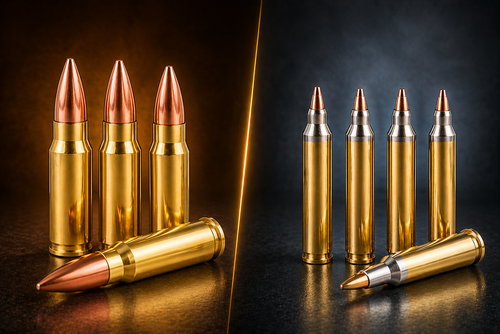
At the most basic level, the difference comes down to size and speed. The 5.56x45mm uses a smaller, lighter bullet that travels at very high speed. The 7.62x39mm uses a wider, heavier bullet that moves at a more moderate pace.
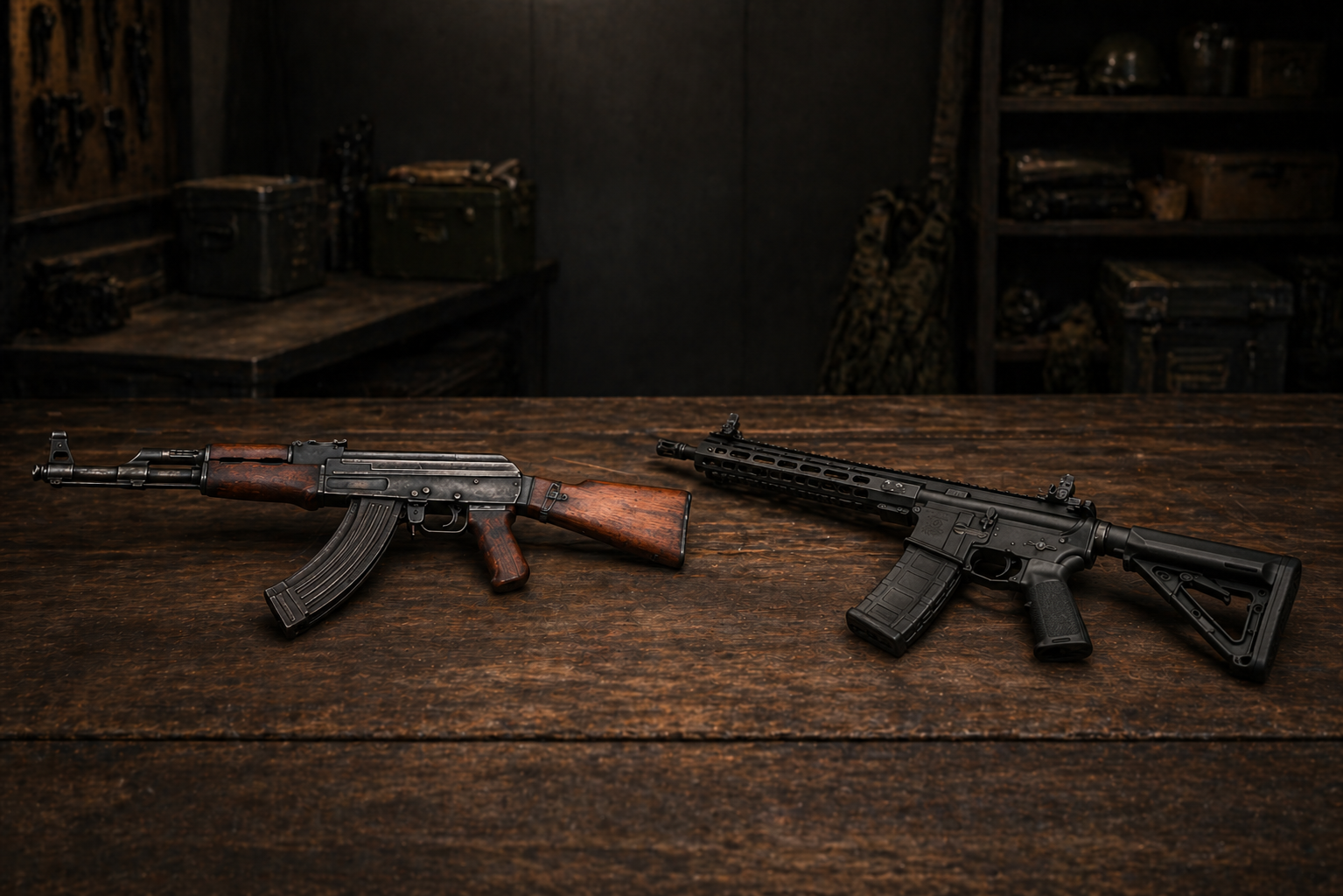
Both are called intermediate cartridges. That means they sit between full-power rifle rounds and pistol ammo. They were each built for military use and shaped two of the most iconic rifles ever made. The AR-15 is most commonly associated with 5.56. The AK platform on the other hand is traditionally associated with 7.62x39mm. Both calibers now appear in a variety of rifle designs. Each round was designed to get the best out of its host rifle. In plain terms, 5.56 is your speed-and-precision option. 7.62x39mm is your weight-and-short-range-impact option. Keep that in mind as we go deeper.
A Brief History of Both Rounds
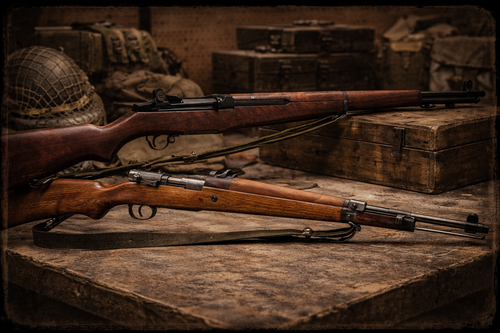
The 7.62x39mm came first. The Soviet Union developed it in 1944, near the end of World War II. The goal was simple: create a cartridge that sat between the heavy rifle rounds of the era and the lighter submachine gun ammo. When the AK-47 came along and entered military service, the 7.62x39mm came with it. The AK spread to over 100 countries, including China and other major powers. That massive reach made 7.62x39mm one of the most recognized cartridges on the planet.
The 5.56x45mm has a different background. It came from the commercial .223 Remington and was built to give soldiers a lighter, more controllable option than the older 7.62x51mm. The United States adopted it through the M16. NATO later standardized it, and the name 5.56 NATO stuck. Allied countries adopted it to share ammo supplies in the field. Both rounds carry real military history, and that history still shapes how people talk about them today.
Which Round Has Better Ballistics?
This is where the gap between the two rounds becomes very clear. A common 123-grain FMJ load in 7.62x39mm leaves the barrel at around 2,350 feet per second. At 300 yards with a 100-yard zero, it drops about 26 inches and holds roughly 550 ft/lbs of energy. That is solid at close range, but the drop grows fast at distance.
The 5.56x45mm tells a different story. A 55-grain M193 load reaches around 3,000 feet per second at the muzzle. At 300 yards with the same zero, the drop is only about 10 inches. Energy typically falls in the 500 to 600 ft/lbs range at that distance depending on barrel length and conditions. Now step up to a heavier Mk262 77-grain OTM load, and velocity sits at around 2,700 feet per second. Energy jumps to about 700 ft/lbs. That is a major advantage.
The 5.56 also has a stronger ballistic coefficient on many loads. It fights wind resistance better and holds energy at longer ranges more effectively. The 7.62x39mm uses .310-inch diameter bullets rather than the industry-standard .308-inch, which limits projectile options from modern ammo manufacturers. For most practical use, 5.56 wins the ballistics section.
Which Round Hits Harder?
When people say "hits harder," they usually mean one of a few things: more recoil, more raw energy, stronger close-range force, or better terminal performance. The answer shifts based on which definition matters most to you.
At close range, 7.62x39mm has a strong reputation. The heavier bullet carries more mass. Many people feel its impact is more decisive up close, and that feeling has real roots. A heavier projectile at moderate velocity can deliver strong momentum and penetration at short distances. But the 5.56 is no pushover. High velocity plays a huge role in how a round performs on target. The kinetic energy formula is based on half the mass times velocity squared. Speed matters enormously. A lighter bullet moving much faster can deliver massive energy. With modern load designs like bonded soft points and OTM rounds, 5.56 can perform very effectively. But performance can still depends heavily on specific ammunition selection.
Which Round Has Less Recoil and Better Shootability?
5.56x45mm has noticeably less recoil than 7.62x39mm. Less recoil means faster follow-up shots. It means better control during long training sessions. It also means less fatigue over a full day at the range. These things add up quickly.
7.62x39mm has more push. Not brutal by any means, but you feel it more with each shot. For newer or less experienced people, that difference can affect accuracy and comfort over time. In AR-15 platforms, 5.56 is usually the easier round to shoot well. Consistent hits come faster and more naturally with less effort.
Which Round Is Better for Range and Training?
5.56 has a clear edge for range and training use. Lower recoil, a flatter path, and a broad range of load options make it easy to build skills and run drills. The large selection of 5.56 and .223 Remington ammo means you can find the right load for any drill or distance.
7.62x39mm still works fine for training, especially if you shoot AK-pattern rifles and want to stay sharp with your platform. It just offers less flexibility in load selection. One thing worth noting: some ranges ban steel-cased and bi-metal ammo. Always check your local range rules and follow manufacturer guidelines before loading up.
Which Round Is Cheaper and Easier to Find?
Here is where things have changed a lot. 7.62x39mm used to be the go-to cheap blasting round. That advantage has shrunk considerably. Steel-cased versions of both rounds now cost about the same, sitting around $0.35 to $0.40 per round. Brass-cased 5.56 runs roughly $0.38 to $0.60 per round. Brass 7.62x39mm is harder to find and often costs $0.50 to $0.70 per round.
Beyond price, availability has also shifted. Import restrictions, supply chain problems, and changing market demand have reduced how many 7.62x39mm brands appear on store shelves. The majority of 7.62x39mm is steel-cased, and brass casings are not as plentiful. This limits options for those who reload ammo. 5.56 production has outpaced 7.62x39mm in recent years. For most buyers, 5.56 is simply easier to stock up on from a wider pool of brands.
Rifle Platform Differences: AR-15 vs. AK-47 and Beyond
5.56x45mm thrives in the AR-15 ecosystem. The platform offers massive aftermarket support, easy optics, wide parts availability, and strong crossover into competition and training. The round and platform were built for each other.
7.62x39mm is at home in the AK platform. The AK has a well-earned reputation for rugged use and a simple manual of arms. Many people simply love the AK experience, and 7.62x39mm is inseparable from that. But the old rule that ties each round to one rifle is no longer absolute. You can find AR-15 pattern rifles chambered in 7.62x39mm. You can also find AK-style rifles built for 5.56. There are even hybrid designs that take AK magazines in an AR-style body. The point is clear: your ammo choice and your rifle choice do not have to be locked together anymore.
Is 5.56x45mm or 7.62x39mm Better for Self-Defense?
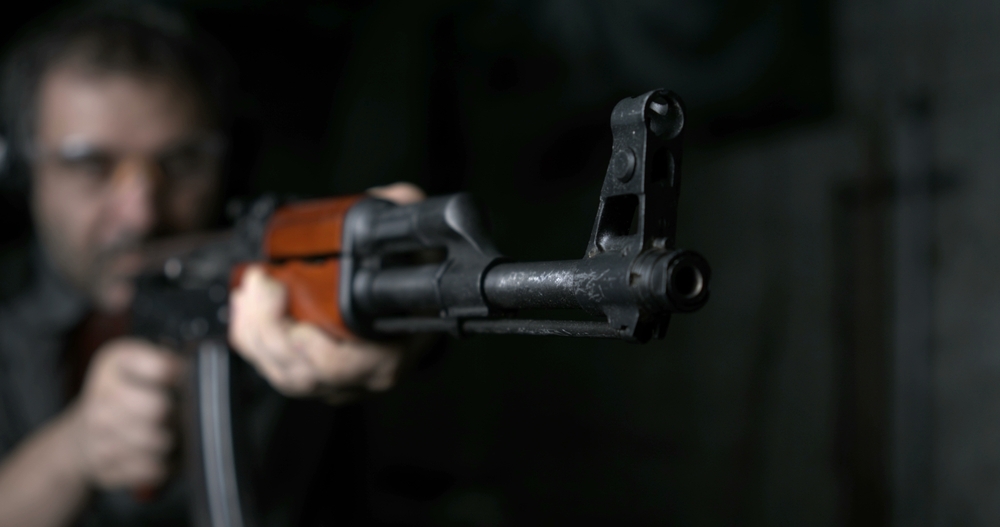
Start here: training, local laws, and proper handling matter far more than which round you pick. Check your local regulations before setting up any defensive rifle.
5.56 offers lower recoil for faster follow-up shots and a wide range of defensive load options. Lower recoil and controllability are more relevant advantages in close-quarters scenarios. 7.62x39mm brings a heavy bullet and a solid close-range reputation. Both can serve defensive roles effectively. Accurate shot placement and choosing a quality defensive load will always matter more than the caliber debate.
Pros and Cons of 5.56x45mm
Pros:
- Flatter trajectory
- Lighter recoil
- Better long-range performance
- More ammo variety
- Easier to shoot accurately
- Better platform support
Cons:
- Lighter bullet may feel less substantial to some people
- Performance depends heavily on load choice
- Some buyers simply prefer a larger caliber on principle
Pros and Cons of 7.62x39mm
Pros:
- Heavier bullet
- Strong short-range reputation
- Excellent match for AK-pattern rifles
- Familiar and proven cartridge design
Cons:
- More drop at distance
- Less ammo variety
- Brass options are less common
- Less flexible for precision-focused use
5.56x45mm vs. 7.62x39mm Quick Comparison Table
| Feature | 5.56×45mm | 7.62×39mm |
|---|---|---|
| Bullet Style | Smaller, lighter | Larger, heavier |
| Velocity | Higher | Lower |
| Trajectory | Flatter | More drop |
| Recoil | Lighter | Heavier |
| Long-Range Use | Better | More limited |
| Ammo Variety | Wider | Narrower |
| Platform Identity | AR-15 | AK-47 |
| Best Fit | Range, training, all-around use | Short-range impact, AK platforms |
Which Round Is Better for You?
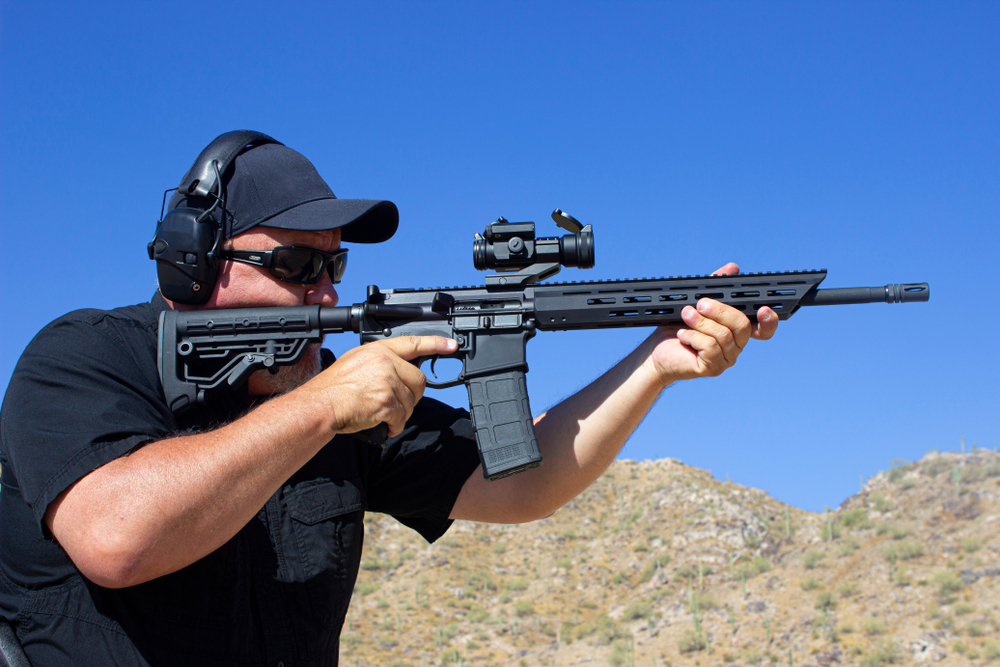
Choose 5.56x45mm if you want:
- Better range performance
- Easier recoil control
- More rifle and ammo options
- Strong all-around flexibility
Choose 7.62x39mm if you want:
- A heavier bullet
- A classic AK-style experience
- Strong short-range performance
- A platform-driven choice
For most people shooting today, 5.56x45mm is the more practical all-around pick. It is flatter, faster, easier to control, and better supported in today's market.
The 7.62×39 vs 5.56 debate ultimately comes down to how you plan to use your rifle—power and simplicity vs precision and versatility. Understanding the platforms behind each cartridge is just as important as the ammo itself.
To dive deeper, check out Best AK-47 Rifles Review and Buying Guide and AR-15 Setup Guide to explore both systems in detail.

PMC X-TAC 5.56 NATO 62gr Green Tip
$20.00
at Pro Armory
Prices accurate at time of writing
Frequently Asked Questions (FAQs)
Is 5.56x45mm stronger than 7.62x39mm?
It depends on how you measure it. In velocity and long-range performance, 5.56 often has the advantage. It can depend on the load and conditions. In bullet weight and close-range mass, 7.62x39mm has the edge.
Does 7.62x39mm hit harder than 5.56?
At close range, many people feel 7.62x39mm has a stronger impact due to the heavier bullet. But with the right 5.56 load, the energy numbers can be similar or even higher.
Which has more recoil, 5.56 or 7.62x39mm?
7.62x39mm has more felt recoil. 5.56 is noticeably softer to shoot.
Is 5.56 better for home defense?
It can be a strong option, especially with quality defensive loads and a solid rifle setup. Always check local laws and train regularly.
Is 7.62x39mm good for hunting?
It can work for medium-sized game at short to moderate ranges. Check your local hunting regulations and use expanding ammunition.
Which round is cheaper today?
Prices are now close. Steel-cased versions of both run around $0.40 to $0.60 per round. Brass-cased 5.56 is easier to find and often more affordable than brass 7.62x39mm.
Can an AR-15 shoot 7.62x39mm?
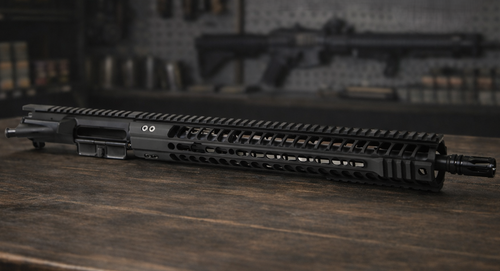
Some AR-15 pattern rifles are specifically built for 7.62x39mm. A standard 5.56 AR-15 cannot swap to 7.62x39mm without a dedicated upper receiver and magazine system.
Is 5.56 more accurate than 7.62x39mm?
In most cases, yes. The flatter trajectory and wider load selection give 5.56 an accuracy edge, especially at longer distances.
Conclusion
Neither round is the clear winner in every situation. That is just the truth. For most people shooting today, 5.56x45mm is the smarter all-around pick. It shoots flatter, kicks less, gives you more ammo choices, and fits a platform with strong market support. 7.62x39mm still earns genuine respect for its heavier bullet, proven close-range performance, and deep ties to the AK platform. It is not going anywhere.
Match the round to your actual needs. Know your range. Know your rifle. Know your purpose. From there, the choice gets much simpler. Explore ProArmory's rifle ammo guides and platform comparisons to find the right setup for your next range day.
About the Author
This article was written by the ProArmory writing team based on current product research, ballistic data, and industry knowledge surrounding rifle cartridges and practical shooting applications.
Disclaimer: This article is for informational and educational purposes only. Always follow local, state, and federal laws regarding firearm and ammunition use. Handle all firearms safely and responsibly. ProArmory does not provide legal advice. Consult a qualified professional before making decisions about self-defense ammunition or firearm selection.
Best Ammo Deals, Training, & Accessories
Subscribe to ProArmory sales and deals email.