 Pro Armory Editorial Team
Since humans first picked up weapons, we’ve also searched for ways to protect ourselves from them. As firearms evolved from crude black powder tools into modern, high-velocity systems, armor technology has advanced right alongside them. Today, modern materials science offers civilian-accessible body armor that is lighter, stronger, and more effective than ever before.
Body armor is no longer limited to military or law enforcement use. Civilians across the country choose armor for a wide range of reasons, including work, outdoor activities, home defense, and general preparedness. When used appropriately, body armor adds an extra layer of protection that can make a life-saving difference in unexpected situations.
Civilian body armor is something you may be grateful to have if:
-
You find yourself in an unfamiliar or unsafe area
-
A hunting accident or negligent discharge occurs nearby
-
Your job puts you around crowds, nightlife, or volatile environments
-
A private sale or meetup takes a dangerous turn
-
You’re caught in a violent public incident
-
A true emergency unfolds without warning
That said, armor is not magic. It has limitations, tradeoffs, and very specific use cases. A full-body suit of ballistic armor may sound appealing, but practicality, mobility, and threat realism matter far more than novelty. In this guide, we’ll break down how body armor works, what civilians should consider before buying, and some of the best civilian body armor options available today.
What Is Civilian Body Armor?
Civilian body armor is wearable protective equipment designed to reduce or prevent penetration from ballistic threats, edged weapons, or fragmentation. Its primary purpose is simple: place a durable protective barrier between a threat and your vital organs while allowing you to move, breathe, and function as normally as possible.
Modern civilian armor systems range from soft ballistic panels made of advanced fibers to rigid hard plates capable of stopping rifle rounds. Some systems also incorporate stab- and slash-resistant materials. The right setup depends entirely on the environment you’re in and the realistic threats you’re trying to prepare for. There is no universal solution, and buying armor without understanding its role often leads to poor outcomes.
It’s important to understand what body armor does and does not do. Armor does not make you bulletproof or invincible. Even when a round is stopped, the energy transfer can still cause serious blunt-force injuries such as bruising, cracked ribs, or internal trauma. Think of body armor the way you would a seatbelt or motorcycle helmet — it dramatically improves survivability, but it doesn’t eliminate risk.
For civilians, body armor is best viewed as risk mitigation, not risk elimination. In many scenarios, armor can mean the difference between surviving an incident and suffering a fatal injury. It buys you time, options, and the chance to escape or receive medical care — which is often all that matters.
Advancements in materials like aramid fibers, polyethylene, ceramic composites, and modern steel alloys have made today’s civilian armor lighter, thinner, and more wearable than ever before. As a result, body armor has become more accessible and practical for everyday people who want an added layer of protection in uncertain environments.
Understanding these fundamentals is critical before choosing any armor system. Once you know what body armor is designed to do — and where its limitations lie — you can make an informed decision about whether it fits your personal safety plan.
How Does Body Armor Work?
Body armor works by managing and dissipating the energy of an incoming threat before it can penetrate vital areas of the body. Instead of relying on a single solid barrier, modern armor systems spread impact forces across a wider surface area, slowing or deforming the projectile and reducing its ability to cause fatal injury.
Soft body armor achieves this through multiple layers of tightly woven or laminated fibers such as aramid or polyethylene. When a bullet strikes these layers, the fibers stretch and absorb energy, trapping or flattening the projectile while distributing the force outward. This process reduces penetration but does not eliminate blunt-force trauma, which is why even stopped rounds can still cause serious injuries.
Hard armor works differently. Plates made from ceramic, steel, or composite materials stop threats by breaking or deforming the projectile itself. Ceramic plates shatter on impact, destroying the bullet and dispersing its energy into a backing layer. Steel plates rely on hardness and thickness to stop penetration, often supplemented by anti-fragment coatings to reduce spall. Composite and polyethylene plates combine these approaches to balance weight, durability, and protection.
Different materials are optimized for different threats. Bullets carry extremely high velocity and energy, requiring materials that can absorb or disrupt that energy rapidly. Knives and spikes, while slower, concentrate force on a very small point and can slip between fibers, which is why stab-resistant armor uses different construction methods and materials.
It’s also important to understand that armor performance is affected by factors such as projectile velocity, bullet construction, angle of impact, and distance. No armor guarantees protection in every scenario. Instead, armor is designed to meet specific performance standards against defined threats, which is why protection levels matter.
When used correctly, body armor significantly increases survivability by preventing catastrophic penetration and giving the wearer valuable time to escape, seek cover, or receive medical attention. Understanding how armor manages energy and why different designs exist helps ensure you choose equipment that matches realistic risks rather than assumptions.
Types of Body Armor
Body armor is not a single product category. It comes in several forms, each designed to address specific threats, environments, and mobility requirements. Understanding the different types of armor is critical, especially for civilians, since wearing the wrong system can be just as problematic as wearing none at all.
Below are the primary types of body armor you’ll encounter when shopping, along with how they’re typically used in civilian contexts.
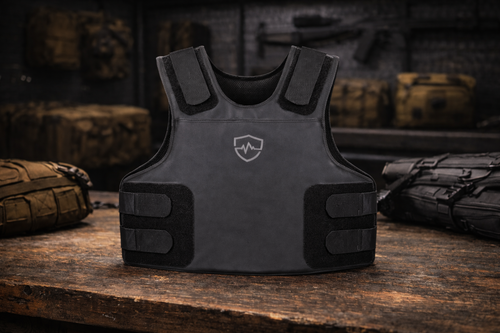
- Ballistic vest: Soft ballistic armor is typically constructed from layered aramid or polyethylene fibers and is designed to stop most handgun threats. These vests are lightweight, flexible, and comfortable enough for extended wear, making them the most common choice for civilian use.
Soft armor excels in situations where concealability and mobility matter more than maximum protection. However, it is not designed to stop rifle rounds and offers limited protection against edged or pointed weapons unless specifically rated for those threats.
- Ballistic vest with plates: This setup combines soft armor with rigid plates inserted into front and back pockets. The soft armor stops handgun threats and fragmentation, while the plates add protection against rifle rounds.
While this configuration significantly increases protection, it also adds weight and bulk. For civilians, this setup makes sense only when there is a clearly defined rifle threat, such as rural property defense or certain security roles.
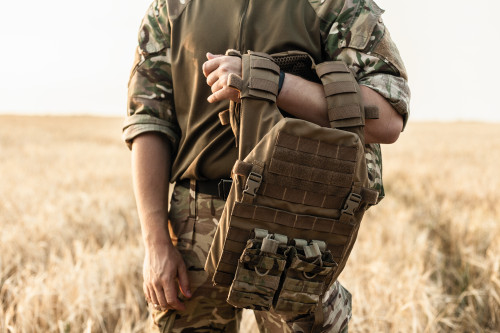
- Plate carrier: Plate carriers are minimalist systems designed to hold hard armor plates only, with little or no soft armor coverage. They prioritize mobility and modularity, often featuring MOLLE webbing for attaching gear.
Because plate carriers lack soft armor coverage, they leave large areas of the torso unprotected from handgun threats. For most civilians, this makes them less practical unless mobility and rifle protection are the primary concerns.
-
Stab-Resistant Armor: Stab-resistant armor is designed to defeat knives, spikes, and sharp-edged weapons rather than bullets. These systems use different materials and construction methods because edged weapons concentrate force into a much smaller area.
It’s important to understand that stab-resistant armor is not automatically ballistic, and ballistic armor is not automatically stab-resistant.
- Bullet-resistant clothing: Bullet-resistant clothing integrates soft armor panels into everyday garments such as hoodies, jackets, shirts, and pants. The goal is to provide protection without drawing attention or requiring overt armor.
These garments offer similar ballistic performance to soft armor vests but typically cover a smaller area.
- Bullet-resistant accessories: Armored accessories such as backpacks, briefcases, and laptop sleeves provide portable ballistic protection without requiring the user to wear armor directly. These items can be repositioned to shield vital areas during an emergency and are especially useful in public or travel environments.
Each type of body armor represents a balance between protection, comfort, mobility, and concealability. For civilians, the most effective armor is not the heaviest or highest-rated option — it’s the one you’re realistically willing and able to use.
Body Armor Protection Levels
Body armor is rated according to standardized threat levels established by the National Institute of Justice (NIJ), which is the testing authority used by law enforcement and manufacturers across the United States. These ratings indicate the specific types of threats an armor system is designed to stop when properly manufactured and tested. Understanding these levels is critical, because higher-rated armor is not always the best choice for civilian use.
Level IIA
Level IIA is the lightest and most concealable ballistic armor available. It is designed to stop lower-energy handgun rounds, including 9mm and .40 S&W at reduced velocities. While better than no protection at all, Level IIA armor offers limited defensive capability compared to higher levels and is less commonly recommended today due to advancements in ammunition performance.
This level is primarily used when maximum concealability and comfort are required, and the anticipated threat is minimal.
Level II
Level II armor provides increased protection over Level IIA and is designed to stop common handgun rounds such as 9mm and .357 Magnum. It offers a good balance between protection, weight, and comfort, making it suitable for extended wear.
While Level II armor can stop many handgun threats, it is still vulnerable to higher-velocity handgun rounds and offers no protection against rifle fire.
Level IIIA
Level IIIA is the most commonly recommended protection level for civilian body armor. It is designed to stop nearly all handgun threats, including .44 Magnum and high-velocity 9mm rounds, as well as most shotgun threats.
This level offers the best balance of protection, comfort, mobility, and concealability for civilians. It is widely used by law enforcement and private security and is often integrated into soft armor vests, bullet-resistant clothing, and armored backpacks.
Level III
Level III armor is designed to stop rifle rounds, specifically intermediate calibers such as 7.62x51mm NATO (M80 ball). This level of protection requires hard armor plates made from steel, ceramic, polyethylene, or composite materials.
While Level III armor offers substantial protection, it is significantly heavier and bulkier than soft armor. For civilians, Level III armor is best suited for situations where a rifle threat is realistic and mobility requirements are limited.
Level III+
Level III+ is not an official NIJ rating. Instead, it is a manufacturer designation used to indicate armor that exceeds standard Level III requirements, often including protection against higher-velocity 5.56x45mm rounds.
Because III+ is not standardized, performance varies by manufacturer. Civilians considering III+ armor should carefully review independent test data and published threat profiles rather than relying on the label alone.
Level IV
Level IV is the highest level of ballistic protection available and is designed to stop armor-piercing rifle rounds. This level requires ceramic or composite plates and offers maximum protection at the expense of weight, cost, and mobility.
Level IV armor is generally unnecessary for civilian use unless there is a highly specific and credible threat involving armor-piercing ammunition.
Choosing the Right Protection Level
For most civilians, Level IIIA soft armor provides the most practical and effective protection. Higher protection levels introduce tradeoffs in weight, comfort, and mobility that may reduce overall effectiveness in real-world scenarios. The goal is not to wear the strongest armor available, but to wear armor that matches realistic threats and allows you to function effectively if something goes wrong.
Civilian Body Armor Buying Considerations
Choosing body armor as a civilian is not about buying the highest-rated or most aggressive system available. It’s about selecting protection that aligns with your environment, lifestyle, and realistic risk profile. The armor needs of a homeowner, hunter, security professional, or everyday commuter can differ dramatically, and no single setup works for everyone.
Most civilian armor decisions come down to managing tradeoffs between protection, comfort, mobility, and practicality. Before making a purchase, consider the following factors carefully.
Type of Threat
The most important consideration is identifying the threats you are most likely to encounter. Handgun violence, edged weapons, accidental discharges, and fragmentation are far more common civilian risks than sustained rifle fire. Your armor should be rated to stop the threats you realistically face, not hypothetical worst-case scenarios.
Protection Level
Armor must be properly rated for the threats you want protection against. Higher protection levels offer more stopping power but come with increased weight and reduced mobility. For most civilians, Level IIIA soft armor provides the best balance of protection and wearability. Choosing armor that is too heavy or restrictive can reduce your ability to move, escape, or respond effectively.
Weight
Weight has a direct impact on comfort, endurance, and mobility. Heavier armor can lead to faster fatigue, reduced agility, and limited situational awareness. If you plan to wear armor for extended periods or during physical activity, weight becomes a critical factor in overall effectiveness.
Comfort
Armor that is uncomfortable will not be worn consistently. Fit, ventilation, padding, and adjustability all influence comfort, especially during long periods of wear. A vest that digs into your shoulders or traps heat will quickly become a liability rather than an asset.
Mobility
Armor should protect you without preventing movement. Activities such as running, crouching, climbing, driving, or navigating tight spaces can be significantly affected by bulky or rigid armor systems. In many situations, mobility is just as important as ballistic protection.
Concealability
Concealability may or may not matter depending on your use case. For home defense or rural property protection, visibility is less important. For public environments, workplaces, or everyday wear, discreet armor that blends with normal clothing is often preferable. Armor that draws attention can create additional risks or unwanted interactions.
Cost
Quality body armor is an investment. Higher-end materials can offer better protection at lower weight, but they also come at a higher price. Rather than focusing on cost alone, consider long-term durability, comfort, and reliability. Cutting corners on protective equipment is rarely worth the risk.
Warranty and Certification
Reputable manufacturers stand behind their products with solid warranties and clear testing documentation. Armor should be independently tested and certified to recognized standards. Because armor is life-saving equipment, quality control and manufacturer accountability matter.
Legal Considerations
Body armor laws vary by state and can change over time. While body armor is legal for civilian ownership in most states, restrictions may apply to certain individuals or purchasing methods. Always verify local and state laws before purchasing armor to ensure compliance.
Our Picks for the Best Civilian Body Armor
To help you choose the right options for you, here’s our list of the best civilian body armor pieces you can find at reasonable prices:

Testudo™ Gen 2 Plate Carrier
$189.99
Testudo™
Prices accurate at time of writing
Best Plate Carrier: Armored Republic Testudo Gen 2
The Testudo Gen 2 Plate Carrier is a strong option for civilians who want modular protection without sacrificing comfort or adjustability. It is designed to support hard armor plates while maintaining a relatively streamlined profile, making it suitable for home defense, rural property protection, or training use.
One of the standout features of the Testudo Gen 2 is its adjustability. The cummerbund and shoulder straps accommodate a wide range of body types, allowing the carrier to be worn securely without excessive movement. Padding in key contact areas improves comfort during extended wear, which is often overlooked in plate carrier design.
It’s important to note that this is a carrier only. To function as ballistic armor, it must be paired with appropriate plates. For civilians, this carrier makes the most sense when there is a realistic rifle threat or when armor may be staged for emergency use rather than worn all day.
Key Specs
-
Plate Compatibility: 10x12” and 11x14” plates (sold separately)
-
Material: 500D Nylon
-
Weight: Approximately 3.6 lbs (carrier only)
-
Size Range: M to 3XL
-
Use Case: Home defense, rural property, training

A2 - Alloy Body Armor
$166.80
Armored Republic
Prices accurate at time of writing
Best Armor Plate: A2 Alloy Level III+ Plate (10" x 12")
The A2 Alloy Level III+ Plate offers a practical balance of rifle protection, durability, and weight for civilians who choose to run hard armor. Constructed from a high-hardness ballistic steel alloy, this plate is designed to withstand multiple impacts while maintaining structural integrity.
The A2 Alloy plate includes a FragLock™ coating, which helps reduce bullet fragmentation and spall. While steel plates are heavier than ceramic or polyethylene alternatives, they offer long service life and do not degrade over time, making them appealing for staged or infrequently worn armor setups.
This plate is best suited for users who prioritize durability and cost efficiency over ultra-lightweight performance. It pairs well with carriers like the Testudo Gen 2 for defensive scenarios where rifle threats are plausible.
Key Specs
-
Protection Level: Level III+ (manufacturer rated)
-
Threats: 5.56x45 M193, M855, 7.62x39, 7.62x51 M80
-
Thickness: 0.26 inches
-
Weight: Approximately 6.5 lbs
-
Shelf Life: 20 years

Best Concealable Body Armor: SafeGuard CoolMAX Covert Vest
The SafeGuard CoolMAX Covert Vest is an excellent option for civilians who need discreet protection that can be worn under everyday clothing. Designed for low-profile use, it prioritizes comfort, breathability, and concealability without sacrificing essential protection.
This vest provides both ballistic and stab resistance, making it suitable for environments where close-contact threats are a concern. The CoolMAX mesh lining improves airflow and moisture control, which is especially important for extended wear in warm conditions.
For civilians working in public-facing roles or those who want protection without drawing attention, this vest offers a practical solution.
Key Specs
-
Ballistic Protection: Level II
-
Stab Protection: Up to 24 joules
-
Materials: Aramid, poly-cotton blend
-
Size Range: S to 4XL
-
Use Case: Discreet daily wear, security, public environments
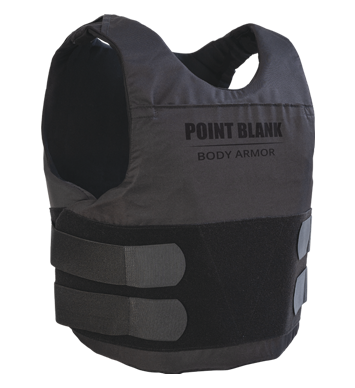
Best Soft Body Armor: Point Blank Vision Series
The Point Blank Vision Series is a well-proven soft armor system widely used by law enforcement and equally suitable for civilian applications. It offers Level IIIA protection in a lightweight, flexible package that balances comfort and coverage.
Constructed from advanced Dyneema materials, the Vision Series is designed for long-term wear and effective moisture management. Adjustable straps and multiple cut options ensure a secure fit across different body types, including male, female, and unisex configurations.
For civilians seeking maximum handgun protection without the weight and bulk of plates, this is one of the most reliable options available.
Key Specs
-
Protection Level: NIJ Level IIIA
-
Materials: Dyneema force multiplier material
-
Design: Concealable soft armor
-
Optional Feature: Thorshield® electroshock resistance
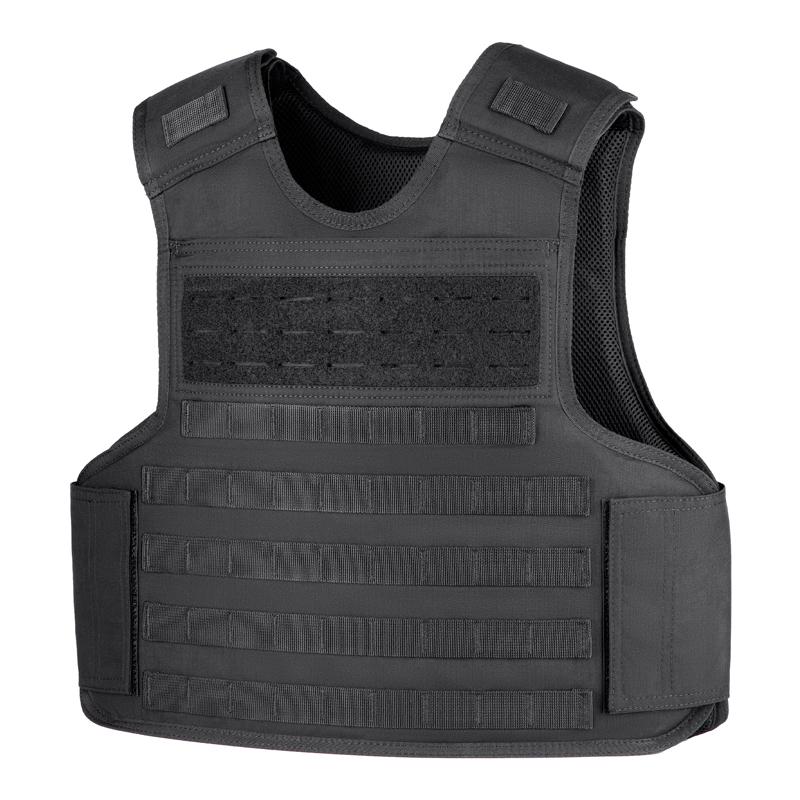
Best Maximum Protection: Safe Life Defense Tactical Enhanced Multi-Threat Vest
The Safe Life Defense Tactical Enhanced Multi-Threat Vest is designed for civilians who want comprehensive protection against multiple threat types. It combines high-level ballistic resistance with stab and slash protection, making it suitable for high-risk defensive roles.
This vest offers Level IIIA+ ballistic protection and supports optional hard armor plates for increased capability. Its MOLLE webbing allows for modular gear attachment, while adjustable straps and a breathable liner improve wearability during extended use.
This vest is best suited for staged home defense, security work, or environments where multiple threat types may be present.
Key Specs
-
Ballistic Protection: Level IIIA+
-
Stab Protection: Up to 36 joules
-
Materials: Para-aramid
-
Size Range: 4XS to 7XL
-
Features: MOLLE webbing, drag handle, plate pockets
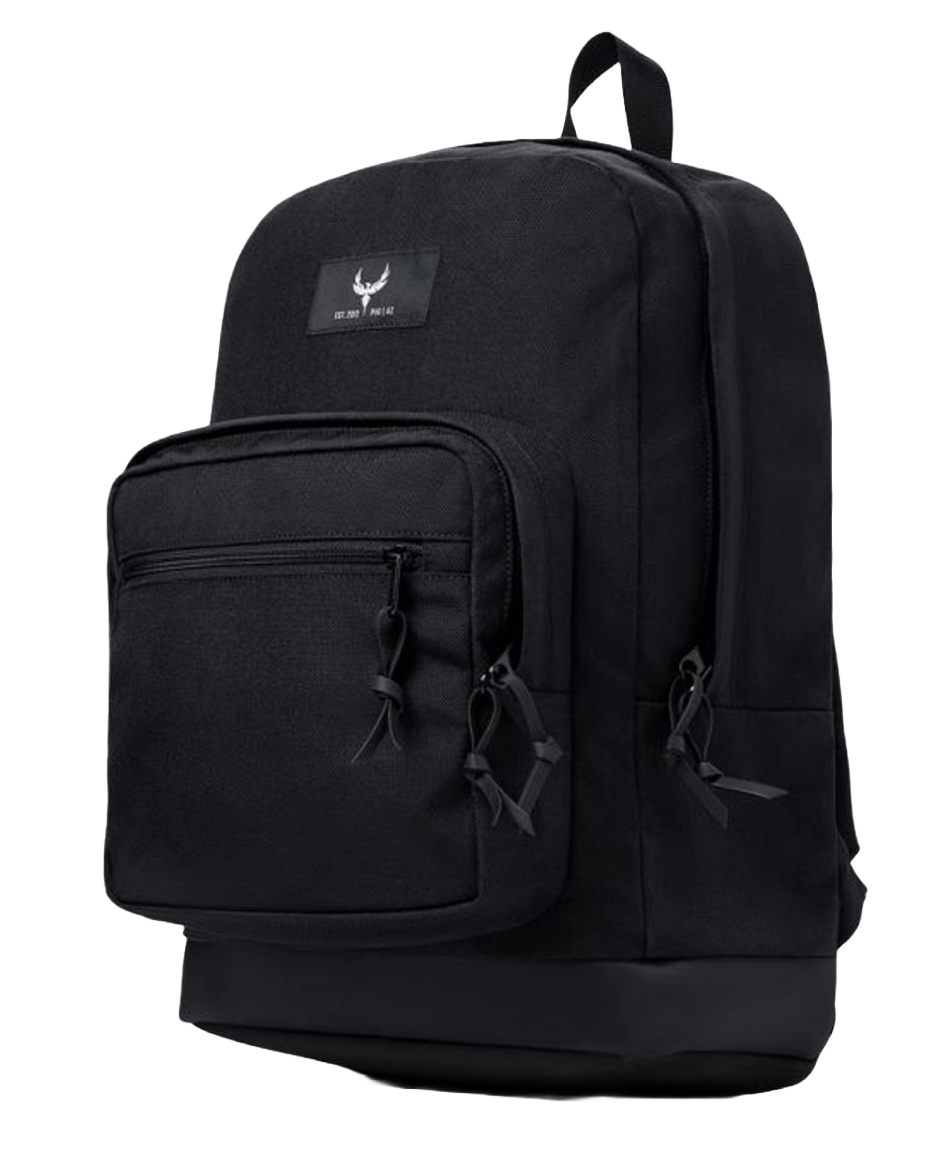
Best Armored Backpack: Armored Republic Phoenix
The Armored Republic Phoenix Backpack provides discreet ballistic protection in a form factor that blends seamlessly into everyday life. With Level IIIA ballistic material integrated into the bag, it offers meaningful protection without requiring the user to wear armor directly.
Weighing approximately 3 pounds, the Phoenix is light enough for daily carry and includes practical features such as padded shoulder straps and a laptop sleeve that doubles as an armor pocket. This makes it a strong choice for commuting, travel, or family preparedness.
Key Specs
-
Ballistic Protection: Level IIIA
-
Materials: Kevlar, Spectra Shield, 1680D Cordura
-
Weight: Approximately 3 lbs
-
Shelf Life: 5 years
-
Use Case: Travel, commuting, public spaces
Conclusion
Body armor is not about paranoia or preparing for the end of the world. It’s about acknowledging that unexpected situations happen and taking reasonable steps to improve your chances of walking away from them. For civilians, body armor is a risk-management tool — one that can buy time, reduce injury, and create options when things go wrong.
The most important takeaway is that more protection is not always better. The best body armor is the armor that fits your environment, your lifestyle, and your realistic threat profile. Heavy, overbuilt armor that never gets worn offers no protection at all, while well-chosen armor that balances coverage, comfort, and mobility can make a meaningful difference in an emergency.
Modern civilian body armor is lighter, more comfortable, and more accessible than ever. From discreet soft armor and armored backpacks to modular plate carriers for higher-risk scenarios, there are options available for nearly every use case. The key is understanding what each system is designed to do — and just as importantly, what it isn’t.
Before buying, take the time to assess how and where you plan to use your armor, verify protection ratings, confirm legal compliance, and choose reputable manufacturers with proven testing and warranties. Armor is life-saving equipment, and quality matters.
If you’re ready to explore reliable, civilian-appropriate options, you can view our curated selection.
Preparedness doesn’t mean living in fear. It means making informed choices, staying adaptable, and giving yourself the best possible chance to respond effectively when the unexpected happens. When chosen wisely, civilian body armor becomes one more layer of confidence — not because you expect danger, but because you’re ready if it finds you.
Best Ammo Deals, Training, & Accessories
Subscribe to ProArmory sales and deals email.