 Pro Armory Editorial Team
Quick Answer
The USUSFA ZIP .22LR looks futuristic and uses Ruger 10/22 magazines, but it fails at the one job a plinker must do. It tends to misfire, jam, double feed, and struggle to eject, often within a few rounds. The front charging handle placement also raises safety concerns. It can be accurate when it runs, yet it is mostly a collector curiosity, not a range tool.
Key Takeaways
- It often malfunctions within 2-3 rounds
- Charging near the muzzle creates safety risk
- It can shoot straight when it actually cycles
- The concept sounded fun. The execution fell apart
- It fits collectors, not practical range use
The USFA ZIP .22LR arrived with big promises and a sci-fi look. Its $200 price tag tempted many gun fans looking for a fun range toy. But dreams quickly crash when a gun can't fire more than a few rounds without jamming. The ZIP became famous for all the wrong reasons – constant malfunctions, safety concerns, and an experience that tests patience more than shooting skills.
USFA Before the ZIP

Before the ZIP fiasco, USFA (United States Firearms Manufacturing Company) had built a rock-solid reputation as a maker of excellent Colt revolver replicas. They focused on classic cowboy-style single-action platforms that earned respect from shooting communities. These guns stood out for three key traits: high quality, American-made craftsmanship, and prices that beat authentic Colts.
The company enjoyed popularity among Single Action Shooting Society members who found USFA guns perfect for competition. The brand represented quality and value in a niche market that appreciated traditional firearms done right.
By the early 2010s, everything changed.. The company owner decided to pivot from looking backward to peering far into the future. USFA bet big on a space-age design that abandoned their proven expertise. This shift would prove fatal to the company's future.
What the ZIP .22LR Was Trying to Be
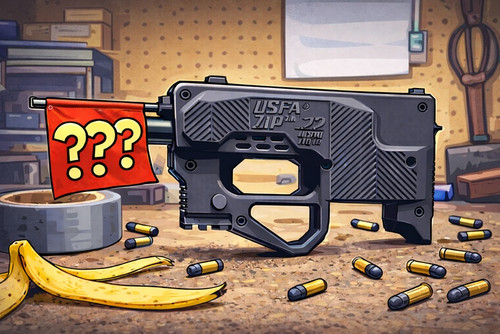
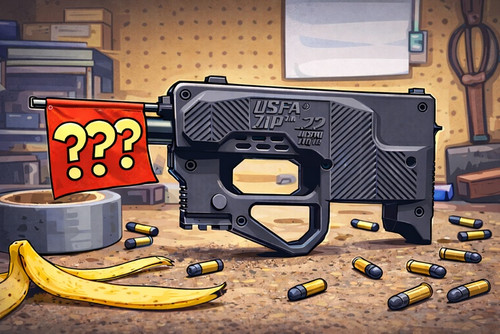
The ZIP .22LR aimed to be a bullpup-inspired handgun layout built around easy-to-find Ruger 10/22 magazines. The design screamed "future tech" with its blocky polymer body and unusual layout. At about $200, it promised affordable plinking fun in a package that looked straight out of a sci-fi movie prop department.
USFA marketed the ZIP with promises of expansion options. Users could supposedly add optics rails, a stock kit for SBR conversion, and even a rail attachment to mount it under another gun. It wasn't trying to replace your defensive pistol – it just wanted to be a fun range toy with a dash of space-marine aesthetic.
The design caught attention because it truly looked different from anything else on the market. Its polymer construction kept weight down, and the ability to use common magazines seemed like a smart choice. The company even included two springs so users could switch between normal loads and hotter CCI Stinger rounds. On paper, it sounded like a quirky but potentially fun plinker.
How the ZIP Was Introduced and Why People Got Curious
The marketing rollout for the ZIP began strangely – with a low-quality YouTube video calling it an "Unidentified Firing Object." This attempt at viral marketing fell flat but still generated curiosity in the firearms community. The mysterious video appeared on The Firearm Blog in June 2012, uploaded by a suspiciously generic "John Smith."
By November 2012, the gun was officially announced through another tip to The Firearm Blog. The unusual design and low price point got people talking. A space-gun .22 for $200? That sounded like a fun addition to anyone's collection.
The first public handling happened at SHOT Show 2013, where problems immediately surfaced. When journalists couldn't get the guns running properly, USFA blamed the cold weather. Even more telling? They packed up early and left Range Day rather than continue demonstrating their new flagship product.
Who This Gun Was Supposed to Be For
The ZIP .22LR targeted buyers who wanted something different for casual range sessions. Its futuristic design appealed to collectors of unusual firearms and those who enjoy conversation starters. The low price made it accessible as a secondary gun, not a primary shooter.
This wasn't meant for competitive shooters or those needing a training tool. It pitched itself as pure plinking fun – a gun to bring out when you just want to shoot cans, make noise, and have a good time with inexpensive ammo. As one early reviewer noted, "The USUSFA ZIP .22 LR seemingly exists for only one reason: To be a fun and unique little plinker."
Nobody expected match-grade performance from the ZIP. But everyone expected it to do the one thing a .22 plinker must do: go bang more than a few times in a row. That's where everything fell apart.
Range Reality: What Goes Wrong

Most ZIP users experience the same crushing disappointment: the gun rarely manages more than 2-3 rounds before a malfunction stops the fun. You might get lucky with 5 rounds. One reviewer claimed a personal record of 8 rounds – but that's the exception, not the rule.
The problems come in many flavors. Sometimes it fails to fire despite proper feeding. Often it won't extract spent casings. Double-feeds happen regularly. Each malfunction requires removing the magazine (if it will release) and manipulating the awkwardly placed charging handle to clear the gun. The brick-like design makes this especially frustrating.
Users have tried everything to improve function. Different ammunition brands (from bulk pack Winchester to premium CCI Mini Mags), various magazine types (standard Ruger 10-rounders, BX-25s, aftermarket options), swapping springs, and thorough cleaning/lubrication. Nothing seems to fix the fundamental flaws in the design.
The Controls and Handling Problems
The most glaring issue is the charging handle placement near the muzzle. Yes, you read that correctly – to operate this gun, you must put your hand in front of the barrel. This violates basic firearm safety principles and creates unnecessary risk. The gun actually has a front charging handle and a separate striker reset rod
That second charging handle (the "restrike rod") shows how little confidence even the designers had in the gun's function. It's supposed to reset the striker without ejecting a chambered round when you get a light primer strike. In practice, it often strips the next round from the magazine and creates a double-feed situation. The solution becomes another problem.
The trigger pull feels like dragging a brick across concrete – long, heavy, and lacking any clear break point. Despite the light recoil of .22LR, the gun jumps awkwardly when fired. The basic sights work adequately, but that's a small consolation when you can rarely string enough shots together to test accuracy.
Ergonomically, the ZIP presents unique challenges. It lacks a proper grip, forcing some users to rely on extended magazines as makeshift gripping surfaces. The rear portion is bulky, and shooters with smaller hands struggle to find a comfortable hold. As one reviewer stated, "It's not a comfortable set-up, and I would consider it a major issue on any other weapon."
When It Works, It Can Be Accurate
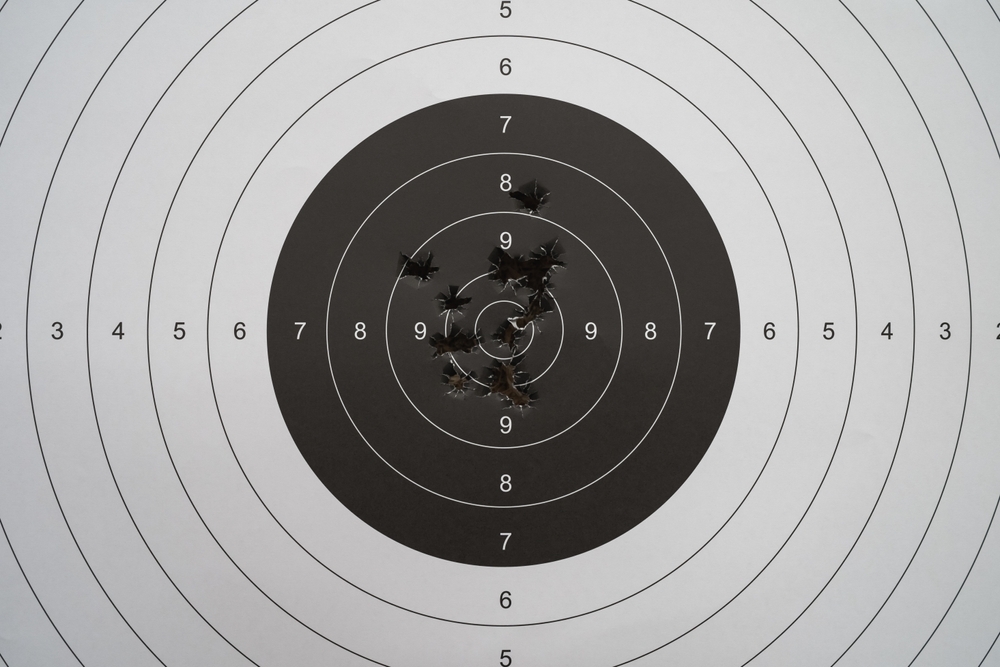
Surprisingly, when the ZIP manages to fire, it often shoots accurately. The 5.25-inch barrel (concealed within the bullpup design) provides good ballistic performance. The fixed barrel design contributes to consistent shot placement – when you can actually get shots off.
Several testers noted that on those rare occasions when they got the gun running, groups were respectable. A red dot sight mounted on the top rail might enhance accuracy further, but that would be like putting racing tires on a car with a blown engine. The fundamental reliability issues overshadow any accuracy potential.
The accuracy becomes a cruel tease – a glimpse of what might have been if the basic cycling functions worked properly. But no amount of precision matters when you spend more time clearing jams than actually shooting.
Customization and Aftermarket Ideas
USFA did deliver on some customization promises. One upgrade allowed conversion of the .22LR into a single-shot .22 Magnum. Scope mounts and rail attachments became available. These conversions were rare and did not resolve the core reliability issues.They even developed a stock kit, though this raised potential NFA concerns about creating an unregistered short-barreled rifle.
Some users found creative ways to mount the ZIP to other firearms as an underbarrel attachment – though the practical value seemed questionable at best. Why mount an unreliable secondary gun to your primary weapon?
The most interesting application might have been the stock conversion. But that raised legal questions about NFA regulations. Always check federal, state, and local laws before attempting such modifications. The ATF has specific guidelines about pistol-to-rifle conversions.
Is It the Worst Plinker Ever?
A good plinker needs to do five basic things: feed, fire, extract, eject, and repeat this cycle without drama. The ZIP consistently fails at several of these steps, often within the first magazine. This transforms what should be fun range time into a frustrating troubleshooting session.
What makes the ZIP particularly disappointing is that .22LR firearms have one primary job – to provide inexpensive shooting fun. When a plinker can't plink, it fails at its core purpose. The novelty wears off quickly when you spend more time clearing malfunctions than pulling the trigger.
Is it truly the worst production plinker ever made? Based on numerous reviews and the company's subsequent collapse, it makes a strong case for that dubious honor. The gun displays fundamental design flaws that no amount of tweaking seems to fix.
Better Alternatives for the Same Use
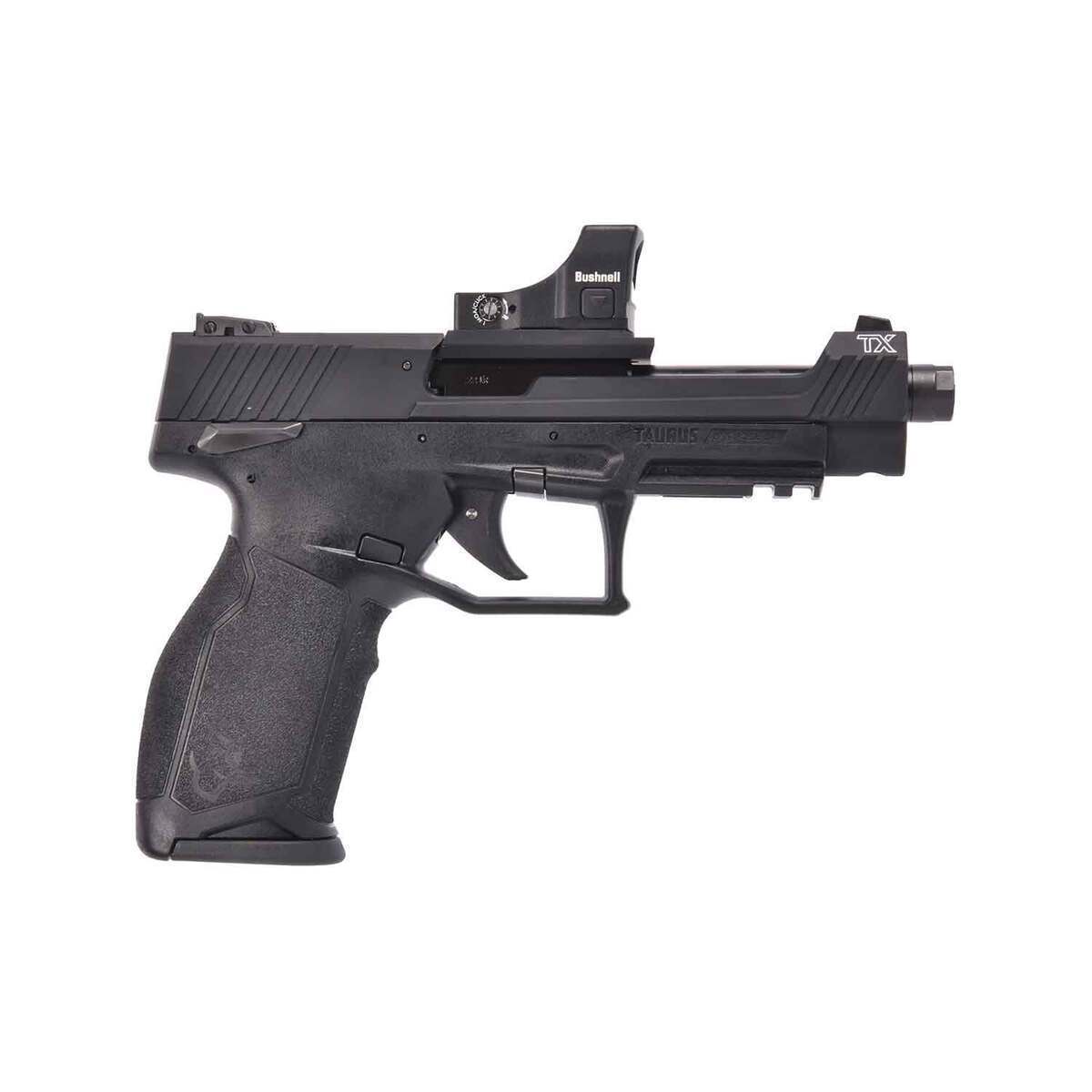
For anyone seeking a fun .22LR pistol that actually functions, countless better options exist. Established manufacturers offer reliable platforms with proven track records. Your range time is valuable – don't waste it fighting with a gun that refuses to work.
The ZIP's failure highlights what matters in a plinker: function over form. A simple, reliable .22 that runs all day beats a flashy space gun that stops after three shots. For buyers attracted to the ZIP's sci-fi looks, consider adding visual modifications to a functioning .22 platform instead.
Check out our ProArmory guide to dependable .22LR pistols for better alternatives that deliver the fun factor without the frustration.
How To Clear Common ZIP .22LR Stoppages
If you already own a ZIP or encounter one, here's how to address the inevitable malfunctions:
- Keep the muzzle pointed in a safe direction at all times
- Engage the safety (red stripe visible means fire, covered means safe)
- Attempt to remove the magazine (may be difficult during some malfunctions)
- Use the charging handle carefully while keeping fingers clear of the muzzle
- Visually inspect the chamber to ensure it's clear
- If parts appear binding or damaged, stop and consult a qualified gunsmith
Remember that clearing malfunctions on the ZIP can be more complex than on conventional firearms due to its unusual design. Safety should always come first.
Conclusion
The USUSFA ZIP .22LR represents one of the most fascinating failures in modern firearm design. What began as an attempt to create something revolutionary ended with the downfall of a once-respected firearms company. USFA bet everything on this concept – selling off their successful revolver manufacturing equipment to focus on the ZIP.
The gun now exists primarily as a collector's curiosity and a cautionary tale about prioritizing novel design over basic function. For those who appreciate firearms history and oddities, the ZIP holds a certain appeal. For everyone else, it remains a frustrating example of potential squandered by poor execution.
Sometimes innovation means taking risks, but the ZIP shows what happens when those risks ignore fundamental principles. USFA ceased firearms production after the ZIP project failed, and the ZIP .22LR has become a strange footnote in firearms history.

Federal Automatch 22LR 40GR | 975RDS
$87.75
at Pro Armory
Prices accurate at time of writing
Frequently Asked questions (FAQ)
Is the USUSFA ZIP .22LR safe to handle?
The charging handle placement near the muzzle creates handling concerns. Proper firearm safety becomes even more critical with this design.
Why does it jam so often?
Design flaws in the feeding, extraction, and ejection systems create inherent reliability problems that seem unsolvable.
Does it run better with ten-round magazines?
Some users report slightly better performance with standard 10-round Ruger magazines, but problems persist regardless.
Does changing ammo fix it?
Testing with various ammo types from bulk to premium shows little improvement in functionality.
Is it accurate?
When it actually fires, accuracy is surprisingly good thanks to the fixed barrel design.
Is it worth buying as a collector item?
Only for those who collect firearms, oddities and failures. Current prices often exceed the original $200 MSRP due to curiosity value.
About the Author
This article was written by the Pro Armory writing team based on current research, including studies from reputable sources like the Journal of Military Science, Firearms News, and the National Shooting Sports Foundation. We also referenced trusted information from official defense publications and respected firearm authorities such as the ATF, NRA, and manufacturer manuals.
Disclaimer: This review is for education only. Laws vary by state and city and can change. Follow safe handling at all times. Read your owner's manual. Verify local rules before you buy or train.

Best Ammo Deals, Training, & Accessories
Subscribe to ProArmory sales and deals email.