 Pro Armory Editorial Team
Survival rifles occupy a unique niche in the firearms world. Designed for portability, reliability, and versatility, these rifles are built to perform when conditions are unpredictable and resources are limited. Whether you’re an outdoorsman, hunter, prepper, or simply someone who values self-reliance, a well-chosen survival rifle can serve as a critical tool when things go sideways.
Unlike traditional hunting or tactical rifles, survival rifles prioritize compact storage, lightweight construction, and dependable operation over raw firepower. Many models feature folding or takedown designs that allow them to fit inside backpacks, vehicles, or aircraft storage compartments. Others emphasize simple mechanics that continue working in adverse weather, dirt, and neglect.
Modern firearm engineering has significantly improved this category. Today’s survival rifles benefit from advanced materials, corrosion-resistant finishes, improved accuracy, and modular features that make them more adaptable than ever before. While the mission remains the same, staying alive and self-sufficient, the tools have evolved.
This guide breaks down the best survival rifles currently available, explains why they work, and helps you choose the right one for your specific environment and needs.
How We Chose the Best Survival Rifles
Selecting a true survival rifle requires more than looking at popularity or brand reputation. These firearms must function reliably in real-world conditions where comfort, convenience, and resupply cannot be assumed. To ensure meaningful recommendations, we evaluated each rifle using clearly defined survival-focused criteria.
1. Weight and Carryability
Weight is one of the most important factors in a survival rifle. A firearm that is too heavy becomes a liability during extended travel or emergency movement. For this reason, priority was given to rifles weighing approximately 5 pounds or less, unloaded.
In addition to raw weight, we considered balance and how comfortably each rifle could be carried for long periods. Modern manufacturing techniques, such as lightweight alloys and reinforced polymers, allow today’s survival rifles to remain durable without unnecessary bulk.
2. Compactness and Storage
A survival rifle should be easy to transport and store discreetly. All rifles included in this guide either fold or break down into compact components that fit inside backpacks, vehicle compartments, or aircraft storage areas.
Equally important is deployment speed. Rifles that require tools or lengthy assembly were deprioritized. A survival firearm must transition quickly from storage to a ready state without compromising reliability or zero retention.
3. Ammunition Practicality
Ammunition choice plays a major role in survival scenarios. We favored rifles chambered in widely available calibers that balance effectiveness, weight, and logistical practicality.
Common calibers such as .22 LR, 9mm, and intermediate cartridges were prioritized due to their availability, lighter carry weight, and versatility for hunting small game, training, and defensive use. Exotic or niche calibers were evaluated carefully and included only when they offered meaningful advantages.
4. Reliability and Proven Performance
Because this guide is based on research rather than direct hands-on testing, rifle selection relied on a combination of long-term performance data, manufacturer testing information, and evaluations from experienced shooters across multiple disciplines.
Our evaluation process included:
-
Analysis of documented performance in extreme temperatures and adverse conditions
-
Review of endurance testing and long-term reliability reports
-
Input from subject-matter experts, professional reviewers, and competitive shooters
-
Accuracy and durability assessments from controlled testing published in reputable sources
This research-driven approach ensures that the rifles recommended here have demonstrated real-world reliability and consistent performance under pressure.
Detailed Reviews of the Top 8 Survival Rifles
1. Smith & Wesson M&P FPC – Best Pistol-Caliber Survival Rifle
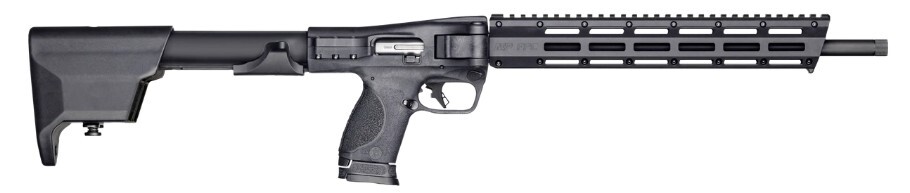
The Smith & Wesson M&P FPC stands out in the survival rifle category by combining proven pistol-caliber carbine (PCC) ergonomics with performance-oriented features that make it well-suited for both urban and wilderness scenarios. Drawing on Smith & Wesson’s long history of reliable firearms, the FPC balances portability, shootability, and rugged construction in a package that works as a survival tool, defensive firearm, or versatile range trainer.
One of the most notable features of the M&P FPC is its folding design, which dramatically reduces its footprint for transport and storage. When folded, the rifle is compact enough to fit in most backpacks or survival kits, yet it snaps open quickly and securely for immediate use. This rapid deployment is essential in emergency situations, where speed and reliability can make a critical difference.
Despite its compact storage dimensions, the FPC does not compromise on stability or performance. An integrated buffer system helps manage recoil and muzzle rise, resulting in a smoother shooting experience that enhances accuracy and reduces fatigue during prolonged use. For a pistol-caliber firearm, this can be especially important in survival contexts where follow-up shots may be necessary.
Field reliability is another strong suit. The FPC feeds a wide range of 9mm ammunition with consistent function, from standard FMJ training loads to defensive hollow points. While the rifle’s primary ammunition choice favors lighter recoil and greater carry capacity, it still delivers sufficient power for small-game hunting and defensive applications when needed. It also maintains consistent performance across a wide range of temperatures and conditions, a key consideration for survival gear.
Magazine management is built directly into the rifle’s design. The integrated magazine storage system holds multiple magazines securely while preserving balance and minimizing bulk. This thoughtful feature reduces the need to carry extra magazines separately, streamlining your overall load without sacrificing ammunition readiness.
Modern materials and protective finishes further enhance the FPC’s suitability for survival use. Corrosion-resistant coatings, reinforced polymer components, and a robust charging handle all contribute to long-term durability, even when exposed to moisture, dirt, or rough handling. Ergonomics, reliability, and ease of use make the FPC a dependable choice for survival preparedness or defensive scenarios.
Pros
-
Folds down to a compact package for easy transport
-
Integrated buffer system improves recoil control
-
Reliable functioning with a wide variety of 9mm ammunition
-
Built-in magazine storage enhances readiness
-
Maintains zero with mounted optics
Cons
-
Higher price point compared to basic survival rifles
-
Pistol-caliber limitations for large-game hunting
-
Weight approaches the upper threshold for survival rifles
Key Specifications
-
Caliber: 9mm
-
Action: Semi-automatic
-
Capacity: 17+1 (standard) / 23+1 (extended)
-
Barrel Length: 16.25 inches
-
Overall Length (unfolded): Approx. 30.4 inches
-
Weight: Approx. 5 lbs
-
Optic-Ready: Yes (Picatinny rail)
The Smith & Wesson M&P FPC earns its place as a top survival rifle because it blends compact portability, consistent reliability, and practical features rarely found in a single pistol-caliber platform. Its ability to transition quickly from storage to action, coupled with strong ammunition compatibility and ergonomic balance, make it a capable companion for a wide range of survival challenges.
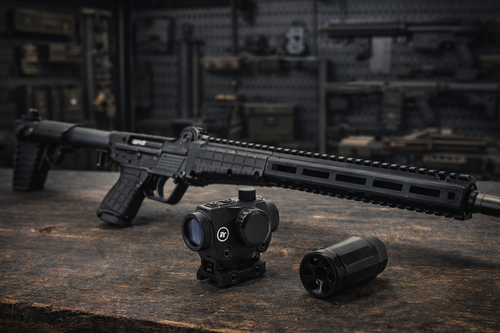
2. KelTec Sub2000 Gen 3 – Best Value PCC Survival Rifle

The KelTec Sub2000 Gen 3 remains one of the most practical and affordable survival rifles on the market. Designed from the ground up with portability in mind, the Sub2000 delivers a lightweight, foldable platform that prioritizes simplicity, reliability, and cost efficiency without sacrificing real-world usefulness.
At its core, the Sub2000 is built around a straightforward blowback system that thrives on mechanical simplicity. Fewer moving parts translate into easier maintenance, greater reliability, and fewer things to go wrong when conditions are less than ideal. For survival use, that kind of dependability matters far more than flashy features.
The Gen 3 revision introduces meaningful upgrades over earlier versions. The folding mechanism has been refined to lock more securely in both the open and closed positions, while updated polymer blends improve durability without adding weight. Folded, the rifle becomes exceptionally compact, making it easy to stow in a backpack, vehicle kit, or emergency bag.
One of the Sub2000’s biggest advantages is magazine compatibility. Depending on the configuration, it accepts widely available Glock magazines, allowing users to share ammunition and magazines with common sidearms. In a survival scenario, this interoperability reduces logistical complexity and simplifies resupply.
Ergonomics also saw improvements in the Gen 3 model. The charging handle and magazine release are more intuitive, and the revised cheek weld provides better comfort during extended shooting sessions. While the iron sights remain basic, the integrated Picatinny rail allows for easy mounting of red dots or compact optics, enhancing usability without adding much weight.
Accuracy is well within expectations for a survival-oriented PCC. The Sub2000 consistently delivers practical accuracy for small-game hunting, defensive use, and training, maintaining reliable performance across a wide range of 9mm ammunition types. Its lightweight design makes it easy to carry for long periods, even when paired with extra magazines and gear.
Pros
-
Extremely affordable entry into the survival rifle category
-
Lightweight and highly portable folding design
-
Compatible with common Glock magazines
-
Simple, reliable blowback operation
-
Easy field maintenance
Cons
-
Basic iron sights out of the box
-
Limited effectiveness beyond small game or defensive roles
-
Polymer construction may not appeal to all users
Key Specifications
-
Caliber: 9mm
-
Action: Semi-automatic
-
Capacity: 15+1 (varies by magazine)
-
Barrel Length: 16.15 inches
-
Overall Length (unfolded): Approx. 29.25 inches
-
Weight: Approx. 4.2 lbs
-
Optic-Ready: Yes (Picatinny rail)
The KelTec Sub2000 Gen 3 earns its spot by offering maximum utility at a minimal price. It may lack premium materials or advanced recoil systems, but its folding design, common magazine compatibility, and proven reliability make it one of the smartest survival rifle choices for budget-minded users or those looking for a lightweight backup option.
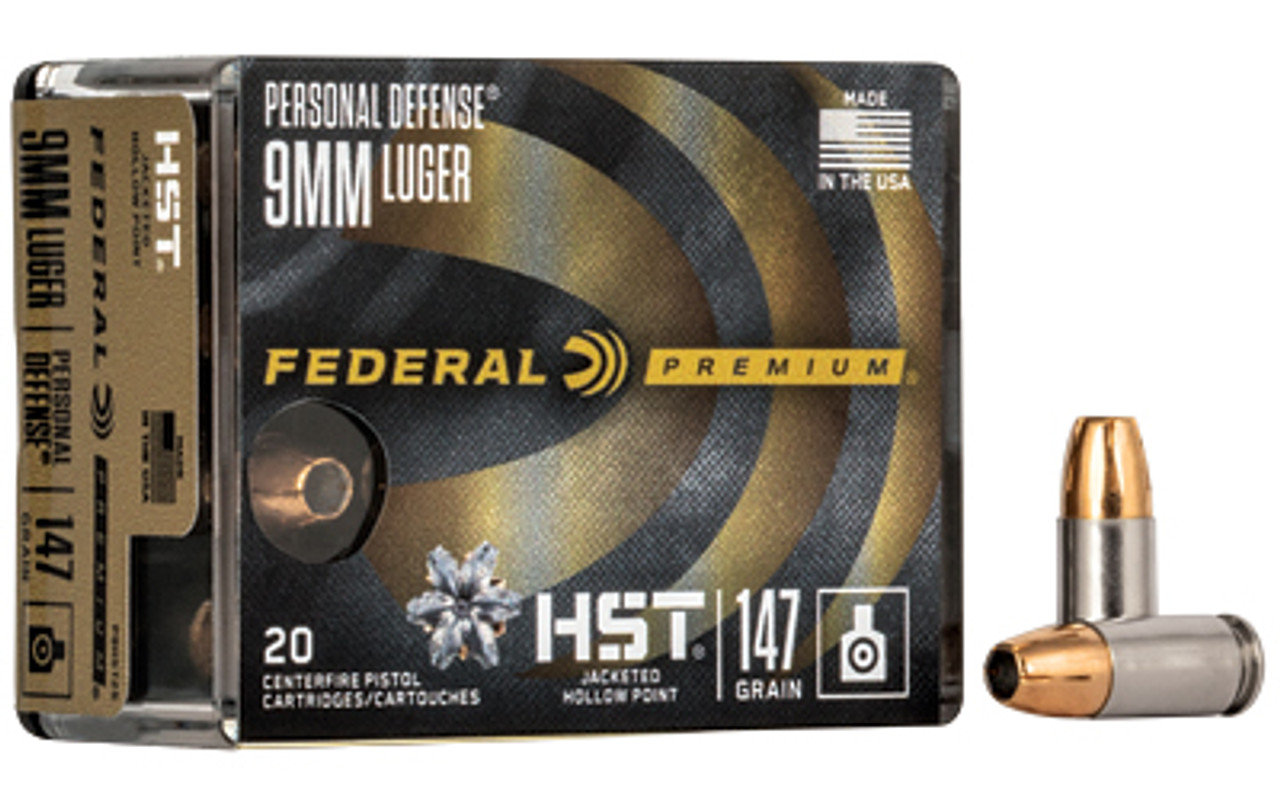
Federal Premium 9mm 147gr JHP
$28.99
at Proarmory
Prices accurate at time of writing
3. Ruger 10/22 Takedown – Most Versatile and Customizable Survival Rifle
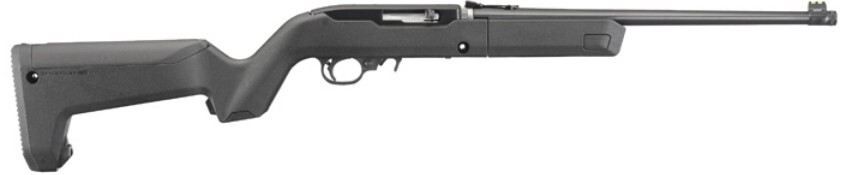
The Ruger 10/22 Takedown remains one of the most adaptable and proven survival rifles ever produced. Its reputation is built on decades of reliability, ease of use, and unmatched aftermarket support. While newer survival rifles chase innovation, the 10/22 Takedown continues to thrive because it simply works in almost any environment.
The takedown system allows the rifle to separate into two compact halves, making it easy to store in a backpack or vehicle without sacrificing barrel length or accuracy. Ruger’s locking interface is robust and repeatable, maintaining consistent zero even after repeated assembly and disassembly, which is critical in survival scenarios where rapid deployment matters.
Chambered in .22 LR, the 10/22 Takedown excels in long-term sustainability. Ammunition is lightweight, inexpensive, and widely available, allowing users to carry hundreds of rounds without excessive weight. While .22 LR lacks stopping power for large threats, it remains one of the best calibers for small-game hunting, training, and extended survival use.
Ruger has refined the platform with corrosion-resistant finishes, improved barrel tension systems, and enhanced internal components. Reliability is excellent across a wide range of ammunition types, from standard velocity to high-velocity loads. The semi-automatic action allows for quick follow-up shots, while recoil remains virtually nonexistent, making it accessible to shooters of all experience levels.
One of the rifle’s greatest strengths is its customization potential. The aftermarket ecosystem for the 10/22 is unmatched, allowing users to tailor triggers, stocks, barrels, optics, and magazines to their exact needs. This makes the 10/22 Takedown adaptable to hunting, training, or defensive support roles within a survival context.
Pros
-
Extremely reliable and easy to maintain
-
Lightweight ammunition allows for high carry volume
-
Consistent accuracy after repeated takedown cycles
-
Massive aftermarket and upgrade potential
-
Ideal for small-game hunting and training
Cons
-
.22 LR is not suitable for large-game defense
-
Requires more storage space than folding designs
-
Factory trigger is functional but unremarkable
Key Specifications
-
Caliber: .22 LR
-
Action: Semi-automatic
-
Capacity: 10+1 (higher-capacity magazines available)
-
Barrel Length: 18.5 inches
-
Overall Length: 37 inches
-
Weight: Approx. 4.7 lbs
-
Optic-Ready: Yes (drilled and tapped receiver)
The Ruger 10/22 Takedown earns its place as the most versatile survival rifle thanks to its balance of reliability, portability, and long-term sustainability. It may not be the most powerful option, but few rifles can match its practicality when food gathering, ammunition conservation, and ease of use matter most.
4. Henry AR-7 Survival Rifle – Most Compact Survival Rifle
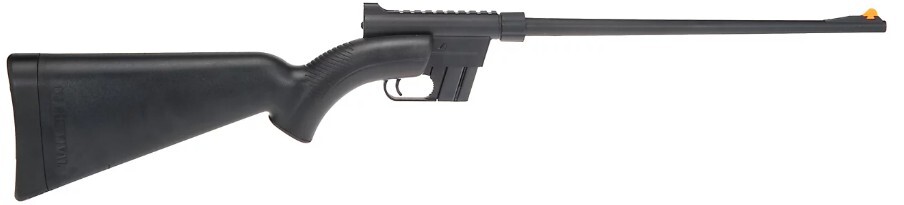
The Henry AR-7 Survival Rifle is one of the most recognizable survival firearms ever produced, originally designed for U.S. Air Force pilots who needed a lightweight, packable rifle that could be stored onboard aircraft. Modern Henry production has significantly improved the platform while preserving its core survival-focused design.
The defining feature of the AR-7 is its self-contained storage system. The barrel, receiver, and magazines all store inside the hollow stock, forming a sealed, water-resistant package. Once assembled, the rifle floats, making it uniquely suited for aviation, maritime, and wilderness survival scenarios where exposure to water is a real concern.
Henry’s modern AR-7 benefits from improved materials and tighter manufacturing tolerances compared to older versions. The barrel uses a corrosion-resistant steel liner, and the ABS polymer stock is far more durable than earlier iterations. These updates dramatically improve reliability and longevity in harsh environments.
Assembly is straightforward and requires no tools. While not as fast to deploy as folding PCCs or AR-based systems, the AR-7 remains practical for survival use where compact storage outweighs rapid response. Accuracy is adequate for small-game hunting and emergency use, with most rifles producing consistent groups at short to moderate distances.
The rifle’s limitations are also clear. Magazine capacity is modest, ergonomics are basic, and the trigger is serviceable rather than refined. Optic mounting is possible via the grooved receiver, but optics cannot be stored inside the stock, which somewhat defeats the all-in-one concept if glass is required.
Pros
-
Entire rifle stores inside the stock
-
Extremely lightweight and compact
-
Floats when assembled
-
Excellent corrosion resistance
-
Proven survival-focused design
Cons
-
Limited magazine capacity
-
Slower deployment compared to folding rifles
-
Basic sights and ergonomics
-
Not ideal for defensive use
Key Specifications
-
Caliber: .22 LR
-
Action: Semi-automatic
-
Capacity: 8+1
-
Barrel Length: 16.125 inches
-
Overall Length: 35 inches
-
Weight: Approx. 3.5 lbs
-
Optic-Ready: Yes (3/8-inch grooved receiver)
The Henry AR-7 earns its place as the most compact survival rifle available. It is not a fighting rifle and was never meant to be one. Instead, it excels as a minimalist, packable tool for food procurement and emergency preparedness where space, weight, and environmental resistance matter more than firepower.
5. Aero Survival Rifle LTE – Best Modular Survival Rifle
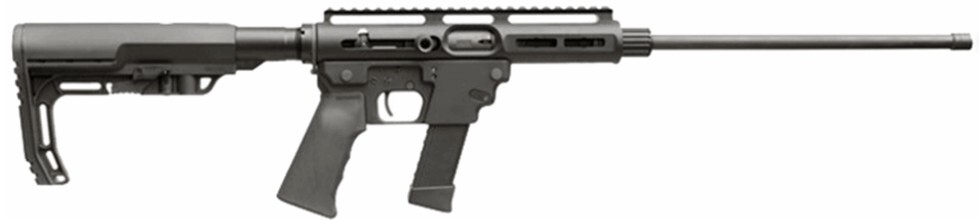
The Aero Survival Rifle LTE takes a modern AR-based approach to survival rifles, prioritizing modularity, caliber flexibility, and familiar controls. Built by Aero Precision, a company known for tight machining tolerances and aerospace-grade materials, the LTE is designed for users who want a lightweight takedown rifle without sacrificing shootability or customization.
Unlike traditional survival rifles that emphasize extreme simplicity, the LTE leans into adaptability. Its quick-disconnect barrel system allows the rifle to break down rapidly for transport while maintaining consistent return-to-zero when reassembled. This makes it viable for backpack carry without the accuracy penalties commonly associated with takedown designs.
One of the LTE’s strongest advantages is caliber availability. The platform is offered in several common pistol calibers and rimfire options, allowing users to tailor the rifle to ammunition availability, recoil tolerance, and intended use. Pistol-caliber variants strike a practical balance between defensive capability and manageable recoil, while rimfire options excel for small-game harvesting and training.
The rifle retains standard AR ergonomics, which significantly lowers the learning curve for shooters already familiar with the platform. Controls are intuitive, aftermarket support is strong, and accessory mounting is straightforward thanks to the M-LOK handguard and full-length Picatinny rail. While more complex than minimalist survival rifles, the LTE rewards users who value flexibility and performance.
That added complexity does come with tradeoffs. The LTE requires more maintenance than simpler designs, and its premium construction places it at a higher price point. However, for users who want a survival rifle that can double as a defensive carbine or training platform, those compromises may be worthwhile.
Pros
-
Modular takedown design with reliable return-to-zero
-
Familiar AR-style controls and ergonomics
-
Wide caliber availability depending on configuration
-
Lightweight construction using aerospace-grade materials
-
Strong aftermarket and accessory compatibility
Cons
-
Higher cost compared to minimalist survival rifles
-
More maintenance-intensive than break-action or rimfire designs
-
Complexity may be unnecessary for ultra-minimal survival kits
Key Specifications
-
Caliber: Multiple options depending on configuration
-
Action: Semi-automatic
-
Barrel Length: Approximately 16 inches
-
Weight: Approx. 4 lbs
-
Optic-Ready: Yes (Picatinny rail)
-
Magazine Compatibility: Glock-pattern or proprietary depending on caliber
The Aero Survival Rifle LTE earns its spot as the most modular survival rifle in this guide. It bridges the gap between traditional survival firearms and modern defensive carbines, offering adaptability that few competitors can match. For users who want one rifle capable of filling multiple roles in uncertain conditions, the LTE stands out as a highly capable option.
6. Chiappa Little Badger – Best Budget Survival Rifle
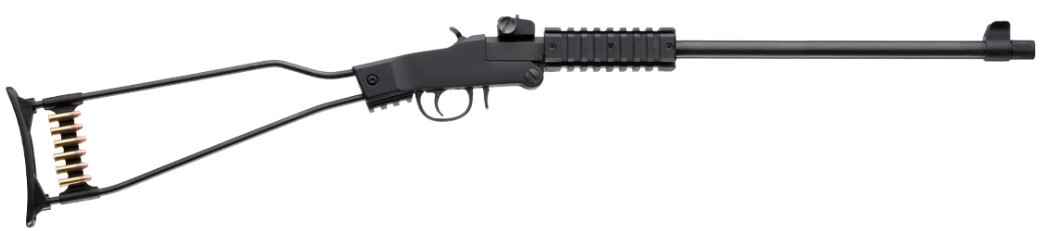
The Chiappa Little Badger proves that survival rifles don’t need complexity or a high price tag to be effective. This ultra-minimalist firearm strips the concept of a survival rifle down to its essentials: lightweight construction, mechanical simplicity, and dependable accuracy. For those who prioritize reliability, portability, and affordability, the Little Badger fills a very specific niche.
At its core, the Little Badger is a break-action, single-shot rifle with a folding wire stock. That simplicity is its greatest strength. With very few moving parts, there’s little to break, foul, or malfunction in adverse conditions. In survival scenarios where maintenance resources are limited, that reliability matters more than capacity or rapid fire.
Despite its barebones appearance, the Little Badger is surprisingly accurate. Its fixed barrel and straightforward trigger allow consistent shot placement, making it well-suited for small-game harvesting. The lightweight design also makes it easy to carry for extended periods, whether strapped to a pack or stowed inside a vehicle.
Recent iterations of the Little Badger benefit from improved coatings and tighter manufacturing tolerances, increasing corrosion resistance and durability. The folding design allows it to collapse into an extremely compact package, ideal for emergency kits or discreet storage. Integrated ammunition storage on the stock ensures spare rounds are always accessible.
The obvious limitation is capacity. Being a single-shot rifle means follow-up shots are slow, and defensive use is limited. Ergonomics are also basic, and accessory support is minimal. However, for users who want a simple, lightweight, and affordable survival rifle that excels at foraging and training fundamentals, those compromises are acceptable.
Pros
-
Extremely lightweight and compact when folded
-
Very affordable entry point
-
Simple break-action design is highly reliable
-
Accurate enough for small-game hunting
-
Minimal maintenance requirements
Cons
-
Single-shot capacity limits defensive capability
-
Basic ergonomics and comfort
-
Limited accessory and aftermarket support
Key Specifications
-
Action: Break-action
-
Capacity: 1 round
-
Barrel Length: 16.5 inches
-
Weight: Approx. 3.5 lbs
-
Optic-Ready: Yes
The Chiappa Little Badger earns its place as the best budget survival rifle by doing exactly what it’s supposed to do: provide dependable function in a lightweight, compact, and affordable package. It’s not designed for firefights or high-volume shooting, but as a minimalist survival tool for small-game hunting and emergency preparedness, it excels.
7. CMMG Banshee Mk57 – High-Performance Survival Carbine
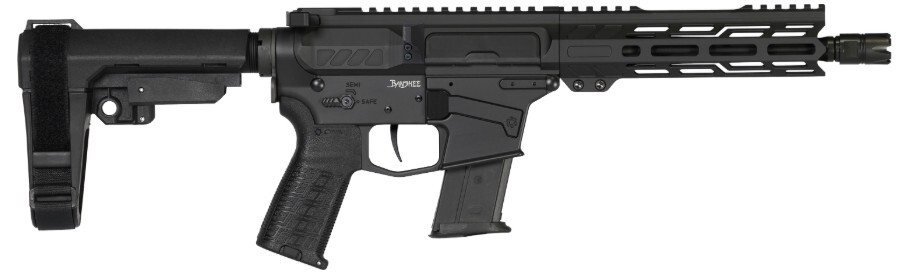
The CMMG Banshee Mk57 stands apart from traditional survival rifles by leveraging the high-velocity 5.7×28mm cartridge in an extremely compact, modern platform. While not a classic “woods gun,” the Banshee excels in scenarios where portability, accuracy, and defensive capability must coexist. It bridges the gap between pistol-caliber carbines and lightweight rifles, offering rifle-like performance in a compact footprint.
One of the defining features of the Banshee Mk57 is CMMG’s radial delayed blowback system. Unlike standard straight-blowback designs, this system reduces recoil and bolt mass, resulting in smoother operation and faster follow-up shots. In survival or defensive situations, this translates to better controllability and less shooter fatigue during extended use.
The 5.7×28mm cartridge offers notable advantages for survival applications. It is lightweight, allowing users to carry more ammunition without added burden, and provides excellent penetration and flat trajectory compared to pistol calibers. Within realistic survival distances, the Mk57 delivers consistent accuracy and sufficient terminal performance for small game and defensive roles.
Ergonomics are distinctly modern. Ambidextrous controls, a compact charging handle, and compatibility with FN-pattern magazines enhance usability for a wide range of shooters. The platform also supports optics, lights, and suppressors, allowing it to be configured for low-light or defensive use without sacrificing portability.
That said, the Mk57 is not without tradeoffs. Ammunition cost and availability remain the biggest drawbacks of the 5.7 platform, particularly in prolonged survival scenarios. The initial rifle cost is also higher than most traditional survival rifles, and magazine availability is more limited compared to ubiquitous calibers like .22 LR or 9mm.
Pros
-
Compact and lightweight for its capability
-
Excellent recoil control via radial delayed blowback
-
High-velocity cartridge with flat trajectory
-
Strong accuracy and defensive performance
-
Ambidextrous, modern controls
Cons
-
Expensive and less common ammunition
-
Higher upfront cost
-
Limited hunting utility compared to traditional calibers
Key Specifications
-
Caliber: 5.7×28mm
-
Action: Semi-automatic, radial delayed blowback
-
Capacity: 20+1 rounds
-
Barrel Length: 5 inches
-
Weight: Approx. 4.8 lbs
-
Optic-Ready: Yes
The CMMG Banshee Mk57 earns its place as a notable survival rifle by offering exceptional performance in a compact, modern package. While it’s not the most traditional survival option, its blend of portability, accuracy, and defensive capability makes it an excellent choice for users prioritizing mobility and modern ergonomics over classic hunting roles.
8. TPS Arms M6 Takedown – Ultimate Versatility Survival Rifle
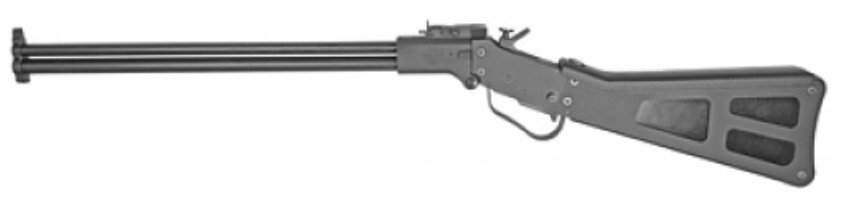
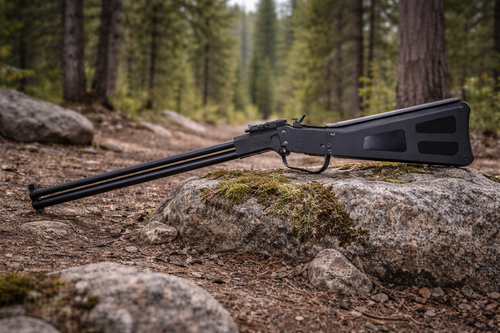
The TPS Arms M6 Takedown is a modern evolution of the classic military survival combination gun, designed for maximum versatility when resources are limited. Unlike traditional single-caliber survival rifles, the M6 combines a rifle barrel with a .410 shotgun barrel in an over-under configuration, allowing users to adapt to a wide range of survival scenarios with a single firearm.
This dual-barrel design makes the M6 uniquely capable in the field. The rifle barrel handles small game or precision shots, while the .410 shotgun barrel excels at close-range targets, pest control, and foraging birds. In survival situations where ammunition availability is unpredictable, the ability to use multiple cartridge types dramatically increases flexibility and preparedness.
TPS Arms has significantly refined the original M6 platform. Modern metallurgy and updated manufacturing processes improve durability while keeping weight manageable. The trigger guard is oversized, allowing operation with gloves or cold hands, and the break-action system is mechanically simple, reducing the likelihood of malfunctions in harsh environments.
Accuracy has also improved over earlier generations. Enhanced barrel alignment and improved harmonics help maintain a consistent point of impact, even after repeated takedown and reassembly. The optional Picatinny rail allows users to mount optics, a major upgrade over legacy iron-sight-only designs.
The M6 is not intended to be a high-capacity defensive rifle, and its two-round limitation is an important consideration. Reloading is slower than magazine-fed platforms, and ergonomics are utilitarian rather than refined. However, in true survival contexts, reliability, adaptability, and simplicity often matter more than rate of fire.
Pros
-
Exceptional versatility with dual-caliber capability
-
Extremely reliable break-action design
-
Simple operation with minimal maintenance
-
Performs well for foraging and small-game hunting
Cons
-
Limited to two rounds before reloading
-
Heavier than some single-caliber survival rifles
-
Basic ergonomics and sighting system
Key Specifications
-
Action: Break-action over/under
-
Capacity: 2 rounds
-
Barrel Length: 18.25 inches
-
Weight: Approx. 4.8 lbs
-
Optic-Ready: Yes (select models with Picatinny rail)
-
Available Calibers:
-
.22 LR / .410
-
.22 WMR / .410
-
.17 HMR / .410
-
.357 Magnum / .410
-
.22 Hornet / .410
-
The TPS Arms M6 Takedown earns its place by offering unmatched adaptability in survival conditions. While it sacrifices capacity and speed, it compensates with simplicity, reliability, and multi-role capability. For users who prioritize flexibility and minimal mechanical complexity over volume of fire, the M6 remains one of the most practical survival firearms ever made.
How to Choose the Best Survival Rifle
Choosing the right survival rifle isn’t about finding the most powerful or feature-rich firearm. It’s about selecting a tool that reliably supports you when conditions are unpredictable and resources are limited. The best survival rifle is one that balances portability, dependability, and practical capability for the environment you expect to face.
Assess Your Environment and Use Case
Start by identifying where the rifle is most likely to be used. Urban and suburban survival scenarios favor compact, discreet platforms that are easy to transport and deploy quickly. In contrast, wilderness environments often require better small-game capability, longer effective range, and resistance to harsh weather conditions. Dense forests, open plains, mountainous terrain, and coastal areas all place different demands on a rifle.
Next, consider the primary role of the firearm. Foraging and hunting emphasize accuracy and ammunition efficiency. Defensive use prioritizes quick handling, repeat shots, and reliable feeding. A survival rifle should align with your most realistic needs rather than hypothetical extremes.
Weight, Size, and Carry Comfort
A rifle that looks ideal on paper may become a liability if it’s too heavy or awkward to carry for extended periods. Weight matters not only when moving long distances, but also when climbing, navigating obstacles, or carrying additional survival gear. Rifles under five pounds tend to strike the best balance between shootability and long-term carry comfort.
Compactness is equally important. Folding or takedown designs allow rifles to fit inside backpacks, vehicles, or aircraft survival kits. Quick deployment is critical, so the rifle should reassemble easily without tools and retain accuracy after repeated breakdowns.
Caliber Selection and Ammunition Availability
Ammunition choice can make or break a survival rifle. Common calibers such as .22 LR, 9mm, and 5.56 remain popular because they are widely available, lightweight, and versatile. The ability to carry more rounds with less weight is a major advantage in survival scenarios.
While larger calibers offer increased stopping power, they also add weight, recoil, and logistical challenges. In many survival situations, ammunition efficiency and availability outweigh raw ballistic performance. The best caliber is one you can source, carry, and shoot accurately under stress.
Reliability and Mechanical Simplicity
In survival contexts, simplicity equals reliability. Rifles with fewer moving parts are often easier to maintain and less prone to failure in dirt, cold, or moisture. Break-action and rimfire platforms excel here, but modern semi-automatic designs have also proven extremely dependable when properly engineered.
Maintenance should be straightforward, ideally requiring minimal tools. A survival rifle should tolerate neglect better than precision competition firearms. Corrosion resistance, sealed components, and durable finishes all play a role in long-term reliability.
Legal and Practical Considerations
Always account for local and regional laws when selecting a survival rifle. Magazine capacity restrictions, feature bans, and transportation laws vary widely. A rifle that complies with regulations is far more useful than one that creates legal complications during emergencies.
Responsible ownership also includes safe storage, ethical hunting practices, and environmental awareness. A survival rifle should be an asset that enhances preparedness, not a liability that introduces unnecessary risk.
Training and Familiarity
Finally, no survival rifle is effective without training. Familiarity with controls, disassembly, and malfunction clearing is just as important as the rifle itself. Choose a platform you can practice with regularly and confidently operate under stress. The most advanced survival rifle is useless if you don’t trust your ability to run it efficiently.
Conclusion
Survival rifles are not about excess power or tactical flair. They are tools built for uncertainty, where reliability, portability, and adaptability matter far more than raw performance metrics. The modern survival rifle market reflects this reality, offering refined designs that balance weight, durability, and real-world functionality better than ever before.
From ultra-compact takedown rifles to modern pistol-caliber carbines and versatile combination guns, today’s options cover a wide spectrum of survival needs. Lightweight platforms like the Henry AR-7 and Chiappa Little Badger prioritize simplicity and packability, while modern designs such as the Smith & Wesson M&P FPC and CMMG Banshee Mk57 bring enhanced defensive capability and ergonomic familiarity. Modular platforms like the Aero Survival Rifle LTE further expand versatility by allowing caliber adaptability when ammunition availability is unpredictable.
Choosing the right survival rifle ultimately comes down to realistic expectations. Your environment, physical ability, ammunition access, and intended use should guide the decision. A rifle that is easy to carry, simple to maintain, and reliable under adverse conditions will always outperform a heavier, more complex option when it matters most.
No survival rifle replaces training, planning, or sound judgment. Familiarity with your chosen platform, consistent practice, and responsible storage are just as critical as the rifle itself. When paired with the right skills and mindset, a well-chosen survival rifle becomes more than just a firearm — it becomes a dependable companion in situations where self-reliance is essential.
Frequently Asked Questions (FAQs)
What defines a true survival rifle?
A true survival rifle prioritizes reliability, portability, and practical versatility over raw power. It should be lightweight enough to carry for extended periods, compact or capable of folding or takedown for easy transport, and chambered in ammunition that is widely available. Above all, it must function consistently in adverse conditions with minimal maintenance.
What caliber is best for a survival rifle?
There is no single “best” caliber, but .22 LR remains the most popular choice for survival rifles due to its low weight, affordability, and widespread availability. It excels at small-game hunting and training. Pistol calibers like 9mm offer better defensive capability, while specialty calibers such as 5.7×28mm provide improved range and penetration at the cost of availability and price. The ideal caliber depends on environment, threat level, and logistics.
Are takedown and folding rifles reliable in survival situations?
Modern takedown and folding rifles are highly reliable when properly designed. Quality platforms maintain zero after reassembly and withstand repeated breakdown cycles without loss of accuracy. Regular inspection, proper assembly, and basic maintenance are key to ensuring consistent performance in the field.
Is magazine capacity important for a survival rifle?
Magazine capacity matters depending on intended use. For hunting and foraging, low-capacity or single-shot designs are sufficient and often more reliable. For defensive scenarios, higher-capacity magazines provide a clear advantage. Survival rifles should balance capacity with weight, simplicity, and ammunition availability.
How much should a quality survival rifle cost?
Quality survival rifles typically range from $200 to $1,500. Budget-friendly options like single-shot or rimfire platforms can be extremely effective for basic survival needs, while higher-end rifles offer improved ergonomics, modularity, and defensive capability. Price should be evaluated alongside long-term reliability and practicality, not features alone.
Can survival rifles be used for hunting?
Yes, many survival rifles are well-suited for hunting small to medium game. Rimfire calibers excel at foraging, while larger calibers may be suitable for defensive use or larger animals where legal. Ethical shot placement and compliance with local hunting laws remain essential.
Is weight more important than durability in a survival rifle?
Neither should be prioritized in isolation. Lightweight rifles are easier to carry, but durability ensures long-term reliability under stress. Advances in materials allow modern survival rifles to achieve both, making balance the key factor rather than choosing one at the expense of the other.
How important is training with a survival rifle?
Training is critical. A survival rifle is only as effective as the user’s ability to operate it confidently under stress. Familiarity with controls, maintenance, malfunction clearing, and realistic shooting scenarios is essential. Regular practice ensures the rifle becomes an asset rather than a liability in an emergency.
Best Ammo Deals, Training, & Accessories
Subscribe to ProArmory sales and deals email.