 Pro Armory Editorial Team
Quick Answer
The SIG Sauer P226 is a full-size DA/SA service pistol with a long reputation for reliability and durability. Its all-metal build (alloy frame with a steel slide on most models) helps keep recoil smooth, but it’s heavier than modern polymer pistols and typically ships with 15-round 9mm magazines in common configurations. It shines for home defense, duty/open carry, and serious range training. If your top priorities are lightweight concealed carry or maximum capacity in the smallest package, newer striker-fired pistols usually make more sense.
Key Takeaways
- Full-size DA/SA service pistol with a decocker and long duty reputation
- Heavier build helps manage recoil but adds carry weight
- Standard 9mm mags are often 15 rounds, while many newer pistols offer more
- DA/SA requires training (first double-action pull + decock routine)
- Best fit: home defense, duty/open carry, and serious range practice
Some guns earn their reputation through internet hype and marketing. The P226 earned its stripes differently. Born from military trials and battle-tested by elite units, it gained fame the old-fashioned way—by working when it mattered most. That heritage explains why people still call it legendary even as newer, lighter pistols with bigger magazines have flooded the market.
What the P226 Is in One Clear Explanation
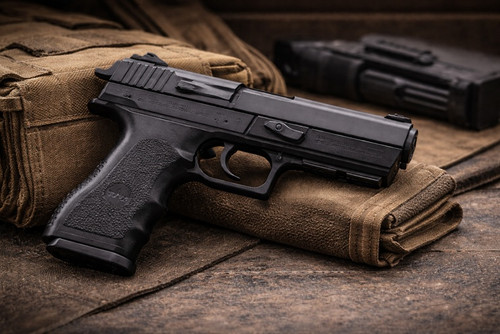
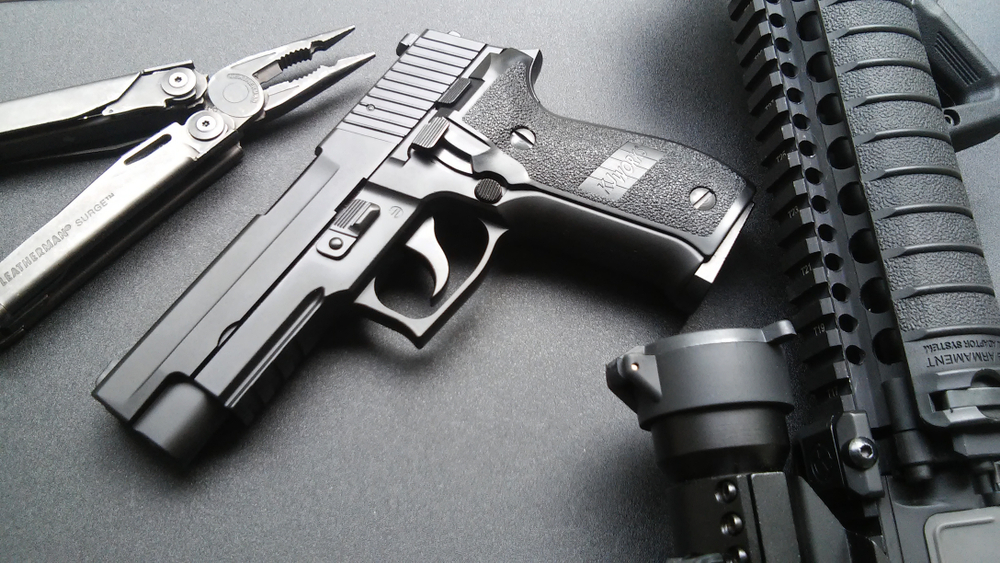
The SIG Sauer P226 is a full-size and hammer-fired service pistol built for duty work. Most versions come in 9mm Luger. You get a double-action/single-action trigger system. You also get a decocker lever for safe control. The P226 uses an alloy frame and a stainless steel slide. That combo gives you strength and a long life. It can also feel heavier than newer polymer options.
The P226 rose to prominence during the U.S. military pistol trial era of the 1980s. While the Beretta 92 series ultimately became the M9, the P226 earned a strong reputation for reliability and shootability that carried into law enforcement and specialized military communities. That professional adoption is a big reason the P226 is still treated as a “serious-use” classic today.
The P226 lands in a sweet middle spot. It is not an old museum piece. It is also not built around today’s polymer and striker-fired style. So you get a more classic feel with a modern edge. If you like gear that feels like it was made to last, this pistol fits that mood. Like a heavy wrench that just works, year after year.
Specs and Features (Nitron as the baseline example)
Specifications
| Spec | Typical P226 (Common Configuration) |
|---|---|
| Action | DA / SA |
| Caliber | 9mm (also available in .40 S&W and .357 SIG variants) |
| Barrel Length | 4.4 inches |
| Overall Length | 7.7 inches |
| Width | 1.5 inches |
| Weight | 34 oz (unloaded) |
| Capacity | 15+1 (standard 9mm magazines) |
| Sights | SIGLITE Night Sights (on many models) |
| Frame | Alloy frame with stainless steel slide |
Feature Highlights
- Decocker lever safely drops the hammer without pulling trigger
- DA/SA trigger system with first shot DA, follow-ups in SA
- Accessory rail for mounting lights or lasers (on newer models)
- Night sights standard on many configurations
- Multiple safety features including firing pin safety block
- No manual safety - relies on DA first pull and decocker
Why the P226 Became a "Legendary Service Pistol"
The service pistol era that shaped it
The 1970s marked a turning point for military handguns. As one Congressman noted about Air Force inventories, "the current proliferation of handguns and handgun ammunition is intolerable." This spurred the Joint Service Small Arms Program (JSSAP), a comprehensive search for a standardized NATO handgun.
The military's wishlist was extensive: 85 requirements, 72 mandatory. They wanted a pistol with a one-handed magazine release, double-action first shot followed by single-action, 9mm chambering, and extreme durability—no more than eight malfunctions per 5,000 rounds fired. The minimum capacity requirement was set at 13 rounds, quite forward-thinking for the time.
Major manufacturers joined the competition: Beretta, FN, Steyr, Heckler & Koch, and Smith & Wesson. SIG Sauer brought the P226 into round two. They shaped it for the trials on purpose. Round three narrowed the field fast. Only the Beretta 92FBS and SIG P226 stayed in front. Beretta won on price. Performance did not decide it. Money did.
How the P226's reputation spread
The P226's story didn't end with the Army contract loss. The US Navy SEALs, perhaps the most elite fighting force in the world, chose the P226 as their sidearm in the 1980s, dubbing it the MK25. This high-profile adoption launched the P226 into tactical stardom.
Federal agencies and law enforcement departments, including the Texas Rangers, also adopted various P226 models. Each professional adoption added another layer of credibility. Unlike many firearms that gain fame through marketing or civilian popularity, the P226 built its reputation from the top down. It starts with the most demanding military and law enforcement users.
And once everyday buyers saw pros trust the P226 with their lives, the story changed. The pistol earned its name the hard way. Everyone trusted its steady performance when things got messy.
Design Breakdown (what matters to shooters)
Frame, slide, and durability signals
The P226 pairs an alloy frame with a stainless steel slide. That build gives you a solid feel. It also adds weight compared to slimmer designs. The Nitron finish on standard models helps resist corrosion. It keeps the look simple and no-nonsense too.
At 34 ounces unloaded, the P226 weighs substantially more than most modern polymer pistols. This weight is not just numbers on a scale but it translates to steady holding and controlled recoil. The tradeoff becomes apparent when carrying the gun all day on a belt.
Across its production life, the P226 has seen changes in manufacturing details, but its core reputation comes from consistent reliability, strong lockup, and long service life when maintained properly.
DA/SA + decocker: what it changes in real use
The P226's trigger system defines the shooting experience. The P226’s DA/SA system defines the experience. The first double-action pull is intentionally longer and heavier, while follow-up single-action shots are shorter and lighter. The decocker lets you safely drop the hammer after shooting so you can return to the heavier first pull before holstering. This system works well, but it rewards practice.
The decocker lets you drop the hammer safely. You avoid the risky habit of lowering it by hand. That matters when you are tired or rushed. The DA/SA switch gets easier with reps. But you still have to train on it. The first trigger pull can surprise you if you do not.
This system creates a specific manual of arms: draw, aim, long first pull, followed by shorter reset pulls for follow-up shots. After shooting, you decock before holstering. This sequence differs from striker-fired pistols and requires dedicated practice.
Controls and ergonomics
The P226 has a grip with a clear backstrap swell. For many hands, it feels like it “locks in” the moment you pick it up. The controls sit where you can reach them without changing your grip too much. That includes the slide release, decocker, and magazine release.
The factory grips have enough texture for basic use. But aftermarket grips can make the gun feel more planted in your hand. A lot of people like Hogue’s “Contour Classic” G10 grips. The curved shape can help you keep the gun steady and guide it back on target.
The grip size fits medium and large hands well. If your hands run smaller, double action can feel like a stretch to reach the trigger. Single action usually feels easier. More like switching from a long reach to a normal handshake.
Shooting Impressions
Recoil and "shootability"
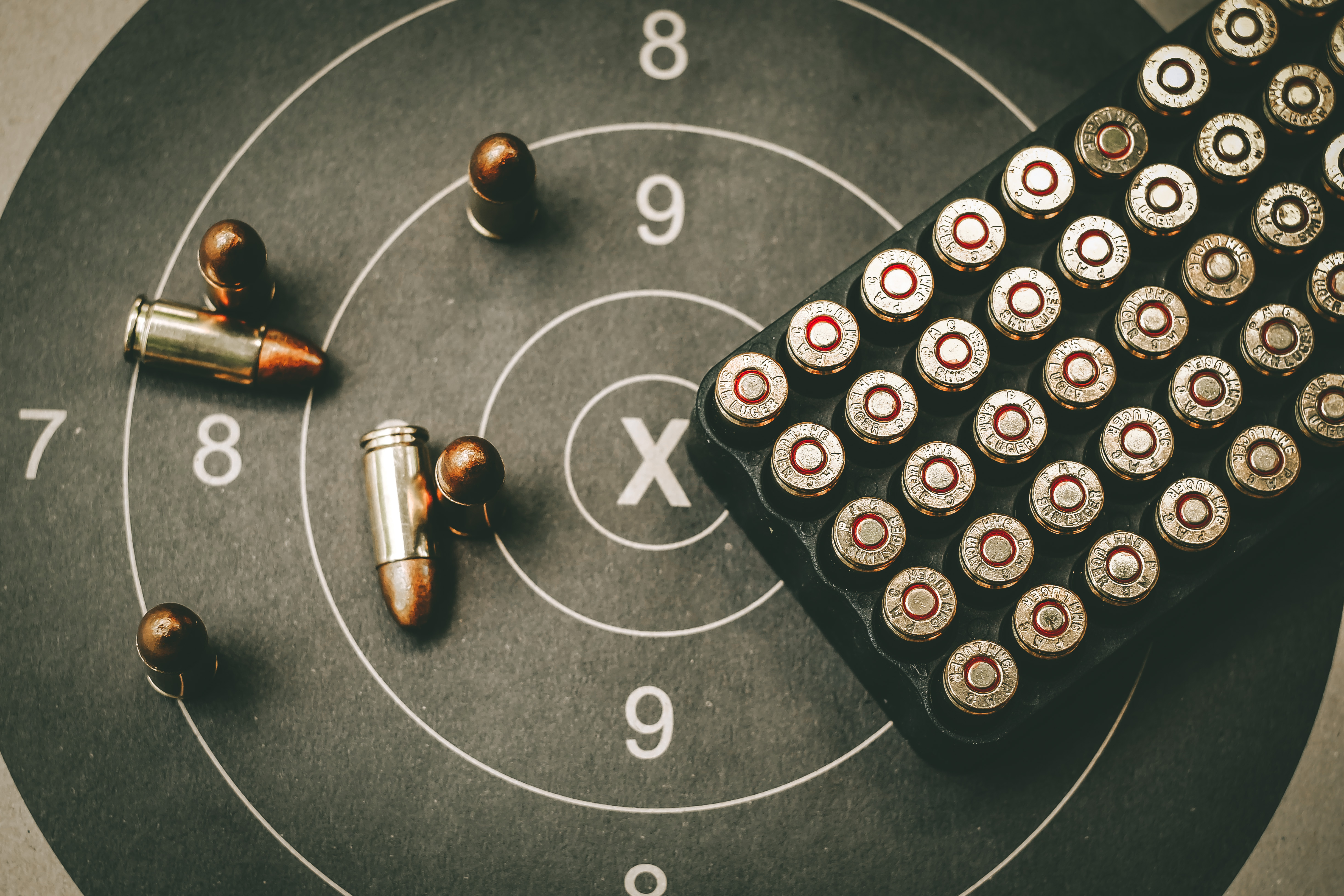
The P226’s weight and balance help you manage recoil. It feels more like a firm shove than a sharp snap. The higher bore axis can add a bit more muzzle rise than some lower bore pistols. But the movement stays consistent, so you can read it and control it.
People often say the all metal build helps with fast follow up shots. The weight soaks up some of the kick. The gun also settles back on target fast, even with that higher bore axis.
Few shooters described the recoil as almost "weightless" compared to some polymer pistols—you know it's there, but it doesn't disrupt your shooting rhythm or stability.
Trigger feel in practical terms
The standard P226 Nitron trigger gets mixed reviews. In double-action, you may notice “reverse stacking.” The trigger can feel like it pauses early. Then it speeds up as it nears the break. In single-action, you get a clean break. But you also get clear take-up. The reset can feel longer than some rivals.
Early P226 models used a steel hammer strut and mainspring seat. That setup often made double-action pulls heavier. It could also feel less even from pull to pull. Newer models clean this up a lot.
Most shooters adapt to the trigger characteristics with practice. Many report that the SA break becomes intuitive with time and leads to good accuracy once the learning curve is conquered.
Accuracy expectations
From a steady rest with quality ammo, the P226 is generally capable of strong defensive accuracy and often performs well at 25 yards in skilled hands. At typical defensive distances (7–15 yards), it’s easy to keep tight groups once you’ve learned the DA-to-SA transition.
The full-size sight radius and consistent lockup help keep hits predictable, and the pistol’s weight makes it easier to shoot well during longer strings. Many users report that with the right ammunition and solid basics, the P226 can cut one-hole groups at 10 yards.
For defensive purposes, the P226 offers more than enough accuracy. For target or competition shooting, it's serviceable but may not match dedicated match pistols without modifications.
Ammo compatibility and function
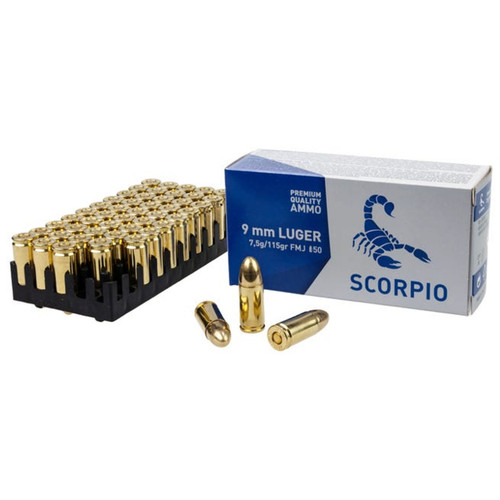
The P226 is known for running many ammunition types and power levels. You can feed it 115-grain practice rounds. You can also run 147-grain subsonic loads. In most cases, it cycles fine if you keep it in good shape.
Also, lubrication matters for any semi-automatic. A dry gun can feel rough. It can also start to drag when things get dirty. Many users say a light coat of lube helps the slide move smoothly, even in harsh conditions.
The 9mm P226 often feels smoother than the .40 S&W and .357 SIG versions. The 9mm has less pressure. It also has a softer recoil impulse. That tends to make cycling feel cleaner.
Pros and Cons
Pros
- Proven track record in military and law enforcement use
- Solid, durable construction that handles hard use
- Smooth, controllable recoil characteristics
- Good accuracy for defensive and recreational shooting
- Excellent ergonomics for medium to large hands
- Clear, consistent manual of arms with training
- Quality night sights on many models
Cons
- Heavy compared to polymer-framed alternatives (34 oz. empty)
- 15+1 capacity lags behind newer double-stack 9mms
- DA/SA system requires more training than striker-fired pistols
- Trigger reset length can slow down rapid fire
- Limited customization options compared to Glock or M&P
- Price point higher than many polymer service pistols
Where the P226 Still Shines
Home defense
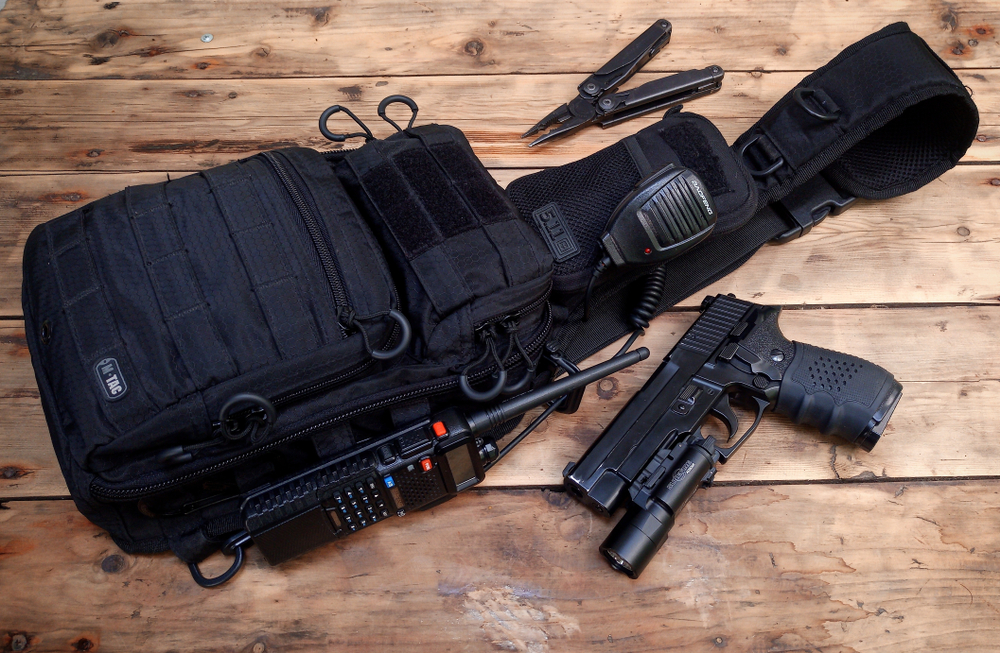
The P226 works well for home defense for a few clear reasons. You get a heavier frame and a full-size grip. That helps you control recoil when your nerves kick in. And the accessory rail lets you add a weapon light. That matters in low light. You need to see what you’re aiming at.
The DA/SA trigger system gives you a bit more room for error. It can help lower the chance of a negligent discharge. That extra margin can matter when stress is high. The longer, heavier first pull helps prevent unintended firing when adrenaline affects fine motor control.
With night sights and a 15+1 capacity, the P226 provides enough firepower for most home defense scenarios without needing a reload. The all-metal construction also means the gun can handle years of being loaded and stored without component fatigue.
Range training and fundamentals
For developing shooting skills, the P226 offers excellent training value. The DA/SA system forces new shooters to master trigger control, especially that critical first double-action pull. This builds fundamental skills that transfer to other platforms.
The pistol’s weight and balance help you shoot better from the start. You feel less wobble in your hands. That’s a big help when you’re still building your technique. Small wins add up fast. They also help you lock in good habits.
The accuracy stays steady and the functioning stays predictable. So your drills stay clean and focused. That makes precision work and trigger control practice feel more straightforward. Shooters can focus on their technique without fighting the tool.
Duty/open carry
The P226 was designed as a duty pistol, and that remains a strong use case. The weight becomes less of an issue when carried in a duty belt with proper load distribution. The decocker and DA first pull provide safety features appropriate for professional carry.
Open carry situations benefit from the pistol's full-size dimensions, which allow a full firing grip and maximum sight radius. The robust construction stands up to daily carry in varying conditions.
If you open carry for work, or you open carry as a civilian where it’s allowed, the P226 makes sense. You get strong capacity. You get good control. And you get a proven platform that still competes with newer pistols.
Is the P226 Good for CCW?
The honest answer: you can conceal a P226. But it will make you work for it. It weighs 34 ounces unloaded. Loaded up, it can feel like carrying a small brick on your belt.
Size also gets in the way. The grip length and the 1.5-inch width make hiding it harder. The grip is the part that prints most. It can poke out under a shirt and give you away.
Inside-the-waistband carry can work. Holster choice matters a lot. So does your belt. Appendix carry is rough for most body types because the gun takes up space fast.
If you want SIG for CCW, you have easier choices. The P229 is slightly smaller. The P365 line is far more compact. In most cases, the P226 fits open carry, duty use, and home defense better than concealed carry.
Variants That Change the Experience
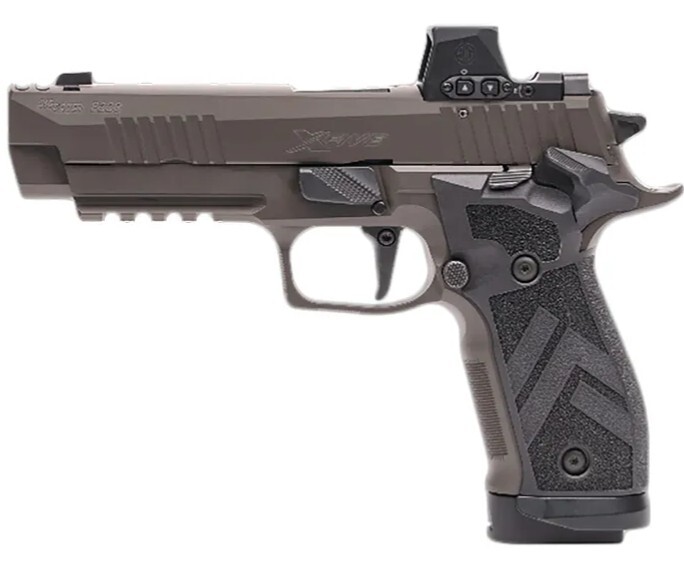
The P226 Nitron is the baseline. No frills. Just the core P226 feel. It has night sights, the standard DA/SA trigger system, and the alloy frame and steel slide setup that made the pistol famous.
The MK25 version brings in military heritage. It shares specs with the pistols used by Navy SEALs. It also adds a phosphate coating on internal parts for better corrosion resistance. The anchor engraving stands out too. It’s a small detail, but it’s hard to miss.
The P226 Legion upgrades the feel and the controls. You get G10 grips, a custom trigger with shorter reset, low-profile controls, and X-RAY3 day/night sights. The trigger work helps with one of the usual complaints. The standard trigger can feel long and a bit dated.
Other variants worth noting include the P226 Elite, the P226 Scorpion, and the P226 SAO. The Elite brings front cocking serrations and the SRT trigger. The Scorpion adds an FDE finish and the SRT trigger. The SAO model is single-action only for people who want that trigger setup.
Field Strip & Maintenance
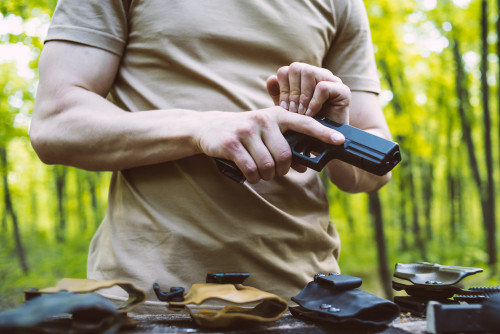
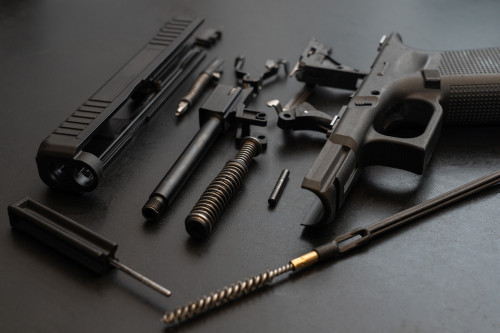
How to field strip a SIG P226
- Remove the magazine and check (visually and physically) that the chamber is empty
- Lock the slide to the rear using the slide lock lever
- Rotate the takedown lever downward to the 6 o'clock position
- Hold the takedown lever in this position and ease the slide forward off the frame
- Remove the recoil spring assembly (guide rod and spring)
- Lift the barrel out of the slide
The process doesn't require tools or pulling the trigger, a safety advantage over some designs.
Reassembly
- Insert the barrel into the slide, barrel hood facing the ejection port
- Install the recoil spring assembly, captured end toward the barrel
- Align the slide with the frame rails and slide it back onto the frame
- Pull the slide all the way back and engage the slide lock
- Rotate the takedown lever back up to the original position
- Release the slide and perform a function check
Regular maintenance means you scrub the barrel, frame rails, and feed ramp. Then you lube the contact points listed in the owner’s manual. The P226 likes proper lubrication. Skip lubrication and the gun can start to feel sluggish as fouling builds, especially during longer range sessions.
By the Numbers
Reliability: 5/5 - A long service history shows it keeps running
Ergonomics: 4/ 5- The grip feels natural, but smaller hands may struggle with control reach
Accuracy: 4/5 - Good for defense, and strong enough for normal target days
Customization: 3/5 - Not as wide as Glocks, but still plenty for most builds
Value: 4/5 - It costs more, but it lasts and holds its place
Conclusion
The SIG P226 connects old-school and modern handgun design. You get that classic metal build and careful fit that older duty pistols had. You also get modern capacity and features that still make sense today.
You will like it if you want a proven platform. You may not like it if you only care about light carry. The P226 is larger and heavier, and it does not hide easily. But for home defense, duty use, and serious range work, it stays a strong pick.
This article comes from user reports, published reviews, and documented track records. Before you buy, handle the pistol and check the controls. Make sure it fits your hands and your use case. For the newest care steps, follow SIG Sauer’s official guidance.
Whether on the range, in training, or in operational settings, the P226’s ability to cycle a wide range of loads with minimal issues is one reason it has endured for decades. It’s the kind of performance that puts it on lists like the Most Reliable Handguns guide — a reference for shooters who want decades-tested dependability.

Sig Sauer Elite Performance V-Crown Ammunition 9mm 147gr JHP
$19.99
at Pro Armory
Prices accurate at time of writing
Frequently Asked Questions (FAQ)
Is the SIG P226 still worth buying today?
Yes, if you want proven design and strong build quality. The weight is the tradeoff. It works best for home defense and range use.
What makes the P226 different from newer striker-fired pistols?
The P226 uses DA/SA with a hammer. Many newer pistols use a striker system. The P226 also uses an all-metal frame, so it weighs more. The trigger feel changes too, with a heavy first pull and lighter follow-ups.
Is the P226 too big for concealed carry?
For most people, yes. It weighs 34 ounces unloaded and it has a full-size grip. You can carry it with the right setup, but many CCW options are easier to hide.
What's the difference between the P226 Nitron and MK25?
The MK25 adds maritime coatings for corrosion resistance. It also has an anchor marking on the slide. It matches the specs tied to the SEAL-issued pistols. In normal use, most people will not notice a big function gap.
Is DA/SA hard to learn?
It takes practice. You learn the shift from the heavier first pull to the lighter follow-up pulls. Once you train that skill, the system can feel smooth and controlled.
What's the best role for a P226: home defense, range, or carry?
The P226 shines at home defense and range use. The weight helps keep recoil calm. It is less ideal for concealed carry. It can still work for open carry or duty carry with the right holster.
About the Author
This article was written by the Pro Armory writing team based on current research, including studies from reputable sources like the Journal of Military Science, Firearms News, and the National Shooting Sports Foundation. We also referenced trusted information from official defense publications and respected firearm authorities such as the ATF, NRA, and manufacturer manuals.
Disclaimer: This review is for education only. Laws vary by state and city and can change. Follow safe handling at all times. Read your owner's manual. Verify local rules before you buy or train.

Best Ammo Deals, Training, & Accessories
Subscribe to ProArmory sales and deals email.