 Pro Armory Editorial Team
Quick Answer
The PSA Rock is one of the most affordable ways to get into a full-size 5.7×28 pistol. You get a 23+1 capacity, light recoil for a centerfire handgun, and optics-ready versions depending on the model. The tradeoffs are loud blast and costly ammo. If you want a flat shooter for range time or training, it makes sense. If ammo cost is your main issue, the 5.7×28mm caliber may not be the best match for your budget.
Key Takeaways
- High capacity with a full-size grip and long sight radius.
- Recoil is generally light compared to typical duty pistol calibers, which helps with fast follow-up shots.
- Optics-ready models (depending on version) expand your setup options.
- Ammo cost and muzzle blast are the main downsides.
- Early testing shows solid function with a few lock-back misses.
What the PSA Rock is and why it matters in the 5.7 space
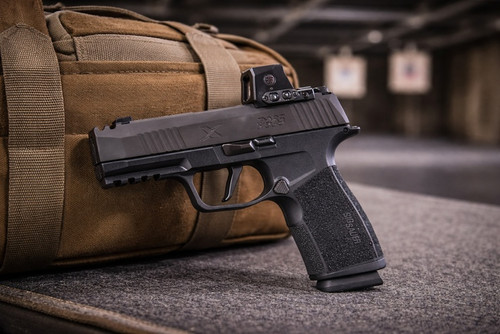
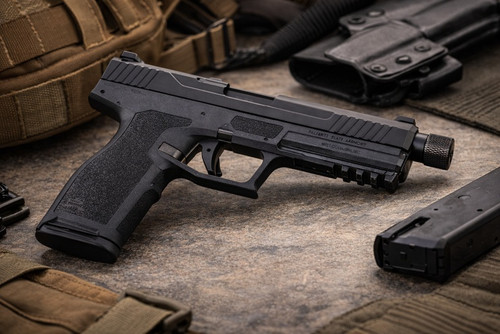
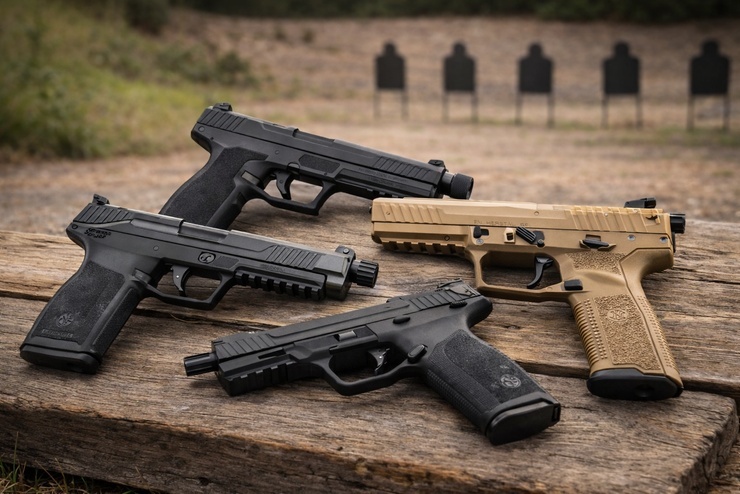
The PSA Rock 5.7 is a full-size striker-fired pistol chambered in the 5.7x28mm cartridge. It uses 23-round magazines (23+1 capacity). The gun fits into the duty-sized category but shoots like a much smaller firearm.
PSA built this pistol around the idea of making the 5.7 cartridge more accessible to the average shooter. The Rock joins a small club of 5.7 pistols but aims to be the value leader.
Why 5.7 pistols are a small club
The modern 5.7×28mm pistol market began with FN’s Five-seveN, and for years it was the best-known option in the category.. For many years, it was the only option for those wanting this unique cartridge in a handgun. The high price kept many away.
Ruger broke that pattern in 2019 with their Ruger-57. It brought you a lower-cost option, like finding the same meal on a smaller menu. PSA followed with their Rock in 2022. It pushed the price lower again and still kept the key features.
What buyers usually want from a 5.7 pistol
People gravitate to 5.7 pistols for several reasons. First, they shoot extremely flat with minimal muzzle rise. Second, follow-up shots come quick and easy due to the light recoil. Third, capacity tends to be high – the Rock holds an impressive 23+1 rounds.
Many also appreciate the optics-ready options in modern 5.7 pistols, including the Rock. The cartridge can reach out a bit farther than typical pistol rounds, so adding a red dot makes sense for many users.
PSA Rock quick specs and key features
Specs snapshot
- Caliber: 5.7x28mm
- Action: Striker-fired
- Weight: 23.9 oz (unloaded)
- Barrel length: 4.7 in
- Overall length: 8.5 in
- Width: 1.4 in
- Height: 5.7 in
- Capacity: 23+1
- Comes with: Soft case, 1 magazine, manual, lock
Feature highlights
The Rock has front and rear slide serrations. You get a better grip for press checks and slide work. A Picatinny accessory rail sits under the barrel. You can add lights or lasers without fuss. The pistol uses Glock-compatible sights, which makes upgrades straightforward.. So swapping or upgrading them stays simple.
The PSA listing describes the slide as stainless steel with a black DLC finish (model details can vary). The barrel is fluted. That cuts weight and helps it cool faster during high-volume shooting.
Optics-ready versions are set up for a direct-mount Shield footprint, and PSA also sells an optics-ready slide that includes plates for Trijicon RMR and Docter footprints.
Rock vs Ruger-57 vs FN Five-seveN
| Model | Street Price | Capacity | Optics Ready? | Mag Cost |
|---|---|---|---|---|
| PSA Rock | $400–$600 | 23+1 | Yes (some models) | ~$20 |
| Ruger-57 | $650+ | 20+1 | Yes (some models) | ~$30 |
| FN Five-seveN | $1,200+ | 20+1 | Depends on model | $50+ |
How we tested the PSA Rock
We evaluated the PSA Rock using Pro-Armory’s team background in military service, competitive shooting, and work in gun shops. We also backed that up with careful research from manufacturer data, independent reviews, and trusted ballistic resources.
We also studied how the pistol performs on paper and how it works for regular owners, based on reported accuracy at common defensive distances, owner feedback on function, and expert notes on ergonomics and handling.
We looked at key function areas like feeding, firing, ejection, and last-round lock-back using pooled owner reports and technical documentation.
For trigger feel and practical accuracy, we used published measurements, clear photo proof of group sizes, and side-by-side writeups from trusted evaluators. We used the base model with standard sights as our main reference point.
Fit, feel, and controls
Grip shape and texture
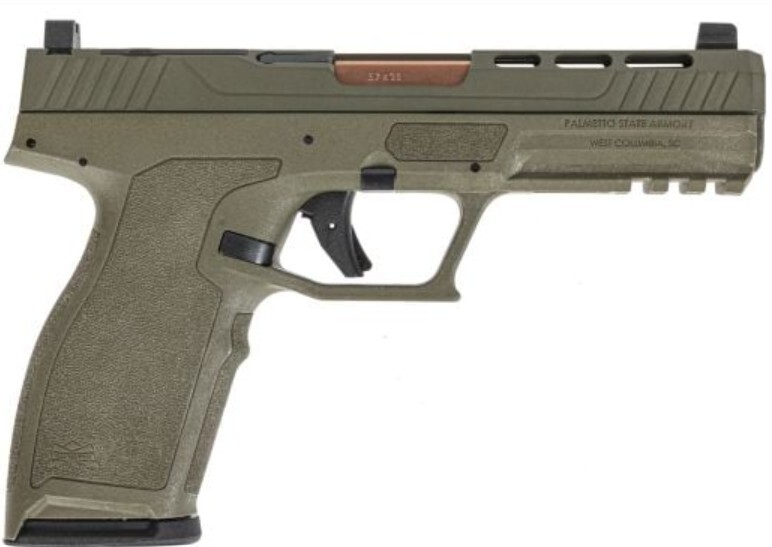
The Rock's grip has an oval shape that accommodates a range of hand sizes. Despite the high capacity, the grip doesn't feel overly large. The texture PSA describes as "aggressive" actually feels moderate – just enough to maintain control without being abrasive.
An undercut trigger guard and raised beavertail allow for a high grip position. This high grip combined with the pistol's low bore axis contributes significantly to the minimal felt recoil and muzzle flip.
The front of the grip features texture panels that create purchase for the support hand without being uncomfortable during extended shooting sessions.
Controls and manipulation
The magazine release sits in a standard location and works well. The slide stop/release is positioned rather high on the frame, which can be good for positive engagement but might explain some of the failure-to-lock-back issues reported.
Magazines have an oval base plate with a lip that matches a cut in the grip frame. This design helps extract stubborn magazines but takes some getting used to compared to square-based magazines. All tested magazines dropped free when released.
The trigger has several millimeters of somewhat stiff travel before hitting a firm wall. Trigger pull weight varies by sample and reviewer, so treat published numbers as a reference point and confirm with your own hands before buying.
Trigger breakdown
The trigger on the Rock features initial take-up with some resistance, followed by a distinct wall. After reaching that wall, it breaks with a clean snap. Reset happens quickly and provides both tactile and audible feedback.
For practical shooting, this trigger helps you run controlled pairs with solid accuracy. The short reset keeps you moving fast. It makes quick follow-up shots feel easier. That matters with the low recoil of the 5.7 round.
And because the 5.7 cartridge has very little recoil and muzzle flip, your trigger work matters more. The gun stays steady between shots. So a heavy or gritty trigger shows up right away. It’s like trying to write neatly with a sticky pen. You notice it fast.
Dry fire practice will quickly reveal how the trigger feels to you. Some reviewers reported a TT33-like feel with a long, light take-up followed by a short, heavier second stage.
How the PSA Rock shoots at the range
Recoil and muzzle flip
The Rock shoots very flat. Recoil feels close to a .22 pistol. That “flat” feel comes from a few parts working together: the low bore axis, the well-designed and high grip position, and the 5.7x28mm cartridge.
The Rock shoots flat and recoil feels light for a centerfire handgun. The 5.7×28mm cartridge and the pistol’s size help keep muzzle rise down, which makes fast follow-up shots easier.
Accuracy results in plain terms
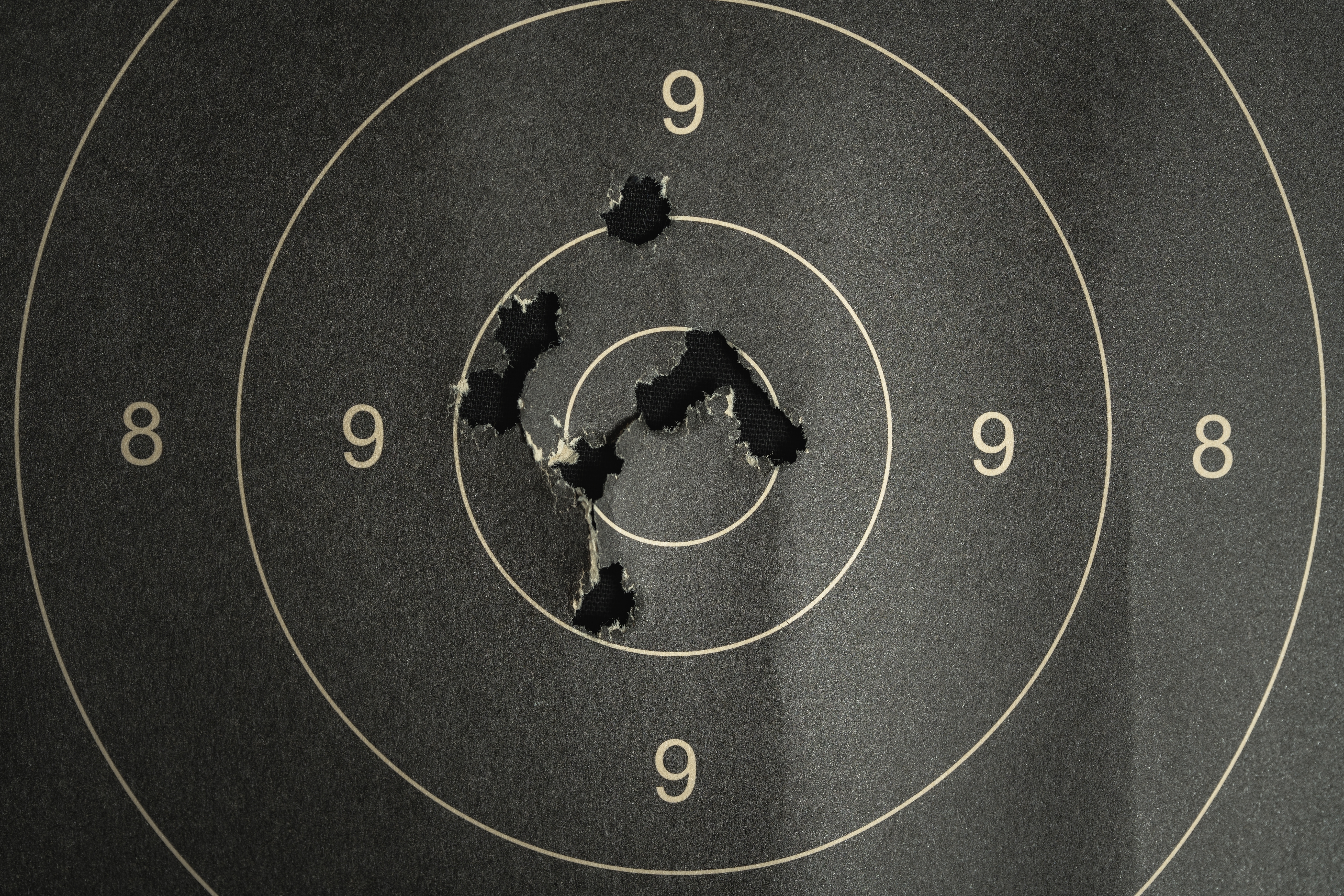
Testing showed accuracy averaging around 1-inch groups at 7 yards with iron sights. The long 4.7-inch barrel and generous sight radius help achieve this precision.
The trigger, despite some variance in measured pull weight between reviewers, offers enough consistency to produce repeatable results. For practical accuracy, the Rock performs admirably at standard handgun distances.
Reliability notes
Through 150 rounds of testing, all rounds fed, fired, and ejected properly. However, two failures to lock the slide back on the last round did occur. Given the high position of the slide stop, this might result from grip interference or the geometry of the part itself.
The gun's delayed blowback system seems to extract and eject spent cases cleanly. Extraction and ejection are generally reported as consistent, but reliability still depends on ammo choice and shooter grip.
Why the PSA Rock is different from other 5.7 pistols
The Rock stands out primarily for its price point. Starting at $499 for the base model and maxing out at $599 for premium versions, it undercuts the Ruger-57's street price and costs less than half of what an FN Five-seveN typically commands.
This price advantage doesn't come with major functional compromises. The Rock offers comparable or superior capacity (23+1 vs 20+1), similar accuracy, and modern features like optics-ready slides on certain models.
Magazine cost represents another value advantage. Rock magazines retail for about $20, compared to approximately $30 for Ruger magazines and significantly more for FN magazines.
The Rock uses a delayed-blowback style operating system, but PSA does not market it as a traditional tilting-barrel locked-breech design. . In simple terms, the barrel and slide move back together for a moment. Then the levers slow the slide down. That keeps pressure safer as the case pulls out. You feel it as a softer shot. And if you like how things work, this system is fun to learn.
One unique detail is the fluted barrel. It helps shed heat during long range days. It also trims a bit of weight. These small choices show PSA put solid engineering work into the Rock.
Tradeoffs you should not ignore
The big downside with any 5.7 pistol is ammo cost. Bulk 5.7x28mm still costs more than common pistol rounds like 9mm or .45 ACP. That gap adds up fast. It can cut your practice time unless your ammo budget has room to breathe.
Some Rock owners manage this by combining limited live fire with extensive dry fire practice. Others buy in bulk when sales appear. Remember that the cost of feeding the gun will likely exceed the purchase price many times over during its lifetime.
The 5.7x28mm round also creates significant noise and muzzle blast due to its high operating pressure. This can be uncomfortable at indoor ranges, especially in lanes adjacent to other shooters.
Proper hearing protection becomes absolutely essential. Double up with both plugs and muffs when shooting this caliber indoors.
Who the PSA Rock is for
The Rock makes most sense for range shooters wanting a fun, flat-shooting handgun with minimal recoil. People who find standard 9mm pistols too snappy will appreciate how the Rock stays on target through rapid strings.
It also fits those fascinated by the 5.7x28mm cartridge but deterred by the high cost of other options. Training instructors may value it for teaching follow-up shots and trigger control without the distraction of significant recoil.
The high capacity and full-size dimensions make it suitable for home defense applications, though ammunition selection becomes important for such use.
Who should skip it
Anyone extremely budget-conscious should think twice. The ammunition costs alone make the Rock more expensive to shoot regularly than almost any common caliber handgun.
Those seeking deep concealment should look elsewhere – at 8.1 inches long and 25 ounces, the Rock is firmly in the full-size category. Folks who need extensive aftermarket support should also wait, as the ecosystem around the Rock is still developing.
Shooters who prioritize a light, crisp trigger might want to budget for a trigger job or look at other options, given the mixed reviews on trigger weight.
PSA Rock vs FN Five-seveN vs Ruger-57 vs S&W 5.7
Comparison by buyer goal
For lowest entry price, the PSA Rock wins hands down at $499 base. For its proven track record, FN's decades of experience with the caliber puts the Five-seveN ahead. For out-of-box features, the Rock offers impressive value with its fluted barrel, high capacity, and moderate price point.
Regarding optics, both Ruger and PSA offer solid options, but check current models for specific mounting solutions. For magazine value, PSA magazines cost less and hold more rounds than the competition.
What to check before you choose
Before buying, verify current street pricing as sales can change the value equation. Also check magazine availability and cost, as these represent an ongoing expense.
Confirm which optic footprints work with your chosen model, and whether you'll need adapter plates. Research holster options – newer firearms sometimes have fewer holster choices initially. Finally, compare warranty terms across brands if post-purchase support matters to you.
Optics and setup guide
If you want a dot
The optics-ready version of the Rock comes with adapter plates for common red dot footprints. The plates add some height, so a true co-witness with iron sights may require taller sights depending on your optic choice.
When mounting, use thread lockers on the screws but don't over-torque them. Check tightness periodically during the first few range sessions as vibration can loosen even properly installed optics.
If you want irons only
The Rock comes with steel Glock-pattern sights, which means a huge variety of replacement options exist. Consider fiber optic front sights for better visibility in varied lighting conditions.
The steel construction of the factory sights provides durability advantages over polymer sights. If you stick with factory sights, a dab of bright paint on the front sight can improve sight acquisition in dim lighting.
How to field strip, clean, and maintain the PSA Rock
HowTo steps
Follow the PSA manual for your exact model (steps vary).
- Clear the pistol by removing the magazine and checking the chamber is empty
- With the pistol pointed in a safe direction, follow the manual’s procedure (most striker-fired pistols require a dry-fire step during takedown).
- Pull the slide back about 1/4 inch
- Pull down the takedown tab forward of the trigger
- Push the slide forward until it overhangs the dust cover by 1/3 inch
- Lift up to remove the slide and barrel assembly
- Reassemble by pushing the slide down and back until the latch clicks
Maintenance cadence
PSA recommends cleaning every 500 rounds. That’s a fair pace for most users. When you clean it, focus on the feed ramp and extractor. Those spots can cause problems fast if they get dirty.
Put lube on the slide rails and barrel hood. Keep it light. A thin coat on the outside of the barrel can help too. Skip heavy oiling, mainly in the firing pin channel.
Final Verdict
The PSA Rock 5.7 gives you strong value in a niche that used to cost a lot more. You get high capacity and low recoil. You also get features that work for fun range days and practical defensive use.
Buy the Rock if you want a lower cost way into the 5.7x28mm world. It also fits you if you like high capacity or want a soft-shooting full-size pistol. Skip it if ammo cost is your main worry. Skip it too if you need deep concealment.
Check current pricing and available Rock models. See if it fits your needs and budget.
Whether you’re using the PSA 57 Rock for fun at the range or considering it as a compact defensive option, pairing it with the right ammo makes all the difference. Visit our Best 5.7×28 Ammo From Self-Defense to Versatility guide to find 5.7×28 loads that match your goals.

Fiocchi HP 5.7x28mm 40gr THP
$26.01
at Pro Armory
Prices accurate at time of writing
Frequently Asked Questions (FAQ)
Is the PSA Rock good for new shooters who hate recoil?
Yes. It shoots flat and the recoil feels mild. That helps if you dislike muzzle flip. But keep this in mind. The noise and blast can still feel intense for a first timer.
Is the PSA Rock loud at indoor ranges?
Yes, it’s loud. The high-pressure 5.7x28mm round brings sharp noise and a big blast. Use plugs and muffs indoors. Your ears will thank you later.
Can the PSA Rock take a red dot and which version should I buy?
Yes, but you need the optics-ready version. PSA offers models specifically designed for optics mounting that come with adapter plates for common red dot footprints. If you want optics, choose an optics-ready version and confirm the mounting setup (PSA lists optics-ready models as direct-mount Shield footprint options).
How does the PSA Rock compare to the Ruger-57 for value?
The Rock often costs $100-150 less than the Ruger-57. It also gives you higher capacity at 23 rounds. The Ruger-57 holds 20. Rock magazines also cost less. Both offer optics-ready options. Both can be accurate.
What ammo should I use for testing and practice?
Federal American Eagle 40-grain FMJ is commonly used for practice. For defensive use, specialty rounds with controlled expansion exist but research thoroughly as terminal performance varies widely in this caliber.
Does last-round lock-back matter and how do I troubleshoot it?
Lock-back is useful as a visual/tactile empty indicator. If experiencing failures to lock back, check your grip (thumbs may ride the slide stop), clean the slide stop area, and ensure magazine followers are clean and undamaged.
About the Author
This article was written by the Pro Armory writing team based on current research. We used studies from sources like the Journal of Military Science, Firearms News, and the National Shooting Sports Foundation. We also used trusted details from official defense publications, the ATF, the NRA, and manufacturer manuals.
Disclaimer: This review is for education only. Laws vary by state and city and can change. Follow safe handling at all times. Read your owner's manual. Verify local rules before you buy or train.

Best Ammo Deals, Training, & Accessories
Subscribe to ProArmory sales and deals email.