 Pro Armory Editorial Team
Quick Answer
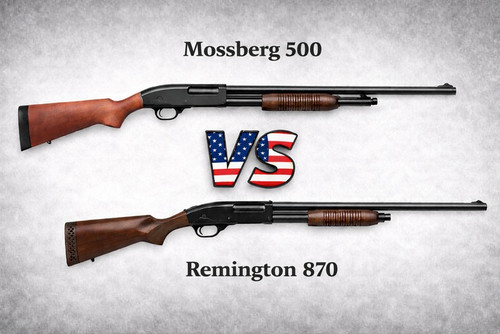
Both are proven pump shotguns. The Mossberg 500 line offers easy controls for lefties, simpler user-service parts, and a loader-friendly lifter. The Remington 870 line often feels tighter and smoother, and its cross-bolt safety is usually easier to run with traditional stocks and many pistol-grip setups. Your best pick depends on safety style, slide-release reach, upgrade plans, and which model variant you're actually buying.
Key Takeaways
- Mossberg's tang safety works great for right and left-handed users.
- Remington's action feels tighter and smoother.
- They use different receiver materials (500: aluminum alloy, 870: steel), but receiver durability is rarely the deciding factor for normal shooters.
- Magazine extensions are often simpler on 870 setups, but some newer 870s have dimpled tubes that require modification before adding an extension.
- Mossberg's lifter design speeds up loading and reduces pinched fingers.
- Choose based on controls, intended use, and the exact model version.
At the gun counter, two buyers stand side by side. One wants home defense peace of mind. The other needs to break clays on the weekend. Same basic pump shotguns catch their eye, but each has different needs.
The salesperson asks both to try a simple drill: shoulder the gun, click the safety, rack the slide, hit the slide release, then run the action again. Instantly, the lefty prefers the Mossberg tang safety. The clay shooter loves how smooth the Remington feels when cycling.
This guide breaks down what matters when choosing between America's two pump shotgun kings – the real hands-on stuff like controls, action feel, build quality, and what happens when you need to load fast or make changes.
The Real Question You're Answering
"Which pump shotgun fits my hands and my job?"
When people debate "Mossberg vs Remington," they often miss that each is a huge family of guns, not just one model. The Mossberg 500 series includes the standard 500, tactical 590, heavy-duty 590A1, and even the pistol-grip Shockwave. The Remington 870 spans from basic Express models to premium Wingmasters, tactical variants, and the TAC-14 “firearm” variants (not classified as shotguns).
Comparing "500 vs 870" without saying which version misses big differences. A basic 500 field gun differs hugely from a 590A1 with ghost ring sights, just as an 870 Express hunting model isn't the same as a tactical version with extended tube.
Let's focus on the core platform traits, then call out where certain models change the rules.
Mossberg 500 vs Remington 870
| Feature | Mossberg 500 Series | Remington 870 Series |
|---|---|---|
| Safety Location | Tang-mounted (top of receiver) | Cross-bolt safety (trigger guard) |
| Slide Release | Behind the trigger | In front of the trigger |
| Receiver Material | Aluminum | Steel |
| Extractors | Dual extractors | Single extractor |
| Lifter Style | Always up, skeletonized lifter | Down-position solid lifter |
| Extension-Friendly | Varies by model | Generally yes (with some exceptions) |
| Best For | Left-handed users, easy loading, simple user-level repairs | Smooth action feel, pistol-grip setups, traditional handling |
Controls That Decide Comfort Fast
Safety placement
The safety location creates the biggest "feel" difference between these shotguns. Mossberg puts the safety on top of the receiver tang where your thumb naturally rests. Push forward to fire, pull back for safety. Remington uses a cross-bolt safety in the trigger guard (direction depends on how it’s configured; most are set up for right-handed use).
Left-handed users often prefer the Mossberg – the tang safety works identically for righties and lefties. The Remington cross-bolt needs a reach across with the trigger finger for lefties, which slows things down.
But pistol-grip stocks flip this advantage. With a pistol grip, reaching the Mossberg's tang safety takes a major grip shift. The Remington's trigger-guard safety stays right by your finger no matter what stock you use.
Want a quick test? Shoulder each gun and try clicking the safety on and off without shifting your grip. Whichever feels more natural might be your best pick.
Slide release placement
The slide release button also sits in different spots. Remington puts it in front of the trigger guard, which many shooters reach with the trigger finger or support hand depending on grip and hand size. Mossberg places it behind the trigger, and lets you press it with your middle finger without breaking your grip.
This matters when you need to unlock the action after emptying the gun or during a chamber check. The Mossberg setup lets you maintain a firing grip through the whole process. With Remington, you need to adjust your hand position slightly.
Try this at the store: shoulder the gun, then imagine you just fired your last shell. Can you hit the slide release without totally changing your hand position? That tells you a lot about which will feel better in use.
Action Feel and What's Going On Inside
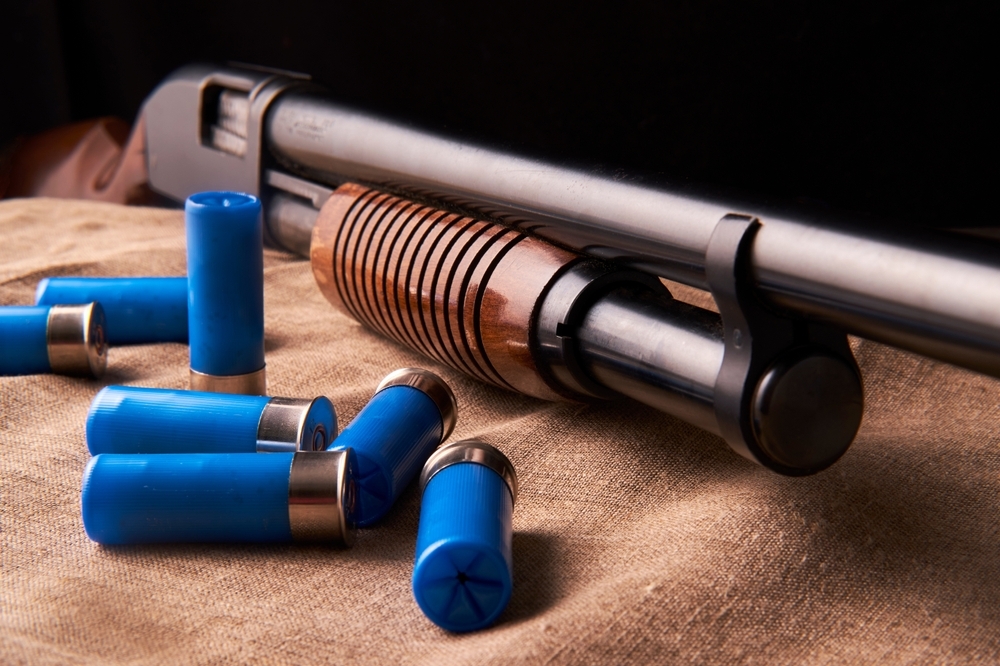
Why both feel different when you rack them
Pump the action on both shotguns and you'll notice an immediate difference in feel. Both use twin action bars for strength, but how they're built creates very different sensations.
Remington’s forend tube assembly ties the action bars together, which often contributes to a tighter, more ‘on-rails’ feel when cycling. Many describe it as "smoother" and more premium-feeling.
Mossberg uses two pinned action bars connected to a separate slide assembly. This creates a bit more play or movement in the action – what some call a "looser" feel when pumping. It's not worse, just different.
You'll notice this when working the action slowly or quickly. The Remington slides like it's on rails. The Mossberg has a slightly more mechanical feel with a touch more side-to-side movement.
Repairs and parts replacement mindset
The action design creates big differences if you ever need repairs. If an action bar gets bent or damaged, Mossberg's pinned design lets you remove and replace just that part fairly easily. The Remington's one-piece design means replacing the entire assembly if one part gets damaged.
For the home-gunsmith, Mossberg generally offers more user-friendly repairs. Many parts can be swapped with basic tools. Remington often requires more specialized knowledge or a trip to a gunsmith for the same fixes.
Most owners never need to repair these areas, but if you plan to use your shotgun hard for decades, the serviceability factor might matter.
Materials and Weight
Steel vs aluminum receiver—what it changes and what it doesn't
One major physical difference is the receiver material. Remington builds 870s with steel receivers. Mossberg uses aluminum for the 500 series. This creates noticeable weight differences – Weight varies by barrel length and furniture, but 870 models are often heavier than comparable 500-series models.
Does steel make the Remington "stronger"? Technically yes, but practically no. The aluminum Mossberg receivers have proven extremely durable through decades of hard use. The Mossberg 590A1 is known for meeting military procurement requirements, and the 500-series aluminum receivers have a long track record in hard use.
The weight difference matters more for how the gun handles than durability concerns. For all-day hunting treks, the lighter Mossberg might feel better after miles of walking. For clay shooting, the Remington's extra heft can create a smoother swing and less felt recoil.
For home defense, either material works perfectly fine – choose based on the feel you prefer rather than worrying about receiver strength.
Magazine Tubes and Capacity Upgrades
The "easy extension" question
Adding extra capacity is a common upgrade, but it works differently on each platform. The basic Mossberg 500 makes magazine extensions tricky because the barrel attaches directly to the magazine tube. To extend capacity, you need a matching barrel and tube combo.
The Mossberg 590 fixes this issue, and also lets you add extensions directly to the existing tube. If magazine capacity matters to you, the 590 might be worth the price bump over the standard 500.
Traditionally, extending a Remington 870 was simple – unscrew the magazine cap and add an extension. But newer production models often have "dimpled" magazine tubes that block the spring and follower from entering an extension. These dimples must be removed (requiring tools or a gunsmith) before extensions will work properly.
Another factor: Remington solders their magazine tubes in place. If you damage the tube, replacement is harder. Tube and cap designs vary by model. In general, Remington magazine tubes are more involved to replace, while Mossberg designs are often simpler to service.
Extractors, Ejectors, and Feeding Confidence
Extractor layout
Both shotguns need to grab and remove spent shells, but they do it differently. Remington uses a single extractor that grips the rim of the shell and pulls it from the chamber. Mossberg uses two extractors for redundancy.
Does this matter? In normal use, not really. Both systems work well. But if you run thousands of rounds or use the shotgun in dirty conditions, Mossberg's dual extractors offer a safety net – dual extractors add redundancy, even though extractor failures are uncommon for most owners.
Ejector serviceability
The ejector (the part that kicks shells out of the gun) also differs in design. Mossberg uses a screw-in ejector that can be removed with basic tools. Remington rivets their ejector in place and makes replacement much harder without gunsmith help.
Most users never touch this part, but for high-volume shooters who might wear parts out, the Mossberg offers easier long-term maintenance.
Shell Lifters and Loading Speed
Why loading feels different
Loading the guns shows another major difference. Mossberg uses a special shell lifter that stays in the "up" position and has a skeletonized (cut-out) design. Remington's lifter stays down until needed and forms a solid "gate" to the magazine.
The practical effect? Mossberg shotguns tend to load faster and more comfortably. The open lifter lets you slide shells in with less resistance. Remington's design forces you to push past the lifter, which can pinch fingers when loading quickly – an unpleasant surprise during rapid reloads.
For casual shooters, this might not matter. But if you run the gun hard in competitions or tactical situations where fast reloading counts, many find the Mossberg design more finger-friendly.
Malfunction access
If a shell gets stuck, the Mossberg's skeletonized lifter offers an advantage. You can reach through the bottom of the receiver and manipulate a stuck shell. The Remington's solid lifter blocks this access, sometimes making malfunction clearing more complicated.
Again, this rarely matters for casual users but can be important for those who depend on their shotgun in high-stress situations.
Small Differences That Matter More Than You'd Expect
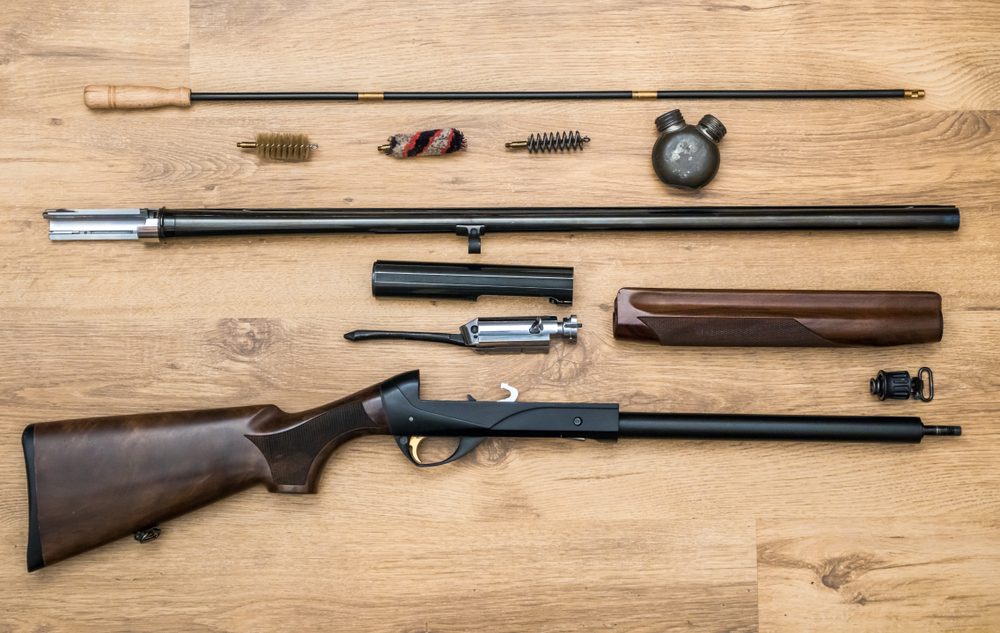
Optics and receiver readiness
Want to add an optic? Many Mossberg 500/590 models are drilled and tapped, but you should still verify the exact SKU before buying. That means you can mount a scope base without extra work. Many Remington 870 models do not come set up this way. You may need a gunsmith to drill and tap the receiver first.
If you plan to run a red dot or scope, check the exact model before you buy. This small detail can save time. It can also save money.
Mini shells and specialty feeding
Mini shotshells can cut recoil and add capacity. But some shotguns feed them better than others. The Mossberg 500 series can use the OPSol Mini-Clip adapter. It helps mini shells feed with less trouble. The Remington 870 does not have a matching adapter option. That makes mini shells harder to use in a practical way.
If you want to experiment with reduced-recoil mini shells, the Mossberg 500-series has more established mini-shell workarounds (like the OPSol adapter), though reliability still varies by gun and load.
Barrel profiles and "duty" variants
Barrel thickness changes from model to model. Barrel profiles vary by model. The Mossberg 590A1 is the standout for a heavy-walled ‘duty’ barrel, while field models from either line prioritize weight and handling. But the Mossberg 590 and 590A1 step up to thicker barrels. Those heavy-walled barrels handle rough use better. Kind of like a work boot compared to a running shoe.
For most users, the standard barrel works fine. But if you want extreme durability, compare the 590A1 and tactical 870 models. Do not compare the base versions.
Price, Value, and "What You're Really Paying For"
Don't compare names—compare exact models
Prices can fool you if you do not match models. A basic Mossberg 500 field model often costs less than a basic Remington 870 Express. The feature list explains much of that gap.
When comparing prices, look at:
- Finish quality
- Furniture (stock and forend)
- Sighting system
- Magazine capacity
- Barrel type/length
- Included chokes
A cheaper gun with fewer features isn't necessarily a better value than a more expensive one with everything you need built in.
Simple value rule
If you want a workhorse shotgun you can service yourself, with ambidextrous controls and user-friendly loading, the Mossberg line makes sense – especially the 590 variants for tactical use.
If you prefer a smoother action feel, traditional cross-bolt safety, and don't mind occasional gunsmith help for certain modifications, the Remington 870 remains an excellent choice – especially in Wingmaster trim for premium fit and finish
Your intended use matters more than brand loyalty. Match the gun to your specific needs.
Which One Should You Buy? (Fast Matching Guide)

Pick the Mossberg line if…
- You're left-handed or share the gun with lefties
- You like tang safeties and easy-to-reach controls
- You value user-serviceable parts for long-term maintenance
- You want a more finger-friendly loading experience
- Mini shells interest you for low recoil or higher capacity
Pick the Remington line if…
- You prefer a tighter, smoother pump action
- You use a pistol grip or plan to add one later
- You want a slightly heavier gun to reduce felt recoil
- You love the classic 870 feel and accessory compatibility
- You prefer the cross-bolt safety position
If you're stuck, use this 60-second test
Still can't decide? Try this quick test at your local gun shop:
- Shoulder each gun and work the safety without moving your grip
- Try reaching the slide release from firing position
- Cycle the action slowly, then briskly – note which feels better
- Practice loading a few dummy rounds if allowed
- Check the sight picture and overall balance
Your hands will tell you what works best for your body and needs.
How To Choose Between the 500 and 870 in One Store Visit
- Confirm the exact model and capacity on the tag.
- Shoulder it and check sight alignment.
- Run the safety on and off without shifting grip.
- Find the slide release and test reach.
- Cycle the action slowly, then briskly.
- Test the loading port feel with dummy rounds if the shop allows.
- Decide based on comfort, not brand loyalty.
The Bottom Line
This pump shotgun debate is less about the logo. It’s more about fit and function. The Mossberg 500 series gives you ambidextrous controls. It also keeps maintenance simple. Loading tends to feel more user friendly too.
The Remington 870 line brings a smoother action. The safety sits in a more traditional spot. And the handling feels classic in a way that’s hard to ignore.
Also, the model can change the whole story. A premium 870 Wingmaster is a different animal than a basic Express. A tactical 590A1 can also bring features that a standard 500 does not include.
So match the shotgun to your hands and your needs. Let ergonomics lead the choice. Specs can look nice on paper. Your hands don’t care about paper. They care about fit.
Choosing between the Mossberg 500 and Remington 870 often comes down to ergonomics and personal preference, but ammo choice is what unlocks each shotgun’s full potential. Before making your final decision, read Best 12-Gauge Shotgun Shells for Hunting and Home Defense to ensure you’re running the right shells for your needs.
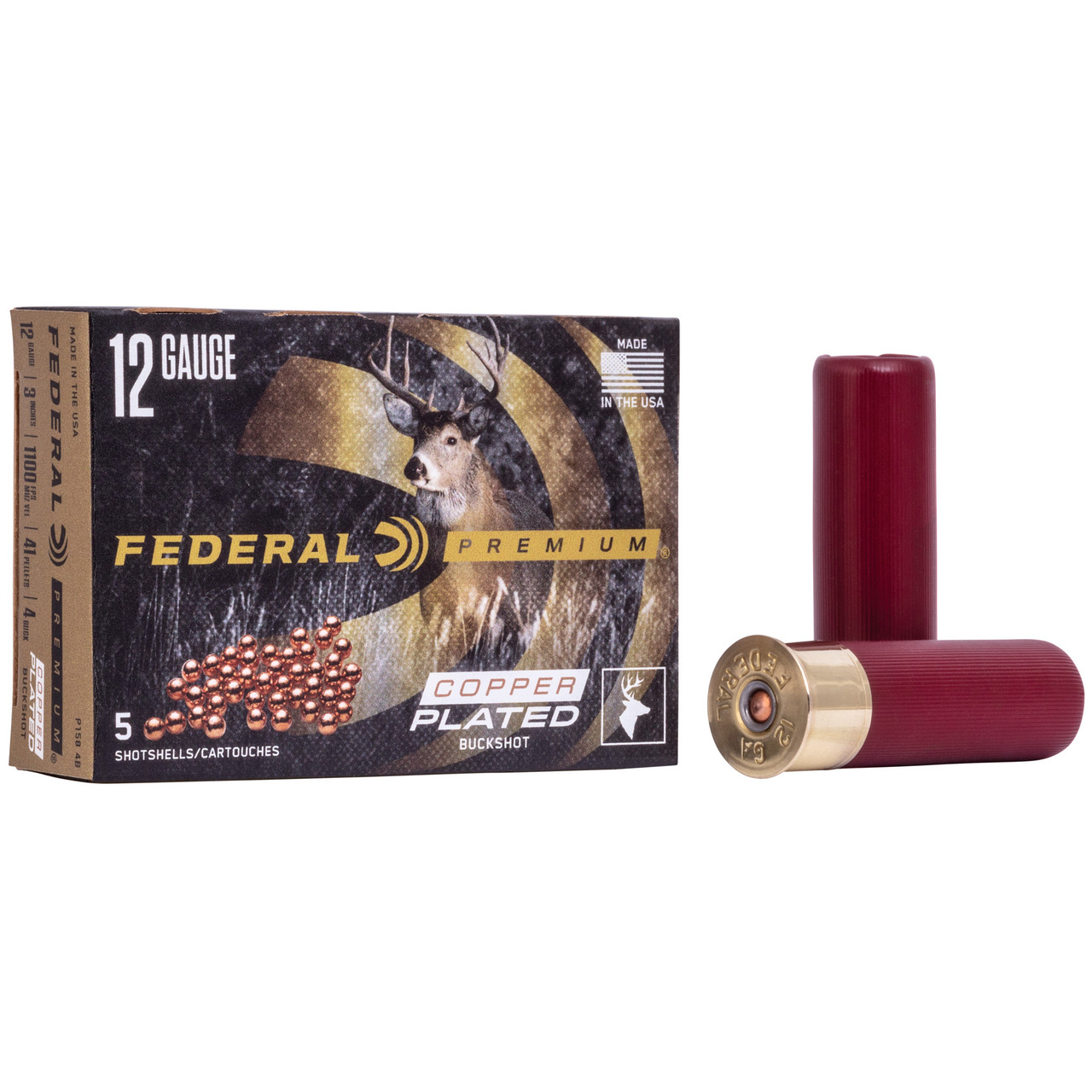
FEDERAL PREMIUM V-SHOK 12GA 3" #4 BUCK 5RD BOX
$14.30
at Pro Armory
Prices accurate at time of writing
Frequently Asked Questions (FAQ)
Is the Mossberg 500 more reliable than the Remington 870?
Both platforms have excellent track records when properly maintained. The Mossberg's dual extractors provide redundancy, and some Remington production eras have a mixed reputation for finish and consistency. Condition and exact variant matter a lot. Overall reliability depends more on maintenance than brand.
Which is better for left-handed shooters?
The Mossberg 500 series is generally better for lefties due to its ambidextrous tang safety and behind-the-trigger slide release. Remington's cross-bolt safety requires a reach across for left-handed operation.
Does a steel receiver last longer than an aluminum receiver?
In practical use, both materials prove extremely durable. The aluminum Mossberg receivers have proven their toughness through military testing and decades of hard use. Receiver failure is extremely rare with either platform under normal conditions.
Which one is easier to add a magazine extension to?
Remington 870s without dimpled magazine tubes and Mossberg 590 models accept extensions most easily. Basic Mossberg 500s require barrel/tube combination changes, and newer Remingtons with dimpled tubes need modification before extensions work properly.
Which platform is easier to load fast under stress?
The Mossberg's skeletonized, always-up shell lifter typically allows faster, more comfortable loading with less finger pinching than the Remington's solid lifter design. For high-volume or stress loading, many prefer the Mossberg system.
Which is better for home defense: 500, 590, or 870 Tactical variants?
All three serve well for home defense. The 590 offers easier magazine extensions than the 500. The 870 Tactical brings a smooth action and pistol grip compatibility. Choose based on control preferences, as all will function reliably with proper ammunition.
About the Author
This article was written by the Pro Armory writing team based on current research, including studies from reputable sources like the Journal of Military Science, Firearms News, and the National Shooting Sports Foundation. We also referenced trusted information from official defense publications and respected firearm authorities such as the ATF, NRA, and manufacturer manuals.
Disclaimer: This review is for education only. Laws vary by state and city and can change. Follow safe handling at all times. Read your owner's manual. Verify local rules before you buy or train.

Best Ammo Deals, Training, & Accessories
Subscribe to ProArmory sales and deals email.