 Pro Armory Editorial Team
Quick Answer
The Henry .45-70 lever action is a smooth-cycling, hunting-ready rifle that balances classic looks with real field performance. With the right ammo, recoil stays manageable, accuracy at 75–100 yards is solid on irons, and function is flawless. Tube loading works well on older models but is slower than side gates. For most new-in-box Henry .45-70 models, expect roughly $820–$950 for the standard Side Gate Steel version, about $950–$1,100 for All-Weather variants, and typically $1,050–$1,250+ for Color Case Hardened versions depending on retailer and availability.
Key Takeaways
- Smooth lever action and consistent function across multiple shooters and trips.
- Recoil depends heavily on ammo choice, from mild to mule-kick loads.
- Practical accuracy favors 75–100 yards on irons, better with optics.
- Tube loading works, but side-gate models reload faster in the field.
- Drilled and tapped receiver makes adding a hunting scope simple.
- Case-hardened finish stands out if looks matter as much as performance.
You're moving through thick timber where visibility drops to yards, not hundreds. Bear sign is fresh. This is when a fast-handling, hard-hitting rifle matters more than sub-MOA groups from a bench. The Henry .45-70 lever action catches your eye - beautiful enough for the wall, but does it deliver when shots need to come quick and hit hard? Can you cycle that lever smoothly under stress and keep rounds on target? Let's find out what real field experience tells us.
What This Review Covers and Who This Rifle Is For
The big question: Is the Henry .45-70 lever action rifle a dependable, practical choice for big game and tough field conditions?
We'll also answer:
- How hard does it kick, and what ammo changes the feel most?
- How accurate is it at real hunting distances with iron sights?
- Is tube loading a deal-breaker compared to a side gate?
- Can it cycle fast and stay on target during quick follow-up shots?
- What should you upgrade first: scope, sling, recoil pad, or ammo?
This rifle appeals to hunters after big game at moderate ranges, folks who want bear protection in thick cover, and those who appreciate classic firearms that actually perform in the field.
The Henry .45-70 Models Covered Here
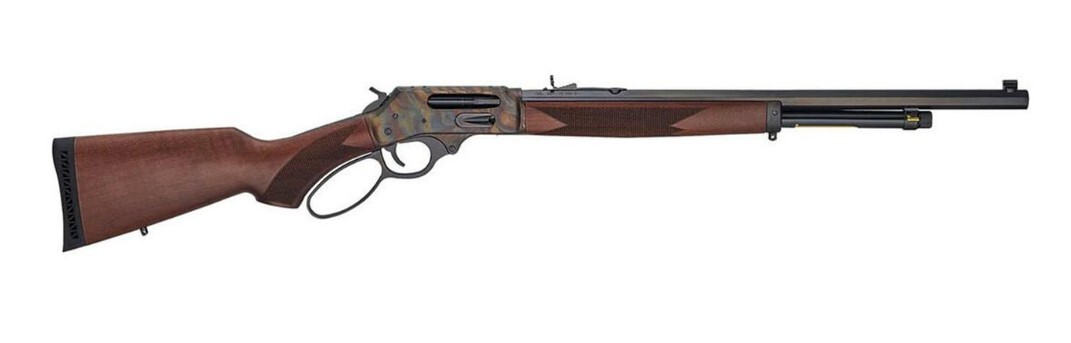
The Henry .45-70 comes in several finishes. The most common current pick is the Henry Steel Side Gate .45-70 (H010G), which typically lands around $820–$950 street depending on retailer and promos.
The Color Case Hardened versions usually run about $1,050–$1,250+ street depending on the specific model and stock status
Both run the same. But the case-hardened finish stands out on the rack and at the range. It also feels like the kind of rifle you pass down.
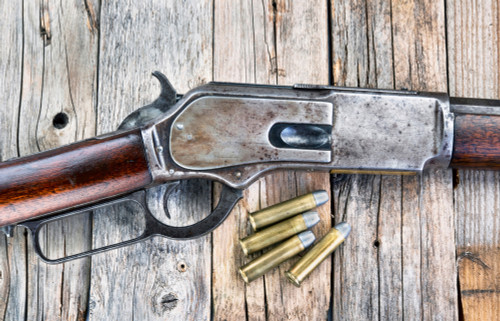
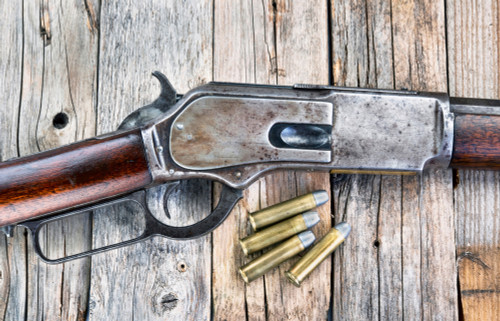
Earlier-production Henry .45-70 rifles were commonly tube-loading only, while current Side Gate variants add a side loading gate and typically still retain the tube unloading method for easier, safer unloading at day’s end. This gives you two simple options. You reload fast through the gate. You unload easily through the tube without cycling rounds through the action.
First Impressions, Fit, and Build Quality
The Henry .45-70 lands in a good weight range. At a little over 7 pounds, it feels solid. That weight helps manage recoil from this strong cartridge. It also stays easy to carry in the field. The balance can feel slightly forward on some setups, but most current .45-70 Henry Side Gate configurations are listed with a round barrel, so treat balance as model-dependent and influenced by barrel length, sights/optic, and loaded magazine. But that front weight helps steady your aim when you shoot offhand.
The lever action cycles smoothly right out of the box. No roughness, no hesitation - just clean, consistent movement. Users report it gets even slicker with use. This matters most when you need quick follow-up shots on game or in defense situations.
The wood quality impresses everyone who handles these rifles. The American walnut features clean grain patterns and comes nicely checkered for a secure grip in all conditions. The blued finish on standard models looks classic and resists corrosion well, but the case-hardened version takes things to another level with swirls of blue, purple, and amber that almost make you hesitate to take it into the field. Almost.
Loading System and Capacity
Loading the tube-fed Henry follows a simple set of steps. You unlock the brass follower tube at the muzzle end. You pull it out. You drop rounds into the exposed magazine tube. Then you slide the follower back in and lock it down. The steps are easy to learn. But your hand does move in front of the muzzle during the process. So you need strict muzzle control. You also want the chamber unloaded during loading for safe handling.
Capacity specs lists most current Henry .45-70 configurations are commonly listed as 4 rounds in the tube magazine (often described as 4+1 if you include one chambered). Don’t plan on “extra” capacity beyond published specs, and don’t force rounds if loading tension spikes.
Tube loading shows its limitations when you need to top off quickly in the field. Side-gate models have a clear advantage here. But tube systems excel when unloading the rifle - you can remove rounds without cycling each one through the action, which is both safer and more convenient at the end of a hunting day.
Shootability and Recoil
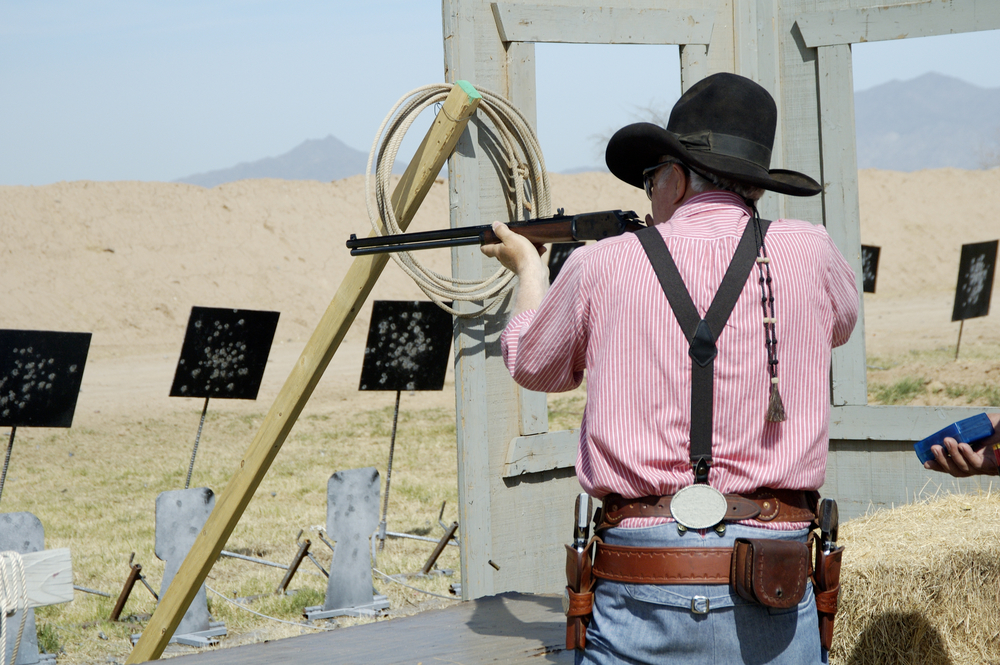
Recoil with the Henry .45-70 changes a lot based on your ammo choice. With light “Cowboy Action” loads, the rifle feels easy to shoot. You get a firm push instead of a sharp hit. Most shooters can run a full practice session without getting worn down.
Move to modern hunting loads or bear defense cartridges and the feel shifts fast. Full-power .45-70 loads hit hard. One user summed it up in a simple way: “it kicks like a mule.” The good news is Henry's weight helps tame that kick. With practice, you can still work the lever fast. You can also stay on target for follow-up shots.
The true test comes with rapid follow-up shots. Can you cycle the lever, maintain sight alignment, and hit a target at 100 yards under time pressure? Reports indicate the Henry passes this test, with users able to keep all shots on a 12-inch plate through six rounds of quick cycling - even with hefty loads.
Trigger pull is commonly described as field-appropriate (not a match trigger), and exact pull weight varies by individual rifle and break-in.
Safety and Carry
Many Henry .45-70 lever guns rely on an exposed hammer and a transfer-bar style safety system rather than a separate manual safety lever. It depends on the exact model and production run.. Instead, it uses a transfer bar safety system. This design keeps the hammer from hitting the firing pin unless you fully press the trigger. Lever guns have used this type of system for years. It has a long track record in the field.
Most experienced users suggest you carry the Henry with the hammer down on an empty chamber. This is a safer choice when you are moving through brush or rough ground. It also matters during loading because your hand goes forward of the muzzle. When you need to fire, you can cycle the lever and chamber a round fast. The motion is quick and familiar.
Accuracy and Realistic Hunting Distance
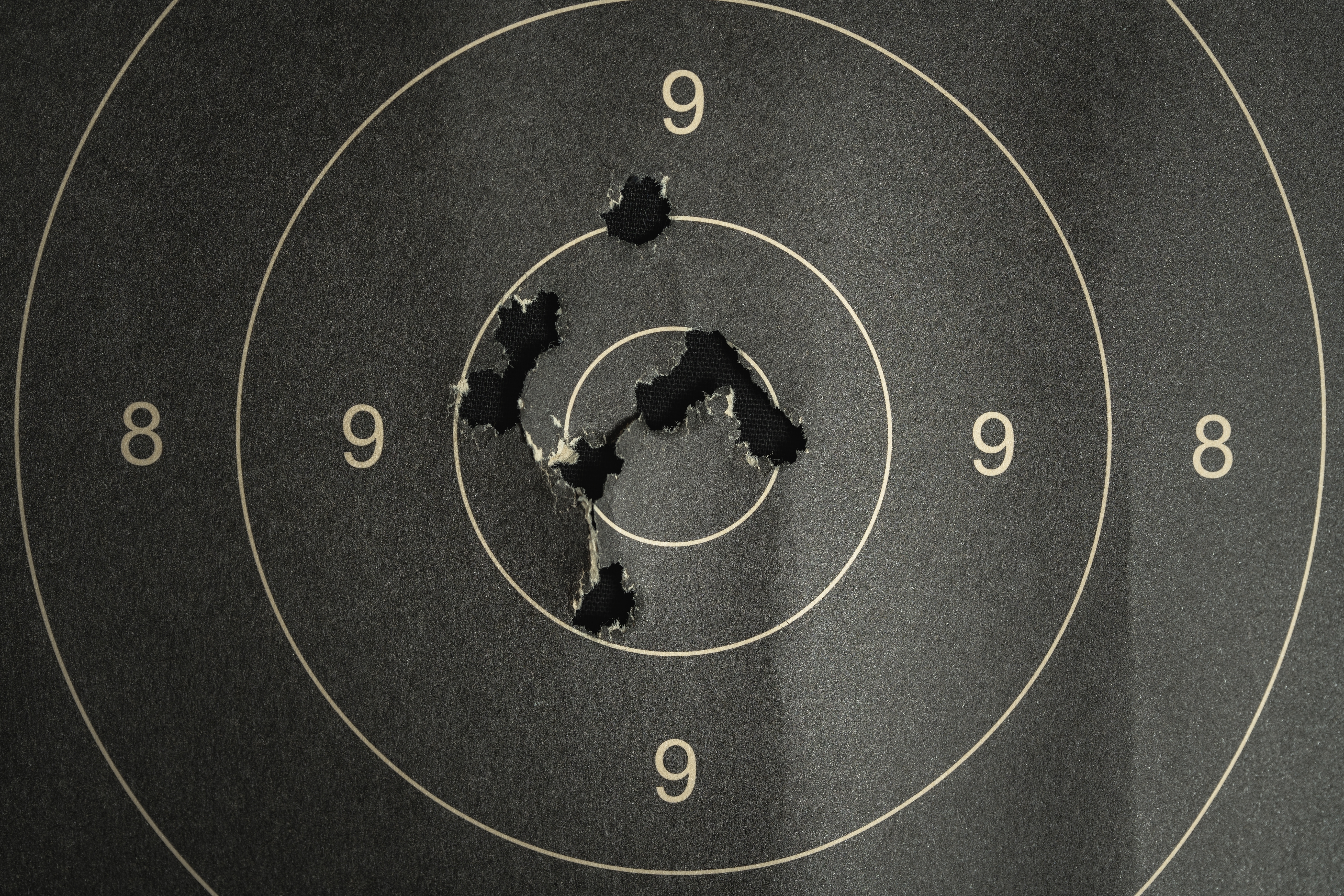
At hunting ranges of 75 to 100 yards, the Henry .45-70 can shoot accurately with iron sights. Many tests show 3 to 5 inch groups at these distances. The ammo you choose can shift results. Hornady Lever Revolution loads often group tighter than classic flat nose bullets. Even so, both types can take on a big game when you do your part.
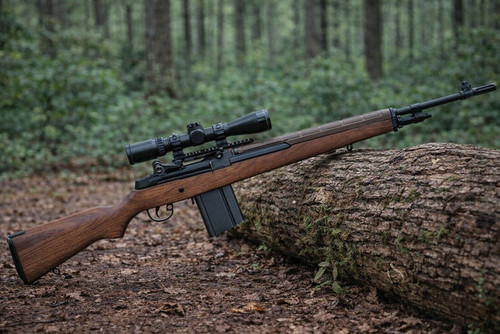
Some users also report that buckhorn sights can look small at 100 yards. That can be tougher if your eyesight is not sharp. The fix is simple. The receiver is drilled and tapped for scope mounts. A basic 3-9x hunting scope can clean up your sight picture. It also helps you aim with more control at longer ranges.
Sights and Target Acquisition
The Henry includes a semi-buckhorn rear sight and a brass bead front sight. This is a classic hunting setup. It works well when you need to get on target fast. The rear sight adjusts for windage and elevation, so you can set it for the load you use and the distance you want.
The bright front bead stands out in dim light. That makes target pickup quicker early in the morning and late in the day. In thick brush, iron sights can still beat an optic for speed. They keep the rifle light and simple.
Still, a scope can help once you stretch past 100 yards. It can also help if iron sights give you trouble. A modest hunting scope can sharpen the rifle’s precision. It does this without making the rifle feel clumsy or heavy.
Reliability
Multiple testers report firing 100+ rounds through the Henry with zero malfunctions of any kind. This included various shooters, different ammo types, and multiple range sessions - not just a single good day at the range. The action cycles smoothly, extracts and ejects consistently, and feeds without hesitation.
This kind of dependable performance builds real confidence for field use. When your rifle might be called on to stop a charging bear or take a once-in-a-lifetime trophy, knowing it will work flawlessly matters more than almost any other feature.
By-the-Numbers Scorecard
| Factor | Score | Notes |
|---|---|---|
| Reliability | 5/5 | Flawless function across users and ammunition types |
| Accuracy | 3/5 | Solid performance with iron sights; limited by sight radius |
| Ergonomics | 4/5 | Front-heavy but manageable, with smooth cycling |
| Looks | 5/5 | Beautiful wood furniture with optional case-hardening finish |
| Customization | 3/5 | Scope-ready but not intended for extensive modification |
| Value | 4/5 | Strong price-to-quality ratio for its category |
| Overall Rating | 4/5 | Excellent choice for its intended purpose |
Best Use Cases

The .45-70 cartridge has earned its reputation for taking down the biggest game in North America. The Henry lever action gives you a fast-handling platform for this powerful round, ideal for moose, bear, or elk at ranges under 200 yards. The ability to place quick follow-up shots sets it apart from single-shots or bolt actions in the same caliber.
For bear country protection, some outdoorsmen prefer a lever action .45-70 over a sidearm. The rifle delivers vastly more energy and is easier to shoot accurately under stress. Henry's smooth action makes it particularly well-suited to this role, but practice is essential - cycling under stress demands muscle memory.
At the range, the Henry .45-70 offers a mix of history and punch. Cowboy action loads make it pleasant enough for an afternoon of shooting, but stepping up to full-power loads gives you useful practice managing recoil and quick cycling. It's a gun that's fun to shoot and builds skills that matter in the field.
Pros and Cons
Pros
- Smooth action and strong function with zero reported failures
- Ammo flexibility from mild to heavy loads
- Good field accuracy at 75–100 yards
- Drilled and tapped for optics
- Classic looks and high-quality finish options
- Made in USA with excellent fit and finish
Cons
- Tube loading is slower than a side gate on older models
- Hot loads can feel brutal after a few rounds
- Buckhorn sights can limit precision at 100 yards for some shooters
- Not a "mod platform," upgrades are limited
- Premium finishes command significant price jumps
How-To Set Up a Henry .45-70 for Hunting
Step 1: Pick the right load for your goal
Choose lighter cowboy loads for practice. Choose modern pointed hunting loads for game. Choose heavy hardcast loads for bear defense. Match the load to your purpose for the best results.
Step 2: Confirm zero at your realistic distance
Start at 50 yards to set a basic zero. Then confirm at your expected hunting distance. Many hunters keep .45-70 zero at 100 to 150 yards at most.
Step 3: Add a sling and practice quick mounting
A leather or nylon sling helps with field carry. Practice mounting from carry position to shooting position until it feels smooth. That muscle memory helps when time is short.
Step 4: Decide on irons vs optics
If you struggle to see targets at hunting distance with buckhorn sights, add a scope. A 1-4x or 2-7x range works well for many .45-70 setups. It gives you help without turning the rifle into a heavy rig.
Step 5: Practice fast cycling with control
Run drills that make you work the lever quickly. Then get back on target for a follow-up shot. This skill matters most when the moment demands it.
Conclusion
The Henry .45-70 lever action delivers what it promises. You get a good-looking and hard-working rifle that handles big game cartridges with steady control. The action runs smooth. The fit and finish stand out. And the accuracy is strong enough for hunting needs at normal ranges.
Buy it if you hunt big game at a moderate distance. Buy it if you want a bear-country companion. Buy it if you like classic rifles that still perform. Skip it if you need long-range precision. Skip it if you want a highly customizable platform. Also skip it if you cannot manage stout recoil with full-power loads.
For many hunters, the Henry strikes a strong balance between tradition and function. And it looks good in the rack too.
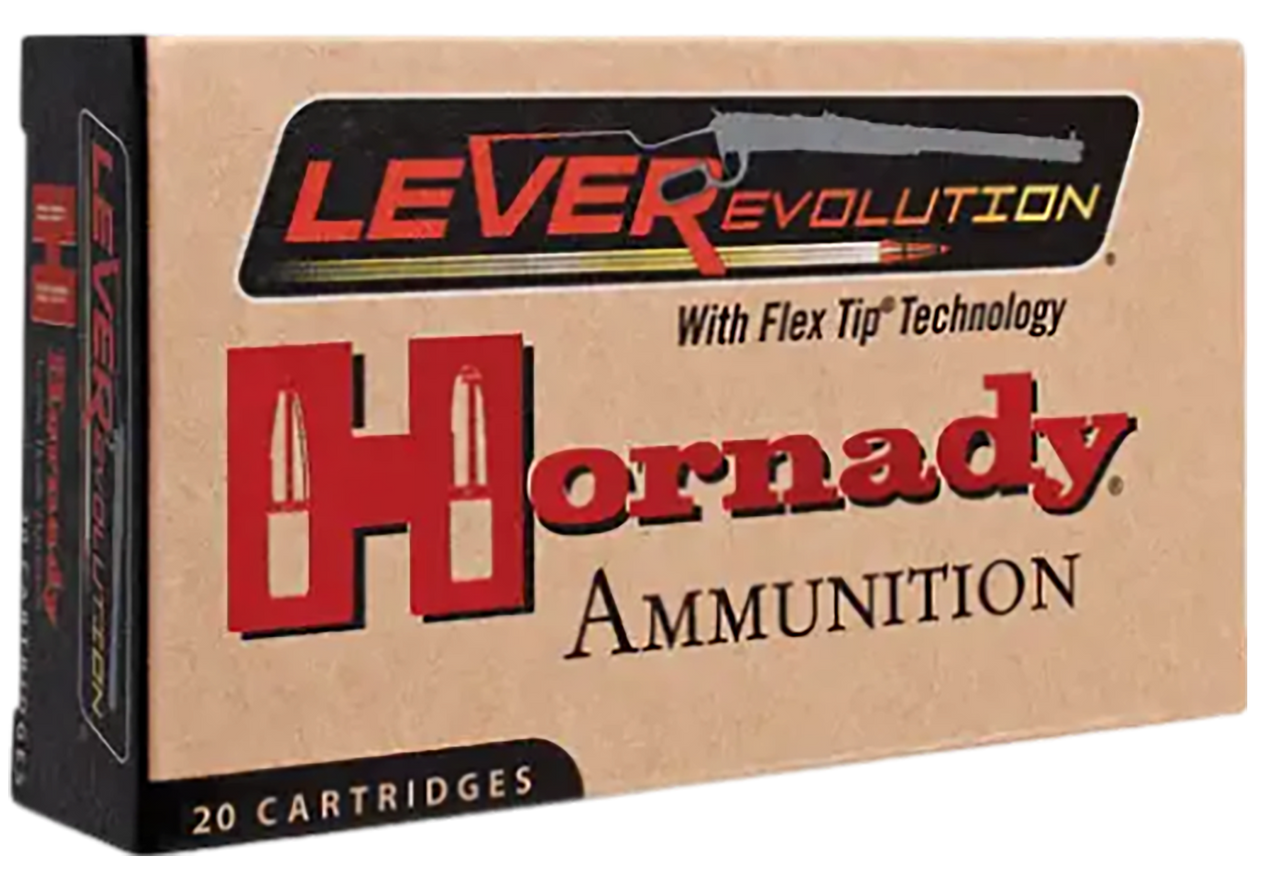
Hornady LEVERevolution 45-70Gov 325gr Flex Tip
$49.15
at Pro Armory
Prices accurate at time of writing
Frequently Asked Questions (FAQ)
Is the Henry .45-70 enough for big games in North America?
Yes, with proper loads and shot placement, the .45-70 has taken every species of big game on the continent at appropriate ranges (typically under 200 yards).
How bad is recoil in a Henry .45-70?
It varies dramatically by load. With cowboy action loads, it's surprisingly mild. With full-power hunting or bear loads, it kicks hard but remains controllable thanks to the rifle's weight.
Is tube loading a problem for hunting?
It's slower than side-gate loading when you need to top off quickly. Newer models offer both loading options. For most hunting scenarios, the tube system works fine.
How accurate is it at 100 yards?
With iron sights, expect 3-5 inch groups at 100 yards. Adding a scope typically shrinks groups considerably and extends effective range.
Can I mount a scope on it?
Yes. Henry lists a drilled-and-tapped receiver on current configurations like the H10 All-Weather line, which supports conventional scope mounting.
How many rounds does it hold?
Officially 4+1, but many users report fitting 5 in the magazine plus 1 in the chamber. Don't force extra rounds if loading becomes difficult.
About the Author
This article was written by the Pro Armory writing team based on current research, including studies from reputable sources like the Journal of Military Science, Firearms News, and the National Shooting Sports Foundation. We also referenced trusted information from official defense publications and respected firearm authorities such as the ATF, NRA, and manufacturer manuals.
Disclaimer: This review is for education only. Laws vary by state and city and can change. Follow safe handling at all times. Read your owner's manual. Verify local rules before you buy or train.

Best Ammo Deals, Training, & Accessories
Subscribe to ProArmory sales and deals email.