 Pro Armory Editorial Team
Quick Answer
The Glock 43 remains one of the simplest and most dependable slim 9mm concealed carry pistols for people who value easy concealment and Glock’s proven design. Its biggest tradeoff is capacity: the factory magazine holds 6 rounds, for a total of 6+1 with one in the chamber. For many everyday carriers, the Glock 43 still makes strong sense because it is easy to carry and widely supported with holsters, sights, and spare magazines.
Key Takeaways
- The Glock 43 is slim, lightweight, and easy to conceal.
- Dependable function is its biggest strength.
- Its 6+1 capacity is the main drawback.
- Recoil is manageable but snappier than larger pistols.
- Aftermarket support is strong.
- It suits practical concealed carry more than range fun.
Many pistols look great on paper. Concealed carry is where small details really matter. A carry gun has to hide well, run every time, and stay comfortable enough that you actually keep it on your body all day. That is exactly why the Glock 43 still gets serious attention years after its release. It does not try to do everything—it just does the most important things very well.
What Is the Glock 43?
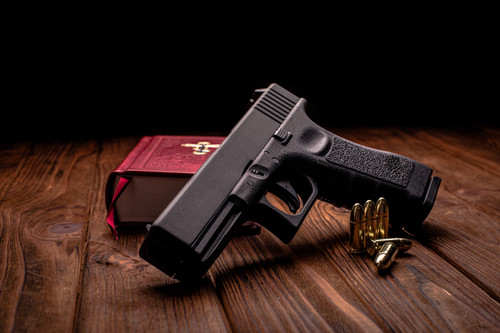
The Glock 43 is a slim, subcompact, striker-fired 9mm built for concealed carry. It is one of Glock’s best-known slimline carry pistols and uses a single-stack magazine. People who want something smaller and thinner than a Glock 19 or Glock 26 tend to land here. The gun fits everyday carry, backup use, and deep concealment situations where a thicker frame creates real problems.
Glock 43 Specs at a Glance
- Caliber: 9x19mm
- Capacity: 6 rounds standard, 6+1 with one chambered
- Barrel Length: 3.41 inches
- Overall Length: 6.26 inches
- Height: 4.25 inches
- Width: 1.06 inches
- Weight: 16.23 oz without magazine; 17.99 oz with empty magazine
- Action: Safe Action striker-fired system
- Frame: Polymer
- Sights: Fixed polymer sights
- Best Use: Concealed carry
Why the Glock 43 Still Matters in the Concealed Carry Market
For years, people who loved Glock wanted a slimmer 9mm in the lineup. When the Glock 43 arrived, it filled that gap cleanly. Even now, with the market full of micro-compact pistols offering higher factory capacity, the Glock 43 still holds its ground. The reason comes down to a few simple things: it is slim, easy to run, low-maintenance, and backed by a massive ecosystem of holsters, sights, and spare parts. You do not have to hunt for gear. Everything you need already exists.
The gun also benefits from Glock's reputation built over decades of use in law enforcement and civilian carry. Familiarity with the operating system is another real plus. If you already own a Glock in any caliber, you already know how this one works. That kind of instant familiarity carries genuine value in a carry gun.
Who the Glock 43 Is Best For
- New concealed carriers who want a simple system with no manual thumb safety or extra external controls
- Glock owners who want a smaller backup or summer carry option
- People who value thinness and daily comfort over extra magazine capacity
- Anyone who wants a practical 9mm and cares more about carrying it than showing it off
Who Should Probably Skip the Glock 43
- Buyers who want 10+ rounds in a factory magazine
- People who prefer an optics-ready setup right out of the box
- Those sensitive to snappy recoil in smaller pistols
- Anyone who wants a softer-shooting range pistol that also doubles as carry
Glock 43 Pros and Cons
Pros:
- Very easy to conceal due to slim profile
- Strong track record for dependable function
- Lightweight and comfortable for all-day carry
- Simple to clean and maintain
- Huge aftermarket support
- Familiar Glock controls and trigger system
Cons:
- 6+1 capacity feels limited compared to newer options
- Factory sights are often one of the first upgrades people make
- Recoil feels sharper than larger compact pistols
- Not the most enjoyable pistol for long range sessions
Concealability: Where the Glock 43 Really Shines
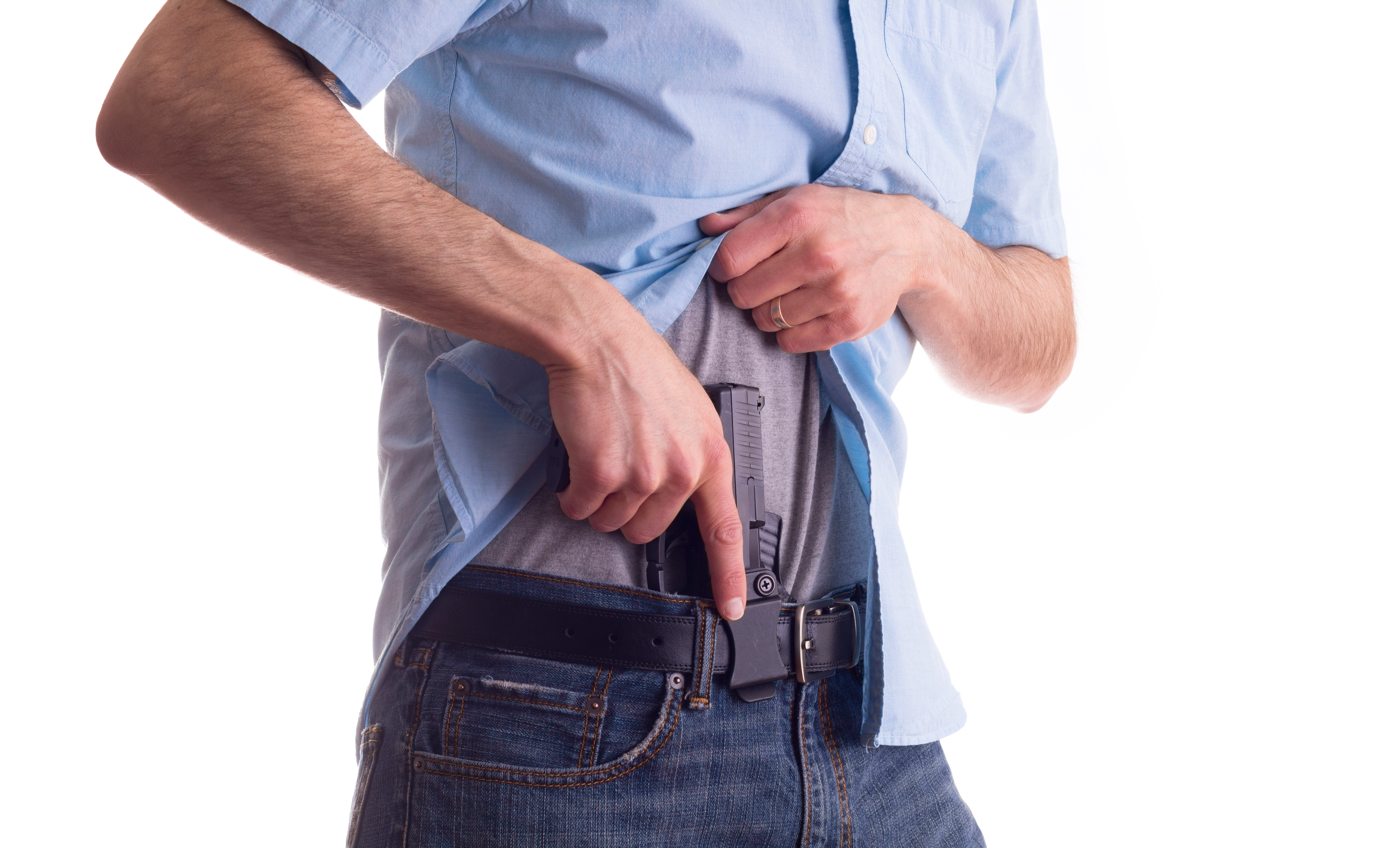
This is the Glock 43's strongest card. Its 1.06-inch overall width makes a real difference in how the pistol wears throughout the day. Numbers on a spec sheet tell part of the story. Carrying that width across a full day in different positions tells the rest.
The Glock 43 works well in appendix carry, standard IWB holsters, and ankle setups for deep concealment needs. Its small footprint cuts down on printing under a shirt. It does not dig into your side when sitting or poke at your hip during a long drive. That all-day carry comfort is what keeps a gun on your body instead of left in a drawer—and a gun that stays on you is always the better option.
Fit, Feel, and Ergonomics
The Glock 43 is small, and you feel that in the hand. The grip is short, and many people with larger hands will find their pinky hanging off the bottom of the factory magazine without an extension. Adding a pinky extension magazine makes a noticeable difference in control and feel. The grip texture provides a solid hold without tearing up your hand over longer sessions.
For most people with average or medium-sized hands, the ergonomics work well for carry use. It never feels as natural as a full-size pistol—but that is the trade you accept for a gun this small. Most people adapt quickly with a bit of consistent dry-fire practice at home.
How Dependable Is the Glock 43?
This deserves a direct answer: the Glock 43 has a strong reputation for consistent function in its class. Based on wide user experience and industry feedback, the gun runs well with quality factory 9mm ammunition and basic maintenance. It does not demand much from its owner. Clean it, oil it lightly, and feed it decent ammo. That is about all it asks.
People who carry this gun professionally and daily report very few issues when the basics are covered. Trouble tends to trace back to low-quality magazines, dirty chambers, or poor grip technique rather than a fault in the pistol itself. In the context of a carry gun, a track record like that matters more than almost anything else on a spec sheet. Dependable function is not exciting to talk about, but it is everything when it counts.
Glock Safe Action System and Practical Safety
The Glock 43 has no manual external thumb safety. Instead, it uses Glock’s Safe Action system, which includes passive safeties designed to prevent discharge unless the trigger is deliberately pressed.
For concealed carry, this design has clear advantages. You draw and fire without extra steps. Safe handling habits, a quality holster, and trigger discipline handle the rest. People who want a manual thumb safety as an added layer of control may prefer other options, but most experienced carry gun owners do not find its absence to be a problem in daily use.
Trigger Performance: Good Enough for Carry?
The Glock 43 trigger is a standard Glock Safe Action setup. It is consistent, predictable, and gets the job done without drama. It does not have the crisp break of a competition trigger, and nobody expects it to. For defensive use, a consistent pull and a clear reset matter most—and this trigger delivers both without fuss.
Some people upgrade the trigger with aftermarket parts for range preference, but stock function handles carry use well. Any modification to a carry gun should be weighed carefully. Dependable and predictable function should always stay the top priority.
Accuracy: What Can You Expect?
The Glock 43 is accurate enough for real-world self-defense distances. Most defensive encounters happen up close, and at those ranges this pistol puts rounds where you aim. The shorter sight radius and smaller grip do make precision work a bit harder compared to a full-size pistol, but that is true of every subcompact on the market. No surprises there.
What matters in a carry gun is fast, repeatable hits under stress. The Glock 43 delivers that when paired with consistent practice. It was never a benchrest gun, and it was never meant to be.
Recoil and Shootability
Small 9mm pistols feel snappy. The Glock 43 is no exception. It is more manageable than many compact .45 options, but it does feel sharper than a Glock 19 firing the same load. That is physics, not a design flaw.
For most people, the recoil is easy to manage with a firm grip and regular practice. Long sessions with hundreds of rounds can get tiring, and your hand will let you know. The Glock 43 is built for carry, not high-volume range days. Training sessions of 50 to 100 rounds sit comfortably within its intended role.
Capacity: Is 6+1 Still Enough?
Honestly, 6+1 feels modest by today's standards. Newer micro-compact pistols pack 10, 11, or even 13 rounds into a similar size. That gap is real, and buyers who want maximum onboard ammo should factor it in carefully before buying.
That said, many experienced carriers accept the tradeoff. A gun this slim and easy to carry actually stays on the body every day. A thicker gun with more rounds sometimes gets left behind because it prints too much or feels too heavy by midday. Carrying a spare magazine also adds rounds without adding much bulk. The capacity question comes down to what you value most—easy concealment or higher round count.
Glock 43 Sights: Usable, but Upgrade-Worthy
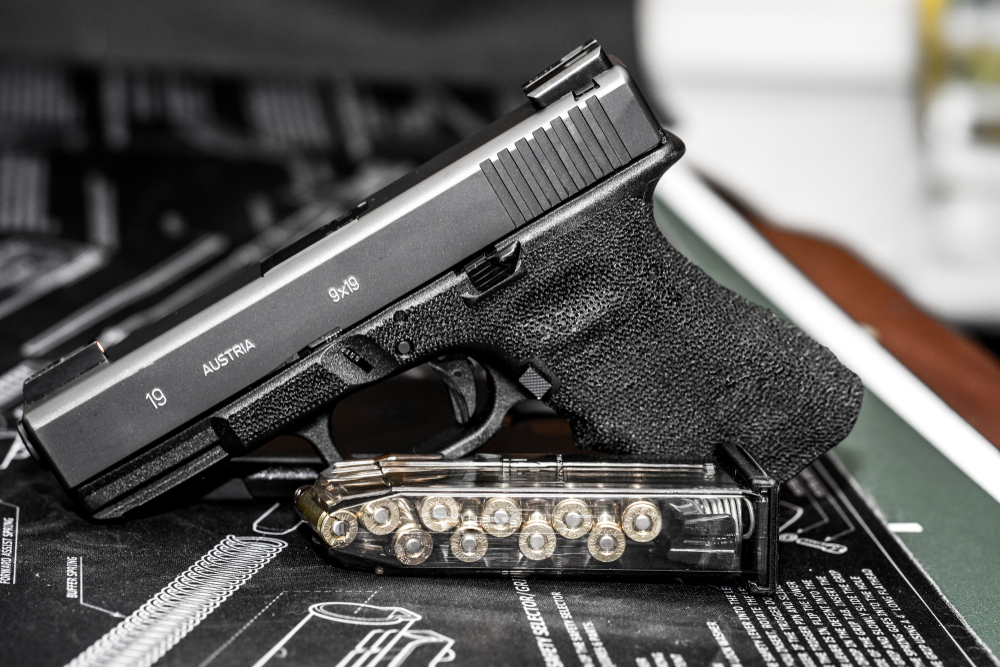
Factory Glock sights on the 43 get the job done at close range, but many people replace them quickly. The stock polymer sights are basic and offer no low-light visibility. For a carry gun used in real-world conditions—including dim parking lots and dark hallways—upgrading to tritium night sights is a common and practical move.
Better sights improve confidence at distance and help in low-light situations. The upgrade is not required from day one, but most people who carry this pistol seriously end up making this change within the first year of ownership.
Aftermarket Support and Accessories
The Glock 43 ecosystem is massive. Holsters, spare magazines, sight options, trigger parts, grip extensions, and complete slide upgrades are all easy to find at almost every price point. This is one of the practical advantages of owning such a widely popular platform—you will never struggle to source the gear you need.
That said, carry guns should be modified with care. Swapping sights or adding a grip extension carries low risk. Deep internal modifications on a carry gun deserve careful thought and ideally input from a qualified gunsmith. Dependable function should always stay the top priority on a gun you carry daily.
Holster Options and Everyday Carry Setup
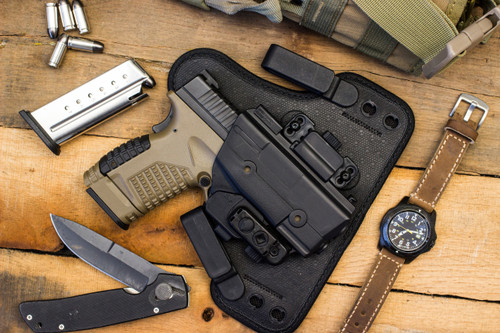
The Glock 43 is one of the best-supported carry guns in the holster market. IWB holsters, appendix rigs, hybrid holsters, and minimal clip designs all exist in abundance for this pistol. That availability removes one of the most frustrating parts of setting up a new carry gun—the search for compatible, well-made gear.
For most people, a quality IWB or appendix holster at the right ride height—paired with a stiff gun belt—creates a comfortable and well-concealed setup. The slim profile of the Glock 43 does most of the heavy lifting in that equation.
Range Performance
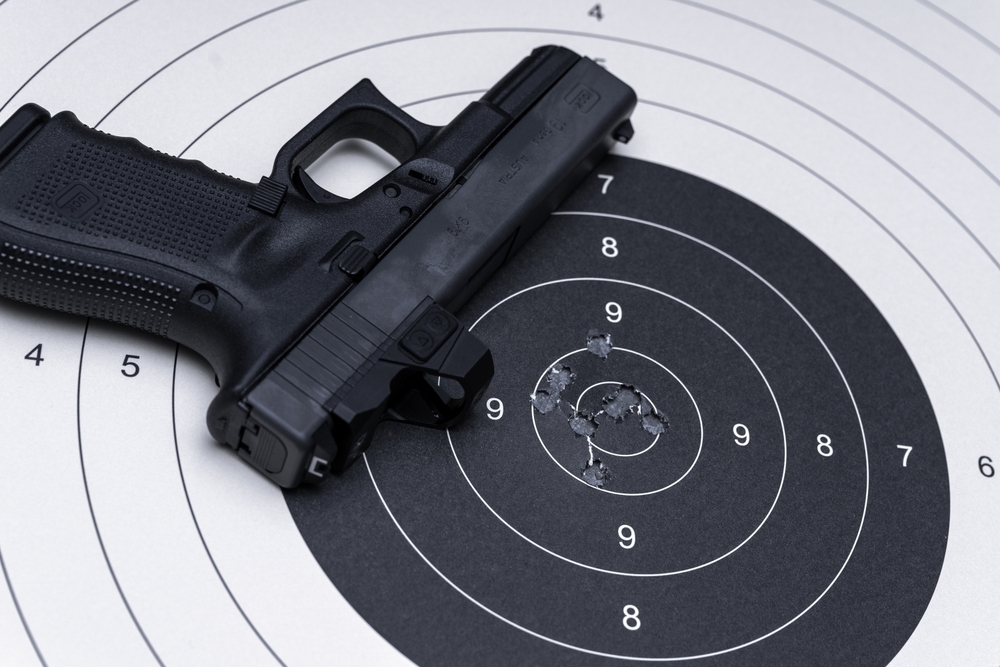
The Glock 43 handles both practice rounds and defensive hollow points without drama. Based on broad owner and industry experience, the gun generally runs standard factory 9mm loads consistently when properly maintained. Quality defensive hollow points feed and function well in this platform. That matters because a carry gun needs to run the same ammunition every day without any surprises.
Testing your specific carry load in your own pistol before trusting it daily is always the right call. Ammunition selection for a carry gun is a serious decision. Manufacturer guidance and reputable ballistic testing data should drive that choice, not just online recommendations.
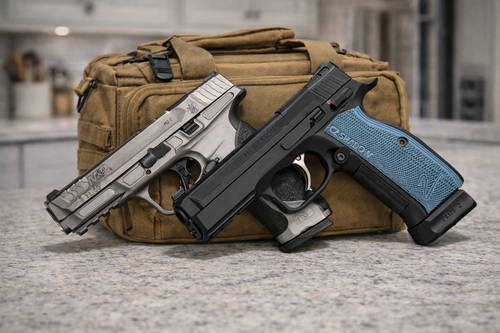
Glock 43 vs Glock 26
These two Glock sub-compacts get compared often. Here is the short version:
- Choose the Glock 43 for thinner, lighter daily carry
- Choose the Glock 26 for more onboard rounds and a softer shooting feel
- The Glock 26 is thicker but fits double-stack capacity into a compact frame
- The Glock 43 wins on thinness and all-day carry comfort
Your choice should come down to what you value most: easy concealment or higher capacity.
Glock 43 vs Glock 19
These two pistols serve very different roles. The Glock 19 is a mid-size gun with higher capacity, better shootability, and broader use cases across carry, range, and home defense. The Glock 43 is strictly a carry gun built for concealment and easy daily wear.
Want one gun that covers range use, home defense, and carry together? The Glock 19 makes more sense. Want to carry something as slim and light as possible every single day? The Glock 43 wins that contest without much debate.
Is the Glock 43 Good for New Carriers?
The Glock 43 can work well for new concealed carriers, but it comes with real caveats worth knowing upfront. Simple controls, easy maintenance, and a strong track record are genuine advantages for beginners. There are no complicated manual safeties or unusual operating steps to learn and remember under stress.
The honest caution here: smaller pistols are often harder to shoot well. The snappier recoil and shorter grip give newer carriers less to hold on to. Someone newer to handguns may find a slightly larger 9mm easier to learn the fundamentals on first, before stepping down to something this compact. That said, with proper instruction and daily dry-fire practice, the Glock 43 is absolutely manageable from early on.
10 Reasons People Still Love the Glock 43
- Proven track record for dependable function
- Excellent concealability due to slim profile
- Lightweight comfort for full-day carry
- A practical 9mm chambering with wide ammunition availability
- Familiar Glock operating system
- Simple to clean and maintain
- Strong aftermarket support
- Holsters available everywhere at every price point
- Good practical accuracy for defensive distances
- Trusted by carriers who value simplicity over extra features
By the Numbers
- Dependable Function: 5/5
- Accuracy: 4.5/5
- Concealability: 5/5
- Ergonomics: 4/5
- Recoil Control: 3.5/5
- Customization: 4/5
- Value: 4/5
- Overall: 4/5
Is the Glock 43 Still Worth Buying Today?
Yes. For buyers who put easy carry and slim size at the top of their list, the Glock 43 is still one of the best answers in its class. It does not offer the round count of newer micro-compact pistols, and the standard G43 is not sold as a factory optics-ready model. What it does offer is a slim, simple, well-proven carry pistol that does its one job very well. That still counts for a great deal.
The Glock 43 is not the best concealed carry pistol for every buyer. Its 6+1 capacity will push some buyers toward newer options, and that is a completely fair reason to look elsewhere. But if you want a slim 9mm that is easy to carry, easy to maintain, and backed by Glock's long-standing reputation for dependable function, it remains one of the safest and most practical concealed carry picks in its class. Simple, proven, and still very relevant.
The Glock 43 remains a go-to choice for deep concealment and everyday carry, especially for shooters who prioritize simplicity and a slim profile. If you’re still deciding which Glock best fits your carry style, read Best Glock for Concealed Carry to compare top contenders.

Federal Premium 9mm 147gr JHP
$28.99
at Pro Armory
Prices accurate at time of writing
Frequently Asked Questions (FAQ)
Is the Glock 43 good for concealed carry?
Yes. The Glock 43 is widely considered a strong concealed carry option because it is slim, lightweight, and has a strong record for consistent, dependable function across a wide range of conditions.
Is the Glock 43 too small to shoot well?
Not for most people. Its smaller grip and snappier recoil can make it less forgiving than larger 9mm pistols, but with regular practice most carriers handle it well.
How many rounds does the Glock 43 hold?
The factory Glock 43 magazine holds 6 rounds. With one round in the chamber, total carry capacity is 6+1.
Is the Glock 43 dependable?
The Glock 43 has a strong reputation for consistent function, especially with quality factory ammunition, good magazines, and routine maintenance.
What is the biggest downside of the Glock 43?
For most buyers, the biggest drawback is limited capacity compared with newer micro-compact 9mm pistols that offer significantly more rounds in a similar size.
Is the Glock 43 better than the Glock 26?
The Glock 43 is easier to conceal due to its slimmer profile. The Glock 26 offers more onboard capacity and is generally a softer-shooting experience overall.
About the Author
This article was written by the Pro Armory writing team based on current research, including studies from reputable sources like the Journal of Military Science, Firearms News, and the National Shooting Sports Foundation. We also referenced trusted information from official defense publications and respected firearm authorities such as the ATF, NRA, and manufacturer manuals.
Disclaimer: This article is for informational purposes only. Firearms should always be handled, maintained, and used according to manufacturer instructions and all applicable laws and safety rules. Always follow local and state laws regarding concealed carry. ProArmory assumes no liability for actions taken based on the information in this article.

Best Ammo Deals, Training, & Accessories
Subscribe to ProArmory sales and deals email.