 Pro Armory Editorial Team
Quick Answer
Takedown guns give you a packable long gun without the awkward length. For most hikers and campers, a .22 LR takedown is the lightest, easiest way to hunt small game and train. If you want more defensive punch, a 9mm takedown PCC or a folding AR-pattern rifle can make sense. For maximum "do-it-all" coverage, a combo gun or a centerfire takedown hunting rifle fills the gaps.
Key Takeaways
- .22 LR takedowns carry easiest and still handle small game well.
- 9mm PCC takedowns add defense value but cost weight.
- Combo guns stretch your options when food gathering matters.
- Centerfire takedowns fit hunting trips, not ultralight packs.
- Test ammo before relying on any survival gun.
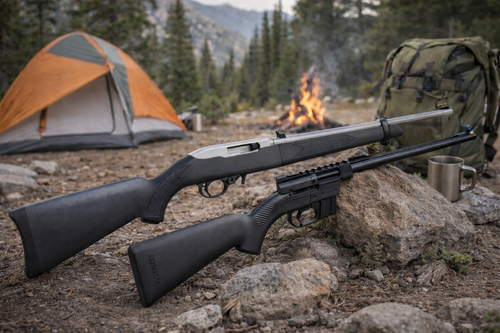
Takedown guns solve a simple problem: getting long-gun capability into a pack-friendly footprint without having a full-length rifle snagging on everything. Imagine heading up a steep trail with your gun tucked safely inside your pack instead of snagging on every branch. Or picture fitting a defensive-capable carbine into a small vehicle storage compartment. That's the magic of these trail-ready firearms.
What Is a Takedown Gun (and why hikers love them)
Takedown guns are long guns that separate into major sections so they’re easier to store, stash, and carry. Unlike standard long guns that maintain their full length at all times, takedowns separate at strategic points – most split at the barrel/receiver junction, which is what makes them pack down so much shorter. – and so for this reason it creates a much smaller package.
Backcountry travelers love takedown guns for practical reasons. First, they create a smaller footprint in a pack, and lets you carry a long gun without an external carrying case or straps. Second, they store more easily in tight spaces like ATVs, kayaks, bush planes, or truck compartments. Third, when you're moving through dense brush or tight trails, there's less chance of your gun catching on branches or rocks.
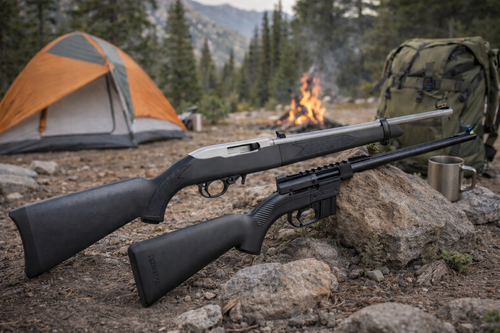
That’s why they show up everywhere from backpacking trips to vehicle kits and backcountry hunts. This list covers the main lanes: lightweight rimfires, defensive PCCs, combo guns for versatility, true hunting-capable centerfires, and AR-pattern rifles that store compact.
How We Picked These 7 Best Takedown Guns
Selecting the best takedown guns requires balancing several factors. First, pack size and deploy speed – how small does it get, and how quickly can you assemble it under stress? Second, how does it handle common ammunition types? A picky gun that only runs premium ammo defeats the purpose of a utility takedown.
We also looked at useful accuracy for expected distances. A survival gun doesn't need match precision, but it should handle typical hunting or defensive distances reliably. Weight versus capability is another crucial metric – the lightest gun isn't always best if it can't do what you need.
Lastly, we considered parts and support availability. A rare gun with no replacement parts or magazines makes little sense for rough backcountry use.
Based on these criteria, we've identified seven standout takedown guns that cover the full spectrum of needs from ultralight pack guns to serious defensive and hunting options.
Takedown Gun Comparison Chart
| Gun | Role | Caliber | Why It Made the List |
|---|---|---|---|
| Ruger 10/22 Takedown | Lightweight all-around | .22 LR | Reliable platform with massive aftermarket support and easy packability |
| Henry AR-7 Survival Rifle | Pack-inside-stock | .22 LR | Self-contained storage with a water-resistant survival design |
| Ruger PC Carbine | Defensive takedown PCC | 9mm | More stopping power with flexible magazine compatibility |
| Savage Model 42 Takedown | Combination survival gun | .22 LR + .410 | Two tools in one platform for increased survival versatility |
| Browning BLR Takedown | Hunting centerfire | Varies by model | Capable of taking real game with a strong, reliable build |
| FoldAR | Folding AR pattern | .223 Wylde | Compact folding design with a defensive focus |
| Marlin Papoose / 70PSS | Classic pack .22 | .22 LR | Traditional takedown rifle concept with simple, proven operation |
The 7 Best Takedown Guns
Ruger PC Carbine (9mm)
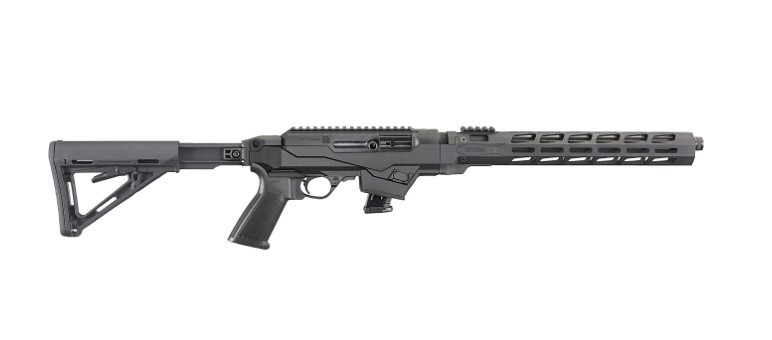
The Ruger PC Carbine is a solid defensive choice among takedown guns. It gives you 9mm firepower on a longer platform. So you get better control and easier hits than a handgun. And when you’re done, it breaks down so you can toss it in a backpack for travel.
What makes the PC Carbine stand out is the balance you get. It feels like a bridge from rimfire plinking to centerfire defense. It has enough weight to tame recoil. That keeps follow up shots clean. It also packs down small, which is the whole point of a takedown gun. And if you already run a 9mm pistol, you’ll like this part: one ammo type can feed both.
A big practical perk: many versions can be configured to run different magazine patterns, which can simplify your gear if you already own compatible pistols. You can set it up to accept Ruger magazines or popular Glock magazines, and let you match your existing pistol setup. This kind of thoughtful design makes it ideal for those who want more than a small game rifle but don't want to deal with rifle ammunition weight.
Price: Approx retail $650–$800
Specs
- Caliber: 9mm Luger
- Action: Semi-automatic
- Capacity: Varies by magazine and jurisdiction, but typically falls into the high-capacity PCC category.
- Barrel length: Carbine-length barrel (varies slightly by version)
- Overall length: Full-size PCC footprint when assembled
- Weight: Heavier than most rimfire takedowns, which helps it shoot steady but hurts long-hike comfort
Features
- Takedown system for compact transport
- Recoil-mitigating design compared to basic blowback feel
- Magazine-well options depending on model configuration
Pros
- More power than .22 LR options
- Compact storage footprint for a defensive carbine
- Practical manual of arms for many shooters
Cons
- Heavy for long hikes
- 9mm ammo weight adds up fast
- Price varies by model and configuration
Henry U.S. Survival AR-7 (H002B)
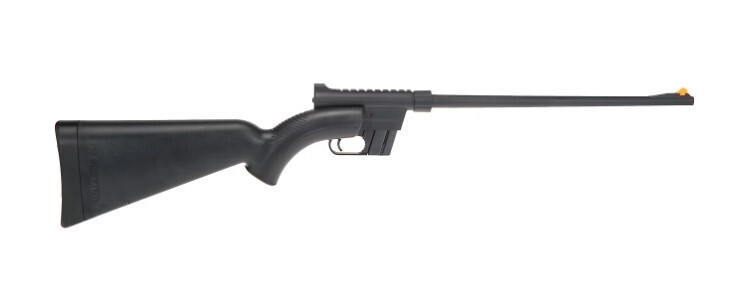
The Henry AR-7 is built for tight spaces and rough plans. It’s a compact survival rifle you can stash and forget about. The smart part is the storage setup. The barrel, receiver, and magazines fit inside the hollow buttstock. So you end up with one self-contained bundle that slides into small places. Like a pocket tool for the outdoors. It works well in an emergency kit, in your car, or in a light backpack.
The AR-7 concept dates back to 1959 when it was designed as a survival rifle for Air Force pilots. Today's Henry-produced version improves on the original with better materials and updated design elements. Its stock-style storage design is built with rough handling in mind, which makes it a popular ‘stash it and forget it’ option for wet or messy environments.
Assembly is straightforward and requires no tools. Just pull the components from the stock, attach the receiver to the stock, screw on the barrel, and insert the magazine. Once you’ve practiced, assembly is quick and simple, even when you’re cold, tired, or wearing gloves.. This simplicity makes it ideal for stressful situations when fine motor skills might be compromised.
Price: Approx retail $270–$320 (MSRP often listed around $360)
Specs
- Caliber: .22 LR
- Action: Semi-automatic
- Capacity: Typically low-capacity magazines
- Barrel length: Standard carbine-length .22 barrel
- Overall length: Full-length .22 when assembled
- Weight: Very light for a long gun, which is the whole point
Features
- Breaks down and stores inside the stock
- Stock is designed for harsh storage conditions
- Minimalist controls and light overall package
Pros
- Extremely pack-friendly storage design
- Light and easy to stash anywhere
- Cheap ammo and easy to carry spare mags
Cons
- Minimal comfort features
- Not meant for long-range power
- You still need to confirm your ammo runs clean and consistent
Browning BLR Lightweight '81 Stainless Takedown
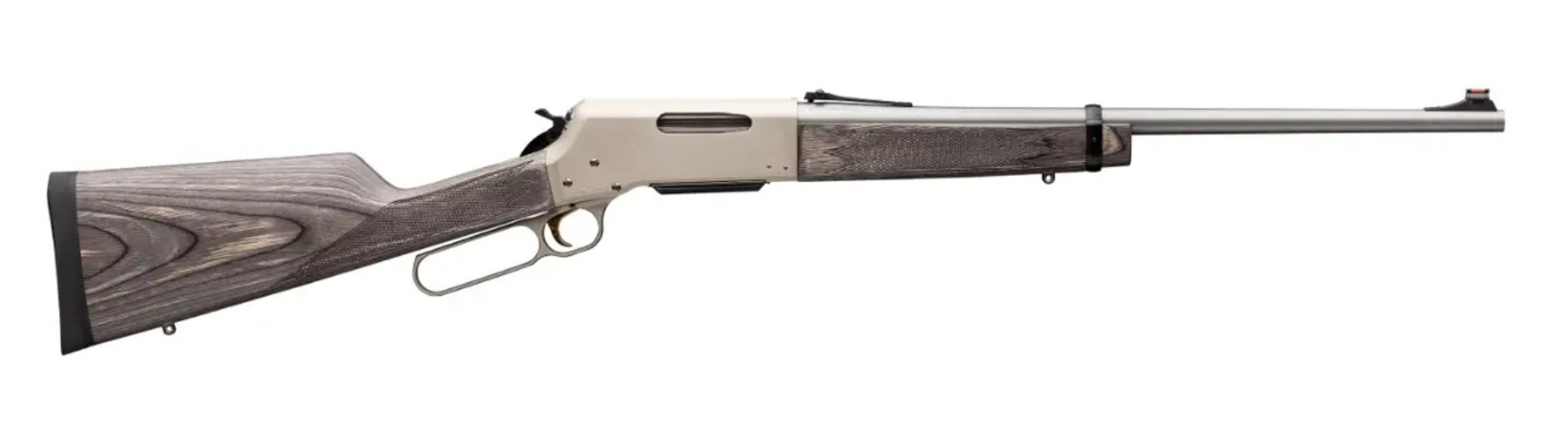
The Browning BLR Takedown brings serious hunting capability to a compact format. Unlike the rimfire options on this list, the BLR is available in potent centerfire calibers like .308 Winchester and 6.5 Creedmoor, and gives you the power to ethically take medium and large game at realistic hunting distances.
The BLR stands out because it uses a detachable box magazine. That’s not common for a lever action rifle. And it changes what you can load. Because it uses a box magazine, it isn’t constrained the way many tube-fed lever guns are when it comes to bullet shapes. The takedown system is also clean and steady. A simple lever locks the two halves together. The fit stays tight and lined up.
The stainless steel build handles bad weather with less worry. So it’s a solid pick for trips where rain and cold show up out of nowhere. The rack-and-pinion lever action cycles smooth. That helps you get quick follow-up shots. And you still keep good accuracy. If you want a packable hunting rifle that can do serious work, the BLR brings power and precision in a tidy size.
Price: Approx retail $1,250–$1,900 (varies by variant and availability)
Specs
- Action: Lever action
- Caliber options: Offered across a range of hunting-appropriate centerfire calibers depending on the specific variant.
- Capacity: Typical hunting-rifle capacity (varies by caliber)
- Barrel length: Usually in the standard hunting-rifle range
- Overall length: Full-size rifle when assembled
- Weight: Varies by variant, but generally heavier than rimfire pack guns
Features
- Takedown system for easier storage and transport
- Detachable box magazine
- Stainless build suited for wet and rough conditions
Pros
- True centerfire performance for hunting
- Strong build quality
- Great choice when range and penetration matter
Cons
- Expensive compared to rimfire options
- Ammo weight becomes a major pack factor
- Variant availability can be uneven
Marlin Papoose (Model 70P / 70PSS family)
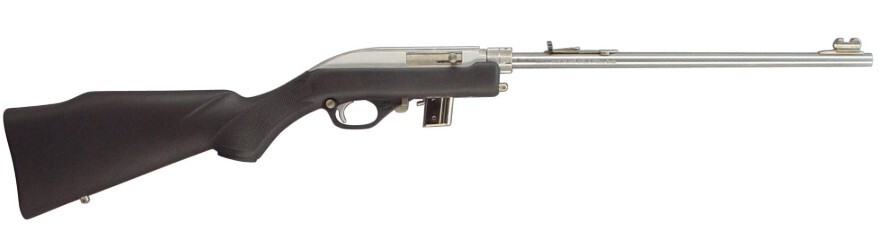
The Marlin Papoose is the classic packable rimfire. Simple and light. Made for grab-and-go use. The takedown system stays easy. You twist and remove the barrel from the receiver. Then you have a compact setup that slips into a backpack or case without drama.
The Papoose has earned a loyal fan base among backpackers and outdoor people. It keeps things basic. It also comes with a padded case that holds both sections plus accessories. So your carry setup stays neat. And at a bit over three pounds, it won’t drag your pack down. Yet it still gives you a handy small game tool.
One strong point is the feeding system. You get a detachable seven-round magazine. It loads fast and carries flat in a pocket. The action runs smoothly with many ammo types. But rimfires can be picky. Better ammo usually runs better. If you want a light .22 you can grab fast and carry all day, the Papoose covers the key needs.
Price: Approx retail $350–$500
Specs
- Caliber: .22 LR
- Action: Semi-automatic
- Capacity: Two shots before reloading
- Barrel length: Utility-focused barrel length suited to field use
- Overall length: Compact when broken down, normal long-gun length when assembled
- Weight: Heavier than ultralight rimfires due to the dual-barrel setup
Features
- Takedown format aimed at backpack transport
- Often sold with a compact carry case package
- Simple, familiar rimfire handling
Pros
- Very light and packable
- Straightforward to run and maintain
- Low ammo cost supports lots of training
Cons
- Pricing can spike depending on scarcity/variant
- Older examples vary in condition
- Rimfire performance depends on ammo choice
Savage Model 42 Takedown (.22 LR / .410)
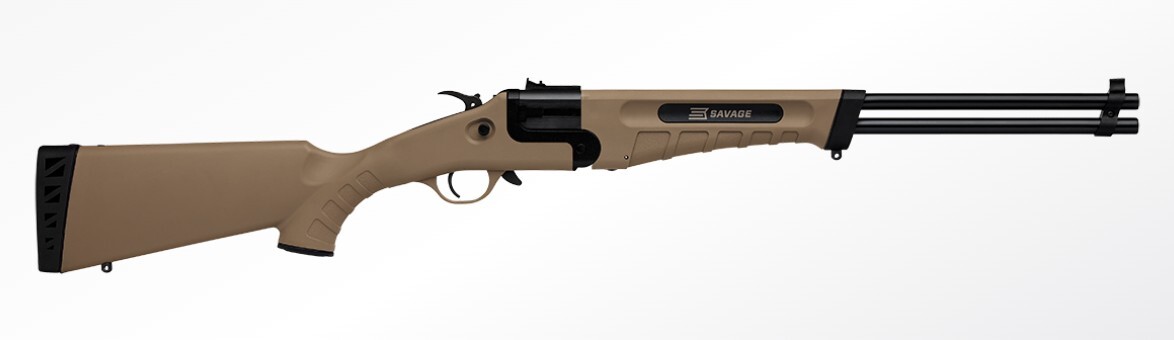
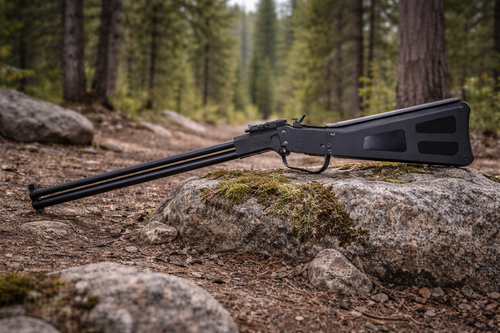
The Savage Model 42 Takedown offers a unique proposition – two completely different capabilities in one compact package. This over/under combination gun pairs a .22 LR rifle barrel with a .410 shotgun barrel, and gives you both precision and pattern depending on your needs. For survival situations where flexibility matters more than volume of fire, this design makes perfect sense.
The .22 LR barrel handles small game hunting and precision work. It can take squirrels, rabbits, and similar small game with minimal meat damage. Flip to the .410 barrel when you need to take birds or want the spread pattern for close-range defense. The break-action design is inherently simple and robust – there's very little that can go wrong mechanically.
Assembly and disassembly couldn't be simpler – push a button, and the gun breaks in half. The included pack lets you carry everything securely, and the synthetic stock stands up to rough handling. For those who prioritize hunting versatility over rapid fire, the Model 42 offers an elegant two-in-one solution that covers more bases than a single-barrel option could.
Price: Approx retail $430–$600
Specs
- Caliber/Gauge: .22 LR over .410 bore
- Action: Over/under break action
- Capacity: 2 shots total (one per barrel)
- Barrel length: 20 in
- Overall length: 35.75 in
- Weight: 6.1 lb
Features
- Break-open simplicity for field use
- Dual-caliber flexibility for varied targets
- Practical sights for a utility-focused gun
Pros
- Flexible hunting options without carrying two guns
- Simple manual operation
- Good grab-and-go concept for bug-out kits
Cons
- .410 ammo can be expensive and harder to find
- Carrying two ammo types adds weight and planning
- Slower follow-ups than semi-auto options
Ruger 10/22 Takedown
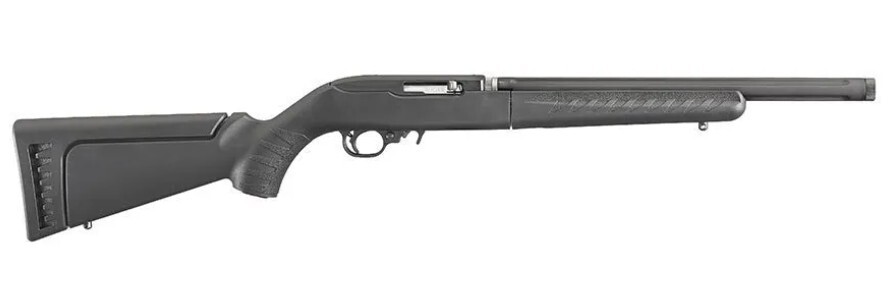
The Ruger 10/22 Takedown takes a classic rimfire and makes it easy to carry. You get the same 10/22 feel people love. It shoots well. It runs easy. It also has tons of add ons. Then it adds the trick that matters here. You can split the barrel assembly from the receiver fast, so it packs small.
What makes the 10/22 Takedown stand out is the huge parts lineup. You can swap stocks. You can change barrels. You can upgrade triggers. You can add optics mounts. Almost every mod you can name exists for this rifle. So your setup can change as your needs change.
The takedown system is easy and solid. Pull the bolt back a bit. Press the recessed lever. Then twist. The barrel assembly comes off without drama. Put it back on and you are ready again. It also holds zero better than you might expect. If you want a rifle that packs down and still feels like a long term buddy, the 10/22 Takedown fits that lane well.
Price: Approx retail $450–$650
Specs
- Caliber: .22 LR
- Action: Semi-automatic
- Capacity: Common rimfire magazine capacities
- Barrel length: Standard rimfire rifle barrel length
- Overall length: Full-size .22 when assembled
- Weight: Light enough for carry, substantial enough to shoot comfortably
Features
- Barrel/forend assembly separates from the receiver
- Broad support for magazines, sights, optics mounts, and stocks
- Easy manual of arms and simple maintenance
Pros
- Strong reputation for consistent function
- Deep parts and accessory ecosystem
- Affordable ammo for frequent practice
Cons
- Small-game focus only
- Confirm return-to-zero if you run optics
- Rimfire ammo choice still matters a lot
FoldAR (Folding AR-15 pattern rifle)

The FoldAR represents a different approach to compact storage – instead of separating the barrel, it folds the entire rifle in half. This innovative AR-15 pattern rifle maintains a standard barrel length but can fold down to under 18 inches for storage, and makes it one of the most compact options for a full-power defensive rifle.
What makes the FoldAR unique is that it doesn't separate the upper and lower receivers like traditional takedown rifles. The patented folding system maintains the complete rifle in one piece, and allow for extremely rapid deployment. When you need the rifle, simply unfold and you're ready to go – no assembly required.
The FoldAR keeps the same feel and controls as a standard AR-15 once it’s deployed. That means you can use common magazines. You can mount standard optics too. And you can train the same way you train with any AR-pattern rifle. If you want defensive ability in a small package, the FoldAR gives you a clean and smart answer.
Price: Approx retail $1,699–$2,300
Specs
- Caliber: Often offered in common AR-appropriate chamberings (build-dependent)
- Barrel length: Typically sold in standard non-SBR barrel lengths
- Folded length: Compact enough to store in spaces where a normal AR is awkward
Features
- Purpose-built folding system
- Built around AR ergonomics and accessory support
- Designed to run common .223/5.56 loads with the right configuration
Pros
- Very compact transport footprint for an AR
- Familiar platform and modularity
- Useful when storage space is the limiting factor
Cons
- Expensive compared to other options here
- More mechanical complexity than a basic rifle
- Ammo and accessory weight can push packs quickly
How to Pick the Best Takedown Gun for Your Trip
Size and pack placement
The first question to ask: where will you carry your takedown gun? Inside your main pack keeps it protected and concealed, but takes up valuable space. Strapped to the outside saves internal room but risks damage and increases your profile. The Henry AR-7's self-contained design excels for internal carry, as its components nestle securely in the stock.
Trail conditions also matter. Dense brush or narrow paths increase snag risk – a consideration that favors guns that break down completely rather than those with protruding barrels or stocks when packed. Remember that a gun you can access quickly does you more good than one buried deep in your pack.
Cartridge choice (and real carry weight)
Your ammo choice changes what you can carry. It also changes what you can do with it.Ammo weight adds up fast. .22 LR is dramatically easier to carry in bulk than 9mm, and both are far lighter per-round than typical centerfire hunting calibers. That same pound gets you about 50 rounds of 9mm. Or about 20 rounds of .308 Winchester.
For small game and practice, .22 LR makes the most sense. For defense against medium threats, a 9mm PCC offers better terminal ballistics without excessive weight. True hunting rifles in centerfire calibers provide the most capability but at a significant weight penalty – one that may be worth it if your trip focuses on hunting larger game.
Combination guns like the Savage Model 42 offer flexibility but require you to carry two types of ammunition. This increases weight and complexity but might be worth it for the versatility.
Sights and optics (keep it realistic)
Iron sights offer the most durable, compact option for a takedown gun. They don't need batteries, won't fog, and can handle rough treatment. Many survival-oriented guns come with aperture rear sights paired with bright front beads or posts – a fast, practical combination for field use.
Red dot sights speed up target acquisition dramatically, especially in low light, but add bulk and battery dependency. If you go this route, confirm that your optic returns to zero after takedown and reassembly. Some guns hold zero better than others through this process.
If your takedown gun runs optics, pack backup batteries. Also check your mount before you head out. It should stay tight after bumps and shakes. Keep the setup simple. Fewer parts means fewer problems when you’re far from help.
Reliability rules you don't skip
No matter which takedown gun you pick, some rules stay the same. Start by testing more than one ammo type. You want the kind your gun runs without drama. The Ruger 10/22 Takedown and Henry AR-7 both use .22 LR semi-autos. Even so, they can like different loads.
Second, always confirm that your gun maintains its point of impact after takedown and reassembly. Some designs do this better than others, and individual guns vary. A gun that shifts its zero significantly after reassembly has limited practical value.
Finally, maintain your takedown with basic field cleaning. Pack a compact cleaning kit with oil, a bore snake, and a small brush. A gun that works when you need it is worth the minimal weight these items add to your pack.
How to Set Up a Takedown Gun for a Backpack (step-by-step)
Step 1: Pick the gun role: food, defense, or mixed use. Be honest about your primary need – a food-gathering .22 LR is very different from a defensive 9mm or 5.56mm.
Step 2: Choose one primary ammo load and buy enough to test thoroughly. Find what runs cleanly in your gun before trusting it in the field.
Step 3: Function test magazines and feeding with your chosen ammunition. Semi-auto takedowns often reveal preferences for certain magazine types or ammunition.
Step 4: Reassemble and confirm zero at realistic distance. Do this multiple times to verify consistency. If you're using optics, confirm they maintain zero through the process.
Step 5: Pack your gun in a consistent position with the muzzle protected. Use a dedicated case or wrap sensitive parts in a bandana or soft cloth to prevent damage.
Step 6: Add a small maintenance kit: lube, brush, rag, and spare batteries if needed. If you can’t keep a gun running, it turns into dead weight fast.
Safety and Legal Notes
Always follow basic firearm safety rules, even more in the backcountry. Help can be far away. Point the muzzle in a safe direction. Treat every gun as loaded. Keep your finger off the trigger until you are ready to fire. And know your target and what is beyond it.
Storage and transport laws change a lot by location. Some states want the gun unloaded. Some also want it in a locked case. That can apply even on a hike or a camping trip. Check the rules for every place you travel and camp.
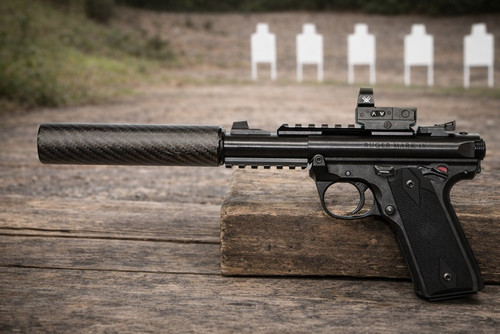
If you want to use a suppressor for hunting or for less noise at camp, remember this. Suppressors are NFA items. They need paperwork. They need a tax stamp. They also need approval from the Bureau of Alcohol, Tobacco, Firearms and Explosives (ATF).
Conclusion
Takedown guns give you a handy way to travel light. You get a long gun that packs down small. The Henry AR-7 leans into light weight and simple use. The Browning BLR Takedown leans into hunting power. There’s a match for almost any outdoor trip. Just pick for your needs. Not for the photo.
The best takedown gun is the one you have trained with. You also need to test it hard. Then you know it works when it matters. Do that before you go deep into the backcountry. Then your gear helps you, not the other way around.
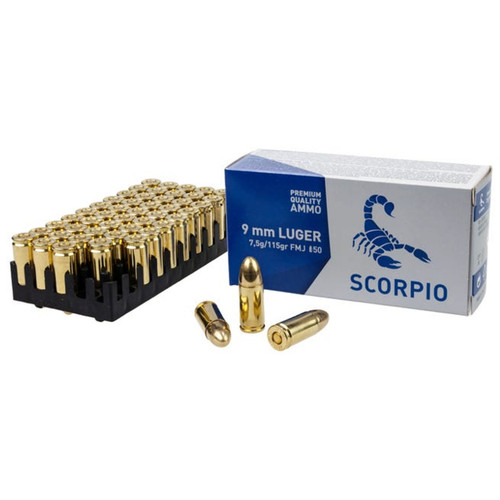
Whether you prefer a lightweight .22 LR takedown rifle or a more capable 9mm PCC for backpacking and camping, matching the rifle with the right ammo is key. If a 9mm takedown is on your shortlist, read 6 Best 9mm Ammo for Range and Self-Defense Purposes to choose loads that fit both training and protection roles.
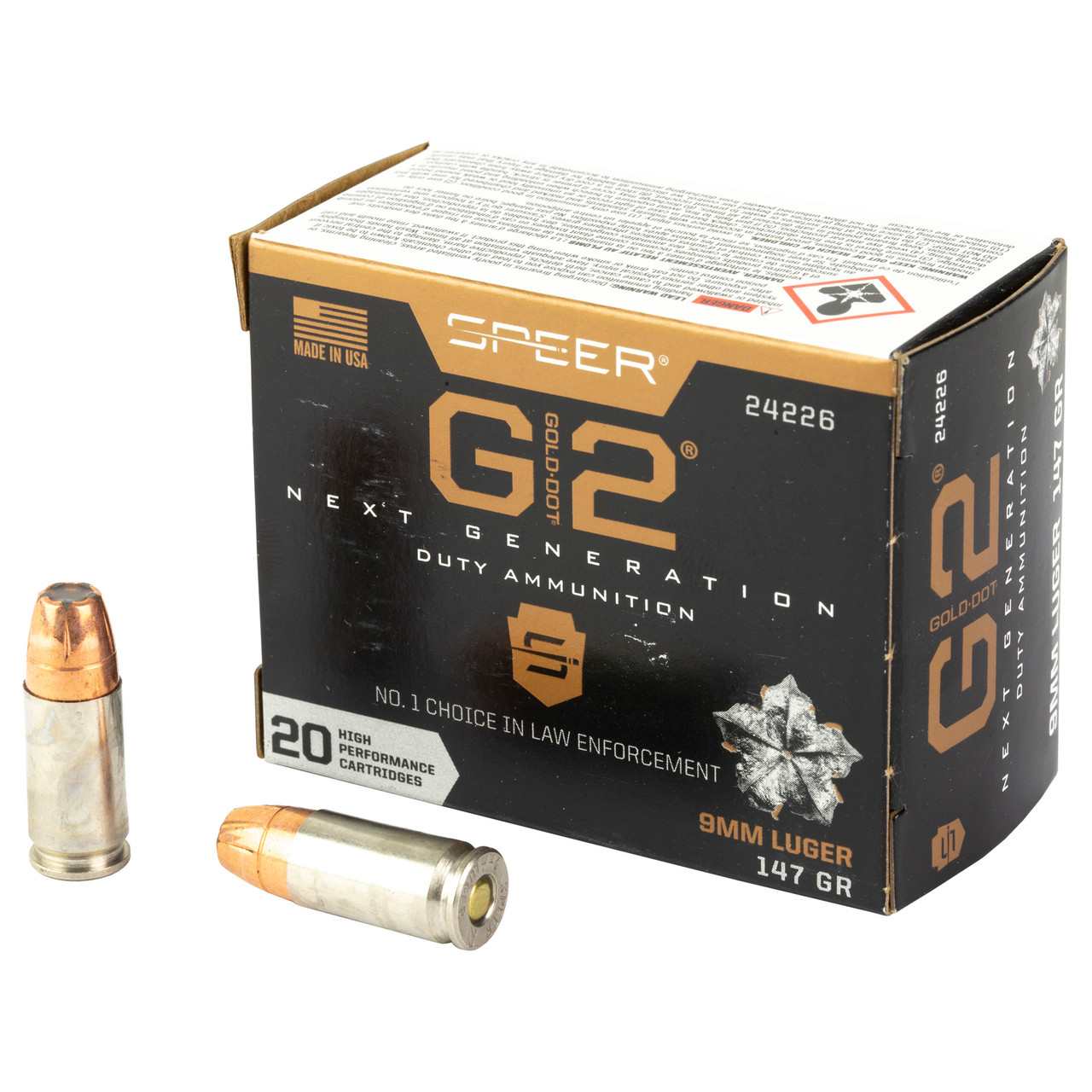
SPEER GOLD DOT G2 9MM 147GR 20 box
$28.75
at Pro Armory
Prices accurate at time of writing
Frequently Asked Questions (FAQ)
What is the best takedown gun for backpacking weight limits?
For strict weight and space limits, the AR-7 style of self-contained .22 is one of the easiest options to stash in a kit. The 10/22 Takedown is still pack-friendly, and it usually offers better ergonomics and upgrade flexibility if you can carry a little more.
Is .22 LR enough for survival?
For small game hunting and basic use, yes. A .22 LR can take squirrels and rabbits with good shot placement. For defense against larger threats, it has limits next to centerfire options.
Do takedown guns lose accuracy after you reassemble them?
Most quality takedown guns hold solid accuracy after reassembly. Some designs and setups are more consistent than others, so test your specific rifle by assembling it multiple times and confirming point of impact.
What's better for camping defense: PCC or .22 LR rifle?
A pistol-caliber carbine (PCC) like the Ruger PC Carbine hits harder for defense. You pay for that with more weight and more recoil. If defense is the top goal, a 9mm PCC beats .22 LR.
Are combo guns worth it for survival kits?
Combo guns like the Savage Model 42 give you options for different game. The tradeoff is speed. You get two shots before you reload. Pick it if hunting range matters more than fast follow ups.
What ammo should I stock for a takedown survival rifle?
For .22 LR, copper-plated hollow points often give solid function and good hunting results. For centerfire rifles, soft points give a good mix of expansion and penetration for game.
About the Author
This article was written by the Pro Armory writing team using manufacturer specifications, common field-use considerations, and practical factors that matter for packable long guns. We also referenced trusted information from official defense publications and respected firearm authorities such as the ATF, NRA, and manufacturer manuals.
Disclaimer: This review is for education only. Laws vary by state and city and can change. Follow safe handling at all times. Read your owner's manual. Verify local rules before you buy or train.
Best Ammo Deals, Training, & Accessories
Subscribe to ProArmory sales and deals email.