 Pro Armory Editorial Team
Quick Answer
A good chronograph gives you real muzzle velocity so your ballistic calculator, DOPE, and handloads line up with what your rifle actually does. Radar units are the easiest for most shooters. Barrel-mounted units work well for rifles, but they can change barrel harmonics and often shift point of impact, so confirm zero after removing it.. Optical "shoot-through" units cost less but can be picky about light. Below are eight strong options, plus a simple setup guide and how to read SD and ES.
Key Takeaways
- Radar chronographs are the easiest for quick, repeatable velocity checks.
- Barrel-mounted units avoid light issues but may change your group impact.
- Optical chronographs cost less but work best with steady lighting.
- Track average velocity, SD, and ES before changing powder or seating depth.
- Use the same distance, angle, and ammo lot for clean data.
On a windy range day, your "box velocity" can turn into bad holds past mid-range. One clean chrono session can save a whole match day, or a full weekend of load work. And let's be honest - knowing your actual numbers just feels better than trusting what's printed on the ammo box.
What a Shooting Chronograph Does
A chronograph measures projectile speed. That speed becomes the baseline for your ballistic calculator, power factor checks, and load consistency. Without it, you're just guessing at one of the most critical parts of external ballistics.
The three main chronograph types
Radar: set beside you. No shooting through screens. Uses Doppler technology to track the bullet.
Barrel-mounted: clamps to the barrel or suppressor. Uses electromagnetic fields to detect the bullet passing.
Optical shoot-through: bullet passes over sensors and "screens." The oldest tech but still very effective.
Each type has strengths and weaknesses. Your shooting style, budget, and patience level will guide which works best for you. A good chronograph turns fuzzy guesswork into hard data you can build on.
Why Ballistic Data Matters
For long-range DOPE
If your true velocity is off, your holds drift as distance grows. A 100 fps error might not matter at 100 yards, but by 600 yards it can push you off target. Velocity is one of the biggest inputs in your ballistic solver. If your real muzzle velocity is off, your elevation holds drift more and more as distance increases.
For reloaders
Chrono data helps you spot stable velocity "nodes," then watch consistency. When testing loads, you can see exactly how charge weight changes affect speed and standard deviation. This tells you when you've found that sweet spot where the load performs best in your gun.
For competition power factor
A chrono helps confirm your ammo meets match minimums. In sports like USPSA and IDPA, your power factor (bullet weight × velocity ÷ 1000) determines your division. Coming up short can mean scoring penalties or moving to Minor/another category, depending on the ruleset and match.
For hunting checks
Velocity helps estimate impact speed and trajectory at distance. That supports ethical range decisions, along with bullet construction and shot placement.
How We Picked These 8 Chronographs
We built this list around common shooter needs: ease of setup, data quality, and use cases. Every shooter has different goals, so we included options across the price spectrum and feature set.
We examined the tradeoffs between radar, optical, and barrel-mounted designs. Each has pros and cons worth weighing against your shooting habits and budget.
We also looked for models with clear specs, app support, and export options when possible. Modern chronographs should make data management simple, not another headache at the range.
Note: Model availability, pricing, and included accessories can change by retailer, so confirm the exact kit contents before buying.
Quick Comparison Table
| Chronograph | Type | Best For | Data / App | Key Caution | Price |
|---|---|---|---|---|---|
| Garmin Xero C1 Pro | Radar | Easy setup | Bluetooth app | Positioning matters | $500–$600+ |
| MagnetoSpeed V3 | Barrel-mounted | Rifle load development | On-unit display | May shift point of impact | $250–$350 |
| Caldwell G2 | Optical | Budget-minded users | Bluetooth app | Light sensitive | $150–$250 |
| LabRadar LX | Radar | Portability | App support (model-dependent) plus on-unit display | Learning curve | $500–$650 |
| Original LabRadar | Radar | Downrange data | SD card export | Needs alignment | Varies (often used / closeout) |
| Caldwell VelociRadar | Radar | Ballistic coefficients | App support | New to market | $400–$600 |
| ProChrono DLX | Optical | Value option | Bluetooth | Shoot-through setup | $150–$200 |
| Basic Caldwell | Optical | Beginners | Cable to phone | Light sensitivity issues | $80–$120 |
The 8 Best Shooting Chronographs for Ballistic Data
MagnetoSpeed V3 Ballistic Chronograph
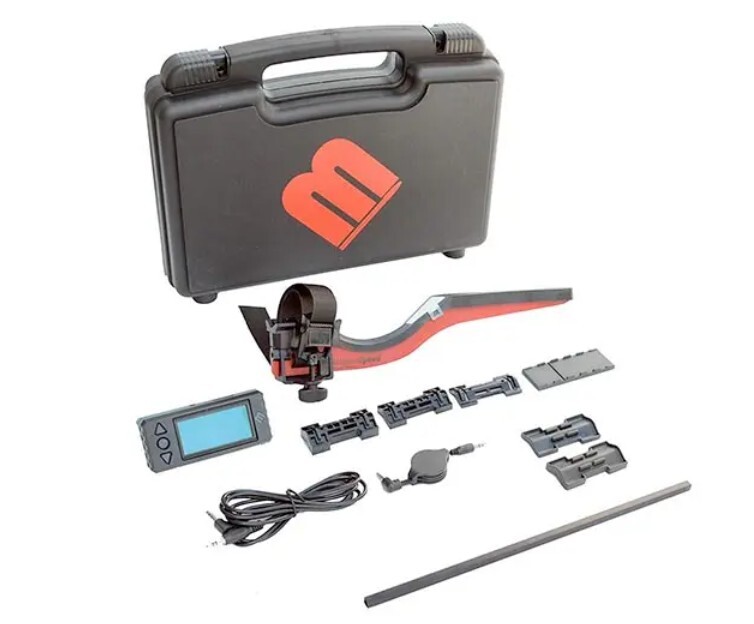
A barrel-mounted chronograph that reads speed using a sensor "bayonet" near the muzzle. It helps you avoid shoot-through frames and works well for rifle load development. The V3 model fits barrels or suppressors up to 2 inches in diameter, and for this reason it is very flexible for most rifle setups.
The MagnetoSpeed uses electromagnetic fields to track the bullet's speed, which means you don't need to shoot through any alignment screens. This makes it much more useful on bright days, in shadow, or even indoors where lighting can mess with optical chronographs.
For precision rifle folks, this has become almost a standard piece of kit. The display unit gives you shot-by-shot feedback plus string stats right on the range without needing a phone app. Just strap it on, zero it, and start shooting your groups.
Price: $299.00
Features
- Barrel-mounted bayonet-style sensor
- Designed for rifle velocity capture
- Mounts near the muzzle area
- Fits barrels up to 2 inches in diameter
- Includes storage case with foam cutouts
Pros
- No shoot-through tunnel
- Less dependent on lighting
- Fast shot-string workflow for rifles
- Works with suppressed firearms
- Good for rapid shooting
Cons
- Can change point of impact
- Fitment can be tricky on some setups
- Not ideal if you need one chrono for every platform
- May affect barrel harmonics
Caldwell Ballistic Precision 2.0 Chronograph (With Bluetooth Premium Kit)
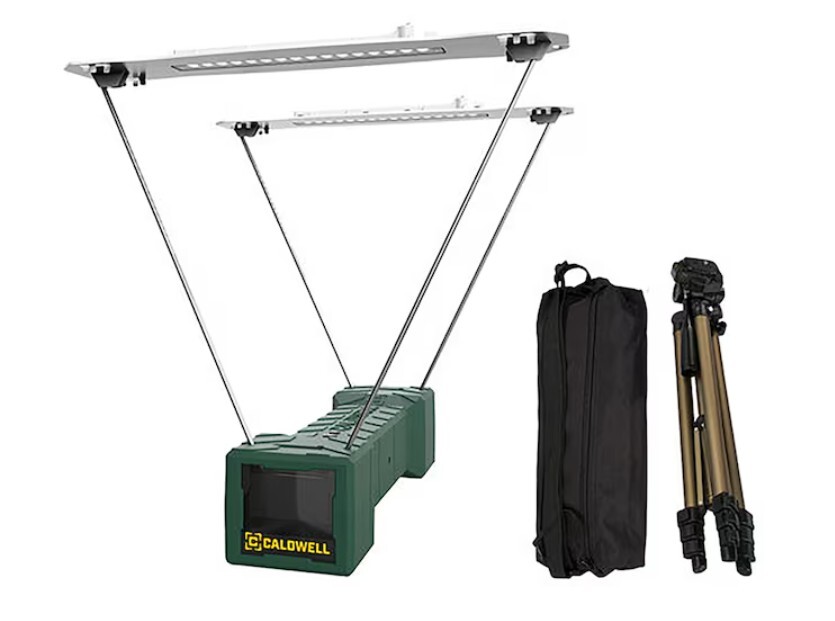
A budget shoot-through chronograph with a basic LCD readout and phone logging through an included cable. It covers a wide velocity range, but setup and lighting matter. This is the entry-level option many people start with.
Caldwell uses the traditional method of having your bullet pass through two "skyscreen" sensors. These detect the shadow of your bullet, and the time between the two points gives you velocity. It's simple tech that works well when set up correctly.
This basic model is perfect for someone just wanting to check velocities without spending hundreds of dollars. It won't have all the bells and whistles of the radar units, but it gets the job done for basic load testing and velocity verification.
Price: $178.99
Features
- Measures 5 to 9,999 FPS
- Displays FPS or MPS on the unit
- Phone logging via included audio cable and app
- Runs on a 9V battery (not included)
- Comes with basic mounting rods
Pros
- Low cost
- Wide FPS range
- App can calculate average, min, max, spread, and SD
- Simple to understand
- Good intro to chronograph use
Cons
- Shoot-through alignment takes care
- 9V battery not included
- Optical systems can misread in rough lighting
- Sun angle matters
- More setup time needed
LabRadar LX

A compact Doppler radar chronograph that reads shots without a shoot-through tunnel. It's designed for portability and modern data handling. The LX is the newer, smaller version of the original LabRadar, packed with improvements.
The LX uses Doppler radar to capture velocity without shoot-through screens, which helps reduce lighting-related errors common with optical chronographs. Its compact footprint improves portability compared with earlier radar chronographs, while still delivering Doppler-style readings.
Setting up the LX is simpler than the original LabRadar thanks to a ringed peep sight on top. You still need to select the right mode for your projectile speed range, but the overall experience is much more user-friendly than the previous generation.
Price: $599.95 (Varies widely)
Features
- 60 GHz radar platform
- Rechargeable internal battery
- Designed for portable use
- Color LCD display
- App integration capabilities
- USB-C charging
Pros
- No shoot-through setup
- Handles challenging lighting better than optical units
- Built for quick range deployment
- Very portable design
- Works with suppressed firearms
Cons
- High price
- Radar positioning takes practice
- Not the simplest option for first-time users
- Needs proper mode selection
- Battery must be kept charged
Competition Electronics ProChrono DLX
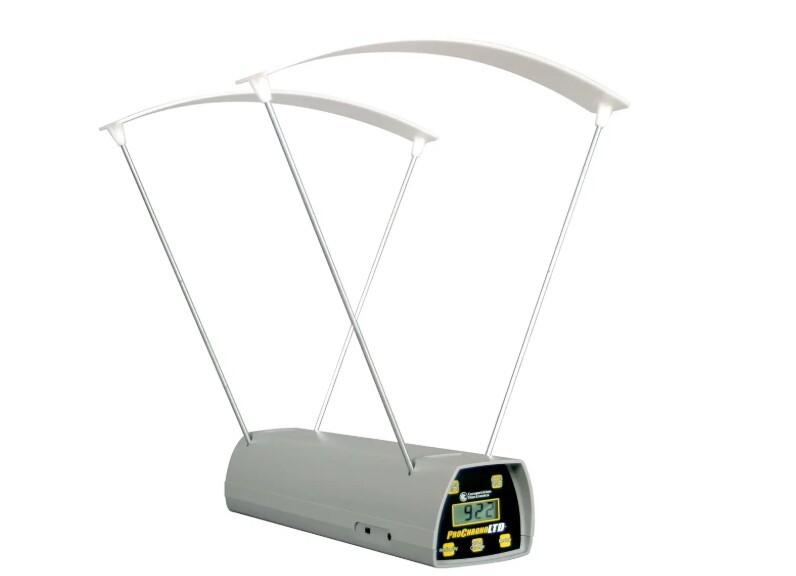
A shoot-through chronograph with built-in Bluetooth for wireless logging and basic shot-string stats. It's a practical middle ground between bare-bones optical units and radar pricing. This is a good step up from entry-level options.
The ProChrono adds modern connectivity without abandoning the proven optical tech. It pairs easily with phones and tablets to record your data without cables or manual note-taking. The on-unit display also shows key stats so you can work without the app if needed.
With storage for multiple shot strings and good battery life from a single 9V, it's ready for serious range sessions. The included diffusers help manage tricky lighting conditions and so it extends your usable shooting hours compared to basic optical chronographs.
Price: $169.95
Features
- Built-in Bluetooth for iOS and Android
- Stores multiple shot strings and statistics
- Accuracy listed around ±0.5% or better
- Runs on one 9V battery (not included)
- Includes diffusers for varied lighting
Pros
- Good value for Bluetooth logging
- Clean workflow for load work and practice
- Straightforward to learn
- No cables needed
- Proven track record
Cons
- Shoot-through alignment required
- 9V battery not included
- Indoor use may need extra lighting support
- Still sensitive to sun angle
- Setup takes more time than radar units
Caldwell VelociRadar
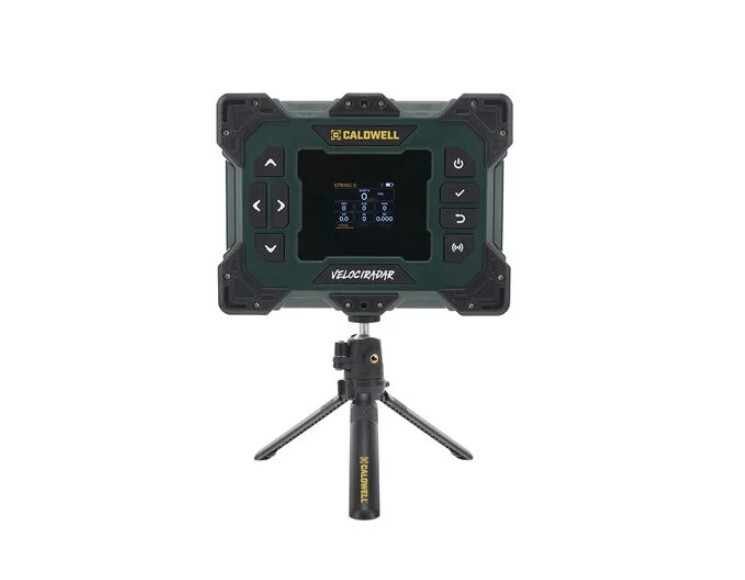
A radar-based system aimed at deeper ballistic data, including downrange tracking concepts. It's built for shooters who want more than a single muzzle-velocity number. This new offering from Caldwell brings advanced features to more users.
The VelociRadar uses Chirp radar technology to It’s designed to provide more than just muzzle velocity, and may support additional ballistic modeling features depending on the app and projectile type. Treat any BC-style outputs as estimates and validate with real downrange impacts.
The included premium ballhead tripod makes alignment simple, and the recoil-activated trigger helps ensure consistent readings even with suppressors or at indoor ranges. The companion app lets you control the chronograph remotely and organize your shot data effectively.
Price: $549.99
Features
- Radar-based chronograph approach
- Package includes a tripod
- Package includes a recoil-activated trigger
- Compatible with Caldwell app
- Works with rifles, shotguns, handguns, airguns, and archery
Pros
- More ballistic context than muzzle-only tools
- Trigger option can help with consistent shot capture
- Good fit for long-range data work
- No shoot-through required
- Works in varied lighting conditions
Cons
- High price
- Availability can vary by seller
- Setup habits still matter with radar
- Complex feature set takes time to master
- Newer product with less field history
LabRadar (Original / V1 Doppler Chronograph)
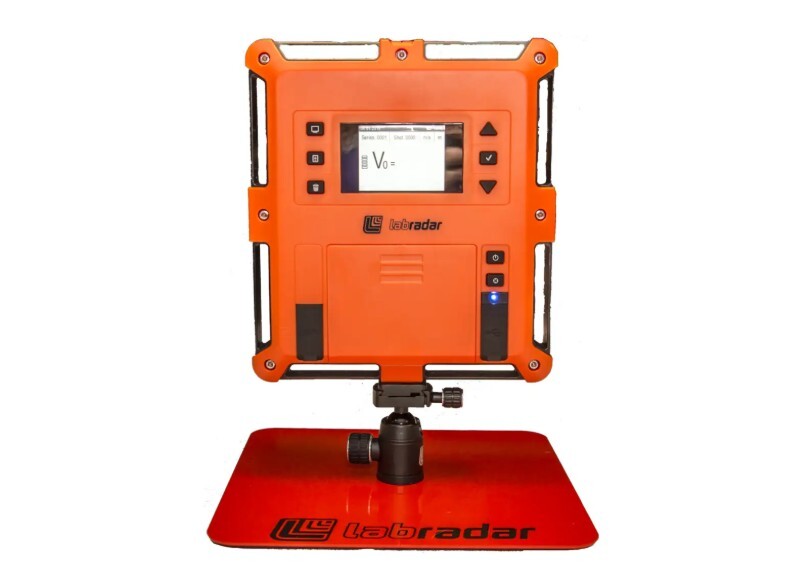
A Doppler radar chronograph that avoids shoot-through frames and targets more advanced data capture. It's widely used by shooters who want deeper data handling than optical systems. This model established radar chronographs in the consumer market.
The original LabRadar tracks velocity at multiple points downrange. It gives you real ballistic data beyond just muzzle velocity. It can measure speeds up to 3,900 fps and covers most common firearms. Data gets stored on an SD card for easy transfer to your computer.
Despite its advantages, the original LabRadar has a steeper learning curve than some options. Proper alignment and triggering take practice, and many users find they need accessories like external microphones for the best results with certain firearms.
Price: $349.95
Features
- Doppler radar chronograph platform
- Common listed velocity ceiling around 3,900 fps
- Runs on six AA batteries
- SD card storage
- Tracks velocity at multiple distances
Pros
- No shoot-through tunnel
- Reduces lighting issues compared to optical chronographs
- Useful for structured ballistic data sessions
- Works well with centerfire rifles
- Advanced ballistic data capabilities
Cons
- Alignment and triggering can take practice
- Larger footprint than newer mini radar units
- Accessories may be needed depending on your setup
- Six AA batteries get expensive
- Some users report that certain firearms/projectiles may require extra setup or accessories for consistent triggering.
Caldwell G2 Ballistic Precision Chronograph
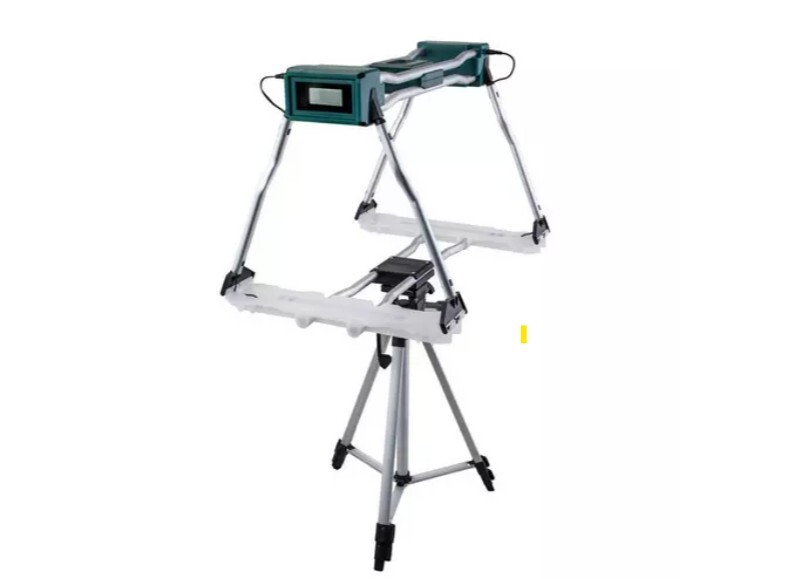
A shoot-through chronograph kit with Bluetooth and a rechargeable battery. It's sold as a more complete package, including helpful accessories for setup. This is Caldwell's upgrade from their basic model.
The G2 takes the proven optical chronograph concept and adds modern features like Bluetooth connectivity and a rechargeable lithium-ion battery. No more fumbling with 9V batteries or audio cables - it connects directly to your phone or tablet for easy data logging.
Coming standard with a soft case and tripod, the G2 represents good value despite the higher price than the basic model. The included IR light kit helps maintain consistent readings in varying light conditions, and extend your usable range time.
Price: $193.00
Features
- Measures 5 to 9,999 FPS
- Rechargeable lithium-ion battery
- Bluetooth + app support
- Bundle contents vary. Many kits include a tripod and case, and some include light management accessories.
- Better screen than basic model
Pros
- Full kit with useful accessories
- Rechargeable power
- App logging helps track strings and stats
- Good value for included items
- Proven optical technology
Cons
- Shoot-through setup takes patience
- Bulkier than pocket-sized radar units
- Optical systems still react to poor lighting and bad alignment
- App could use more features
- Still needs good sun angle
Garmin Xero C1 Pro Chronograph
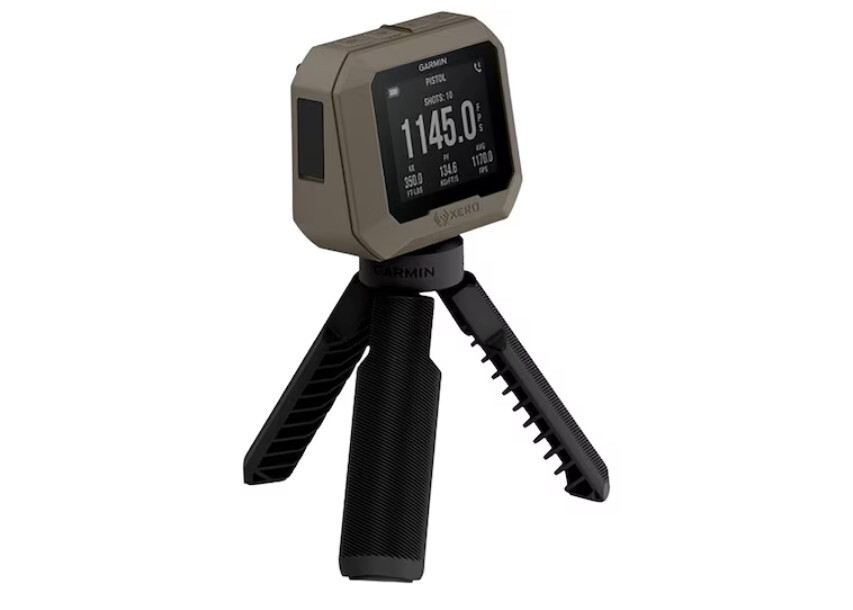
A compact chronograph built for quick setup and clean data capture, with app-based shot logging. It's positioned as a premium "easy to use" option. Garmin brings their tech expertise to the chronograph market.
Compact and easy to pack, the Xero C1 Pro is designed for quick setup and simple shot strings without a shoot-through frame.Yet it tracks projectiles from 100 fps all the way to 5,000 fps, covering everything from air guns to the fastest rifle cartridges. Its rechargeable battery lasts up to six hours of continuous use.
The ShotView mobile app pairs via Bluetooth to track and organize all your shot data. With its IPX7 water resistance rating, the unit stands up to range conditions better than most chronographs. Setup is simple: place it near the firing line, follow the manufacturer’s alignment guidance, and verify consistent readings with a short test string.
Price: $599.99
Features
- Measures roughly 100 to 5,000 fps
- IPX7 water rating
- ShotView app support for shot strings and tracking
- USB-C rechargeable
- Compact size (161 grams)
Pros
- Compact and easy to carry
- App workflow is simple for saving strings
- Wide velocity range
- No shoot-through required
- Works in varied lighting
Cons
- High price
- Placement still matters for clean reads
- Rechargeable device means you need to keep it charged
- Limited mounting options without accessories
- App could offer more analysis tools
How to Set Up a Chronograph for Clean Ballistic Data
Getting good data starts with good setup. Here's how to make sure your chronograph sessions give you useful information.
Step-by-step setup
- Pick a safe lane with steady lighting if you’re using an optical chrono, and give yourself room to place radar units consistently.
- Set the chrono type correctly: radar mode, optical spacing, or barrel mount.
- Fire a short warm-up string to confirm consistent capture.
- Record at least one full string with the same ammo lot.
- Save results with load details: bullet, powder, charge, COAL, barrel length.
The best chronograph data comes from consistent conditions. Try to test at similar times of day and similar weather when comparing loads. This helps isolate the variables you're actually testing.
How many shots per string
For quick velocity checks, 5 shots will tell you the basics. But when you're serious about load development or checking consistency, 10 shots gives you much better statistical confidence. Some precision shooters go to 20+ shots when finalizing a competition load.
Remember that barrel temperature affects velocity. Very long strings without cooling can show velocity changes from heat alone rather than from your load recipe.
What to record every time
- Average velocity: This is your main number for ballistic calculators
- SD (Standard Deviation): Lower numbers mean more consistent velocity
- ES (Extreme Spread): The difference between fastest and slowest shots
- Temperature if you have it: Helps explain seasonal shifts
- Gun, barrel length, and ammo lot: These all affect your results
Good record-keeping turns one-off chrono sessions into valuable data over time. Use a simple spreadsheet or dedicated ballistics app to track your loads.
How to Read SD, ES, and Average Velocity
The numbers from your chronograph tell a story about your ammunition. Here's what to look for.
Average velocity
This feeds your ballistic calculator baseline. It's the single most important number for accurate holdovers at distance. Even 50 fps off can mean misses at long range.
Don't assume the velocity on ammo boxes matches your gun. Manufacturers test under specific conditions, often with longer test barrels than sporting arms. Your real-world numbers matter more.
ES (Extreme Spread)
ES helps show your worst-case spread in the string. It's simply the difference between your fastest and slowest shots. ES can be skewed by a single outlier, especially with small strings (like 5 shots).
A good ES for precision rifle loads might be under 30 fps. Factory ammo often runs higher, sometimes 50+ fps even in quality loads.
SD (Standard Deviation)
SD gives a more stable picture of load consistency across the string. It shows how tightly grouped your velocities are around the average. Lower SD generally means better precision potential, especially at distance.
For handloads, single-digit SDs are excellent. Factory match ammo is often more consistent than bulk ammo, but SD varies a lot by cartridge, lot, barrel, and sample size. Plinking or hunting ammo can have SDs of 30+ fps and still be perfectly functional.
What "good" looks like
What counts as "good" depends entirely on your shooting goals:
- Casual target shooting: Almost any factory ammo will work
- Hunting inside 300 yards: ES under 50 fps is usually fine
- Precision rifle matches: Aim for SD under 15 fps
- Extreme long range: The best shooters work toward SD under 10 fps
Don't chase numbers without purpose. A 5 fps SD improvement won't matter if you can't hold the rifle steady anyway.
Final Recommendation
For most shooters just getting into ballistic data, the MagnetoSpeed V3 offers the best balance of price and performance. It works in all lighting conditions, gives clear readings, and fits most rifles. At $299, it's an investment that pays off in better data.
If the budget is tight, the basic Caldwell Ballistic Precision Chronograph gets you started for under $100. Just be prepared to work around lighting conditions and take time with setup.
For those wanting the deepest ballistic insights, the LabRadar original model at $349 provides downrange tracking at multiple distances. This helps understand how your bullets truly behave after leaving the barrel.
Frequently Asked Questions (FAQs)
What is the easiest chronograph to set up for beginners?
The Garmin Xero C1 Pro is by far the simplest. Just place it on a stable surface and shoot above it. No shoot-through alignment or barrel attachments needed.
Radar vs optical - which is better for most shooters?
Radar units are easier to use and work in all lighting, but cost more. Optical units are budget-friendly but pickier about setup and lighting conditions.
Can a barrel-mounted chronograph change accuracy or POI?
Yes. The added weight can change barrel harmonics and point of impact. For casual shooting it may not matter, but precision shooters should test and note any shifts.
Can I use these chronographs for pistols and rifles?
Radar units and optical units work with any firearm. Barrel-mounted units like the MagnetoSpeed are primarily for rifles, though adapter kits exist for some pistols.
Do I need a chrono if I do not reload?
You don't absolutely need one, but knowing your actual velocities still helps with ballistic calculations. Factory ammo often chronographs differently than the box states.
How many shots do I need for useful SD data?
At least 10 shots give statistically meaningful SD values. More is better, with 20 shots providing solid confidence in your data.
Can I chrono suppressed rifles without problems?
Yes, with radar or barrel-mounted units. Optical units may struggle with the gas blast from suppressors disrupting their sensors.
Why does my velocity change between summer and winter?
Temperature affects powder burn rates. Colder temperatures usually mean slower velocities, sometimes by 20-50 fps or more between seasons.
About the Author
This article was written by the ProArmory writing team using manufacturer documentation, published product specifications, and established ballistics concepts used by shooters and reloaders.. We also referenced trusted information from official defense publications and respected firearm authorities such as the ATF, NRA, and manufacturer manuals.
Disclaimer: This review is for education only. Laws vary by state and city and can change. Follow safe handling at all times. Read your owner's manual. Verify local rules before you buy or train.
Best Ammo Deals, Training, & Accessories
Subscribe to ProArmory sales and deals email.