 Pro Armory Editorial Team
Quick Answer
If you want one scope that covers most M1A shooting, pick the Vortex Viper PST Gen II 2-10×32 FFP. For true long-range dialing, the Vortex Viper PST Gen II 5-25×50 FFP and Sightron SIII 6-24×50 are strong options. For a forward-mounted scout build, the Burris Scout 2-7×32 fits the role. For hunting, go light with the Leupold VX-Freedom 3-9×40. Tight budget? Vortex Diamondback 3-9×40.
Key Takeaways
- M1A optics need sturdy mounts and repeatable adjustments to keep zero.
- 2–10x fits most M1A use. High magnification is for dedicated long range.
- Scout scopes need long eye relief for forward mounting.
- FFP helps hold at any power. SFP stays simple for hunting.
- A good mount matters as much as the scope on an M1A.
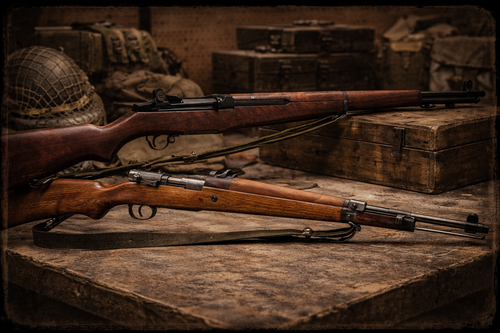
The right optic can make the M1A easier to shoot well and easier to shoot consistently. The M1A can be picky about mounts and setup, so your install matters as much as the scope. This guide sticks to scopes that make sense on real M1A builds, from scout setups to hunting to distance work.
How We Picked These 6 Scopes
The short version
The M1A demands respect when it comes to optics. These scopes aren't just randomly picked – they're selected based on what actually works with this platform
- Built around two common M1A paths: traditional receiver-mounted optics and forward-mounted scout optics.
- Prioritized scopes with a track record for holding zero, usable eye relief, and clear glass at realistic distances.
- Included a mix of high-end long-range, do-it-all, hunting, scout, and budget picks.
On any rifle, loose hardware and inconsistent mounting can ruin accuracy fast, even when the barrel and ammo are good.
What mattered most for the M1A
The M1A has some unique needs. Not just any scope will do. Here's what guided our picks:
- Mounting stability on the M1A receiver and rail systems
- Eye relief that works with typical M1A stocks and cheek weld
- Turret feel, tracking, and the ability to return to zero
- Optical clarity at practical distances like 100–600 yards
- Weight and balance, because the M1A already carries heft
Quick Comparison Table
| Scope | Best For | Magnification | Focal Plane | Objective | Notable Strength |
|---|---|---|---|---|---|
| Vortex Viper PST Gen II 5–25×50 | Long-range shooting | 5–25× | FFP | 50 mm | Excellent precision dialing and turret tracking |
| Burris Scout 2–7×32 | Scout rifle setups | 2–7× | SFP | 32 mm | Forward mounting with generous eye relief |
| Leupold VX-Freedom 3–9×40 | Hunting | 3–9× | SFP | 40 mm | Lightweight design with proven clarity |
| Sightron SIII 6–24×50 | Value precision | 6–24× | SFP | 50 mm | Strong tracking performance for the price |
| Vortex Viper PST Gen II 2–10×32 | All-around use | 2–10× | FFP | 32 mm | Balanced versatility across short to mid range |
| Vortex Diamondback 3–9×40 | Budget-friendly builds | 3–9× | SFP | 40 mm | Cost-effective option with solid reliability |
M1A Scope Buyer's Guide
What magnification range fits the M1A?
Your M1A's purpose drives your magnification needs:
- 2–10x: The sweet spot for most M1A use. Quick at low power, detailed enough at high power for the 100-400 yard shots most M1A owners take.
- 3–9x: Perfect for hunting. Light, simple, and just right for deer distances. Won't weigh you down in the field.
- 5–25x / 6–24x: For precision buffs with match-grade builds. Helps you see targets clearly at distance and use holds for dialing with more confidence.
- 1.5–4x / 2–7x scout: For forward mounting. Keeps your field view wide but still reaches farther than iron sights.
Scout scope vs traditional scope on the M1A
The M1A handles two main setups - each with its own perks:
Scout setup strengths:
- Faster on target
- See more around you with both eyes open
- No ejection problems
- Keeps the classic M1A Scout vibe
Traditional setup wins for:
- Steady cheek position
- Way more scope options
- Better precision at distance
- Brighter view in low light
If you want speed and awareness, scout works. If you want precision and more optic choices, go receiver-mounted.
Eye relief matters more than you think
With the M1A's .308 punch, eye relief isn't just comfort—it's safety:
- Regular scopes: 3-4 inches back from your eye
- Scout scopes: need 9-12+ inches for forward mounting
- Getting your eye the same distance from the scope each time shrinks groups
Pro tip: A consistent cheek weld (often with a riser) usually tightens groups because your eye returns to the same spot every time.
FFP or SFP for your M1A?
First Focal Plane keeps reticle measurements true at any power. Great for distance work beyond 300 yards and shooters who use holdovers.
Second Focal Plane keeps reticle size the same no matter the power. Simpler for hunting, usually costs less, and works fine when you stay at one power setting or dial your turrets.
Objective size basics
40mm: The happy medium most M1A setups need. Bright enough for dawn/dusk without excess weight.
50mm: Brightens dim conditions but adds bulk. Best when you care more about seeing than carrying.
32mm: Keeps weight down. Good for daylight use and scout setups where size matters.
Bigger lenses need higher rings. Plan your mount height accordingly.
Parallax: quick guide
- If it is under 300 yards, you will need to fix parallax (set at 100) and this works fine.
- If you are shooting tiny targets at 400+ yards, you need to get adjustable parallax.
- And if it’s for hunting, skip the extra knob and keep it simple.
Don't skimp on mounting
The best scope on a weak mount is useless. A decent scope on a rock-solid mount works every time.
Quality mounts from names like Bassett, Sadlak, and ARMS handle the M1A's recoil. Use proper torque and follow the mount maker’s guidance on thread locker - the .308's recoil finds every weak spot.
Most scope problems aren't the glass - they're how it's attached. This is the last place to cut corners.
The 6 Best Scopes for the M1A
Vortex Viper PST Gen II 5-25x50 FFP
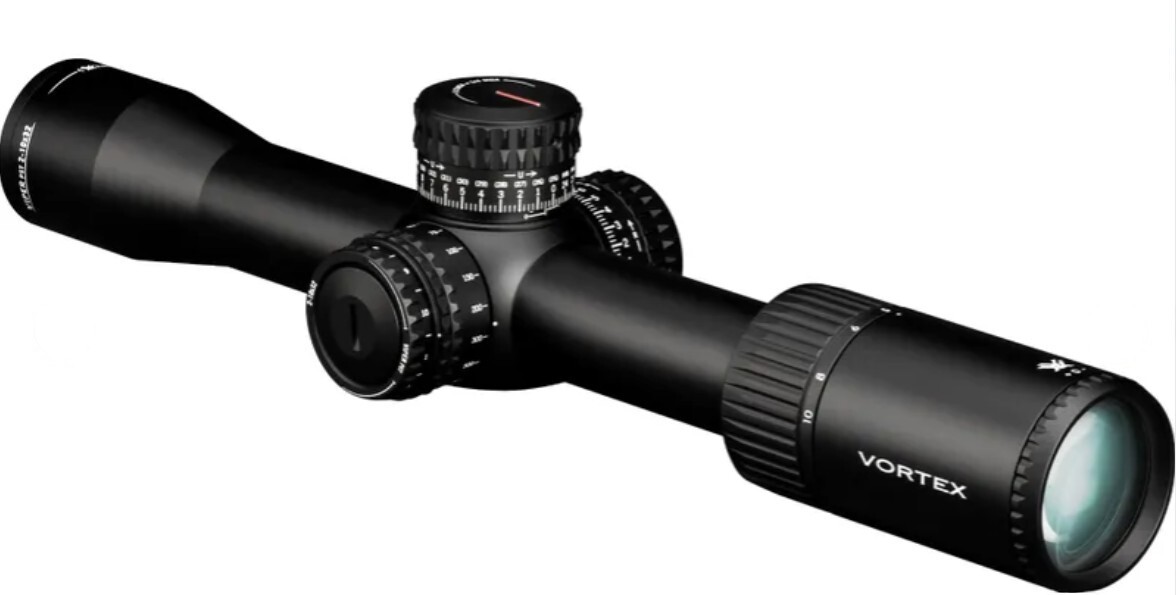
This is the "reach out and touch it" pick for the M1A. The Viper PST Gen II brings serious magnification range, allowing you to spot tiny targets and make precise shots well beyond 500 yards. The first focal plane reticle keeps your holdovers consistent regardless of what power you're on, which matters when shooting at various distances.
This one makes sense if you plan to dial elevation instead of living on a 100-yard zero. They track consistently and return to zero without fuss, which is exactly what you need when stretching an M1A to its accuracy potential. The image stays defined at higher magnification where cheaper scopes start to look hazy.
This scope fits best on accuracy-focused M1A builds - the types with match barrels and crisp triggers. It's overkill for brush hunting but perfect for a dedicated long-range setup where you'll shoot from prone or a bench. The side parallax adjustment becomes genuinely useful at these distances too.
Price : $1,000–$1,400
Specs
- Magnification: 5–25x
- Objective: 50mm
- Focal plane: First Focal Plane
Features
- FFP reticle behavior stays consistent through the zoom range
- Long-range oriented magnification window
- Dialing-focused design
Pros
- Best "true long-range" option in this list
- FFP makes holds more natural at any magnification
- Strong match for prone/bench precision shooting
Cons
- Adds weight and bulk to an already heavy rifle
- Slower handling for close-range shooting
- Costs more than hunting and budget options
Burris Scout Riflescope 2-7x32 (Ballistic Plex)
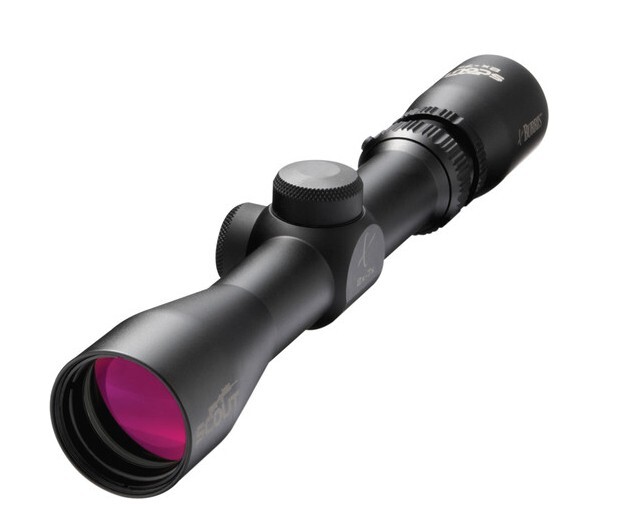
The Burris Scout scope is purpose-built for forward-mounted scout setups on the M1A. Its standout feature is the exceptional eye relief that lets you mount it well ahead of the receiver while still getting a clear sight picture. Forward mounting keeps your view open and makes target transitions feel quicker.
The 2-7x magnification range hits the sweet spot for a scout setup. At 2x, it's quick for close targets, and at 7x, you can still make good shots out to 300-400 yards. The Ballistic Plex reticle gives you holdover points without cluttering up the view, which is perfect for field use where simplicity counts.
This scope keeps the M1A's handling nimble compared to heavier optics. The forward mounting preserves the rifle's balance and keeps the ejection path clear. If you’re building a Scout Squad the way it’s meant to be run, this is the straightforward choice.
Price : $330–$350
Specs
- Magnification: 2–7x
- Objective: 32mm
- Eye relief: about 9.2–12 in
Features
- Scout-friendly long eye relief
- Ballistic Plex reticle option (common configuration)
- Compact, field-leaning build
Pros
- One of the best "true scout" fits for the M1A
- Quick sight picture and good situational awareness
- Keeps the setup light and practical
Cons
- Not a long-range precision scope
- Smaller objective than many hunting scopes
- Scout mounting setup can be finicky depending on your rifle
Leupold VX-Freedom 3-9x40 (Hunt-Plex)
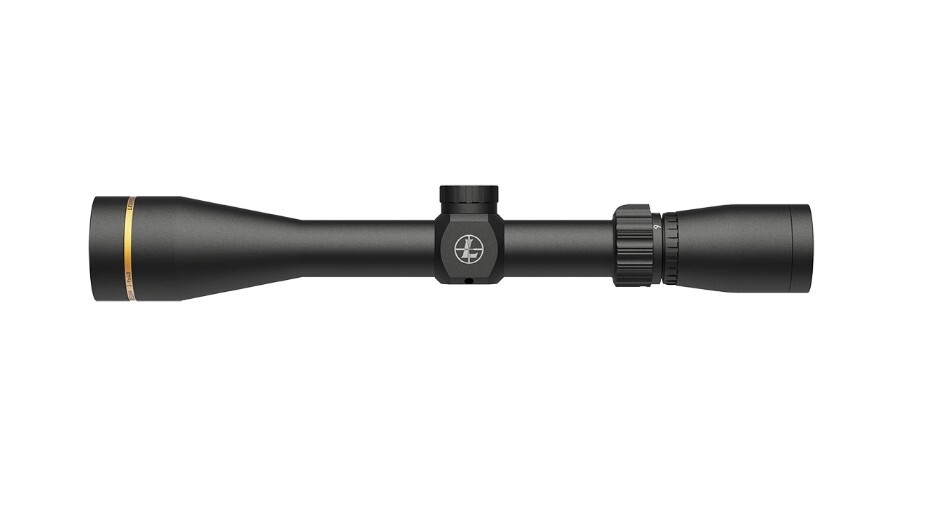
The Leupold VX-Freedom hits the sweet spot for hunters using the M1A. This scope keeps things light, clear, and simple for hunting at a price that won't make you wince when taking your rifle into rough terrain. The 3-9x range is perfect for deer, elk, and similar game at typical hunting distances of 50-300 yards.
At just over 12 ounces, this is one of the lighter full-size scopes available. That matters on the M1A, which already tips the scales at over 9 pounds unloaded. The weight savings keeps your rig manageable during long days in the field and helps maintain the rifle's handling qualities.
The Hunt-Plex reticle is clean and uncluttered - exactly what you want when a buck steps out at dusk. Low-light performance is solid for this class, which helps at first and last light. For a hunting-focused M1A, this scope delivers everything you need without unnecessary frills that drive up weight and cost.
Price : $400
Specs
- Magnification: 3–9x
- Objective: 40mm
- Weight: about 12.2 oz
Features
- Hunting-oriented configuration
- Simple reticle option (Hunt-Plex on listing)
- Straightforward, set-and-go adjustment style
Pros
- Excellent carry-weight match for the M1A
- Clean sight picture that's easy to use fast
- Great for deer-style distances
Cons
- Not intended for constant turret dialing
- Less feature-heavy than tactical optics
- If your focus is true long-range, you'll want more magnification
Sightron SIII 6-24x50 (LR series)

The Sightron SIII represents tremendous value in the precision shooting space. This scope has a strong reputation for tracking well for the money. The 6-24x magnification range is perfect for squeezing maximum accuracy from a tuned M1A at distances from 200 yards out to the limits of the .308's effectiveness.
The turrets on the SIII track consistently, which matters when you're dialing for distance or wind. They offer positive clicks without being too stiff, and the turrets are a better fit for deliberate shooting than quick hunting adjustments. The side focus parallax adjustment is smooth and helps eliminate aiming errors at varying distances.
This optic is best suited to bench, prone, or other supported shooting positions. It's built for methodical precision work rather than quick shots. On a match-grade M1A with a good barrel, this scope can help you see exactly what your rifle is capable of at extended ranges. If you're building an M1A for precision without breaking the bank, the SIII deserves serious consideration.
Price : $800
Specs
- Magnification: 6–24x
- Objective: 50mm
- Tube: 30mm (as listed on spec pages for LR models)
Features
- Distance-focused magnification window
- Precision-style configuration (LR line)
- Better fit for slow, careful shooting positions
Pros
- Strong value for long-range style shooting
- Plenty of magnification for load testing and groups
- Makes it easier to spot details at distance
Cons
- Bigger scope feel and more weight than hunting/scout options
- Not quick for close targets
- Mounting height and cheek weld matter more with this style
Vortex Viper PST Gen II 2-10x32 FFP
If you could only pick one scope for the M1A that balances all needs, the Viper PST Gen II 2-10x32 would be it. This optic hits the sweet spot between magnification range, weight, and features. At 2x, it's quick enough for close work, and at 10x, you can work targets out to 600 yards and beyond with proper holdovers.
FFP helps if you use holds at different magnifications. for practical shooting. Your holdover points stay proportional at any magnification, so there's no mental math needed when you change power settings. The illuminated reticle helps in low light and against dark backgrounds, but isn't so bright it washes out the target.
The 32mm objective keeps the scope compact, but it won’t be as bright at dusk as 40–50mm glass. The entire package feels balanced on the M1A, which is important for a rifle you might carry all day. For someone who wants one scope to do it all - from 100-yard drills to 600-yard steel - this optic delivers without the bulk of larger scopes or the limitations of simpler ones.
Price : $700–$900
Specs
- Magnification: 2–10x
- Objective: 32mm
- Focal plane: First Focal Plane
Features
- FFP reticle setup in a compact magnification class
- Mixed-distance friendly zoom range
- Built for practical corrections and holds
Pros
- Great all-around pick for most M1A owners
- More agile than big 50mm long-range scopes
- Still gives real capability past typical hunting distances
Cons
- Not as specialized for extreme distance as 5–25x
- Costs more than basic hunting/budget optics
- Smaller objective can be dimmer at dusk than 40–50mm options
Vortex Diamondback 3-9x40 (Dead-Hold BDC)
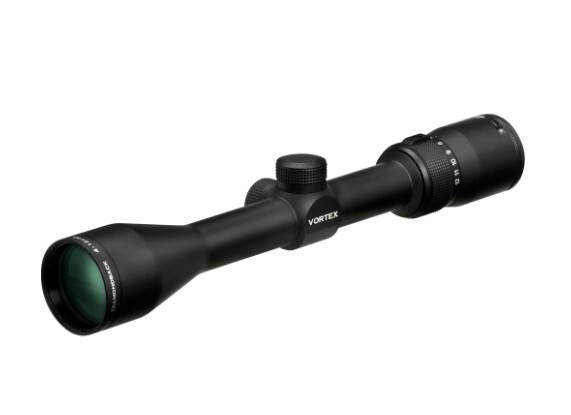
The Vortex Diamondback brings solid performance at a price point that won't break the bank. This is a straightforward budget scope for basic hunting and range use. that does exactly what you ask without frills or fuss. The 3-9x range covers most practical hunting and range shooting needs for the M1A owner on a budget.
For the price, the sight picture is perfectly usable in normal daylight. You get a clean sight picture and good low-light performance from the fully multi-coated lenses. The Dead-Hold BDC reticle provides usable holdover points for shooting at different distances, which helps extend the M1A's practical range without constant turret adjustments.
It’s built to be a basic, reliable hunting-style optic, not a dialing-heavy precision scope. The one-piece tube is nitrogen purged and O-ring sealed for waterproof performance, and the scope stands up to recoil without losing zero. For an entry-level hunting setup or a general-purpose range M1A, this scope delivers everything you need and nothing you don't.
Price : $220–$350
Specs
- Magnification: 3–9x
- Objective: 40mm
- Eye relief: about 3.3–3.5 in
Features
- Dead-Hold BDC reticle option
- Fully multi-coated optics (as listed)
- Simple capped-turret hunting scope layout
Pros
- Strong budget pick with mainstream specs
- Easy to mount and easy to use
- Good entry point for M1A hunting setups
Cons
- Not built for heavy dialing like PST-style optics
- You'll want more magnification for true long-range
- Less premium feel than higher-priced glass
HowTo: Mounting and Zeroing a Scope on an M1A
- Choose your mount style: receiver mount or scout rail. Receiver mounts offer stability but scout rails enable forward mounting.
- Degrease screws and contact surfaces with alcohol or a good gun cleaner. Oil and grease prevent proper torque.
- Install the mount and torque to manufacturer specs. Use a proper inch-pound torque wrench, not just "feel."
- Set ring height for a natural cheek weld. Your eye should align with the scope without straining your neck.
- Level the scope using a bubble level or scope leveling tool. Tighten rings evenly in a criss-cross pattern like lug nuts.
- Bore sight first, then confirm at 25 or 50 yards. Make major adjustments at shorter distances to save ammo.
- Zero at 100 yards with your intended ammo. Fire 3-shot groups, adjust, and confirm with a final 3-shot group.
- Re-check zero after your first extended session and after transport, especially with a new mount. New mounts sometimes need a re-check after the first range trip.
- Build a simple dope card for 200–600 yards with your specific load. Test and record actual results, don't just use calculators.
- Re-check all fasteners after your first full range trip. The M1A's recoil will find loose screws!
Conclusion
The right scope for your M1A depends entirely on how you plan to use it. For long-range precision, the Vortex Viper PST Gen II 5-25x50 FFP and Sightron SIII 6-24x50 deliver the goods. Scout setup? The Burris Scout 2-7x32 is purpose-built for the job. Hunters will appreciate the Leupold VX-Freedom 3-9x40's light weight and clarity. The all-rounder award goes to the Vortex Viper PST Gen II 2-10x32 FFP. And if budget matters most, the Vortex Diamondback 3-9x40 punches above its price class.
The M1A rewards solid mounting and has realistic expectations. The best scope is the one that fits your shooting style and stays zeroed through hundreds of rounds.
Pick the scope for your job, mount it correctly, and confirm your zero with the ammo you’ll actually use.
The M1A supports a wide range of optics, from high-magnification long-range scopes to forward-mounted scout setups. If a scout configuration is on your shortlist, Top 5 Best Scout Scopes Reviewed is a great next step for narrowing down the best options.

Federal Gold Medal 308 Win 168gr Boat Tail Hollow Point
$39.73
at Pro Armory
Prices accurate at time of writing
Frequently Asked Questions (FAQ)
What magnification is best for the M1A at 600 yards?
For 600 yards, something in the 10x neighborhood is usually plenty for practical shooting. You get enough detail to place shots precisely without excessive mirage issues that can plague higher powers on warm days. The M1A is capable of 2-3 MOA at this distance with good ammo, so ultra-high magnification doesn't add much benefit.
Do I need FFP on an M1A, or is SFP fine?
FFP (First Focal Plane) scopes are better if you regularly shoot at varying distances and use holdovers. SFP (Second Focal Plane) works fine if you mainly shoot at a consistent distance or use the turrets to dial corrections rather than using reticle holdovers. For hunting, SFP is typically simpler and more affordable.
What's the main advantage of a scout scope on the M1A?
Scout scopes mount forward of the receiver, allowing faster target acquisition with both eyes open. This gives better situational awareness and quicker shots on moving targets. The long eye relief also means the scope sits far from your eye, eliminating scope bite concerns even with the .308's recoil.
Can I use a long-range scope on an M1A Scout Squad?
Yes, but you'll need to use a standard receiver mount rather than the forward scout rail. The Scout Squad's 18" barrel is still plenty accurate enough for long-range work. Just be aware that adding a heavy scope will change the handling characteristics that make the Scout Squad appealing in the first place.
Why do some scopes lose zero on the M1A?
Scopes lose zero on the M1A primarily due to mount issues, not the scopes themselves. The M1A's recoil is stout and can loosen mounts over time. Use quality mounts designed specifically for the M1A, apply proper torque to all screws, use thread locker where appropriate, and check your mounting screws regularly.
What matters more: scope quality or mount quality?
Both matter, but a medium-quality scope on an excellent mount will outperform an excellent scope on a poor mount every time. The M1A is particularly sensitive to mounting issues. Invest in a quality mount first, then get the best scope your remaining budget allows.
Do I need adjustable parallax for .308 at distance?
For shooting beyond 300 yards, adjustable parallax becomes increasingly valuable. It eliminates aiming errors caused by inconsistent eye position behind the scope. For hunting or shooting inside 300 yards, fixed parallax (typically set at 100 yards) is generally sufficient.
What zero distance works best for hunting with the M1A?
A 100-yard zero works well for most hunting with the .308 Winchester in an M1A. With typical hunting loads, this gives you a point of impact about 1.5-2 inches high at 200 yards and roughly dead-on again at around 275-300 yards. This "maximum point blank range" approach simplifies field shooting.
About the Author
This article was written by the Pro Armory writing team based on current research, including studies from reputable sources like the Journal of Military Science, Firearms News, and the National Shooting Sports Foundation. We also referenced trusted information from official defense publications and respected firearm authorities such as the ATF, NRA, and manufacturer manuals.
Disclaimer: This review is for education only. Laws vary by state and city and can change. Follow safe handling at all times. Read your owner's manual. Verify local rules before you buy or train.
Best Ammo Deals, Training, & Accessories
Subscribe to ProArmory sales and deals email.