 Pro Armory Editorial Team
Quick Answer
If you want one LPVO that can handle close targets and still give you reach, start by picking your magnification lane. A 1-6x is fast and simple. A 1-8x adds more reach without getting huge. A 1-10x pushes into DMR-style shots but demands more from glass, reticle, and eyebox. Below are 11 proven picks, split by power range and price class.
Key Takeaways
- 1-6x is fastest for close work and most general use.
- 1-8x is a strong middle ground for range plus speed.
- 1-10x helps spot and hold at distance, but costs more.
- FFP helps hold at any zoom; SFP stays cleaner at 1x.
- Daylight-bright illumination matters most at true 1x.
LPVOs demand two opposite things: red-dot speed at 1x and precision at max power. Many optics excel at one end but fail at the other. A great 1x view with a washed-out reticle won't work. Neither will crystal clear 10x with a tiny eyebox. The right LPVO needs to nail both ends of its range. This guide helps you find that balance between close-quarter speed and distance precision without compromise.
LPVO comparison chart
| Scope | Magnification | Focal Plane | Reticle Style | Best Fit |
|---|---|---|---|---|
| Steiner T5Xi | 1–5× | SFP | Simple | Low-power simplicity |
| Sig Sauer TANGO6T | 1–6× | FFP / SFP | Multiple options | Configuration flexibility |
| Primary Arms SLx Gen IV | 1–6× | SFP | ACSS | Budget 1–6× option |
| Sig Sauer Tango MSR | 1–6× | SFP | BDC6 | Value-focused pick |
| Nightforce ATACR | 1–8× | FFP | FC-DMx | Hard-use premium |
| Trijicon VCOG | 1–8× | FFP | Tree / crosshair | Durability-focused builds |
| Primary Arms PLxC | 1–8× | FFP | ACSS | Compact premium 1–8× |
| TRYBE Optics | 1–8× | SFP | PCR-1 | Budget 1–8× option |
| Vortex Razor HD Gen III | 1–10× | FFP | EBR-9 | High-end 1–10× |
| EOTECH Vudu | 1–10× | FFP | SR / LE options | Strong value in the 1–10× tier |
| ZeroTech Trace ED | 1–10× | FFP | RMG-L | Mid-range 1–10× option |
Best LPVO scopes
Nightforce ATACR 1-8×24 F1
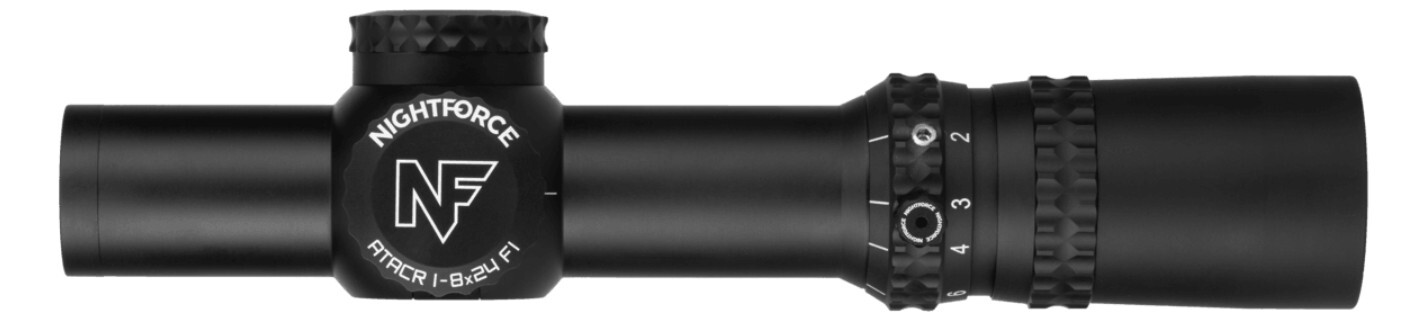
This is a top-tier hard-use LPVO built around ruggedness, clarity, and a practical 1–8x range. The ATACR line is closely associated with USSOCOM’s variable-power optic efforts, which is a strong indicator of durability expectations in harsh conditions.
Premium build quality supports serious field use. The glass is bright and clear enough to make the 8x top end useful for target identification. At 1x, it can be run quickly with both eyes open, and at 8x it provides meaningful detail for holds and shot placement.
The FC-DMx reticle offers windage and elevation references with an illuminated center that works well for close-range speed while still providing holds at distance. As a first focal plane (FFP) reticle, these holds stay usable across the entire magnification range.
Price: Approx retail: $2,700–$2,900
Specs
- Magnification: 1-8x
- Focal plane: FFP
- Objective: 24mm
- Tube: 34mm
- Weight: 21.0 oz
Features
- Built for harsh conditions and repeatable use
- Strong field of view at 1x
- FC-DMx reticle with pyramid-style layout
- Multiple reticle options (MOA or MRAD)
Pros
- Rugged build and proven design
- Excellent glass clarity and color
- FFP holds work across zoom range
- SOCOM-approved durability
Cons
- Very high price point
- At 8x, thicker reticle elements can cover small targets, depending on your exact reticle choice and target size.
- Premium-tier cost adds up with mounting
EOTECH Vudu 1-10×28 FFP
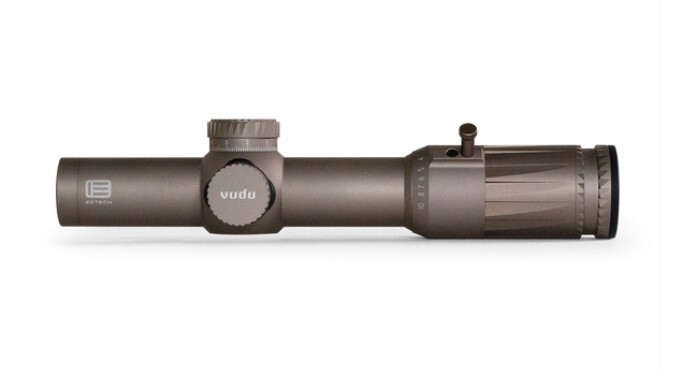
A compact-ish 1-10x that aims at serious use. The main story is higher magnification in an LPVO format with an FFP reticle for holds. The Vudu provides a sleek, low-profile 1-10x LPVO at a price point that undercuts some competitors in this class.
The view through the glass will impress most users. Colors appear vivid with excellent contrast and so it makes it easier to spot targets in varied terrain. The shades of green from grass to trees and brush remain distinct and visible without bleeding together.
You can choose from three reticles: two MRAD and one MOA. The MOA SR4 is simple, with holds for elevation and windage along the vertical and horizontal axes. The MRAD options offer Christmas tree-style reticles for windage and elevation holds.
Price: Approx retail: $1,800–$1,900
Specs
- Magnification: 1-10x
- Focal plane: FFP
- Objective: 28mm
- Tube: 34mm
- Weight: 21.3 oz
Features
- Three reticle options: SR4 (MOA), SR5 (MRAD), LE5 (MRAD)
- Click value: 0.25 MOA or 0.1 MRAD depending on model
- Throw lever support for fast zoom changes
Pros
- FFP at 1-10x is useful for holds
- Cost-effective compared to similar optics
- Multiple reticle choices cover different preferences
- Good glass clarity and color representation
Cons
- Illumination can seem dim in bright conditions
- 1-10x can be less forgiving than 1-6x
- Still a significant investment
Primary Arms SLx 1-6×24 Gen IV ACSS Nova
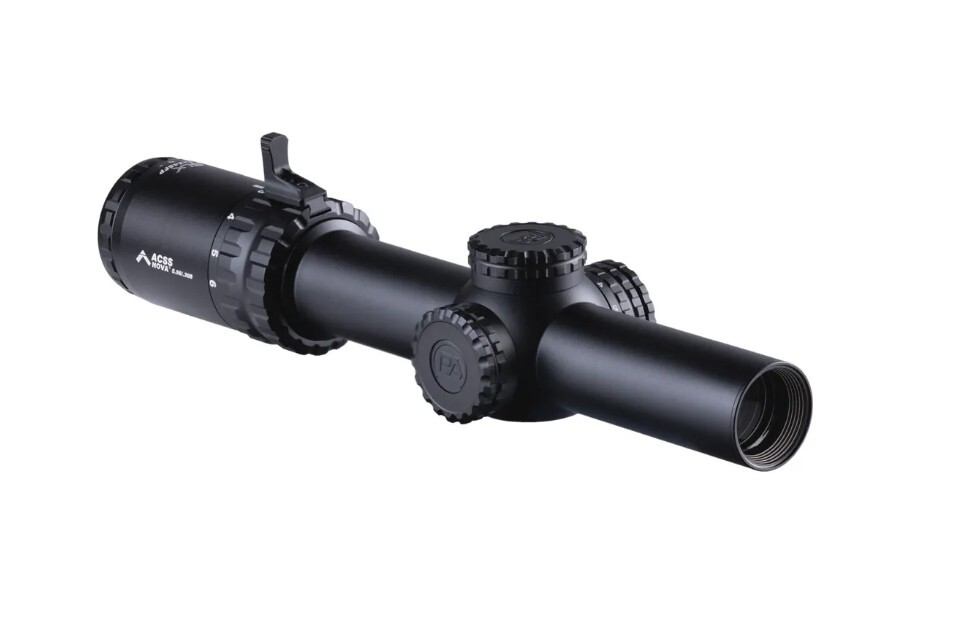
A budget-friendly 1-6x that leans into a bright center aiming concept with the Nova fiber-wire style reticle. Primary Arms has established itself as a champion of budget optics, especially LPVOs, and this fourth-generation SLx builds on that reputation.
The Gen IV iteration improves on previous models with enhanced glass clarity. The ACSS Nova reticle is now daylight-bright - a significant upgrade that helps in varied lighting conditions. The magnification dial may feel stiff at first but typically breaks in with use.
The ACSS reticle system includes ranging capabilities and holdover points that don't clutter the view at 1x but provide useful references at higher magnification. This scope survived rigorous testing in California deserts and Texas summers while maintaining zero across multiple rifles.
Price: Approx retail: $360
Specs
- Magnification: 1-6x
- Focal plane: SFP
- Objective: 24mm
- Field of view at 100 yards: 120 ft to 20 ft
Features
- ACSS Nova fiber wire reticle approach
- Integrated throw lever style setup on some variants
- Improved glass quality over previous generations
- Free mount available through some retailers
Pros
- Strong value at retail price point
- Daylight-bright illumination
- ACSS reticle supports practical holds
- Proven durability in harsh conditions
Cons
- Magnification dial can feel stiff initially
- Not premium-tier glass
- SFP reticle may not suit all users
SIG Sauer TANGO6T 1-6×24
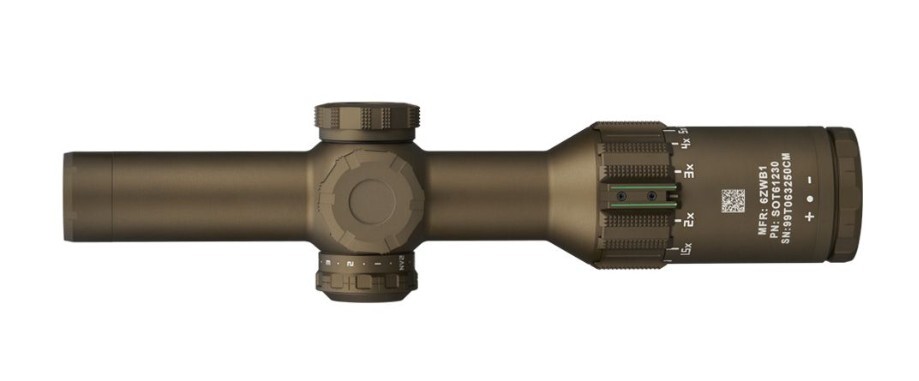
A duty-leaning LPVO line with multiple reticle and focal plane options depending on exact model. The TANGO6T earned selection by the U.S. Army as their squad-designated marksman optic, and SOCOM adopted it as their SFP choice.
Options abound with the TANGO6T. Available in both first focal plane and second focal plane configurations, with five different reticle choices, you can find a version that matches your specific needs. This flexibility makes it attractive to both military users and civilian owners.
The sight picture is exceptional, with crystal clear glass that's bright and vivid. The fast-focus eyepiece makes it easy to get behind the optic and acquire targets quickly. Generous eye relief enhances usability in odd positions, and so it makes it quite adaptable for rapidly changing environments.
Price: Approx retail: $1,400–$1,600
Specs
- Magnification: 1-6x
- Objective: 24mm
- Weight: FFP 22.08 oz, SFP 20.8 oz
- Battery: CR2032
Features
- Multiple reticle options: Hellfire MOA, DWLR6, 5.56/7.62 Horseshoe Dot, and more
- Available in both FFP and SFP configurations
- Military-adopted optics family with models associated with U.S. service use.
- Forgiving eye box
Pros
- Military-proven performance
- Excellent glass clarity
- Multiple configuration options
- Forgiving eye relief for varied shooting positions
Cons
- Need to research specific SKUs carefully
- Price sits well above budget options
- Some users may not appreciate paying premium for SFP
Primary Arms PLxC 1-8×24 FFP
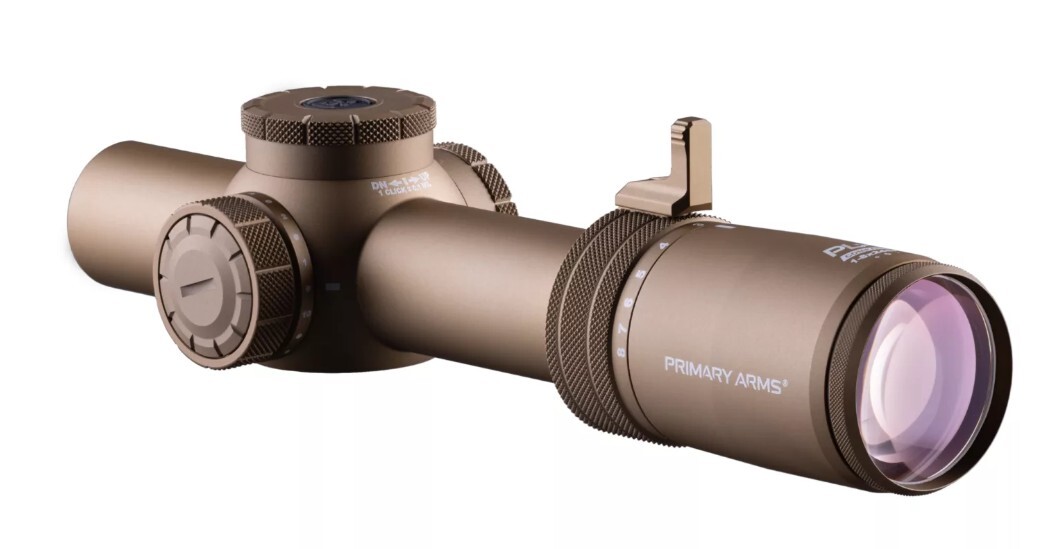
A premium-leaning compact 1-8x that tries to stay light and short without giving up real performance. The PLxC marks Primary Arms' entry into the premium optic market. It builds on their reputation for value-oriented scopes.
At 1-8x magnification, this scope delivers an impressive field of view - 121 feet at 100 yards. The Japanese high-dispersion glass eliminates chromatic aberration and enhances color representation. It creates a clear sight picture throughout the magnification range.
The ACSS reticle system has been slightly modified for this premium line. At 1x, you get an illuminated center that's uncluttered and fast. As you zoom to 8x, various holds come into view, including an elevation ladder and pyramid-style design for windage and elevation holds, plus rangefinder and target lead references.
Price: Approx retail: $1,500
Specs
- Magnification: 1-8x
- Focal plane: FFP
- Objective: 24mm
- Length: 9.28 in
- Weight: 16.95 oz
Features
- Premium-grade Japanese ED lens system
- Compact build focus
- ACSS reticle ecosystem with Griffin-style option
- Wide field of view (121 feet at 100 yards)
Pros
- Lightweight for a 1-8x FFP scope
- Excellent glass quality and color transmission
- Comprehensive ACSS reticle system
- Good value in the premium segment
Cons
- Limited reticle brightness on very bright days
- Still a significant price jump from SLx line
- FFP reticle may appear small at 1x to some users
Vortex Razor HD Gen III 1-10×24 FFP
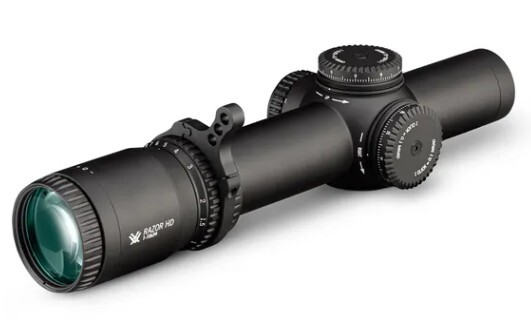
A premium benchmark LPVO in the 1-10x category. The Razor HD Gen III manages to pack 1-10x magnification into nearly the same size and weight as their 1-6x model - an engineering feat that keeps the scope practical for field use.
The glass quality sets a high standard. Edge-to-edge clarity remains impressive even at 10x magnification, with minimal color distortion. Excellent light transmission makes target identification easy at distance, and the clean optical system helps you make precision shots from close range out to 800 yards and beyond.
Vortex has streamlined the reticle options to the cutting-edge EBR-9 in either MOA or MRAD versions. The reticle design balances precision holds for long shots with a usable center for close-range work. The entire package comes in a sleek design with low-profile turrets and smooth magnification adjustment.
Price: Approx retail: $2,000–$2,500
Specs
- Magnification: 1-10x
- Focal plane: FFP
- Objective: 24mm
- Field of view: 116 ft to 11.7 ft at 100 yards
- Tube: 34mm
- Weight: about 21.5 oz
Features
- EBR-9 reticle in MOA or MRAD options
- Surprisingly compact for 1-10x magnification
- Precision-focused reticle design
- Low-profile, streamlined controls
Pros
- Premium glass clarity and light transmission
- Impressive size control for 1-10x capability
- Strong edge-to-edge clarity even at high magnification
- Streamlined design despite high-end features
Cons
- Very high price point
- Requires investment in 34mm mounting
- Not designed for casual users
Trijicon VCOG 1-8×28
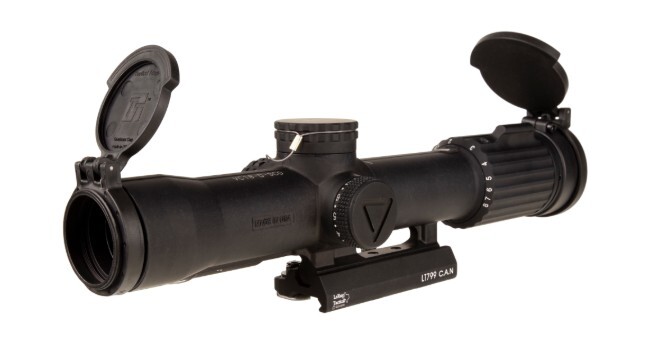
A heavy-duty optic built for abuse. The VCOG (Variable Combat Optical Gunsight) continues Trijicon’s reputation for extremely rugged optics in a variable magnification format. The USMC fielded the VCOG 1–8 as the Squad Common Optic (SCO), reflecting a durability-first approach to a combat LPVO.
The VCOG prioritizes durability above all. It's designed to withstand battlefield conditions and the rough handling of military use. The magnification range matches the accuracy needs of modern service rifles like the M27. It provides both close-quarters capability and precision at range.
The reticle system varies by model, with options including an MRAD tree and crosshair designs. For close-range engagements, it features a segmented illuminated circle that works like a red dot at 1x. Because it’s FFP, the reticle scales as you change magnification. That can feel fast and bold at 1x while looking finer and less dominant as you zoom up.
Price: Approx retail: $2,000–$2,300
Specs
- Magnification: 1-8x
- Objective: 28mm
- Weight: 31.5 oz
- Focal plane: FFP
Features
- Marine Corps-approved design
- Multiple reticle options: MRAD Tree, MOA Crosshair Dot, MRAD Crosshair Dot
- Integrated mounting system
- Extremely durable construction
Pros
- Unmatched durability
- Excellent close-range performance at 1x
- Daylight-bright illumination
- Proven military track record
Cons
- Extremely heavy (32 oz)
- Large physical footprint
- Premium price point
Steiner T5Xi 1-5×24
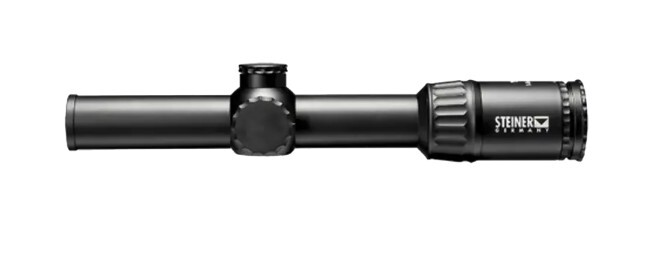
A lower-magnification LPVO option for people who want speed and a simpler 5x top end. The Steiner T5Xi focuses on close to moderate range performance rather than pushing magnification boundaries.
The glass quality delivers excellent clarity with vibrant colors. Everything in your sight picture appears crisp and well-defined, and so it makes target identification straightforward. This optical performance matches Steiner's reputation for premium glass.
Reticle options vary by model and SKU, with versions tailored to different ballistic and user preferences. It features a very bright center dot that functions essentially as a red dot when set at 1x. The overall reticle design remains uncluttered. It makes it accessible for newer shooters and those who prefer simplicity over complex holdover systems.
Price: Approx retail: $1,500–$1,700
Specs
- Magnification: 1-5x
- Tube: 30mm
- Objective: 24mm
- Weight: 19 oz
Features
- 3TR reticle options for 5.56 or 7.62
- Close-combat focused design
- Emphasis on true 1x performance
- Clear, uncluttered sight picture
Pros
- Fast target acquisition at 1x
- Simple, user-friendly reticle
- Great for beginners and close-range specialists
- Lighter than higher-magnification options
Cons
- Limited 5x maximum magnification
- High price for relatively low magnification
- Lacks information for longer shots
TRYBE Optics 1-8×24 SFP
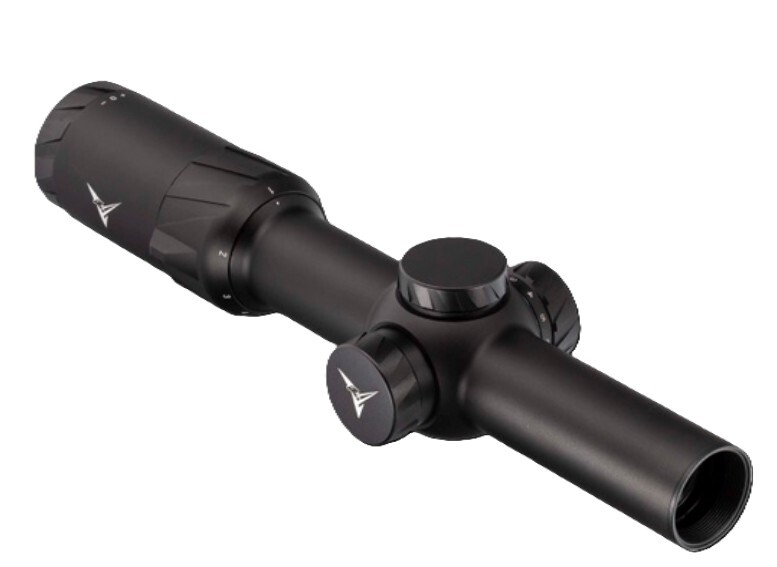
This is a budget-priced 1-8x that gives you magnification reach on a tight budget. The TRYBE 1-8x24 LPVO punches above its price point. It gives new shooters access to 8x magnification without breaking the bank.
At 1x, the view is crisp with minimal size distortion once you get the eyepiece focused properly. As magnification increases, the eye box becomes more critical, but even at 6x, target acquisition remains manageable. The 8x setting requires more precise eye positioning but delivers usable magnification.
The scope comes in multiple versions and bundles depending on retailer. Features and included accessories can vary by SKU, so confirm the exact model before buying.
Price: Approx retail: $150–$250
Specs
- Magnification: 1-8x
- Focal plane: SFP
- Objective: 24mm
- Tube: 30mm
- Weight: 18.2 oz
- Length: 11.5 in
Features
- PCR-1 reticle
- Optional DiMA ranging system compatibility
- Simple, easy-to-use controls
- Budget entry to 8x magnification
Pros
- Very affordable 1-8x option
- Usable glass quality for the price
- Straightforward operation
- Lightweight for category
Cons
- Illumination only suitable for dusk/dawn use, not daylight-bright
- Eye box becomes tight at higher magnifications
- Budget build quality
ZeroTech Trace ED 1-10×24
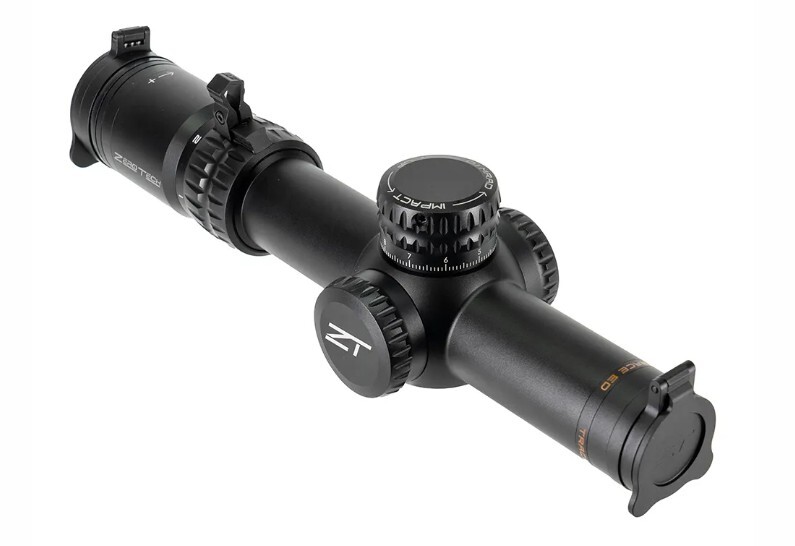
A mid-to-upper tier 1-10x that sells itself on ED glass positioning and a feature set that targets practical precision. The Trace ED 1-10x24 occupies an interesting middle ground in the market. It offers high magnification without the highest-tier pricing.
The ED (Extra-low Dispersion) glass helps eliminate chromatic aberration and keeps colors true across the entire magnification range. This results in a sharp, clear image that maintains its quality as you zoom from 1x to 10x. It helps with both target identification and precision aiming.
The first focal plane RMG-L reticle remains intuitive at close range while providing useful reference points at distance. The digital illumination control offers fine adjustment for different lighting conditions, and the locking elevation turret with zero stop helps maintain your zero through field use.
Price: Approx retail: $1,000–$1,300
Specs
- Magnification: 1-10x
- Objective: 24mm
- Tube: 34mm
- Weight: 25.64 oz
- Length: 10.35 in
- Focal plane: FFP
Features
- ED glass system for color fidelity
- Digital illumination control
- Locking elevation turret with zero stop
- RMG-L reticle designed for both speed and precision
Pros
- True 1x with minimal distortion
- High-quality glass for the price point
- Functional 10x magnification
- Good middle ground between budget and premium
Cons
- Heavier than many 1-6x options
- Less brand recognition than major manufacturers
- Eyebox can be demanding at higher magnifications
SIG Sauer TANGO MSR LPVO 1-6×24 SFP
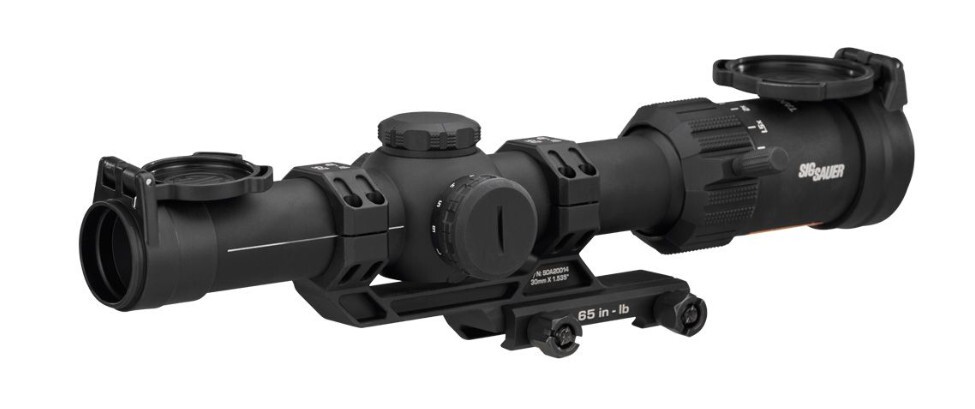
This is a value-first LPVO that gets you shooting fast. The Tango MSR stands out immediately because it includes a mount in the package - a significant value addition that reduces your total investment to get up and running.
The scope uses a second focal plane design with the DBC6 reticle, which maintains a consistent size throughout the magnification range. This approach keeps the reticle usable at 1x without becoming too small, though holdovers are only calibrated at maximum magnification.
For new LPVO users, the Tango MSR offers a straightforward introduction to variable magnification. The controls are simple and intuitive, and the overall package delivers functional performance without overwhelming options or adjustments.
Price: Approx retail: $280–$310
Specs
- Magnification: 1-6x
- Focal plane: SFP
- Objective: 24mm
- Tube: 30mm
Features
- Included mount
- DBC6 reticle
- Simple control layout
- Value-oriented package
Pros
- Excellent value with included mount
- Straightforward operation for beginners
- 1-6x range covers most practical distances
- Low barrier to entry on price
Cons
- Glass quality doesn't match premium options
- Limited reticle options
- Basic feature set
LPVO buyer's pick guide
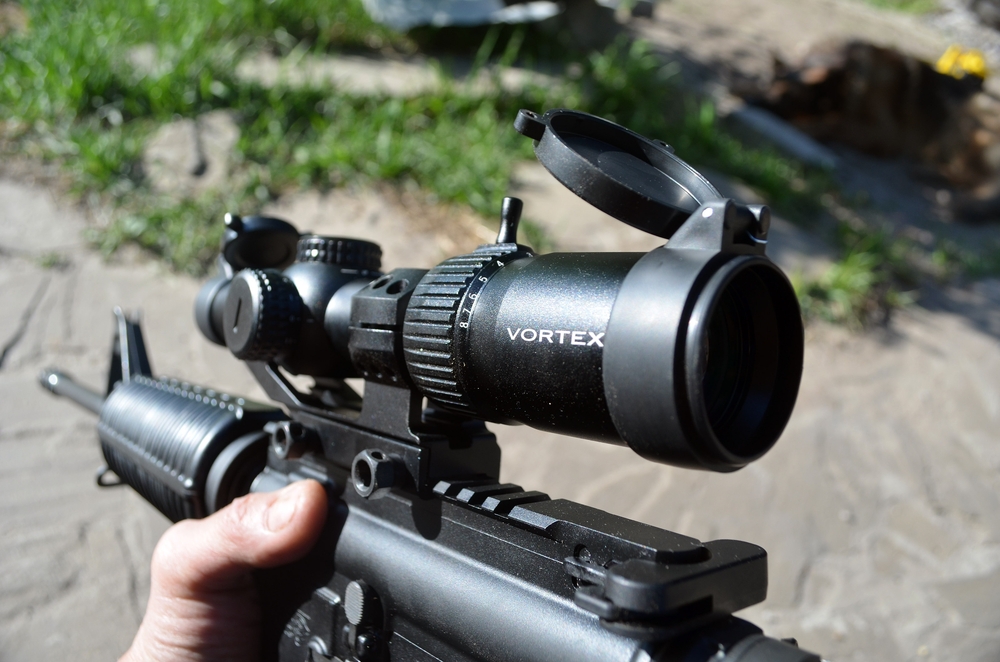
Pick your range first
Start by honestly assessing your typical shooting distances. For most AR-15 or similar carbine uses within 300 yards, a 1-6x provides plenty of magnification. If you regularly shoot beyond that or need better target identification at distance, consider 1-8x. Only move to 1-10x if you have a specific need for that extra reach and are willing to accept the trade-offs in weight, cost, and eyebox forgiveness.
FFP vs SFP (practical rule)
First Focal Plane (FFP) reticles change size as you zoom, and so it keeps holdovers accurate at any magnification. This becomes more valuable as magnification increases. Second Focal Plane (SFP) reticles stay the same size regardless of zoom, which can create a cleaner sight picture at 1x but means holdovers are only accurate at one magnification (usually maximum).
Reticle and units
Choose between MOA and MRAD based on what you're familiar with and what matches your other equipment. Simple center-dot reticles work well for close, fast shooting but offer limited reference points at distance. Tree-style or BDC reticles provide more hold points for wind and elevation but can look busier at 1x.
Illumination and "true 1x"
A daylight-bright center illumination point makes all the difference for fast shooting at 1x. Test for distortion at the edges and eyebox forgiveness - how much your head position can move before you lose sight picture. True 1x should feel natural with both eyes open, similar to a red dot.
Weight, mount, and total cost
Remember that most LPVOs require separate mounts. It adds $50-300 to your total investment. Factor in things like throw levers for fast magnification changes. A scope that weighs 21 oz plus a 6-7 oz mount creates meaningful weight on your rifle. It affects handling and fatigue during extended use.
How we evaluated these picks
Our selections draw on extensive research from trusted sources in the firearms community. We prioritized scopes that demonstrate clear glass, practical reticles, and good handling characteristics. Speed at 1x, usable holds at distance, and overall value for price were key considerations.
We also looked at adoption by military and law enforcement as an indicator of durability and performance. The U.S. military's shift toward LPVOs, with specific models chosen by different service branches, provides valuable insight into which optics can withstand harsh conditions.
Final Thoughts
LPVOs continue to grow in popularity because they solve a real problem - the need for both close-range speed and mid-range precision from a single optic. Start your selection process by determining your magnification needs, then balance features against your budget.
Low-magnification options (1-6x) offer speed and simplicity for most practical shooting. Mid-range models (1-8x) provide more reach without extreme bulk or cost. High-magnification scopes (1-10x) push the boundaries of LPVO capabilities but demand more from your wallet and add weight to your rifle.
Remember that the best scope is one that matches your specific needs and shooting style. An expensive 1-10x isn't necessarily better than a quality 1-6x if most of your shooting happens inside 300 yards.
Check current pricing and availability for the LPVOs in this list.
Choosing the right LPVO magnification starts with understanding the realistic performance envelope of the AR-15 platform. Before deciding between a 1-4x, 1-6x, or 1-8x optic, it helps to know how far the rifle is truly capable of reaching. Our guide What Is the Effective Range of an AR-15? breaks down practical distance expectations for different setups.

PMC X-Tac 5.56x45mm 55 Grain FMJ
$12.00
at Pro Armory
Prices accurate at time of writing
Frequently Asked Questions (FAQs)
What magnification is best for an LPVO: 1-6x, 1-8x, or 1-10x?
For most AR-15/carbine uses inside 300 yards, 1-6x offers plenty of magnification with better eyebox and lower weight. Choose 1-8x for a balance of reach and usability. Only go to 1-10x if you regularly shoot beyond 400 yards and need the extra identification capability.
Is FFP better than SFP for an LPVO?
Not necessarily. FFP keeps holdovers accurate at any magnification, which is valuable for precision shooting at varied ranges. SFP often provides a cleaner sight picture at 1x and can be less expensive. Your shooting style and typical distances should guide this choice.
Are 1-10x LPVOs worth it over 1-8x?
Only if you regularly need that extra magnification for target identification or precision at distance. The jump from 8x to 10x comes with significant price increases and often requires premium glass to maintain image quality.
What reticle style works best for close range and longer shots?
Reticles with a bright, simple center and subtler holdover marks tend to work best. Systems like ACSS offer speed at 1x but include holdovers for distance. Christmas tree or BDC reticles help with wind and elevation holds but can look busy at 1x.
Does daylight-bright illumination matter if I shoot outdoors?
Yes, especially on bright days. Without sufficient illumination, your reticle can disappear against bright backgrounds. True daylight-bright illumination helps maintain fast target acquisition in varied lighting conditions.
What should I budget for an LPVO mount?
Plan on $50-100 for a basic quality mount, $100-200 for a good mid-range option with features like QD levers, and $200+ for premium mounts. The mount is critical for maintaining zero and shouldn't be an afterthought.
About the Author
This article was written by the Pro Armory writing team based on current research, including studies from reputable sources like the Journal of Military Science, Firearms News, and the National Shooting Sports Foundation. We also referenced trusted information from official defense publications and respected firearm authorities such as the ATF, NRA, and manufacturer manuals.
Disclaimer: This review is for education only. Laws vary by state and city and can change. Follow safe handling at all times. Read your owner's manual. Verify local rules before you buy or train.

Best Ammo Deals, Training, & Accessories
Subscribe to ProArmory sales and deals email.