 Pro Armory Editorial Team
Quick Answer
The Beretta 1301 Tactical remains one of the strongest semi auto 12 gauge options for defense, training, and fast handling. It stands out for its soft recoil, strong consistency with a wide range of loads, smart controls, and a modern upgrade path. The higher price takes some shine off the value, but for serious shotgun use, it still sits near the top of the category.
Key Takeaways
- The 1301 is fast, light, and easy to run.
- Its gas system handles many loads well.
- Newer versions fix early design issues.
- It offers strong optics and upgrade support.
- Price is higher, but performance backs it up.
The tactical shotgun market is packed. Brands keep dropping new models and buyers keep comparing specs. But ask anyone who spends serious time on the shotgun range, and the same name keeps coming up: the Beretta 1301 Tactical. That says something about a gun that has been on the market for over a decade. New competition has arrived. Prices have climbed. And yet the 1301 Tactical keeps showing up in training classes, home defense setups, and competition builds.
This is not a spec-sheet review. It is a full look at what the 1301 Tactical actually delivers, from the gas system and recoil feel to the loading quirks, upgrade options, and how it stacks up against strong competition. After all these years and a price jump that has raised some eyebrows, does the Beretta 1301 Tactical still deserve top billing? Let us find out.
What Is the Beretta 1301 Tactical and Who Is It Built For?
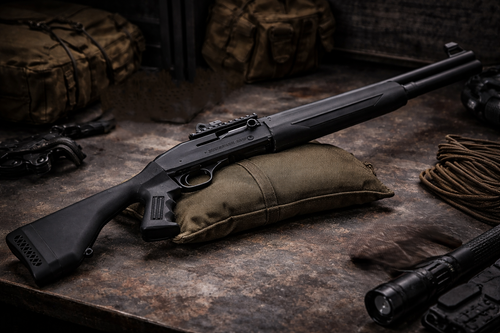
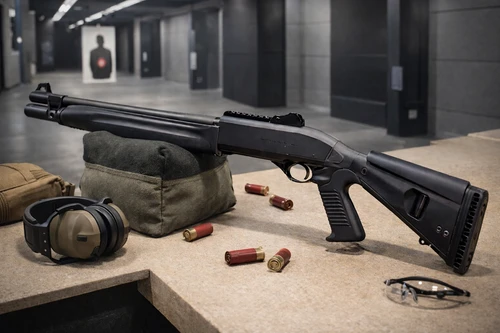
The Beretta 1301 Tactical is a semi auto 12 gauge shotgun built around defensive and training use. It is not a hunting gun. It is not an entry-level buy. It is built for people who want a fast, forgiving, and easy-to-run platform that holds up over long-term use. It has grown from a niche semi auto option into one of the most recognized names in serious shotgun circles, and that growth came from real-world performance, not marketing.
It fits several types of buyers well. Home defense buyers who want a semi auto with less room for operator error will find it a strong choice. Training-focused buyers who put high round counts through their guns will appreciate the gas system and the oversized controls. People moving up from pump actions often find the 1301 Tactical a natural and rewarding step forward. Competition-minded buyers also use it as a strong foundation for a purpose-built competition setup.
Beretta 1301 Tactical Specs at a Glance
| Feature | Detail |
|---|---|
| Gauge | 12 |
| Barrel Length | 18.7 in |
| Chamber | 3 in |
| Overall Length | 37.8 in |
| Weight | 6.7 lb |
| Capacity | 7+1 (2.75 in shells) / 6+1 (3 in shells) |
| Sights | Ghost ring rear and bladed front |
| Optics Mounting | Picatinny rail |
| Gas System | Blink gas operated |
| Receiver Material | Aluminum |
At 6.7 pounds, the 1301 Tactical is lighter than most of its direct competitors. That low weight helps during fast movement and extended training sessions. The 7+1 capacity gives a solid shell count for defensive scenarios. Ghost ring sights offer fast target pickup at practical distances, and the Picatinny rail means a red dot goes on without any adapter plate. These are not just numbers on a box. They translate directly into how the gun handles under speed and real pressure.
From TX4 to 1301 Tactical
The 1301 Tactical evolved from Beretta’s earlier semi-auto shotgun platforms, including models like the TX4 Storm, but it was not simply a rebranded version of those guns. When the 1301 Tactical launched in 2014, it introduced a redesigned gas system, lighter weight, and improved ergonomics that set it apart from earlier offerings.
Early pricing for the 1301 Tactical typically landed closer to the $900 to $1,100 range depending on configuration. As the platform gained traction and Beretta introduced upgraded variants, pricing steadily increased alongside the added features and improvements.
As demand grew, Beretta kept improving the platform. Newer versions introduced better bolt release function, an improved shell lifter, choke threading, factory 7-round magazine tubes, and M-Lok-ready forends. The current model, the 1301 Tactical C, sits at around $1,700. That is a significant jump from the early days and has generated some debate about value. But the improvements over the original are real, and the platform today is meaningfully better than what shipped in 2014.
Gen 1 vs Gen 2 Differences Buyers Should Know
Knowing the generation matters when shopping used or in mixed-inventory markets. Key differences between early and later versions include:
- Gen 1 barrels are not threaded for chokes. Gen 2 barrels are.
- Gen 1 guns have no shroud around the bolt release. Gen 2 guns have one.
- Gen 1 guns have a plastic top rail. Gen 2 guns use aluminum.
Buyers of used Gen 1 guns should also know about the double-feed issue found in early versions. A $10 bolt shroud kit from Beretta addressed that problem, but it is worth knowing before any purchase.
Beretta 1301 Tactical vs Other Semi Auto Shotguns
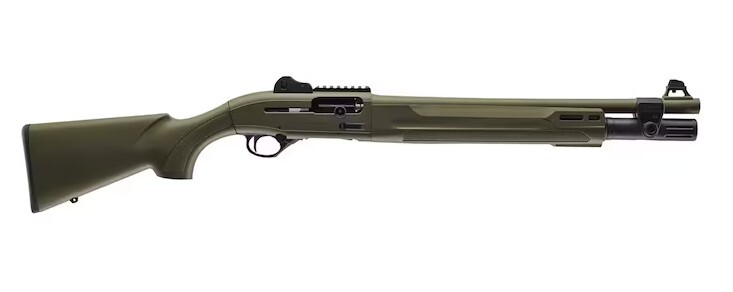
This is where the 1301 Tactical earns its price. Most semi auto shotguns are picky about ammo. They struggle with cheap birdshot and light loads. They need high-pressure shells to cycle properly. That limits their usefulness for regular training, since cheap birdshot is how most people build reps without burning through their budget. Beretta set out to solve that problem when developing the 1301 Tactical, and the Blink gas system is the answer.
The Blink Gas System
The Blink gas system uses gas ports between the barrel and the gas cylinder to drive a piston that cycles the action. The system is designed to cycle quickly and reliably across a wide range of loads. Excess gas is vented through ports in the system, helping regulate pressure and maintain consistent operation with both lighter and heavier shells. High-pressure loads produce more gas and vent more out. Low-pressure loads use what they need. The result is consistent cycling across a very wide range of loads, from cheap birdshot to full-power buckshot and slugs, with no adjustments required.
Better Ammo Flexibility Than Many Semi Auto Shotguns
The 1301 Tactical's reputation for cycling light loads cleanly is one of its biggest practical advantages. Reduced-recoil buckshot, low-velocity birdshot, and inexpensive range loads all feed and cycle well. For anyone who trains regularly, that kind of ammo flexibility saves money and removes a major source of frustration that other semi auto platforms bring to the range.
Soft Recoil in a Fast, Light Platform
Gas operation absorbs a good portion of felt recoil. At 6.7 pounds, the gun does move more between shots than heavier options like the Benelli M4. But it does not punish the person behind it. Fast strings of fire stay comfortable and follow-up shots come quickly. The tradeoff between light weight and a livelier feel under recoil is real, but most experienced users describe the sensation as natural rather than harsh.
Barrel Quality and Patterning Advantages
The 1301 Tactical uses a chrome-lined, back-bored barrel. Back-boring slightly increases the internal diameter of the barrel to help reduce pressure and improve shot consistency. The forcing cone, which is the tapered transition from chamber to bore, also plays a role in smoothing the shot column. Together, these features help support more consistent patterns and improved performance with both shot and slugs. Slug accuracy benefits from this design as well. Reported groups at 50 yards from well-configured setups are consistently tight, and that kind of slug performance adds real confidence for training and defensive use at longer distances.
Fit, Feel, and Controls
The 1301 Tactical was built with fast handling in mind, and every part of the ergonomic package supports that goal. The controls are the first thing most people notice. The charging handle is enormous by shotgun standards. It looks closer to a cabinet knob than a typical firearm part, and that size is entirely intentional. Under stress, fine motor control fades. Big controls are easier to grab and manipulate when hands are moving fast or fatigue has set in. The bolt release sits just below the ejection port, in a position that puts it right where the support hand lands naturally during a tactical reload.
The handguard runs nearly the full length of the barrel with aggressive texture for solid grip under recoil. Grooves built into the handguard allow a spare shell to seat neatly while gripping the gun, which gives quick access for on-the-gun storage during tactical reloads.
Stock Fit and Trigger Feel
The factory stock comes in at around 13 inches of length of pull. That is shorter than most standard shotgun stocks and works well for defensive use, tight environments, and body-armor setups. Spacers are available for those who need more length. Buyers wanting an even shorter pull can look at a setup using the Magpul SGA stock with an Aridus Industries adapter, which can bring the length of pull down to around 12.25 inches. The trigger is crisp and breaks cleanly at about 4 pounds. The cross-bolt safety sits in an easy-to-reach position just behind the breech. Both support confident and controlled shooting.
Sights and Optics
The factory iron sight setup works well on the 1301 Tactical. The bladed front sight and ghost ring rear offer fast target pickup at typical defensive distances. Many gun owners run the 1301 Tactical with no optic and find it fully capable. For those who want a red dot, the Picatinny rail on top accepts a wide range of options. The Holosun 507C is a popular choice on this platform.
One consistent note from experienced buyers is that the factory rail mounts optics higher than ideal for most shooting positions. Lower-profile mounting solutions, such as the Aridus CROM mount, bring the optic closer to the bore for a better cheek weld, improved co-witness with the iron sights, and a cleaner overall setup. If you plan to run an optic seriously, a lower mount solution is worth the extra investment.
Loading and Reloading
The 1301 Tactical has a loading system that can surprise first-time users. The shell carrier and lifter design require the user to press the shell release button to allow a round to move from the magazine onto the lifter for chambering. This setup also allows the user to manually cycle the bolt to eject a chambered round without automatically feeding the next shell from the magazine, which is useful for select-loading a specific round like a slug. This system also lets you manually cycle the bolt to eject a chambered round without loading the next shell from the tube, which is useful for swapping in a specific load like a slug without unloading the entire magazine.
It is a smart system once you understand it, but it requires real practice time. Any new 1301 Tactical owner should spend dedicated time with this loading behavior before depending on the gun in a critical situation.
How Consistent Is the Beretta 1301 Tactical Really?

The 1301 Tactical has built its reputation through sustained use in serious training environments, not just one-off range days. Reports from dedicated shotgun training programs describe the platform cycling well with a broad range of loads over thousands of rounds. Reports from high-round-count training environments consistently show the platform running reliably over extended use, with most stoppages tied to maintenance issues or ammunition rather than core design problems. That kind of track record is hard to dismiss.
Early Gen 1 guns had a known double-feed issue. Later models corrected it. Buyers of current-production guns do not carry that problem forward. The most common failure points reported across the platform trace back to fouling in the firing pin channel, carbon buildup in the gas system from skipped cleanings, and early-generation hardware quirks that have since been updated.
Maintenance
The 1301 Tactical performs best with regular maintenance. A cleaning schedule of roughly every 500 rounds is a reasonable target for regular users of the platform. The gas cylinder vent holes are the key area to watch. Carbon buildup there can eventually plug the holes and disrupt cycling. The firing pin channel is the other critical area, as fouling there can lead to failures to fire. Both are straightforward to clean with routine attention.
The good news is that even when maintenance slips further than it should, the platform has shown strong tolerance and kept running. But that track record should not be an invitation to skip cleaning. Staying ahead of carbon buildup is far easier than removing it after it has hardened over thousands of rounds.
Range Performance
Feedback from experienced shotgun owners consistently describes the 1301 Tactical as a fast and natural-pointing gun. The Blink gas system cycles quickly between shots. The lightweight aluminum receiver keeps the gun easy to swing and redirect during drills. Follow-up shots come fast and long strings of fire stay comfortable. Recoil is firm but not punishing, especially with buckshot or reduced-recoil loads.
For newer owners of the platform, the 1301 Tactical is described as approachable and confidence-building from the start. The pointing geometry works well straight from the factory. Large controls reduce fumbling during fast drills. And the broad ammo compatibility means cheap birdshot can carry most practice sessions without any cycling concerns. That combination makes it one of the more forgiving semi auto platforms for owners still building their shotgun skills.
Capacity, Configuration, and Common Upgrades
Factory capacity on current 1301 Tactical models is 7+1 with standard 2.75-inch shells. Older versions shipped with 5-round tubes and needed an aftermarket extension to reach 7+1. The GG&G and Nordic Components extensions are proven options for earlier guns. The factory M-Lok forend on newer versions opens up solid attachment points for weapon lights and accessories without any modification needed.
For buyers who want to build the gun out further, a few upgrades stand out above the rest:
- A lower optic mount for better cheek weld and iron sight co-witness
- A stock adapter for adjustable length of pull
- A rugged shell carrier for faster reloads on the gun
- A weapon-mounted light on the M-Lok forend
- A mag tube extension on older versions to bring capacity up to 7+1
The gun runs well from the factory. Upgrades improve specific fit and function areas. None of them are required before the gun performs at a high level.
Pros and Cons
Pros
- Cycles a wide range of loads consistently, including light birdshot
- Soft recoil for a lightweight 12 gauge platform
- Oversized controls built for fast, stress-tested manipulation
- Picatinny rail ready for optic additions without extra hardware
- Strong aftermarket support from Aridus, Nordic Components, GG&G, and Mesa Tactical
- Light and fast-handling for its class
- Factory 7-round magazine tube on current models
Cons
- Price typically falls in the $1,500 to $1,800 range depending on configuration and availability
- Early Gen 1 versions had a known double-feed issue
- Loading and chambering system takes real time to learn
- Needs regular maintenance to keep performing well over time
Final Verdict: Is This Still the Top Tactical Semi Auto 12 Gauge?
The Beretta 1301 Tactical has earned its reputation through real use. It is not the cheapest option on the market, and the price increase over the years has been significant. But the performance level, the ammo flexibility, the control package, and the long-term track record in serious training environments all back up the price tag for the right buyer. Few semi auto 12 gauge platforms can match its combination of speed, feel, and proven durability under sustained use.
For serious shotgun training and home defense, the 1301 Tactical still belongs near the top of the category. Train with it, maintain it properly, and put real reps into the loading system. Do those things and this gun will deliver. Consistently.
The Beretta 1301 Tactical is one of the most capable semi-auto shotguns available today, but maximizing its performance comes down to pairing it with the right ammunition. Before your next range session or defensive setup, read Best 12 Gauge Shotgun Shells for Hunting and Home Defense to choose the right load.

Federal 12 Gauge Ultra Clay & Field 2-3/4" 1 Oz. #8
$10.75
at Pro Armory
Prices accurate at time of writing
Frequently Asked Questions (FAQ)
Is the Beretta 1301 Tactical consistent with cheap birdshot?
Yes. The Blink gas system, with its oversized ports and venting design, cycles a wide range of loads including cheap birdshot and reduced-recoil shells that many other semi auto shotguns struggle with. This is one of the 1301 Tactical's most practical selling points for regular training use.
What is the difference between the Beretta 1301 Tactical Gen 1 and Gen 2?
Gen 2 guns have threaded barrels for choke use, a shroud around the bolt release, and an aluminum top rail instead of plastic. Gen 1 guns also had a known double-feed issue that was later addressed with a $10 bolt shroud kit from Beretta. Buying a later generation is the safer and smarter choice for most buyers.
Is the Beretta 1301 Tactical better than the Benelli M4?
It depends on priorities. The 1301 Tactical is lighter, faster-feeling, and often more forgiving for newer gun owners. The Benelli M4 is heavier and built around a different operating system with a long military track record. Both platforms are known for durability, but they prioritize different strengths in handling and operation. The 1301 suits speed and training-focused use. The M4 suits buyers who put maximum durability above everything else.
Can you mount a red dot on the Beretta 1301 Tactical?
Yes. The factory Picatinny rail accepts most standard red dot optics. Many experienced buyers add a lower-profile optic mount to improve cheek weld and co-witness with the iron sights. The Holosun 507C is a popular and well-matched choice on this platform.
Is the Beretta 1301 Tactical good for home defense?
Yes. The broad ammo compatibility, fast controls, soft recoil, and semi auto operation make it a strong home defense shotgun. It is particularly well-suited for buyers who want a platform they can train with regularly and depend on under pressure.
Does the Beretta 1301 Tactical need upgrades right away?
No. The gun runs well from the factory, especially on current models with the 7-round tube, M-Lok forend, and threaded barrel. Upgrades like a lower optic mount, stock adapter, and shell carrier add useful improvements, but none of them are required before the gun performs at a high level.
How often should you clean a Beretta 1301 Tactical?
Every 500 rounds is a reasonable target for regular gun owners. The gas cylinder vent holes and the firing pin channel are the two areas most prone to carbon buildup. Regular lubrication between full cleanings also extends the intervals between deep maintenance sessions.
About the Author
This article was written by the Pro Armory writing team based on current product research, manufacturer specifications, and industry knowledge surrounding semi-auto tactical shotguns and defensive use platforms.
Disclaimer: This article is for educational and informational purposes only. Firearm laws vary by state, county, and city and are subject to change. Always follow safe handling practices and read your owner's manual before use. Verify all applicable local, state, and federal laws before buying, owning, or operating any firearm.

Best Ammo Deals, Training, & Accessories
Subscribe to ProArmory sales and deals email.