 Pro Armory Editorial Team
Quick Answer
For the best ammo brands, go with Hornady, Federal, CCI, Winchester, Speer, Nosler, PMC, Fiocchi, Sellier & Bellot, Prvi Partizan, Remington, Wolf, TulAmmo, and AAC. For plinking, grab PMC or Wolf. For tight groups, try Hornady or Federal. For self-defense, Speer Gold Dot or Hornady Critical Defense shine. And always run a test in your own gun before you trust it for carry.
Key Takeaways
- These 14 brands cover plinking, tight groups, hunting, and carry needs.
- Hornady, Federal, Speer, and Winchester stand out for defense and duty loads.
- CCI, Fiocchi, Sellier & Bellot, PMC, and AAC are great for range days.
- Wolf, TulAmmo, Prvi Partizan, and Remington keep bulk costs low.
- Always test new ammo in your firearm before you rely on it.
You've been there before. Standing in front of half-empty store shelves during an ammo shortage, trying to decide if that brand you've never heard of is worth buying.
Or maybe you're at the range with five different boxes of ammo because that's all you could piece together. Some rounds fly true, others keyhole or barely hit paper. The difference is just the headstamp on the case.
Good ammo does more than just go bang. It feeds smoothly, groups tight, and gives you the confidence to focus on your shooting skills rather than wondering if your next round will even fire.
That's why we've put together this guide to the 14 best ammunition brands for every purpose - from casual plinking to competition shooting, hunting, and even self-defense.
How We Chose the 14 Best Ammo Brands
Our selection process draws on decades of range data, class feedback, hunting performance, and defensive drills. We wanted to create a list that serves everyone from casual plinkers to competitive shooters and hunters.
We focused on five core criteria:
- Ignition and feeding consistency across different firearms
- Accuracy and lot-to-lot performance stability
- Availability in common calibers when you need to stock up
- Role-specific performance in plinking, match shooting, hunting, and self-defense
- Value for money and bulk pricing options
One last thing - no brand paid to be on this list. These selections come from actual usage data and performance metrics, not sponsorship deals or advertising relationships.
Quick Comparison
| Brand | Best For | Typical Use Cases | Notable Product Lines |
|---|---|---|---|
| Hornady | Precision, hunting, defense | Long-range shooting, big game hunting, carry guns | ELD-M, Match, Critical Defense |
| Federal | All-rounder | Target practice, match shooting, defense | Gold Medal Match, HST, American Eagle |
| CCI | Rimfire, budget pistol | .22 plinking, handgun training | Mini-Mag, Stinger, Blazer Brass |
| Winchester | General purpose, shotgun | Clay sports, hunting, range time | White Box, AA shotshells, Silvertip |
| Speer | Duty and defensive | Concealed carry, home defense | Gold Dot, Lawman |
| Nosler | Match and premium hunting | Long-range hunting, precision shooting | Ballistic Tip, AccuBond, Match Grade |
| PMC | Bulk range use | AR-15 training, pistol practice | Bronze line, X-TAC |
| Fiocchi | Training, shotgun | Handgun drills, clay shooting | Range Dynamics, shotgun loads |
| Sellier & Bellot | Budget range, euro calibers | Practice ammo, surplus guns | 9mm, .223, European cartridges |
| Prvi Partizan | Surplus calibers, bulk | Milsurp rifles, basic practice | Military cartridges, budget FMJ |
| Remington | General purpose | Range days, hunting | UMC, Core-Lokt |
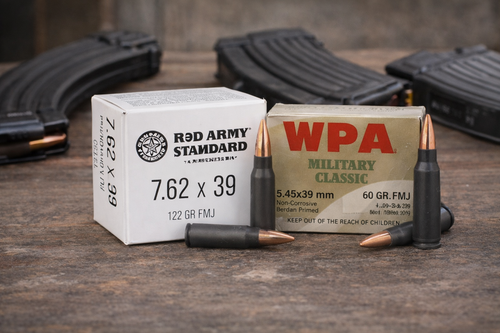
| Wolf | Steel-case bulk | High-volume AR practice | Steel FMJ – 5.56, 7.62×39, 9mm |
| TulAmmo | Steel-case plinking | AK platforms, budget AR use | Steel-case military calibers |
| AAC | Budget brass | Common caliber training | 9mm, 5.56, .300 BLK loads |
14 Best Ammo Brands (Brand-by-Brand Profiles)
1. Hornady: Consistency for Accuracy, Hunting, and Defense
Hornady sits at the top tier for premium ammo. The brand built a name on tight groups and strong on-target results. Hornady started in 1949 in Grand Island, Nebraska, and grew from bullet production into full ammunition lines.
Their ELD-M means Extremely Low Drag-Match. The Heat Shield tip keeps its shape at high speed. So the bullet keeps its ballistic coefficient in flight. You get tighter groups at long range. Many match competitors see sub-MOA from factory loads. That used to be handload territory.
For hunters, Hornady makes lines like Precision Hunter and Custom Lite. Each line fits a job—big game, lighter recoil, or tough terrain. The 6.5 Creedmoor shows how Hornady pushes ideas forward. It flies flat. It kicks less. And it helps new and seasoned shooters place shots with confidence.
Self-defense buyers look at Critical Defense and Critical Duty. Critical Defense uses the FTX Flex Tip. It opens up even through heavy clothes. Critical Duty targets law-enforcement needs and meets FBI barrier tests like auto glass and wallboard. Hornady is widely regarded as a top-tier premium manufacturer thanks to consistent QC and broad product lines.
The downside is price. You pay more than range-grade plinking rounds. But when accuracy and on-target effect matter, Hornady earns the cost.
2. Federal: Versatile Workhorse from Plinking to Duty
Federal has been a major U.S. ammunition producer since the 1920s, with product lines spanning practice, match, hunting, and defense. . This Minnesota-based manufacturer produces one of the broadest catalogs in the ammunition industry.
American Eagle is the range workhorse. Brass cases. Steady primers. Even powder charges. Guns cycle smoothly. Groups stay decent for drills and skill work. Many people find American Eagle 9mm and .45 ACP run close to pricier practice ammo.
Federal Gold Medal Match commonly uses Sierra MatchKing bullets (caliber-dependent) and is known for consistent lot performance. The result is sub-MOA groups that serious competitors demand. Federal even added newer options like .224 Valkyrie for long-range AR setups.
HST is one of the most widely adopted duty JHP designs in the U.S., used by many agencies and vetted in FBI-style testing. We noted that Federal is so prolific that you’re almost guaranteed to find [it] on the shelf just about anywhere, which helps a lot when supply runs tight.
Federal also shines in rimfire and shotgun shells. You even get neat picks like .327 Federal Magnum for small-frame revolvers with a strong punch.
3. CCI: Rimfire King and Blazer Brass Champion

CCI (Cascade Cartridge Inc.) was founded in 1951 by Richard Speer in Idaho.. The Idaho maker mastered rimfire—no easy task with tricky rim priming. The result is steady bang and clean feeding.
CCI Mini-Mag and Stinger set the .22 LR bar. Mini-Mag balances speed, accuracy, and smooth cycling. The copper-plated round nose runs well in semi-autos. Steady velocity helps groups shrink compared to bargain rimfire.
CCI also builds special rimfire loads. Quiet-22 tames noise for backyard practice where allowed. Velocitor adds punch for small games. Their .17 HMR lines push rimfire to longer ranges with flat paths and quick hits on varmints.
CCI's expertise extends beyond rimfire with their popular Blazer Brass line of centerfire handgun ammunition. These loads use fresh brass cases rather than the aluminum cases found in standard Blazer ammo. For this reason it makes them reloader-friendly and more accepted at indoor ranges. Blazer Brass is some of the best budget-friendly centerfire ammo on the market that many shooters have fired "thousands of rounds of" with great results.
One of CCI's most unique contributions is their line of shotshell loads for handguns. Available in calibers from .22 LR to .45 Colt, these specialty rounds turn handguns into effective short-range pest control tools. The #12 shot in these loads patterns effectively at very close range for dealing with snakes or other small nuisance animals.
4. Winchester: Classic Brand for Shotguns, Rifles, and Pistols
Winchester has been making ammo since 1873. Old name. Big reach. You see the “white box” everywhere. It’s simple range ammo that runs in many guns and keeps costs down.
The AA shotshell line is a staple for clay days. You get steady patterns, sure fire, and soft push on the shoulder. The hinged wad compresses at the shot—then opens to keep patterns even. And many clay target competitors buy the same AA load each season to keep their feel the same.
For Turkey hunters the Long Beard XR changed the game for long shots. Shot-Lok surrounds the shot so it doesn’t mash flat when fired. You get tight patterns and more hits far out.
For defense, you’ll see Silvertip, PDX1 Defender, and the Active Duty line. These loads use controlled-expansion bullets made for strong hits and steady depth, even through tough barriers. Active Duty helps with the hard stuff cops face, like glass and wood.
You can find Winchester almost anywhere guns are sold. Big stores. Small counters. Prices sit in the middle for many lines. And that steady supply keeps the brand on top for a lot of buyers.
5. Speer: Gold Dot Standard for Duty and Carry
Speer has built its reputation on producing some of the most trusted defensive handgun ammunition in the world. Speer was founded by Vernon Speer; CCI was later founded by his brother Richard Speer. The company has become synonymous with law enforcement duty ammunition through its Gold Dot line.
Gold Dot brought a big step in terminal ballistics. The secret is the bonding. The jacket bonds to the lead core at the molecular level. Traditional jacketed hollow points can split on impact. Gold Dot stays together through auto glass and heavy clothes. You get steady expansion and deep reach across real defensive scenes.
Law enforcement agencies across the country have adopted Gold Dot as their duty ammunition based on extensive testing and field performance. Gold Dot is widely issued by U.S. law-enforcement agencies after extensive barrier and expansion testing. It validates the company's approach to defensive ammunition design. Speer is one of the premier manufacturers of defensive ammo in general, with many major police departments and government agencies trusting their hollowpoints above all else.
For training, Speer’s Lawman line matches Gold Dot’s feel and point of impact. You practice with lower cost rounds that shoot like your carry load. Skills carry over. Your sight picture and recoil rhythm stay the same.
Speer also makes TMJ training ammo. The lead base is fully enclosed. That cuts lead exposure in indoor ranges. Range owners and regular visitors care about that more each year.
6. Nosler: Premium Bullets and Match-Grade Ammo

Nosler began in 1948 as a bullet shop. John Nosler wanted better performance after a moose hunt. So he built his own. The company now loads full ammo lines built around its famous bullets.
The Nosler Partition changed hunting ammo. It uses two cores with a solid wall between. The front opens fast for shock. The rear stays intact for deep reach. You get damage up front and drive at depth. That balance helps hunters take big game cleanly. Many families have used Partition for deer and dangerous game for decades.
Then came Ballistic Tip, AccuBond, and E-Tip for different jobs. Ballistic Tip opens fast on thin-skinned game. AccuBond uses bonding for controlled growth and steady paths. E-Tip is lead-free for places that require it. Same idea—match the bullet to the hunt.
Nosler’s Trophy Grade pairs these bullets with tight loading standards. Parts are matched and measured. Round to round feels the same. Experts note Nosler ammo is very accurate and consistent for hunts and matches alike. They also add that when other brands brag about using Nosler bullets, it says a lot about the parts inside.
Match Grade targets precision work. Custom Competition and RDF bullets aim at tiny groups. Sub-MOA is the goal out of the box. The tradeoff is price. But when every hit matters more than cost, Nosler stays on the short list.
7. PMC: Affordable Brass for Everyday Shooting
PMC (Poongsan) began in the late 1960s and produces military and commercial ammo for South Korea and export partners.”. It also supplies military ammo to South Korea and NATO allies.
The PMC Bronze line is the standard range choice. You get brass cases, solid primers, and consistent powder charges. Common calibers include 9mm, .45 ACP, .223 Remington, and .308 Winchester. Accuracy is good for the money. Many AR-15 owners use PMC Bronze .223 as their regular training load because it runs well and keeps costs down.
For higher performance, the PMC X-TAC line follows military spec. You get sealed primers and crimped primer pockets. These details support use in harsh conditions. The 5.56mm X-TAC loads are popular with tactical users who want duty-grade ammo without a high price.
PMC brass is a big plus for reloading. The cases size well and hold up for many cycles. That adds value for reloaders and helps balance the small price jump over steel-cased rounds.
Experts often call PMC a dependable, hard-working choice for the range. That simple, no-frills approach has built a loyal base of buyers who want function and fair cost.
8. Fiocchi: Range Dynamics and Shotgun Innovation

Fiocchi is one of the oldest family-run ammo brands. It began in Italy in eighteen seventy six under Giulio Fiocchi. The name blends old-world craft with steady updates. The catalog is broad, with strong options for shotgun and training use.
Their shotgun loads earn praise for even patterns, sure ignition, and fair pricing. From basic target loads to high-end competition shells, Fiocchi covers many clay needs. They even make tracer shotshells that help coaches see flight paths during training.
Fiocchi Range Dynamics handgun ammo brings strong value for high-volume range days. You get fresh brass and clean-burning powder. Guns stay cleaner across long sessions. Experts report great feeding in common 9mm and .45 ACP pistols and say they buy it often.
A key part of the brand is local production. A large share of Fiocchi ammo for the U.S. market is produced at Fiocchi of America in Missouri, which helps steady supply.
Fiocchi also supports classic European calibers. Rounds like .455 Webley and .303 British stay in production. Collectors and owners of vintage rifles can keep shooting without handloading. This niche care has earned real loyalty among military collectors and history fans.
9. Sellier & Bellot: Budget-Friendly, Especially for Euro Calibers

Sellier & Bellot is among the oldest ammo makers still operating. The company started in eighteen twenty five in what is now the Czech Republic. Early work included percussion caps for the French infantry after the Napoleonic era.
Today, S&B has established itself in the American market as a source of quality ammunition at competitive prices. Their standard brass-cased FMJ loads in calibers like 9mm and .223 Remington offer good function and accuracy for range training. Many high-volume shooters appreciate the value proposition - brass-cased ammunition at prices that sometimes approach steel-cased competitors.
S&B shines with European and historic cartridges. Owners of 6.5×55 Swedish Mauser, 7x57R, or 8x57JS can count on steady supply. That ongoing support keeps older rifles active and on the line.
S&B hunting ammo brings strong field results at a fair cost. Soft point and hollow point loads open well on game. Consistent speed helps keep trajectories predictable. European hunters have trusted these rounds for generations, and more American hunters discover them each season.
Experts say S&B is a brand worth stocking for range use, and casual plinking. The value is hard to match when you shoot a lot or watch your budget.
10. Prvi Partizan (PPU): Old-School Calibers and Bulk Plinking

Prvi Partizan, often labeled as PPU, is Serbia’s main ammo maker. The company started in 1928 with military and police supply. It now ships a wide range of commercial ammo to the United States. Many loads match classic military surplus calibers.
PPU helps owners of rare old rifles keep them on the range. The brand still loads calibers that big companies dropped. Examples include 7.65×53mm Argentine and 8mm Lebel. Vintage fans value that steady support.
For common calibers, PPU sells brass-cased FMJ at low prices. Quality control is solid with even primer seating and steady powder charges. Most loads group to a basic “military grade” level. Good for practice. Not built for match wins.
PPU also offers hunting loads with soft point and hollow point bullets. These work on medium games at modest ranges. They do not match the newest premium bullets in terminal performance. But they serve hunters on a budget and owners of older rifles in hard-to-find calibers.
The primary drawback to PPU ammunition is occasional lot-to-lot variation that can affect point of impact. Some shooters report needing to re-zero their firearms when switching between production batches. For general range use and casual shooting, however, PPU delivers good value, especially for owners of firearms chambered in historical cartridges.
11. Remington: Legacy Brand Rebuilding Its Reputation
Remington ammunition has been owned by Vista Outdoor since the 2020 Remington breakup, with production centered at the Lonoke, Arkansas plant.
UMC remains the core range line. These loads use brass cases and consistent parts for smooth cycling. Price lands in the middle tier. Good value for day-to-day range time.
Hunters know Core-Lokt. The bullet locks the jacket to the core. It opens in a controlled way in the game. New premium tech may outpace it on paper. The long track record on deer keeps it in many camps.
Remington shotshell ammunition spans the range from budget field loads to premium offerings like the HyperSonic Steel for waterfowl and Premier STS for clay target shooting. Their shotshell lineup covers virtually every shotgun application from casual clay breaking to serious competition and hunting.
It cannot be denied that many users will have fond memories of Remington at the range and in the woods. That family history speaks to the brand’s place in American ammo.
12. Wolf: Steel-Cased Workhorse for Cheap Training
Wolf is best known for affordable steel-case ammo; availability and country of manufacture vary by line and import status.
The big trait is the steel case. It costs less than brass. Cases come with a polymer coat to help feeding and extraction. You may see gray or black coats. The case is still steel.
Performance-wise, Wolf prioritizes function over accuracy. Most loads will produce 3-4 MOA groups - adequate for general range training but not for precision work. The bi-metal jackets (steel with a thin copper wash) used on many Wolf bullets can increase barrel wear compared to pure copper jackets, though it would take thousands of rounds to notice significant effects.
Wolf’s main advantage is price; it’s often significantly cheaper than brass-case loads, especially in bulk.. This pricing allows for more trigger time with the same budget, which can accelerate skill development for shooters who need high-volume practice.
Know the limits. Some indoor ranges ban steel cases or bi-metal bullets. Fire systems and backstops can be a factor. Some guns also dislike steel cases. AK-pattern rifles usually run it well. Tight AR-15 chambers can show sticky extraction in some setups.
13. TulAmmo: Russian Steel Alternative for Plinking
TulAmmo is a steel-case brand historically tied to Russia’s Tula plant; U.S. availability has been constrained by sanctions/import permit limits on Russian ammo.This factory produced millions of rounds for the Russian military during World War II, playing a significant role in the Soviet Union's war effort against Nazi Germany.
Like Wolf, TulAmmo focuses on producing steel-cased ammunition as an economical alternative to brass-cased options. Their cartridges feature polymer-coated steel cases and bi-metal jacketed bullets in most loadings. The steel cases don't expand and contract like brass, which can occasionally lead to extraction issues in some firearms, but functions well in most AK-pattern rifles and many AR-15s.
TulAmmo's product line centers around military calibers including 7.62×39mm, 5.56 NATO, 7.62×54R, and common handgun calibers like 9mm and .45 ACP. The ammunition is loaded to meet Russian military specifications, which sometimes differ slightly from Western standards. This can result in different pressure curves and point of impact compared to American or European loads.
The main appeal is price. TulAmmo often ranks among the least expensive factory options. That helps with high-volume classes, casual paper work, and weekend fun. Many experts call it a solid budget pick for plinking rounds.
Keep the caveats in mind. Some ranges do not allow steel cases or bi-metal jackets. Sparks and backstop wear can be concerns. Older lacquer-coated cases can leave residue in hot chambers. Long strings of fire may need a quick clean to keep feeding smooth.
14. AAC: Modern Brass Ammo for Common Calibers
AAC ammunition represents a relatively new entry in the commercial ammunition market, focusing on brass-cased options for today's most popular calibers. Their straightforward approach emphasizes quality components at competitive prices for the training and recreational shooting markets.
The company's product line centers on high-demand calibers including 9mm, 5.56 NATO, and .300 Blackout - calibers that dominate modern shooting sports and tactical training. By focusing on these core offerings rather than maintaining an extensive catalog of specialty or legacy calibers, AAC can optimize production efficiency and pass savings to consumers.
AAC ammunition features fresh brass cases, good primers, and consistent powder charges that promote smooth function across various firearms. The accuracy typically exceeds budget steel-cased options but remains priced more competitively than premium match or defensive loads. This positioning makes AAC an attractive option for regular range sessions and skill development.
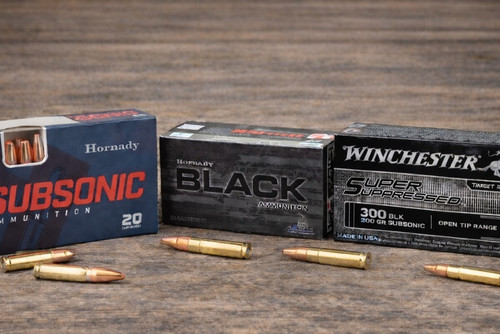
The .300 Blackout loads deserve special mention, as AAC offers both supersonic and subsonic options for this increasingly popular AR-15 caliber. AAC’s .300 BLK subsonic loads are intended for suppressed setups where legal, keeping velocity below the sound barrier.
Industry testers and range instructors report good performance and fair pricing. That blend of value and results has helped AAC grow fast in a crowded market.
How to Choose the Best Ammo Brand for Your Needs
Step 1: Define Your Primary Role
Start by identifying what you'll primarily use the ammunition for:
- Plinking and casual target practice
- Precision shooting and competition
- Hunting various game species
- Self-defense or duty use
Your intended purpose should guide your selection more than brand loyalty or what's currently on sale.
Step 2: Match Brands to Your Role
Different brands excel in specific areas:
For plinking and basic practice: PMC, Fiocchi, Sellier & Bellot, Wolf, TulAmmo, AAC, Prvi Partizan, and Remington offer good options that won't break the bank.
For accuracy and match shooting: Hornady, Federal, Nosler, and Winchester provide excellent match-grade offerings with the consistency needed for competitive performance.
For hunting applications: Nosler, Hornady, Federal, Winchester, and Remington offer game-specific loads designed for ethical harvesting.
For self-defense or duty: Speer, Hornady, Federal, and Winchester lead the field with proven defensive ammunition that passes stringent testing protocols.
Step 3: Confirm Function in Your Firearms
No matter what the reviews say, ammunition performance varies between individual firearms:
- Purchase small quantities first before committing to bulk buys
- Test for feeding, firing, ejection, and accuracy in YOUR specific guns
- Note point of impact shifts between brands – they can be significant
- Pay attention to felt recoil differences that might affect follow-up shots
Step 4: Build a Smart Stockpile
Once you've identified good performers, create a balanced inventory:
- Prioritize defensive or duty loads first – these are most critical
- Add training ammunition that mimics the point of impact of your defensive loads
- Include bulk practice ammunition for high-volume skill development
- Store in cool, dry conditions with proper labeling for caliber and purpose
Final Thoughts
The smartest approach to ammunition selection isn't pledging loyalty to a single brand. Instead, develop a mix based on roles and performance in your specific firearms.
Most experienced gun owners eventually settle on a three-tier system:
- A trusted defensive brand for carry and home protection
- A mid-tier training brand that mimics defensive load performance
- A budget brand for high-volume practice and basic skill development
This plan balances performance and cost. You get quality where it matters and volume where it helps most.
Skill still matters more than any box label. Train often with the loads you picked. Familiarity grows. Confidence grows. Accuracy follows.
Use this guide as your start. Then build your own plan around your guns. Log results. Note what stays consistent. Adjust as you learn. Your best setup will match your style and the gear you own.
The brands above are some of the best across plinking, hunting, accuracy, and self-defense — but your final pick should be guided by caliber and load type. If you want a deeper refresher on those fundamentals, check out our Popular Ammunition Basics Guide to Calibers, Sizes, and Types.
Frequently Asked Questions (FAQs)
Are cheap ammo brands like Wolf and TulAmmo safe to shoot?
Yes. Wolf and TulAmmo are generally safe when sourced from reputable dealers, but steel-case loads may run dirtier, vary more by lot, and sometimes show different pressures/POI than U.S. SAAMI-spec brass loads—so test before bulk buying.
Which ammo brands are best for concealed carry and home defense?
Speer Gold Dot, Hornady Critical Defense or Duty, Federal HST, and Winchester Defender or Silvertip lead this space. These loads pass FBI test protocols for expansion, penetration, and barrier work. Each uses controlled-expansion bullets built for solid terminal results.
Can I mix brands in the same training session?
Yes. Expect small point-of-impact shifts and changes in recoil feel. For simple plinking, mixing brands rarely matters. For skill growth or match prep, keep it consistent. If you mix, keep brands in clearly marked magazines.
How much ammo from my favorite brand should I keep on hand?
For defensive calibers, keep at least one hundred rounds of carry ammo and five hundred or more rounds of training ammo. For matches or regular fun days, one thousand or more rounds of your main training load helps you ride out shortages and price jumps. Rotate carry ammo each year to confirm function.
Do I need match-grade ammo from Hornady or Nosler to shoot accurately?
Not always. Match-grade shines past one hundred yards or in matches where sub-MOA matters. For normal practice at handgun ranges or rifle work under two hundred yards, quality training ammo from PMC or Fiocchi often gives all the accuracy you need at lower cost.
Are steel-cased rounds bad for my rifle over the long term?
Steel-cased ammo can wear extractors a bit faster, and bi-metal jackets can speed barrel wear. The savings often beat the cost of these parts. Many AR-15 owners use a buy-cheap, replace-parts plan and still save a lot over time.
Match-grade ammo is not always required
Match-grade shines past 100 yards or in events where tiny groups matter. For most handgun work or rifle practice inside 200 yards, good training ammo from brands like PMC or Fiocchi often shoots well at lower cost.
Steel-cased rounds and long-term wear
Steel cases can wear extractors a bit faster. Bi-metal jackets can add barrel wear. The money saved often covers parts over time. Many AR-15 owners run budget steel, replace small parts as needed, and still save a lot.
About the Author
This article was written by the Pro Armory writing team based on current research, including studies from reputable sources like the Journal of Military Science, Firearms News, and the National Shooting Sports Foundation. We also referenced trusted information from official defense publications and respected firearm authorities such as the ATF, NRA, and manufacturer manuals.
Disclaimer: This review is for education only. Laws vary by state and city and can change. Follow safe handling at all times. Read your owner's manual and also verify local rules before you buy or train.
Best Ammo Deals, Training, & Accessories
Subscribe to ProArmory sales and deals email.