 Pro Armory Editorial Team
Quick Answer
AK models began with the AK-47 and progressed into the AKM, AK-74, AK-100 series, and AK-12. The operating concept stayed largely the same across generations, but each model brought changes in receiver type, caliber, furniture, barrel length, and military role. For civilian buyers, the closest equivalents usually come from makers like Century/WASR, Palmetto State Armory, Arsenal, and other AK-pattern manufacturers depending on which variant you want to approximate
Key Takeaways
- The AK-47 and AKM are not the same rifle.
- The AKM became the most widely recognized AK pattern globally.
- The AK-74 introduced the smaller 5.45x39mm cartridge.
- The AK-100 series modernized older AK patterns for service and export.
- The AK-12 adds modern furniture and optics support.
- Civilian equivalents exist, but exact clones are limited.
Ask anyone to name a famous rifle and they'll probably say "AK-47." But most of the time, they aren't describing an actual AK-47. They're picturing an AKM, maybe an AK-103, or some variant they caught in a film. The name "AK-47" has become a catch-all label for an entire family of rifles that spans decades and several very different guns. This creates real confusion for anyone trying to buy, build, or simply learn about these rifles. Getting AK models right means looking at history, caliber shifts, military roles, and what's actually sitting on U.S. civilian shelves today.
Why So Many People Get AK Models Wrong
The AK-47 name got famous fast—and it stuck to everything. Most people, including some gun owners, use it as a blanket label for the whole Kalashnikov family. That's a bit like calling every pickup truck a "Ford F-150." It starts a conversation, but it's not precise.
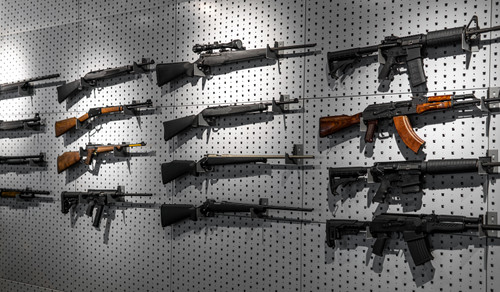
The AK platform actually spans multiple generations with real differences in receiver construction, cartridge, furniture, and military role. Some models use milled steel receivers. Others use stamped steel. Some fire 7.62x39mm. Others fire 5.45x39mm or even 5.56 NATO. The rifles look similar at first glance because the Kalashnikov design changed slowly compared to Western rifle families. That visual similarity is part of why the confusion never quite goes away.
The Origins of the AK Platform
Mikhail Kalashnikov’s early postwar rifle work began in the mid-1940s, and the finalized AK design that emerged from the 1947 trials was formally adopted by the Soviet military in 1949. From the start, the design centered on a long-stroke gas piston system paired with an intermediate cartridge. The concept was straightforward: build a soldier-friendly weapon that functioned well across short and medium combat ranges. Military studies at the time pointed clearly to the fact that most infantry engagements happened within 300 meters. The AK was designed with that reality in mind, not for long-range precision work.
The core design stayed largely unchanged across decades. What changed over time were the materials, calibers, furniture, and overall weight—all driven by shifting military requirements and lessons from real-world use.
AK-47 vs AKM: The First Major Split in AK Models
What Defines a True AK-47 Pattern
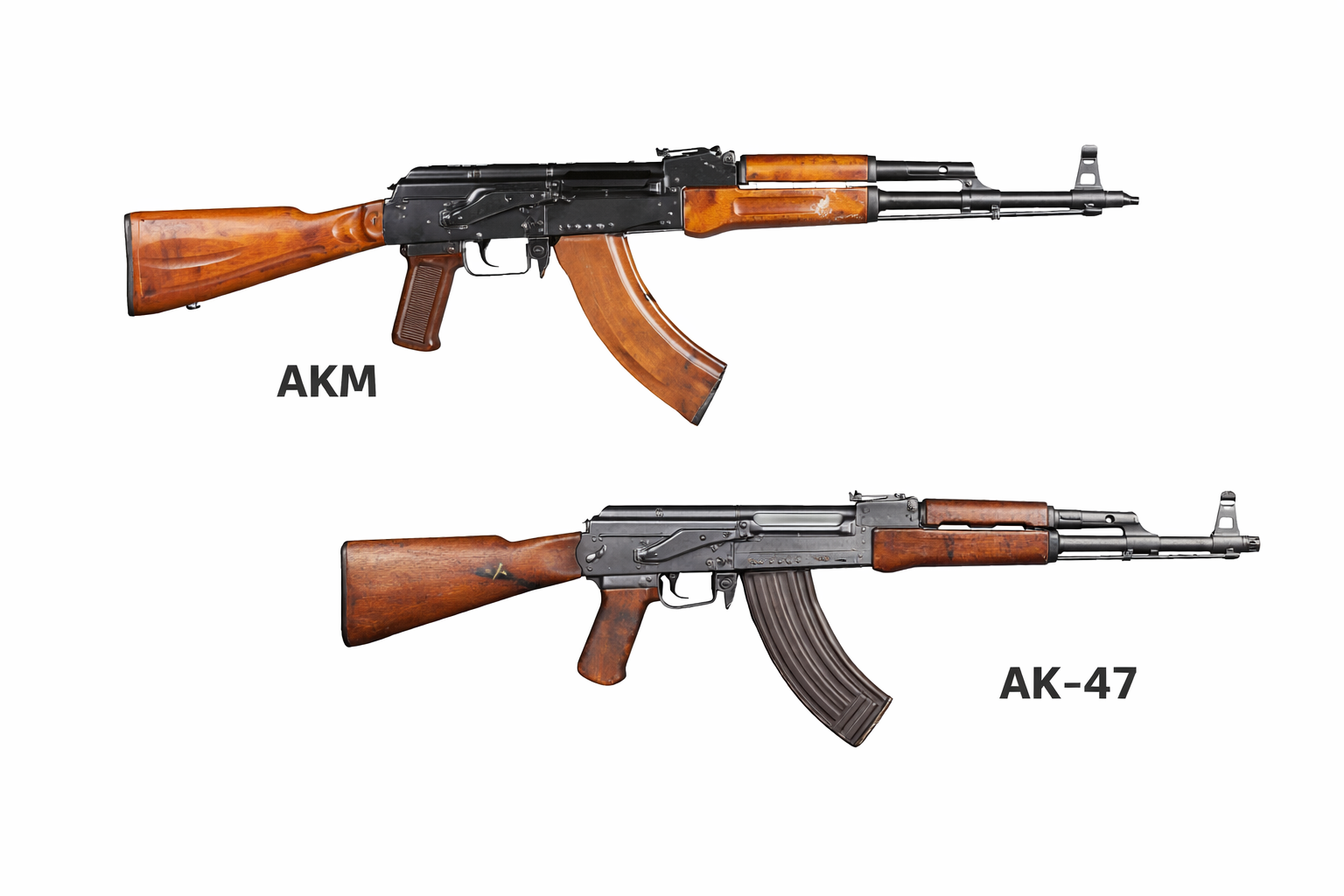
The original AK-47 family is a little more complicated than most summaries make it sound. The earliest Type 1 rifles used a stamped receiver, while later Type 2 and Type 3 AK-47 variants used milled receivers after early stamped-receiver manufacturing problems pushed production in that direction. That milled approach made the rifle strong, but also heavier and more expensive to build at scale. In practical U.S. civilian terms, most “true AK-47 style” builds that aim to capture the classic early pattern usually lean toward the later milled-receiver look, but historically the AK-47 family included both stamped and milled production types before the AKM standardized stamped construction.
Why the AKM Became the Classic AK
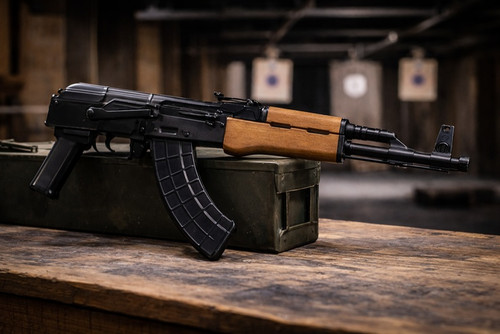
The AKM standardized stamped receiver construction after Soviet manufacturing finally solved the earlier production issues that had made the first stamped AK-47 pattern difficult to mass-produce. That stamped receiver cut production costs, sped up factory output, and trimmed weight compared with the milled AK-47 variants that dominated the 1950s. The AKM kept the same barrel length and general dimensions as the original AK-47 but was noticeably lighter. It also held onto the 7.62x39mm chambering. When most people picture "the AK," they're picturing an AKM. It became the dominant pattern across dozens of military forces around the world and is the most common pattern in the civilian AK market as well. Many rifles sold as AK-47-style guns are actually closer to AKM pattern construction. The WASR-10 from Romania and the PSAK-47 GF3 from Palmetto State Armory are among the most common civilian examples of this pattern.
AK-74 and AK-74M: The Shift to 5.45x39mm
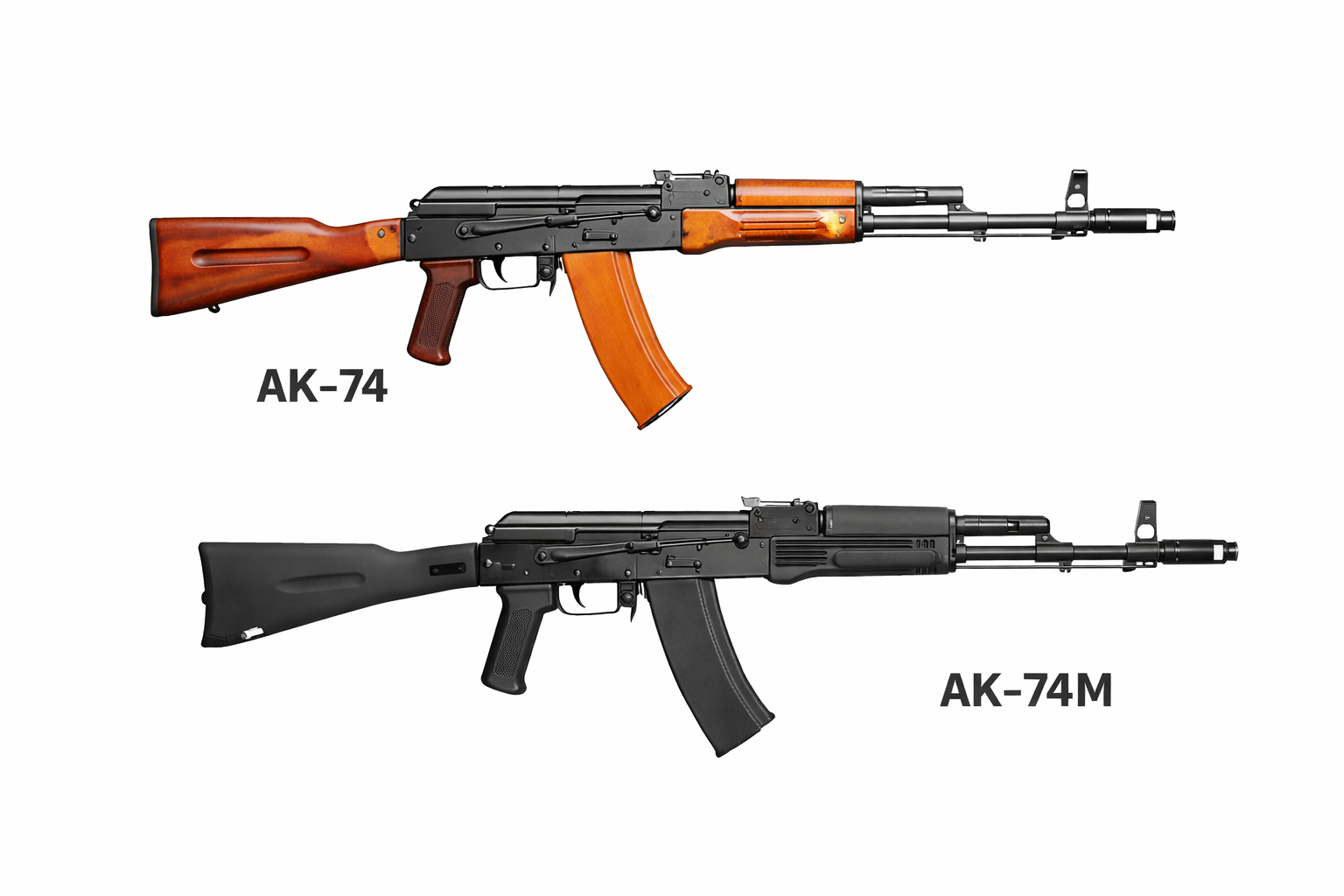
The AK-74 family also introduced lightweight synthetic magazines, often recognized in the West by their orange-brown “Bakelite” appearance, which reduced weight compared with older steel AKM magazines.
AKS-74 and AKS-74U
The AKS-74 was built for airborne troops. It added a folding stock to make the rifle easier to manage during drops and in tight spaces. The AKS-74U went further—it shrank the entire platform down to a compact form with an 8.1-inch barrel, a muzzle booster to help cycling with the short barrel, and a folding stock. These two are specialized branches of the AK-74 family, not separate designs.
What Changed With the AK-74M?
The AK-74M entered full-scale production in 1991 as a modernization of the AK-74 platform. It adopted black polymer furniture, a side-folding stock, and a standardized side rail for optics, while also incorporating smaller production and internal updates. The AK-74M became the design foundation for the AK-100 series that followed.
The AK-100 Series Explained
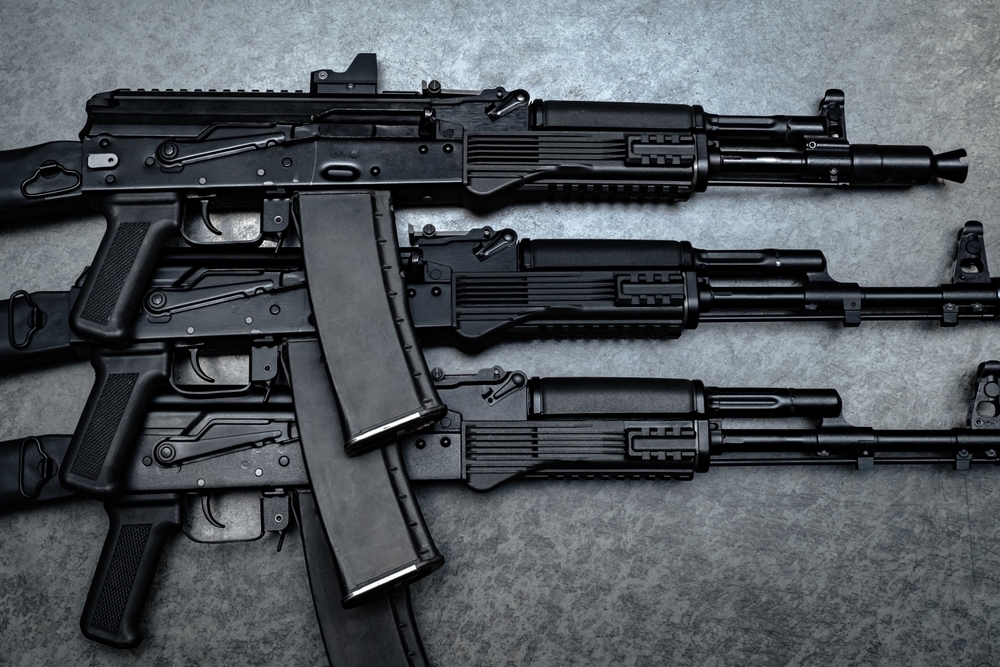
Beginning in 1993, the AK-100 series was officially offered as a modern family of rifles built on the AK-74M pattern, intended largely for Russian service use and export sales.These rifles were designed for both domestic Russian use and export markets. All models in the series share polymer furniture and side-folding stocks. They come in rifle-length and shorter carbine-length configurations. The 100 series gave different countries and forces a way to get a modernized AK in their preferred caliber—which is a big part of why so many nations adopted it.
AK-101 and AK-102
The AK-101 is the 5.56 NATO version of the 100 series. It was built for export to countries needing compatibility with Western ammunition. It's a rifle-length model with a 16.3-inch barrel. The AK-102 is the shorter carbine version of the AK-101. It uses a 12.4-inch barrel. Both fire 5.56 NATO, which made them attractive to forces aligned with NATO supply chains.
AK-103 and AK-104
The AK-103 brings the classic 7.62x39mm chambering into a modernized 100-series body. It's one of the most widely exported 100-series rifles and also sees service with Russian police and security forces. Barrel length sits at 16.3 inches. The AK-103 comes in several sub-models—some semi-auto only, others with additional fire options on the military side. The AK-104 is the carbine version. Same 7.62x39mm round, shorter 12.4-inch barrel. Both the KR-103 from KUSA and civilian versions from Palmetto State Armory bring these patterns to the U.S. market.
AK-105
The AK-105 rounds out the carbine side of the 100 series with the 5.45x39mm chambering through a 12.4-inch barrel. It sits between the full-length AK-74M and the very compact AKS-74U in size. Think of it as the middle-ground option within the 5.45 family—compact without going all the way down to the AKS-74U's dimensions.
AK-12: How the Modern Russian Service Rifle Changed the Formula
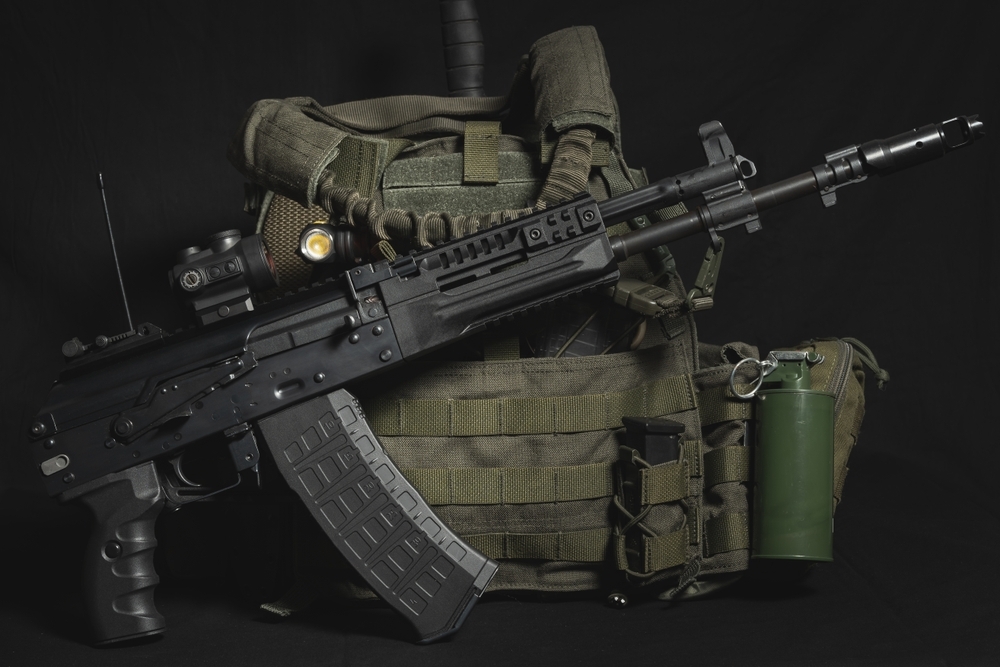
The AK-12 is the most current Russian service rifle in this guide's AK lineage. It keeps the AK identity but adopts features that look familiar to anyone who has handled a modern Western service rifle. The top cover is redesigned and now supports an optics rail that retains zero—a real problem on older AK dust covers. The handguard adds accessory rails at multiple positions. The stock collapses like an M4-style unit and also folds to the left. Sights move as far rearward as possible to improve sight radius.
At the same time, the AK-12 stays recognizably Kalashnikov at its core. The safety lever, magazine release, and charging handle all follow classic AK logic. Barrel length stays the same as earlier 74-pattern rifles. Caliber remains 5.45x39mm. It's a modernization of the platform, not a departure from it. No major U.S. manufacturer currently produces a true civilian AK-12 clone. Demand from the civilian market hasn't pushed manufacturers in that direction yet.
Are 9mm AKs Real AK Models or Separate Platforms?
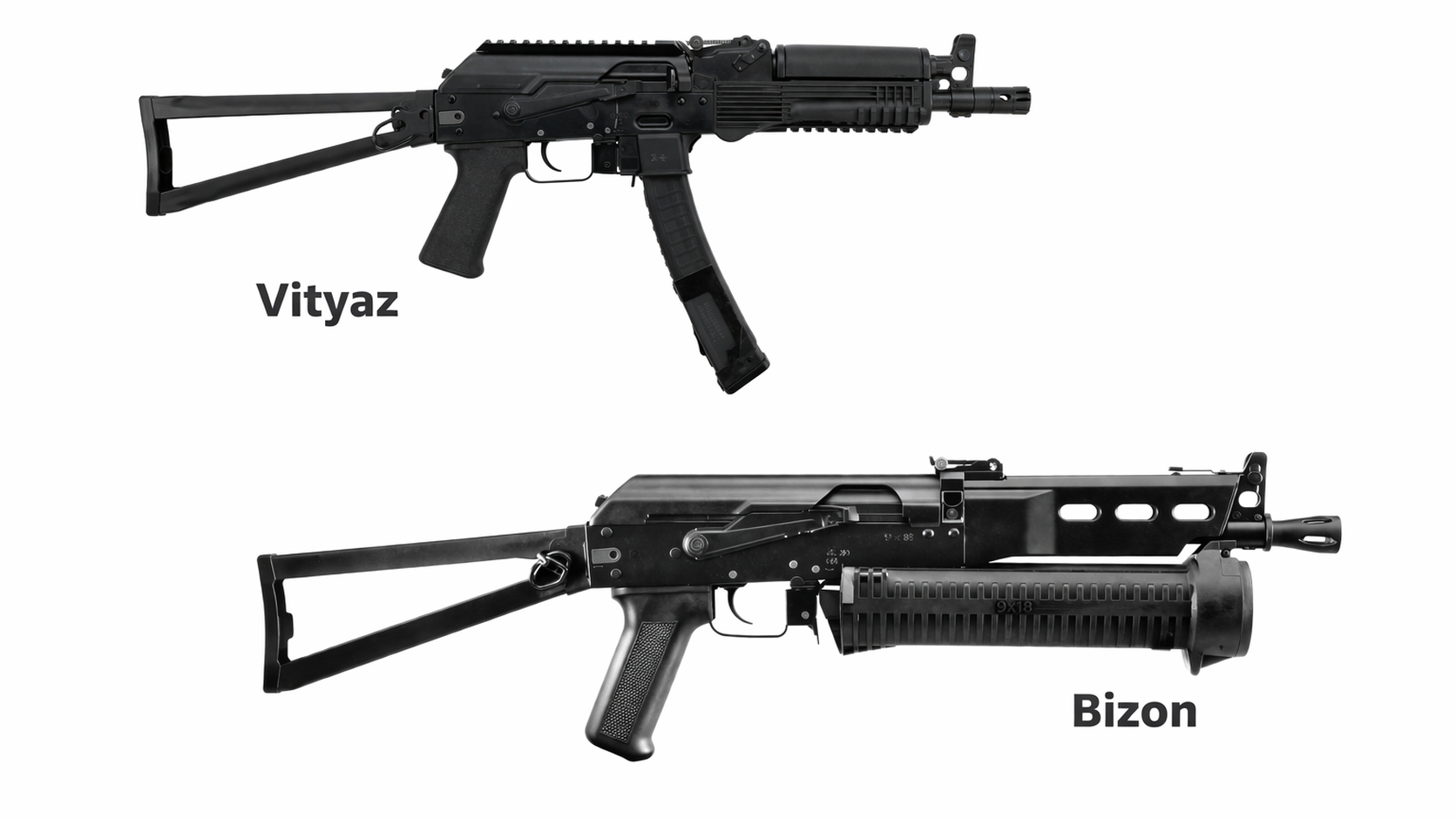
This question comes up a lot. The short answer: 9mm AK-style guns borrow AK controls and appearance but operate differently on the inside. Standard AK rifles use a long-stroke gas piston system. Most 9mm AK-style guns use a direct blowback design instead. These are related in spirit, not in mechanical function.
PP-19 Vityaz and Bizon
Russia developed the PP-19 Bizon first, followed later by the PP-19-01 Vityaz, as compact 9x19mm submachine guns that borrowed AK-family controls and layout. The Vityaz is a direct-blowback design rather than a standard gas-operated rifle-caliber AK, which is why it belongs in the broader AK-style family but not in the same mechanical category as the service rifles above. The PP-19-01 Vityaz runs roughly 27.8 inches with the stock extended, weighs about 6.4 pounds, and uses a 9.4-inch barrel.
Civilian AK-Style PCCs
Kalashnikov USA produces the KP-9, which closely mirrors the PP-19 Vityaz in layout and dimensions. The KP-9 uses a 9.2-inch barrel and is available as a pistol, rifle, or SBR. Palmetto State Armory offers the PSA AK-V as a more accessible 9mm AK-style option. The AK-V accepts CZ Scorpion magazines, comes ready for a brace, and works with Magpul AK furniture. It's a practical pick for buyers who want AK controls in a softer-shooting format.
Civilian Equivalents of Popular AK Models
| Model | Typical Caliber | Main Role | Key Feature | Civilian Equivalent |
|---|---|---|---|---|
| AK-47 | 7.62×39mm | Early service rifle | Stamped and milled receiver variants | Arsenal SAM7 or similar milled-pattern builds |
| AKM | 7.62×39mm | Standard service rifle | Stamped receiver design | WASR-10 or PSAK-47 |
| AK-74 | 5.45×39mm | Updated service rifle | Lighter recoil cartridge | PSAK-74 |
| AK-103 | 7.62×39mm | Modernized service rifle | AK-100 series pattern | PSA AK-103 pattern rifles |
| AK-12 | 5.45×39mm | Current service rifle | Modern furniture with optics support | No exact mainstream clone |
Civilian AK options don't always land as exact military clones. Import rules, NFA regulations, and market demand all shape what ends up on shelves. The AK-104 and AK-105, for example, have short barrels that require NFA handling in true military form. PSA produces civilian-legal variants with slightly extended or pinned barrels to stay outside NFA territory.
How to Choose the Right AK Model for Your Needs
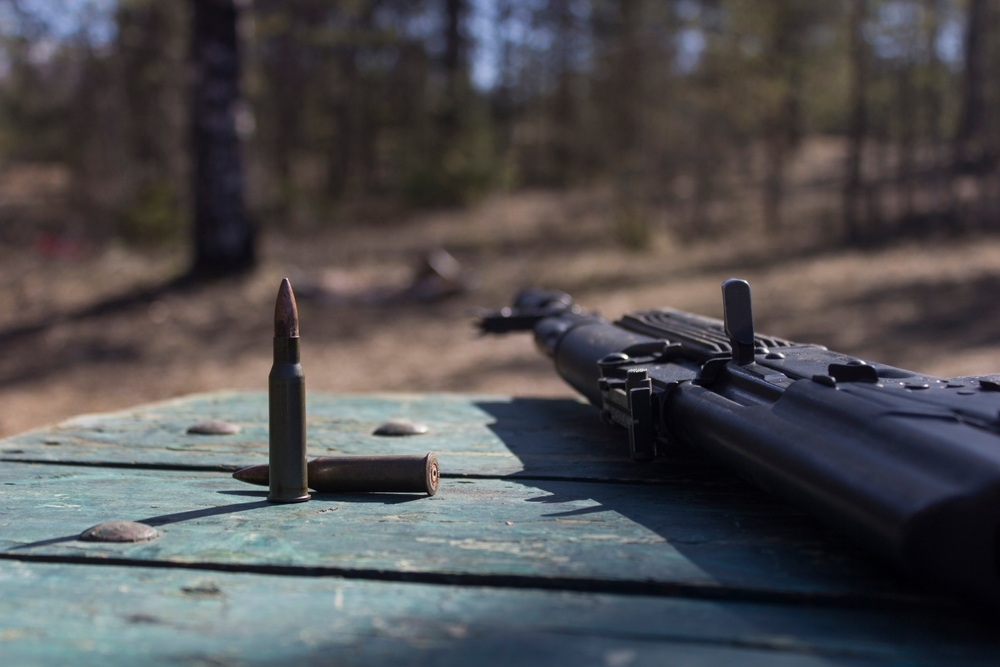
Picking an AK comes down to what matters most to you. Here's a quick breakdown by buyer type:
- Traditionalists: An AKM-style rifle like the WASR-10 or PSAK-47 GF3 is the right call. Classic construction, 7.62x39mm, and the most common parts and magazine support on the market.
- Modern AK fans: AK-103 pattern rifles from KUSA or PSA give you updated furniture and layout with the familiar 7.62x39mm round.
- Lighter recoil and training focus: Lighter recoil and training focus: AK-74 pattern rifles in 5.45x39mm bring softer shooting, but buyers should think carefully about long-term ammunition availability before committing. PSA is one of the few major U.S. makers still covering the 74-pattern lane in a meaningful way.
- Compact AK-style builds: PSA AK-104 and AK-105 variants fill this space, with the AK-V as the 9mm option.
- Collectors and clone builders: Expect more research and higher cost. Exact-spec reproductions often require sourcing parts kits and finding specialized builders.
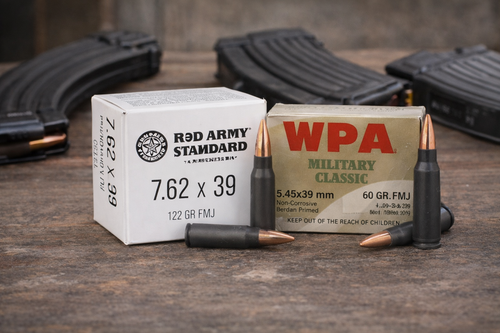
Ammo availability matters too. The 5.45x39mm market in the U.S. has always been smaller than 7.62x39mm. For most buyers, the 7.62x39mm chambering is the easier long-term choice for consistent parts and ammo support.
Common Misconceptions About AK Models
- "Every AK is an AK-47" — Not accurate. The AK-47 is one specific early model. The AKM, AK-74, and 100 series are all separate designs.
- "AKM and AK-47 are the same rifle" — They share caliber and general layout, but receiver construction and production methods differ.
- "All modern AKs are just cosmetic updates" — The AK-74 changed caliber entirely. The AK-12 reworked furniture, stock, and optics capability in meaningful ways.
- "9mm AKs work exactly like rifle-caliber AKs" — They don't. 9mm AK-style guns typically use blowback operation, not the gas piston system found in standard AK service rifles.
- "Civilian AKs are always direct copies of military rifles" — Civilian versions often have modified barrel lengths, different safety configurations, and adjusted magazine options to meet U.S. legal requirements.
Final Verdict
The AK family is bigger and more varied than most people expect. The AK-47 started everything but served for a relatively short period. The AKM took over and became the most recognized military rifle pattern on the planet. The AK-74 shifted the caliber conversation. The AK-100 series brought modern materials and export-ready options across multiple calibers. The AK-12 pushed the format further without breaking from the platform's core identity.
Most buyers don't need to memorize every subvariant to make a smart decision. Want a traditional AK experience? Go with an AKM-style rifle. Want something more modern with better accessory support? Look at the AK-103 pattern. Chasing the Russian military aesthetic with lighter recoil? The AK-74 family covers that ground. The best AK model is the one that matches your caliber preference, intended use, and what's realistically available in the civilian market at a price that makes sense for you.
Whether you prefer a traditional wood-stock AK or a modernized platform with rails and upgraded furniture, there are strong options in both categories. For a closer look at the best AK rifles available today, check out Best AK-47 Rifles: Review and Buying Guide.
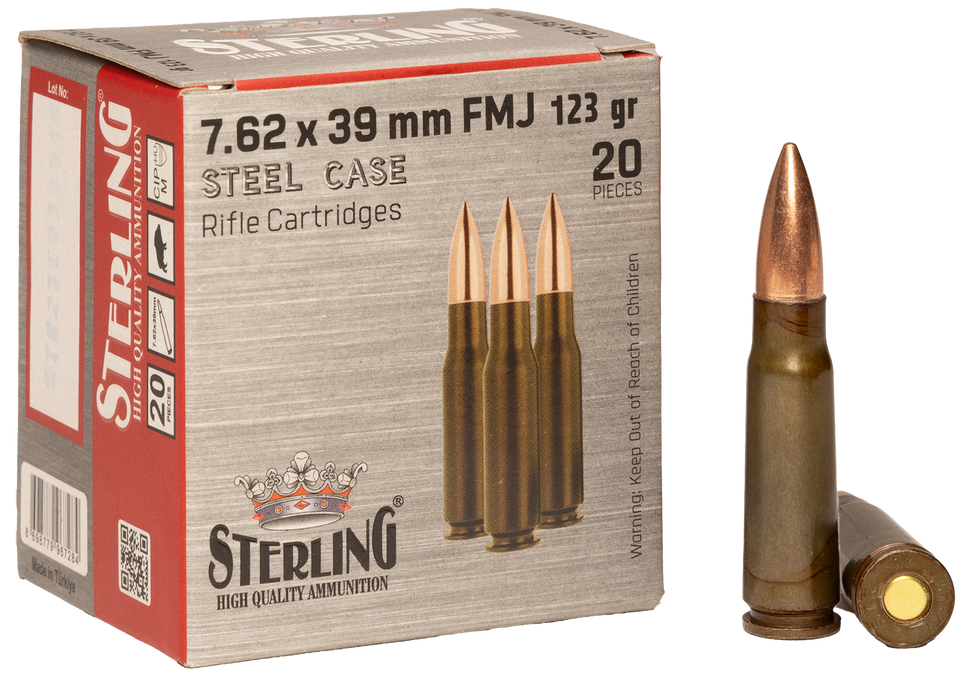
Sterling 7.62x39mm 123gr Full Metal Jacket 20 Per Box
$13.86
at Pro Armory
Prices accurate at time of writing
Frequently Asked Questions (FAQs)
What is the difference between the AK-47 and AKM?
The AK-47 uses a milled steel receiver and was the earlier production model. The AKM uses a stamped steel receiver, which made it lighter and cheaper to produce at scale. The AKM became far more common in military service and is what most people actually picture when they say "AK-47."
What caliber does the AK-74 use?
The AK-74 fires the 5.45x39mm cartridge—a smaller, lighter round than the 7.62x39mm used in earlier AK models.
What are the AK-100 series rifles?
The AK-100 series is a family of modernized AK rifles based on the AK-74M design. They come in multiple calibers—5.45x39mm, 5.56 NATO, and 7.62x39mm—and are offered in both rifle-length and shorter carbine configurations.
Is the AK-12 a completely new rifle?
No. The AK-12 modernizes the AK platform with improved furniture, a better optics rail, and updated ergonomics. The core controls, caliber, and operating concept are still rooted in classic Kalashnikov design.
Are 9mm AKs true AK rifles?
Not in the traditional rifle-caliber service-rifle sense. They borrow AK controls, layout, and visual design cues, but most 9mm AK-style guns use direct blowback rather than the long-stroke gas piston system found in standard rifle-caliber AK service rifles.
What is the best civilian AK model for beginners?
An AKM-style rifle—like the WASR-10 or PSAK-47—is usually the easiest starting point. Ammo is widely available, the platform is well-supported, and entry prices are reasonable. For those who prefer lighter recoil, a 5.45x39mm AK-74 pattern rifle is another strong option.
About the Author
This article was written by the ProArmory writing team based on current research, including studies from reputable sources like the Journal of Military Science, Firearms News, and the National Shooting Sports Foundation. We also referenced trusted information from official defense publications and respected firearm authorities such as the ATF, NRA, and manufacturer manuals.
Disclaimer: The information in this article is for educational purposes only and does not constitute legal advice. Laws on firearms ownership, configuration, and purchase vary by state and locality. Always verify your local and federal laws before buying or modifying any firearm. ProArmory assumes no liability for actions taken based on this content.

Best Ammo Deals, Training, & Accessories
Subscribe to ProArmory sales and deals email.