 Pro Armory Editorial Team
Quick Answer
Precision shooting doesn't need a second mortgage. A good .22 LR rifle paired with quality ammo can deliver tight groups at a fraction of centerfire costs. The CZ 457 Pro-Varmint SR tops our accuracy list for under $700. The Ruger Precision Rimfire offers killer adjustability for around $500. The Savage Mark II FV-SR gives you surprising performance under $350. Match the rifle to your shooting style, add a decent scope, and watch those groups shrink.
Key Takeaways
- Bolt actions typically offer better precision per dollar than semi-autos
- Quality ammo matters more than rifle cost for tight groups
- A proper scope setup transforms any precision rimfire
- Start at 50 yards to build skills and data
- Subsonic match ammo often produces the best groups
Long-range precision shooting looks amazing but costs a fortune to get started. The smart move? Scale down with rimfire. A quality .22 LR rifle at 50-200 yards teaches the same core skills as centerfire at 600+ yards reading wind, building position, executing clean trigger presses. The entry cost is usually dramatically lower than centerfire once you factor ammo price, barrel life, and range fees.. You can practice at almost any range. Your skills transfer well when you later move up to bigger gear. And your wallet gets a break during the learning phase.
How This List Was Built
We built this list by comparing repeatable accuracy results, build quality, and shooter-focused features (trigger, stock/chassis fit, rail/mounting options, and magazine reliability) across widely cited long-form reviews and user-reported performance trends.
Where group sizes are mentioned, they’re meant to show what the rifle can do with the right ammo, not to promise identical results for every shooter.
Quick Comparison Chart
| Rifle | Action Type | Price Range | Best Use | Watch Out For |
|---|---|---|---|---|
| CZ 457 Pro Varmint Suppressor-Ready | Bolt | $650–$800 | Target / varmint shooting | Requires separate optics rail |
| Ruger Precision Rimfire | Bolt | $450–$525 | Competition-style training | Basic factory grip comfort |
| Savage Mark II FV-SR | Bolt | $250–$350 | Budget precision | Occasional stiff extraction |
| Bergara B-14R | Bolt | $900–$1,200 | R700-style trainer | Premium price point, not budget |
| Springfield 2020 Rimfire Target | Bolt | $320–$450 | All-purpose precision | Factory trigger limitations |
| Ruger 10/22 Target Lite | Semi-auto | $500–$575 | Speed shooting | Ammo sensitivity |
| Bergara BMR Carbon | Bolt | $535–$650 | Field precision | Plastic bottom metal components |
What Affordable Precision Means in .22 LR
Accuracy goals that make sense for rimfire
When talking precision with rimfire, we need realistic expectations. One MOA (Minute of Angle) at 50 yards means groups of about 0.5 inches. That's totally achievable with most rifles on this list paired with match ammo. But rimfire precision isn't just about the smallest group you ever shot—it's about consistency. A rifle that holds 0.7-inch groups all day beats one that flashes a 0.3-inch group once, then drifts out to 1.5 inches the rest of the time.
The rifles in this article were picked for one reason. They can give you steady sub-MOA accuracy at 50 yards with quality ammunition. That standard is a strong sign of value in the rimfire space.
Why 50 yards is a smart starting line
Starting at 50 yards makes perfect sense for rimfire precision work. It's far enough to challenge your fundamentals but close enough to minimize wind effects that might mask shooting errors. At 50 yards, you can spot your hits with your own eyes. You do not need a spotting scope. And it’s a simple range to start building your dope (Data On Previous Engagements) card.
Once you lock in the basics at 50, you can stretch to 100 or even 200 yards. That’s where rimfire starts teaching harder lessons about external ballistics. Range changes everything. Those small .22 LR bullets drop fast, and even a light wind can move them around, which makes it a great way to learn holds and calls.
Why subsonic ammo shows up so often
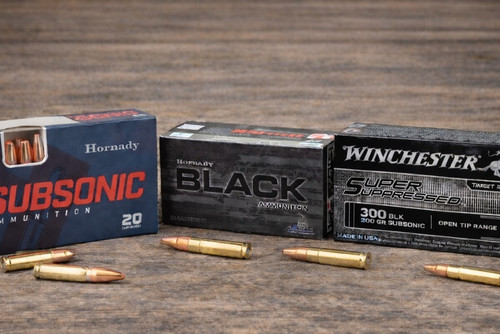
Ever wonder why serious rimfire precision shooters often use subsonic ammo? It's about avoiding the transonic zone. When a bullet drops from supersonic to subsonic speed, it crosses a rough patch of air. That shift can make groups open up. .22 LR bullets start off slower, so standard-velocity loads reach that zone sooner.
Many accuracy-focused .22 LR loads are standard velocity, often hovering around the speed of sound depending on conditions. The goal is consistency and avoiding the instability that can show up when bullets cross velocity regimes during flight.
The 7 Best Affordable .22 LR Precision Rifles Reviewed
1. Ruger Precision Rimfire (.22 LR)
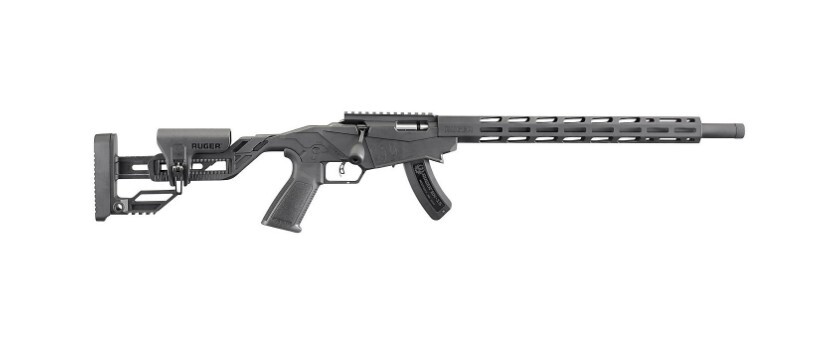
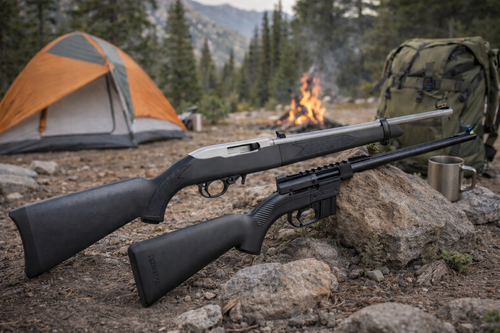
The Ruger Precision Rimfire brings big-rifle features to the .22 LR world at a price that won't make you cry. This little bolt gun looks and feels like its centerfire big brothers, with adjustments to fit almost any shooter. The chassis design screams "tactical," but underneath is a practical tool for precision practice.
The adjustable stock is a standout feature. You can change the length of pull and comb height without tools, so the rifle grows with younger shooters or adapts to different people in your family. The oversize bolt handle makes running the action smooth and fast. That 30 MOA rail means you can dial elevation for long shots without maxing out your scope's adjustment range.
Accuracy reports show this rifle loves premium ammo. With quality match ammo, many shooters see sub-MOA performance at 50 yards, and the platform’s adjustability makes it easy to get a consistent position behind the gun. Even with standard loads like Winchester Super-X, it can deliver sub-MOA groups. The best part? You can use the same rifle to train for longer distance centerfire shooting by adjusting the bolt throw to match that of a short-action rifle.
Price: Typically $450–$525 depending on retailer and sales
Specs
- .22 LR
- Bolt-action
- 18-inch barrel
- 15-round magazine capacity
- 1/2×28 threaded muzzle
- Approx. 6.8 lb unloaded
Features
- 30 MOA Picatinny rail
- Adjustable length of pull and cheek height
- Accepts 10/22-pattern magazines
Pros
- Excellent adjustability for the price
- Good platform for learning scope use and holds
- Strong aftermarket support
Cons
- Not the lightest rifle in this group
- Accuracy depends heavily on ammo choice
2. CZ 457 Pro Varmint Suppressor Ready
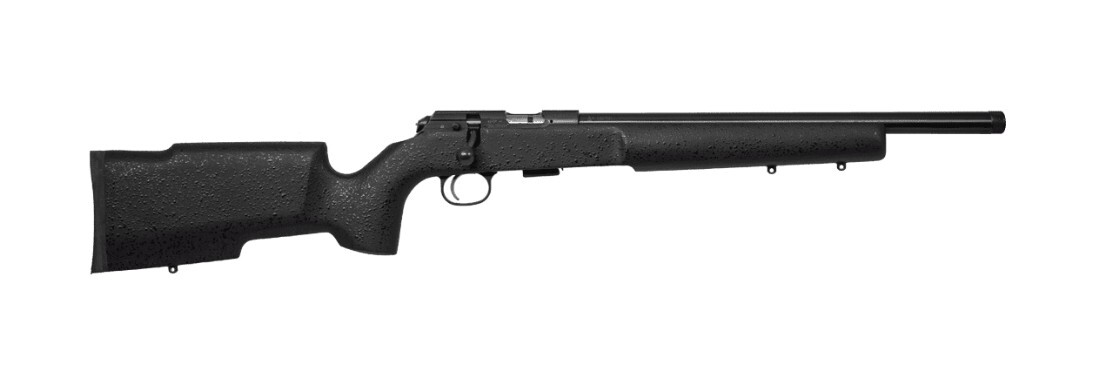
The CZ 457 Pro-Varmint SR has built a strong name for tight groups at a mid tier price. This bolt action gives you a heavy barrel in a compact setup. It also comes with a no nonsense wood stock that feels steady on bags or a bipod. If your goal is clean precision without paying top shelf money, this rifle fits that lane.
And the bolt lift feels smooth in your hand. It often runs cleaner than others in this price range. The trigger also shows up in good shape from the factory. It tends to break crisp and light with little creep. The heavy barrel helps you stay steady across longer strings. Also the shorter 16.5 inch barrel keeps the rifle easy to move on a range or in the field.
The accuracy potential is where this rifle really shines. Testing has shown it capable of consistently producing half-inch or smaller groups at 50 yards with quality ammo. With Eley Semi-Auto Benchrest Precision or Lapua Polar Biathlon, groups as tight as 0.30 inches have been recorded. Even with standard loads like Winchester Super-X, it maintains good accuracy. Many CZ 457s ship without a Picatinny rail, so plan on adding the correct CZ 457-compatible base/rail for your preferred rings and optic.
Price: Typically $650–$800 depending on retailer/availability
Specs
- .22 LR
- Bolt-action
- 16.5-inch heavy barrel
- 5+1 capacity
- Threaded muzzle
Features
- Suppressor-ready barrel
- Varmint-profile barrel for stability
- Well-supported aftermarket ecosystem
Pros
- Excellent accuracy potential
- Smooth bolt feel
- Compact size works well on the bench or in the field
Cons
- Often needs an added rail depending on optic setup
- Magazines are smaller than some trainer-style rifles
3. Savage Mark II FV-SR
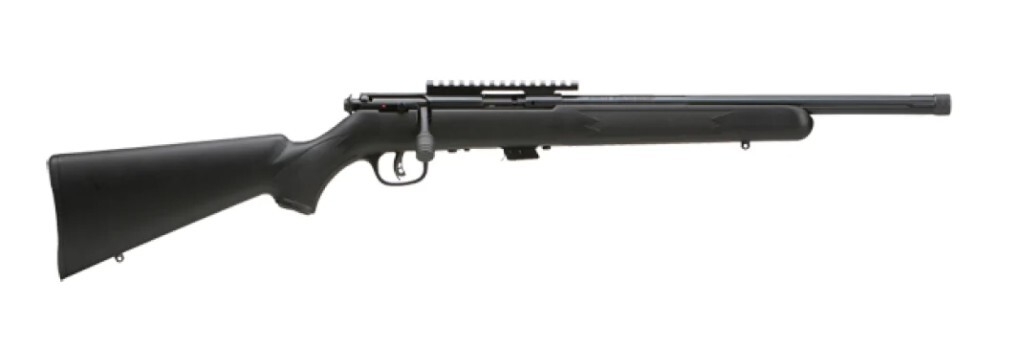
If you want to dip your toes into precision rimfire without a big investment, the Savage Mark II FV-SR offers incredible value. This no-frills bolt action comes ready for optics and a suppressor at a price point that few can match. It's a gateway drug to precision shooting that won't break the bank.
The Mark II keeps the setup simple. You get a synthetic stock and a heavy barrel. The AccuTrigger is a major value add at this price point, and many FV-SR packages include a one-piece scope rail from the factory. That makes it easy to mount glass and start collecting data without immediately buying extra mounting parts. The heavy barrel profile helps you hold groups. And the threaded muzzle takes standard .22 LR suppressors.
The best surprise is how much accuracy you can get for the money. In testing, it has printed groups under 0.75 inches at 100 yards with SK Long Range Match ammo. That is the kind of result you expect from rifles that cost far more. The action does not feel as polished as higher end options. But the target tells the truth. If you are on a tight budget, this rifle gives you a clean path into precision shooting.
Price: Commonly $260–$330
Specs
- .22 LR
- Bolt-action
- 16.5-inch barrel
- 5-round magazine
- 1/2×28 threaded muzzle
- Approx. 5.5 lb
Features
- Heavy barrel profile
- Simple, no-frills bolt-action design
- Easy to scope and start shooting
Pros
- Low cost of entry
- Good accuracy for the price
- Ideal learning rifle
Cons
- Bolt feel can be rough on some rifles
- Magazine handling takes practice
4. Bergara B-14R Trainer
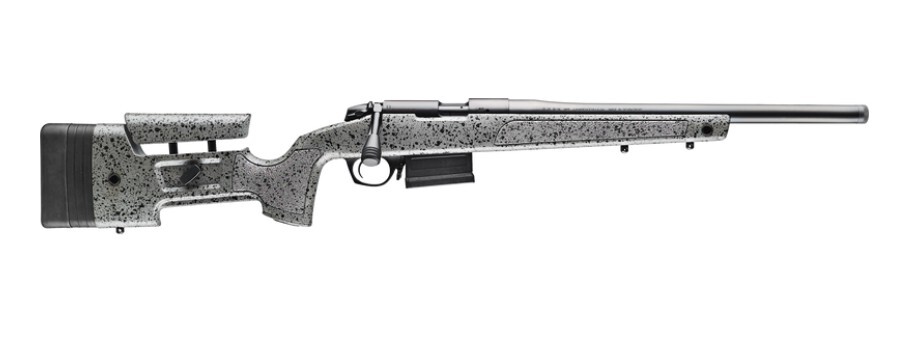
The Bergara B-14R is designed for serious precision shooters who want a rimfire that mimics the feel of their centerfire competition guns. It’s not a budget rifle, but it earns a mention as a true centerfire-style trainer in .22 LR. This rifle sits at a higher price point than others on our list, but it delivers features and performance that justify the investment for the right shooter.
Built on a Remington 700 footprint, the B-14R lets you use many aftermarket triggers and stocks made for that platform. That matters if you like to tune your setup over time. The action uses controlled-round feeding. So the rifle cycles smoothly and stays consistent shot after shot. The stock design works for bench and positional shooting. It has a flat forend that sits well on bags or a bipod. The barrel is cold hammer-forged for accuracy and consistency.
Accuracy testing shows the B-14R stays steady across different ammunition types. With match ammo like Lapua Polar Biathlon, groups as small as 0.34 inches at 50 yards have been recorded. And it still holds up with standard loads like Winchester Super-X. The rifle’s weight is over 9 pounds. That extra mass helps you keep it calm during precision work. It also makes it less fun to carry in the field. If you want a trainer that feels close to a centerfire match rifle, this one makes a lot of sense.
Price: Commonly $900–$1,200 depending on configuration and retailer
Specs
- .22 LR
- Bolt-action
- 18-inch barrel
- 10-round magazine
- Heavier trainer-style build
Features
- Precision-oriented stock geometry
- Designed for positional shooting
- Often used in rimfire competition training
Pros
- Excellent training crossover for centerfire shooters
- Very stable shooting platform
- Consistent performance
Cons
- Expensive compared to other rimfires
- Heavy for casual or field use
5. Springfield Armory 2020 Rimfire (.22 LR)

The Springfield 2020 Rimfire gives you a mid-price path into precision rimfire. You get bolt-action handling that feels familiar and steady. You also get modern features like a Picatinny rail and a detachable magazine. That mix keeps the rifle practical for training and also for tighter group work. And you do not have to pay premium money to get there.
Available in both synthetic and wood stock options, the 2020 Rimfire features a two-lug bolt with dual extractors for reliable operation. The heavy-profile 20-inch barrel provides good stability for precision work. The Picatinny rail is thoughtfully contoured in the middle for better access to the action. The trigger is adjustable, though some users may want to upgrade it eventually.
On the range, the 2020 Rimfire shows it can shoot. It has produced excellent accuracy with a range of ammunition types. Five-shot groups at 50 yards averaged 0.858 inches across four loads. That points to consistency you can count on. The rifle also supports you in different positions. The flat-bottomed fore-end sits solid on bags and rests. If you want one precision rimfire that covers most needs and stays budget friendly, the Springfield 2020 Rimfire belongs on your shortlist.
Price: Often $320–$450 depending on model (Classic vs Target) and retailer
Specs
- .22 LR
- Bolt-action
- 20-inch heavy profile barrel
- 10-round capacity
- 1/2×28 threaded muzzle
Features
- Uses Springfield’s 10-round rotary magazine system
- Adjustable trigger
- Dual extractors
- Picatinny rail
Pros
- Affordable for a precision-style bolt gun
- Good accuracy with the right ammo
- Clean, straightforward design
Cons
- Limited trigger adjustment range
- Heavier than some competitors
6. Ruger 10/22 Target Lite

The Ruger 10/22 Target Lite gives you semi-automatic speed with a more accuracy-focused setup. It stays true to the classic 10/22 platform. But it adds a match-grade barrel and an upgraded trigger. Those upgrades make it more accurate than many standard models. It is a good fit if you like rapid follow-up shots and a smoother pace.
The laminate thumbhole stock helps you hold the rifle in a stable way. It also keeps your hand position consistent from shot to shot. The lightweight bull barrel keeps total weight under 6 pounds. That makes the rifle easier to handle across longer strings. The Ruger BX-Trigger often breaks around 2.5 pounds. It feels cleaner than the factory trigger on many basic 10/22s. You may see some variation compared to bolt actions. Semi-auto systems can be a bit more sensitive. Still, the speed advantage is clear.
Accuracy testing shows the 10/22 Target Lite can shoot very small groups with the right ammunition. With the Lapua Polar Biathlon, groups as small as 0.33 inches at 50 yards have been recorded. You will want to test a few loads. Some will group tighter than others. And the 10/22 platform has huge aftermarket support. That gives you room to upgrade later, without needing a whole new rifle.
Price: Commonly $500–$575 depending on variant
Specs
- .22 LR
- Semi-automatic
- 16.1-inch barrel
- 10-round magazine
- Threaded muzzle
- Approx. 5 lb
Features
- Lightweight target barrel
- Broad compatibility with aftermarket parts
- Easy handling for long range sessions
Pros
- Very customizable
- Fun and fast to shoot
- Common magazines and parts
Cons
- Not as consistent as bolt-action rifles
- Semi-auto operation can be ammo-sensitive
7. Bergara BMR Carbon
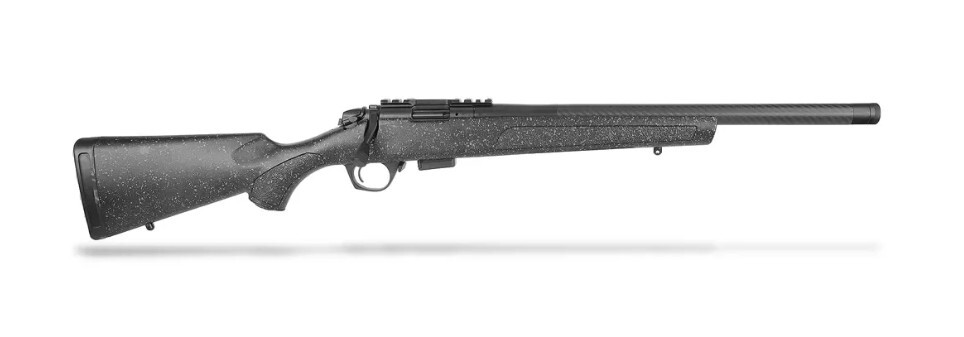
The Bergara BMR Carbon is built around a simple goal. Keep the rifle light and keep it accurate. It weighs just over 5 pounds. It also uses a carbon fiber wrapped barrel to cut weight without giving up stiffness. That makes it easy to carry and still steady when it is time to shoot.
The BMR Carbon uses the same action found in other Bergara rimfire rifles. It includes dual extractors and a fixed ejector for reliable operation. The carbon fiber barrel helps hold accuracy during longer sessions. The injection-molded stock has texture in key areas so your grip stays secure. The 30 MOA Picatinny rail gives you plenty of elevation adjustment. That helps when you push out to longer distances.
With quality match ammo, the BMR Carbon is commonly capable of sub-MOA performance at 50 yards, and its lightweight build makes it especially attractive for field positions where heavier trainer rifles feel sluggish.
Price: commonly $535–$650 depending on retailer and sales
Specs
- .22 LR
- Bolt-action
- 18-inch carbon fiber barrel
- 5+1 or 10+1 capacity
- 1/2×28 threaded muzzle
- 5.1 lb weight
Features
- Carbon fiber barrel
- 30 MOA Picatinny rail
- Dual extractors
Pros
- Lightweight for field use
- Good accuracy potential
- Mimics centerfire rifle proportions
Cons
- Plastic bottom metal
- Laser engraving may rust easily
How to Choose the Right .22 LR Precision Rifle for Your Budget
Bolt action vs semi-auto for precision goals
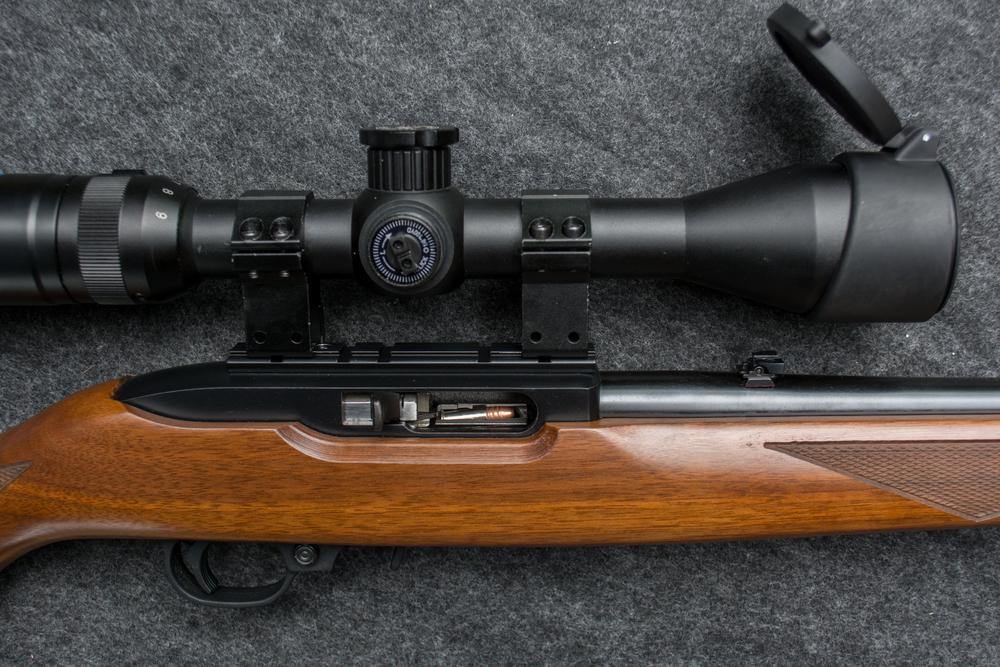
For pure precision work, bolt actions often give you more accuracy for your money. They lock up tight. They also keep pressure on the cartridge the same from shot to shot. And they remove the extra moving parts that come with semi-auto cycling. If your main goal is the smallest groups you can get, a bolt action like the CZ 457 or Savage Mark II is usually the safer pick.
But semi-autos like the Ruger 10/22 Target Lite still earn their spot. They let you take fast follow-up shots. That matters in some matches and in practical drills. They also make range days feel more relaxed and fast paced. Just remember this part. You may need to test a few ammo types to find what your semi-auto shoots best.
Stock vs chassis and why fit matters
Your stock or chassis is the part you touch the most. So fit matters a lot. A traditional stock like the one on the CZ 457 gives you a classic feel. It also tends to sit well in the hands and on the shoulder. It is often lighter too. And in cold weather it feels less harsh against your cheek. A chassis like the Ruger Precision Rimfire gives you more adjustment. The tradeoff is weight. It can also feel colder during long sessions.
Focus on a few key measurements. Length of pull is the space from the trigger to the buttpad. Comb height is where your cheek rests compared to the bore line. Grip angle shapes how your hand sits on the rifle. When these fit you, you settle in the same way each time. That steady setup helps your groups tighten. This is why adjustable setups like the Ruger Precision Rimfire can help. It also helps when more than one person uses the rifle or when you are still building a steady position.
Optics that match the job
A precision rimfire works better with a scope built for the same job. For the rifles in this article, look for adjustable turrets. Add parallax adjustment down to 50 yards or less. And aim for at least 9x or 10x on the top end. If you plan to shoot at many distances, an FFP reticle can be a smart option. It keeps your holdover marks true at any zoom level.
Exposed elevation turrets let you dial for distance instead of guessing holdovers. That can keep your aiming clean and repeatable. A 30 MOA rail like the one on the Ruger Precision Rimfire gives you more room to dial up. That extra range matters past 100 yards. Rimfire bullets drop fast once you stretch things out.
Ammo plan that saves money
Developing an ammunition strategy can save you money while still allowing for precision work. Start with one bulk load for general practice and basic skill development. This could be something like CCI Standard Velocity or Federal Champion.
For group shooting and precision work, add one match-grade load to your lineup. Options like Lapua Center-X, Eley Match, or SK Rifle Match consistently produce excellent results in quality rifles. Once you find what your rifle shoots best, buy it in quantity when you can—match ammunition availability can be spotty.
Precision Rimfire Accessories That Pay Off
The three accessories that matter most
When building your precision rimfire setup, focus on these essentials first:
- A quality bipod or front rest gives you a stable platform for accurate shooting. Harris bipods are popular and effective without breaking the bank. A simple sandbag can also work well for range use.
- A rear bag supports the stock and allows for fine elevation adjustments. Commercial options like the Wiebad Fortune Cookie or Gamechanger are excellent, but a sock filled with plastic beads or rice works in a pinch.
- A basic ballistic app or paper dope card helps track your data and holdovers. Start simple with distance, elevation adjustment, and wind calls for your preferred ammunition. Apps like Applied Ballistics tools, Shooter, or a simple dope card template can handle the math without overcomplicating your setup.
Optional tools for deeper data
As you advance, these tools provide more detailed information:
- A chronograph measures bullet velocity, which is crucial for accurate ballistic calculations. Models like the Caldwell Chronograph or Magnetospeed offer good value for rimfire use.
- A wind meter helps quantify what you're seeing and feeling. The Kestrel 2000 is an affordable starting point that measures wind speed and direction.
- Leveling tools ensure your scope is properly aligned with your rifle. Wheeler Engineering and Vortex both offer affordable bubble-level kits that prevent canting errors.
How-To Setup for Your First Range Day
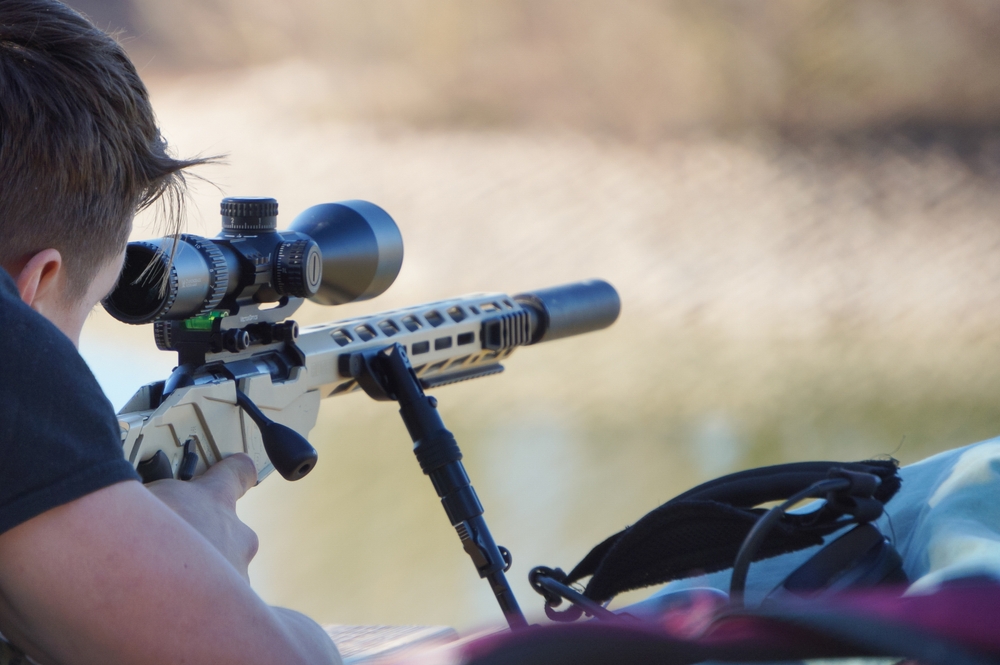
Step-by-step: Zero, groups, then distance
Step 1: Mount and level the scope
Use quality rings and ensure the scope is level relative to the action. Tighten all screws to proper torque specifications.
Step 2: Zero at 50 yards
Start with a large target and work your shots to the center. Once centered, fire a 3-shot group and adjust to bring the group to point of aim.
Step 3: Shoot two five-shot groups with each ammo type
Let the barrel cool between groups for consistent results. Mark each target with the ammunition used.
Step 4: Record group size and notes
Measure from the centers of the widest shots in each group. Note conditions and any observations about each ammunition type.
Step 5: Confirm holds at 100 and 150 yards
Once zeroed at 50, shoot at targets at 100 and 150 yards. Record the elevation and windage holds needed.
Step 6: Finish on steel at 200 yards with your best load
Challenge yourself with steel targets at 200 yards using your best-performing ammunition. This builds confidence and shows the rifle's capabilities.
Simple dope card format
Create a simple card that includes:
- Distance (50, 75, 100, 150, 200 yards)
- Elevation hold or dial (in MOA or MRAD)
- Wind hold notes (for 5mph crosswind)
- Ammunition used
This basic data allows you to make accurate shots across a range of distances without memorizing everything.
Final Thoughts
Precision rimfire shooting can feel like long-range shooting in a smaller package. You still chase tight groups and clean hits. You just do it with less cost and less kick. The CZ 457 Pro-Varmint SR fits best if your top goal is accuracy. The Ruger Precision Rimfire is a strong value choice if you want a tactical style rifle. And the Savage Mark II FV-SR remains a smart buy if you need to keep spending low.
Also, the rifle is not the whole answer. A rifle will not fix weak form. Your stance and grip matter, and your scope setup matters, and ammo choice matters too. Treat it like building a good habit. Do the basics the same way each time, and the results start to line up.
Want to get the most from your new precision rimfire? Check out our companion guide on choosing an optic for your setup. It also includes mounting tips and clear zeroing steps.
A precision .22 LR rifle is only as good as the ammo you feed it. Before your next range session or competition, read Best .22 LR Rimfire Ammo: Top Picks for Accuracy, Hunting, and Plinking to find loads that help maximize accuracy.

Federal Automatch 22LR 40GR | 975RD 3 BOXES
$87.75
at Pro Armory
Prices accurate at time of writing
Frequently Asked Questions (FAQs)
What makes a .22 LR rifle a precision rifle?
A precision .22 LR usually has a match-grade barrel and an adjustable trigger. It also has stock ergonomics that help you stay steady and repeat your shots. Consistency is the key. A common target is groups under 1 MOA, which is about 1 inch at 100 yards, with quality ammunition. The rifles in this article can hit that goal at different price points.
What distance should I start with for rimfire precision?
Start at 50 yards. You will see hits more clearly at that range. Wind also matters less, so you can focus on your basics. As your groups improve, move up to 100 yards. Then go farther when your results stay steady.
Do I need match ammo to get small groups?
Match ammo helps the most. It usually gives you more even speed and a more consistent bullet build. That means fewer odd shots that ruin a group. But many rifles also shoot well with standard loads like CCI Standard Velocity. Try a few loads and let your targets show you what works.
Is a semi-auto .22 good for precision shooting?
Semi-autos can be accurate. But bolt actions tend to stay more consistent from shot to shot. Semi-autos work well for drills and faster practice. Most serious benchrest or extreme precision shooting still leans toward bolt actions.
What scope features matter most for rimfire precision?
Start with parallax adjustment down to 50 yards or less. Then look for exposed elevation turrets if you want to dial. You also need enough magnification, with at least 9 to 10x at the top end. A reticle with holdover marks helps for fast holds. First focal plane (FFP) reticles also help if you shoot at mixed distances.
How do I keep costs down as I improve?
Work on fundamentals first, and dry fire is a strong tool. Use bulk ammo for practice and save match ammo for group work. A local club can also help you learn faster and spend less. It is like learning a sport with a coach. You skip a lot of slow trial and error.
About the Author
This article was written by the Pro Armory writing team based on current research. We used sources such as the Journal of Military Science, Firearms News, and the National Shooting Sports Foundation. We also used official defense publications and trusted firearm authorities like the ATF, NRA, and manufacturer manuals.
Disclaimer: This review is for education only. Laws vary by state and city and can change. Follow safe handling at all times. Read your owner's manual. Verify local rules before you buy or train.
Best Ammo Deals, Training, & Accessories
Subscribe to ProArmory sales and deals email.