 Pro Armory Editorial Team
Quick Answer
If you want a plug-in, set-and-leave option, an electric rod dehumidifier is the easiest path. If your safe has no power, go with a rechargeable desiccant unit or silica-style bags. In our picks, electric rods win for low effort, and desiccants can pull humidity down faster but need regular drying. The right choice depends on safe size, power access, and how humid your room gets.
Key Takeaways
- Aim for steady humidity and not zero humidity.
- Electric rods cut condensation risk with gentle warmth.
- Desiccants work fast, then need recharging.
- Use a hygrometer so you know what's happening.
- Match the unit to your safe size and layout.
- Keep the dehumidifier clear of ammo and powders.
I once opened a safe after a stretch of humid weather and got that faint "damp metal" smell. No rust yet, but it felt like a warning bell. A small hygrometer and one dehumidifier later, the safe stayed stable week after week. This guide is built around that same goal: keep moisture from turning your gear into a science project.
Why Gun Safes Get Humid
When the air temperature swings, moisture can show up where you least want it: on cool metal surfaces. Your safe sits there sealed tight, and when the air outside cools down at night, moisture can form on cold metal surfaces inside.
Basements, garages, and exterior walls add moisture load. These spots tend to be damp year-round, so your safe absorbs that dampness too.
Soft cases, foam, and boxes can trap stale air and hold onto moisture longer than you’d expect. They act like little moisture sponges sitting inside your safe. Even "dry" rooms can spike at night or during rain. You might not notice it, but your firearms do and they start to show it pretty quick.
How Gun Safe Dehumidifiers Work
Electric rod dehumidifiers
Electric rods work by adding gentle warmth inside the safe. Think ‘prevents condensation’ more than ‘removes moisture. Instead, they raise the temperature just enough to keep water from settling on your guns. Got a safe with a power port or interior outlet? These are your best bet. Just thread the cord through a hole in the back and plug it in. And that's it - lowest effort day-to-day option you can get.
Desiccant dehumidifiers
Desiccant units take a different approach. They absorb water from air using crystals or silica material. These little beads act as tiny sponges that grab moisture molecules and hold onto them. No power in your safe? No problem. Maybe your safe lacks a cord hole, or sits far from any outlet. These work great in those cases. The trade-off is that they need recharging by plug-in drying, oven, or microwave, depending on which model you choose. Each style comes with its own refresh routine.
What Humidity Level Is "Safe" for Firearms
Target a steady range that discourages rust and mold. A practical target is a stable middle range, usually somewhere around the ‘not damp, not desert-dry’ zone. (Somewhere between 30-50%. Focus on stability more than chasing the lowest number. Big swings up and down can be worse than sitting at a slightly higher steady level. Use a hygrometer to confirm, not guess. A basic digital hygrometer is inexpensive and removes the guesswork fast.
Quick List of the 6 Best Gun Safe Dehumidifiers Reviewed
| Product | Type | Best For | Power Needed | Main Upkeep |
|---|---|---|---|---|
| Afloia Mini Dehumidifier | Electric unit | Larger safes; active moisture removal | Yes | Empty reservoir and maintain per manufacturer guidance |
| GoldenRod Original Dehumidifier | Electric rod | Set-and-leave safe drying | Yes | None beyond basic periodic checks |
| Lockdown Dehumidifier Rod | Electric rod | Budget-friendly rod option | Yes | None beyond basic periodic checks |
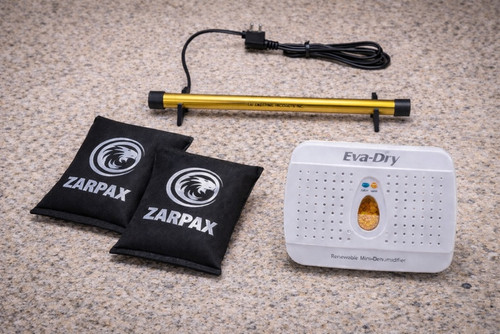
| Eva-Dry Dehumidifier | Rechargeable desiccant | No-power safes; low-effort moisture control | No during use | Plug-in recharge when saturated |
| Hornady Rechargeable Gun Safe Dehumidifier | Desiccant beads | No-power safes; mounted setup | No during use | Recharge on a regular schedule |
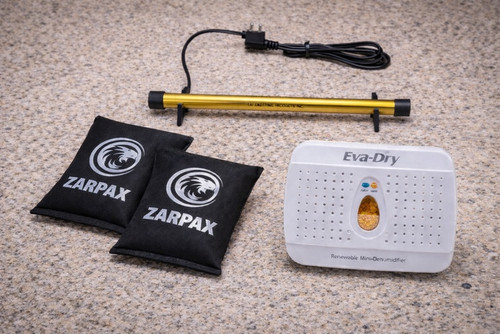
| Zarpax Rechargeable Desiccant Bags | Desiccant bags | No-power safes; fast drop-in solution | No during use | Microwave recharge when needed |
The 6 Best Gun Safe Dehumidifiers Reviewed
Hornady Rechargeable Gun Safe Dehumidifier 95900
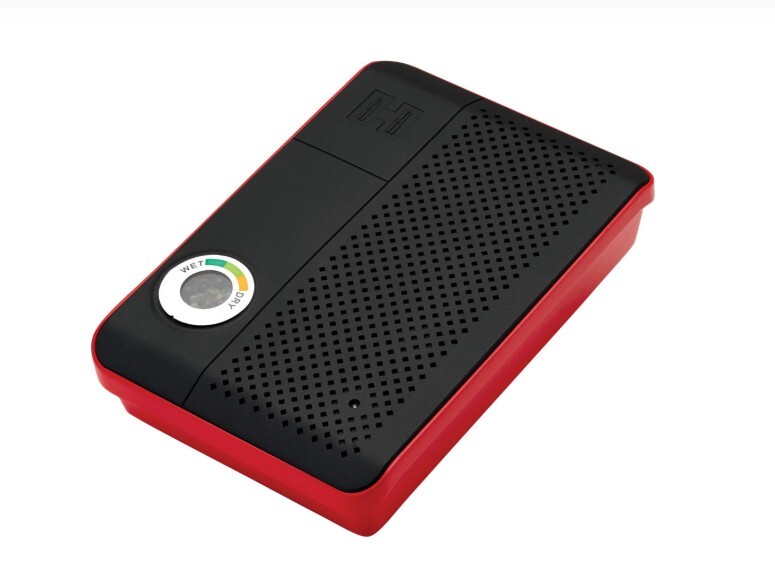
This unit uses silica gel crystals to pull moisture from the air inside your safe. The crystals change color when they've absorbed all they can hold. This gives you a clear visual signal that recharge time has arrived. Works well for safes with no power pass-through, because it just sits there quietly doing its job.
Hornady markets this unit for small-to-mid safe volumes, and it’s generally used in that role. That's enough for most home gun safes. It comes with a quick-connect bracket that lets you mount it to the wall of your safe. This keeps it off the floor and out of the way of your long guns.
Some folks report that the recharge process can be finicky. The crystals need proper heating to dry out fully. If you don't get them hot enough or keep them warm long enough, they won't return to full capacity. But when it works right, this is a solid no-power option.
Price: Street price runs around $20-25
Features
- Rechargeable silica gel system
- Covers 333 cubic feet
- Compact, safe-friendly size
- Color indicator crystals
- Quick-mount bracket included
Pros
- No cord needed inside the safe
- Easy to place and remove
- Good for small to mid safes
- Visual indicator takes the guesswork out
Cons
- Needs periodic recharging
- Can feel small for very large safes
- Some users report recharge reliability issues
LOCKDOWN GoldenRod Dehumidifier Rod 12 inch
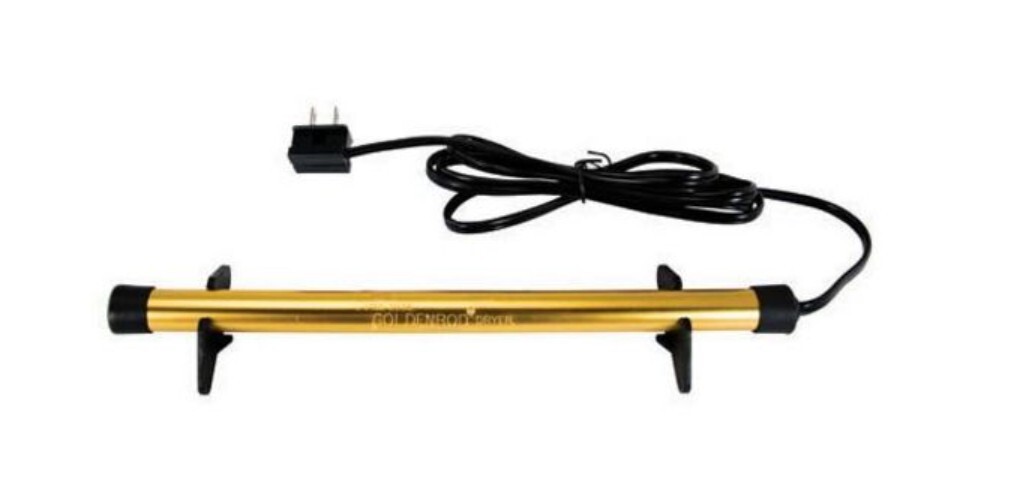
A heated rod that warms the air slightly to reduce moisture risk inside the safe. The GoldenRod is a classic option that's been around for years. Great for "set it and forget it" use, as long as your safe supports a power cord route. Best placed at the bottom with clear space around it.
In real-world use, a 12-inch rod is often enough to keep a small safe noticeably more stable, especially if the room humidity swings. The rod runs hot, so treat placement like you would a space heater: keep it low, keep it clear, and don’t let anything rest against it.
The GoldenRod comes in four sizes: 12, 18, 24, and 36 inches. Match the length to your safe's interior dimensions. The 12-inch model works for compact safes and smaller gun cabinets. Larger safes benefit from the longer rods. These rods are typically sold with long warranty coverage, which is part of why people stick with them.
Price: 12-inch model typically costs $30-35
Features
- Electric rod design for continuous use
- Designed for small enclosed spaces
- Low-profile rod form factor
- Multiple size options
- Lifetime warranty
- Includes mounting legs
Pros
- Low effort day to day
- No "recharge cycle" needed
- Simple setup if your safe has a cord hole
- Lifetime warranty provides peace of mind
Cons
- Needs power access
- Runs hot, so safe placement matters
- Cord management required
Eva-Dry E-333 Renewable Mini Dehumidifier
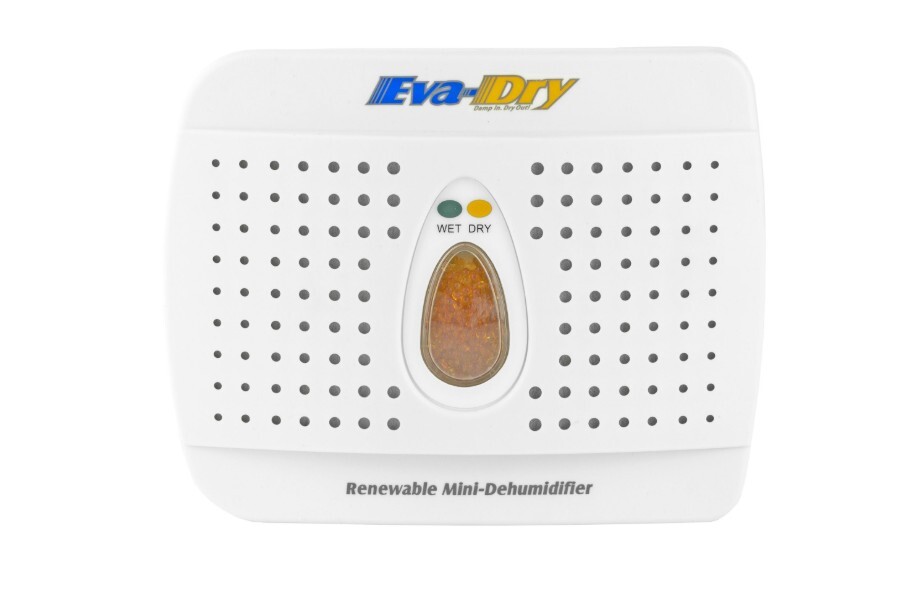
A small desiccant unit that absorbs moisture, then you recharge it by plugging it in outside the safe. This design gives you the benefits of desiccant technology without the hassle of an oven or microwave. A nice fit for handgun safes, closet safes, and compact cabinets. Works best when you keep a simple hygrometer inside your safe to track humidity.
The Eva-Dry uses silica gel beads that change color as they absorb moisture. When the beads turn from orange to dark green, recharge time has arrived. You pull the unit out, plug it into a wall outlet for several hours, and the internal heating element dries the beads back to orange. Then it's ready to go back in the safe.
In average conditions, many owners end up recharging it on a steady routine, and that routine gets more frequent in muggy weather. That frequency might increase in very humid climates or during wet seasons. The plug-in recharge method is cleaner and easier than microwave or oven methods. You just set it and walk away.
Price: Usually sells for $13-17
Features
- Renewable design that recharges via wall plug
- Covers approximately 333 cubic feet
- Compact body for tight spaces
- No cords running into the safe
- Color-changing indicator beads
Pros
- Small and easy to place
- No batteries needed
- Good starter pick for small safes
- Plug-in recharge is convenient
Cons
- Needs regular recharge time
- Not ideal as a solo option for very large safes
- Monthly maintenance required
GoldenRod Original Dehumidifier 24 inch
A classic heated rod style, made for larger safes that need wider coverage. The 24-inch model handles safes up to about 500 cubic feet. Works best when you match rod length to safe size, then keep airflow space around it. A good fit for people who want steady control with minimal routine.
This longer version delivers the same technology as the 12-inch model but spreads the heat across more interior space. The extra length helps larger safes maintain consistent temperature throughout. You don't want one end of your safe warm and dry and the other end still prone to condensation.
Installation follows the same pattern as the shorter models. Thread the cord through your safe's power port. Attach the special plug after the cord is inside. Place the rod on its legs at the bottom of the safe. Make sure nothing touches the rod—no cardboard, no foam, no fabric. Just clear air space all around.
Price: 24-inch model runs about $45-55
Features
- Multiple lengths available to fit different safes
- Continuous electric operation
- Rod form factor for bottom-of-safe placement
- Lifetime warranty
- Covers up to 500 cubic feet
Pros
- Minimal upkeep required
- Good coverage with the right size
- Simple long-term solution
- Proven track record
Cons
- Needs safe cord access
- Rod clearance inside the safe matters
- Higher cost than shorter models
Afloia Mini Gun Safe Dehumidifier TOP-Z 2+1
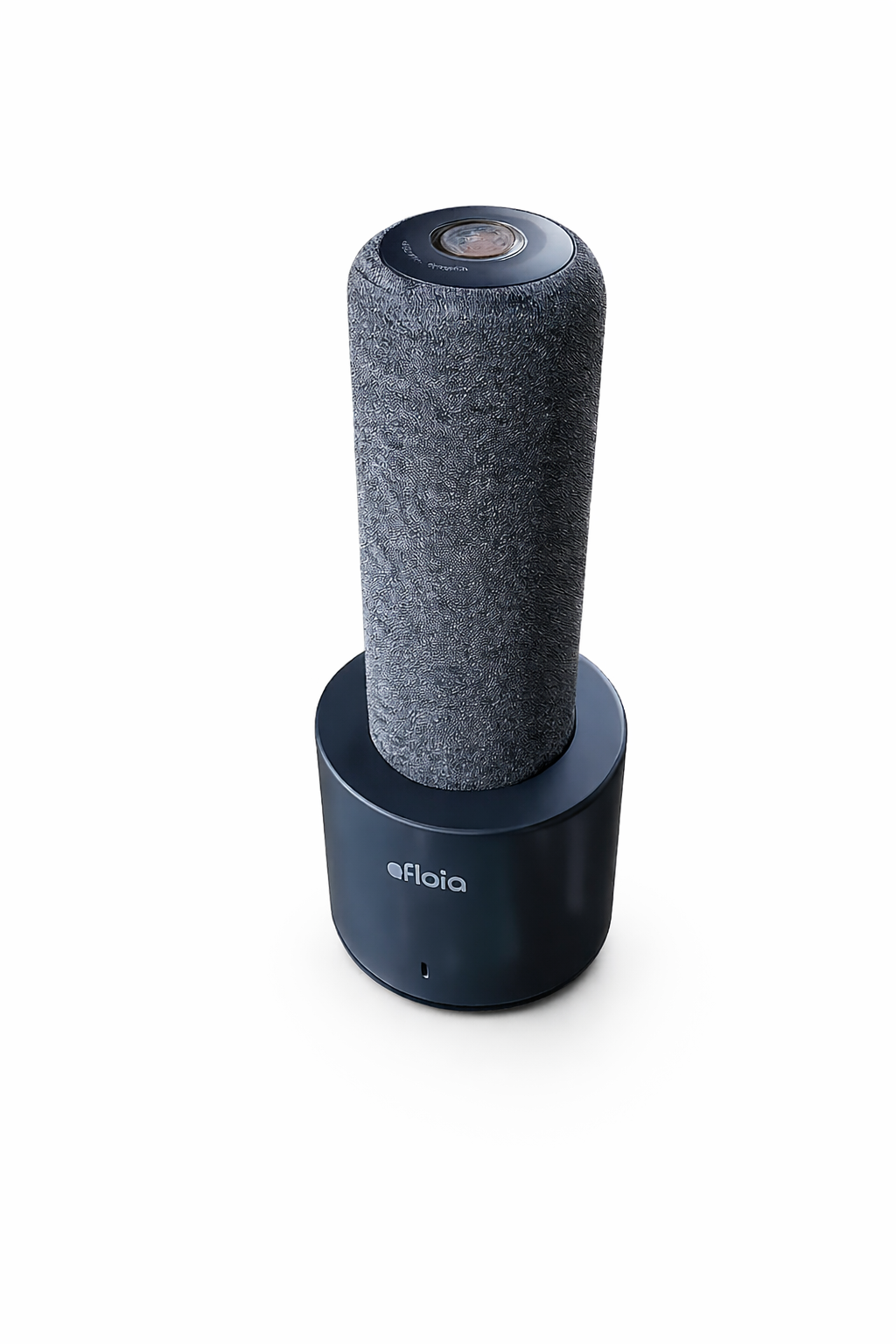
A compact rechargeable unit aimed at small spaces like safes, cabinets, and closets. The Afloia uses a different approach than most desiccant units. It pulls moisture into a collection area that you empty periodically. Uses a "charge, then place" flow, so you don't keep it plugged in once it sits in the safe. Good pick when you want something tidy and portable, not a rod.
The cylinder design increases the moisture-absorbing area. A 360-degree air inlet pulls from all directions. This makes it more efficient than flat-style desiccant units. Each recharge cycle can collect a noticeable amount of moisture for a unit this size, depending on how humid the room is.
When the collection area fills up, you remove the unit from your safe and place it on the included heating base. The base dries out the moisture-absorbing material so you can use it again. This recharge method keeps things clean—no microwave smells, no oven timers, just plug it in and let it dry.
Price: Typically costs $50-70 for the set
Features
- Rechargeable cordless use design
- 360-degree air inlet
- Collection capacity of 100ml per cycle
- Heating base included
- Small-space focused design
- Portable form factor
Pros
- No cord routing inside the safe
- Easy to move between safes or cabinets
- Clean footprint and modern design
- Efficient moisture collection
Cons
- Higher cost than basic options
- Needs a recharge routine
- Only fits larger safes due to cylinder shape
ZARPAX Rechargeable Desiccant Dehumidifier Bags 2-pack
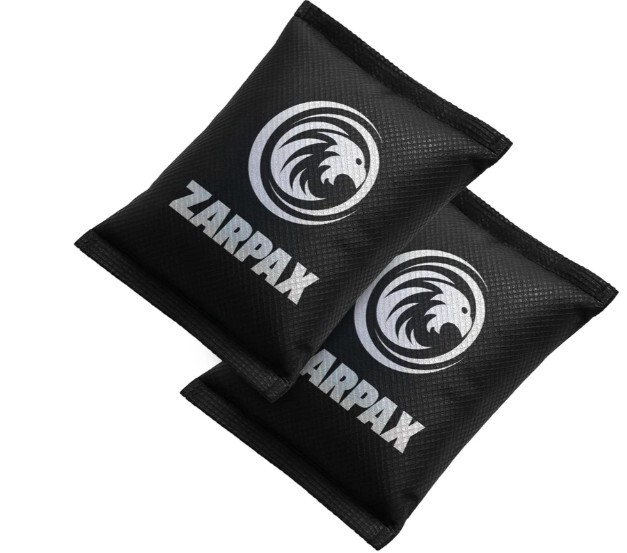
Simple desiccant bags that absorb moisture and then get dried out for reuse. Each bag weighs less than a pound and looks like a cornhole beanbag. Great when you want a no-wiring setup, or you need coverage in odd corners of a safe. Best for people who don't mind a repeat refresh routine.
In a small enclosed space, these bags can pull humidity down fast, especially right after a recharge. The trade-off is they can saturate quickly in humid rooms, so you’ll be recharging them more often than a rod. You'll be recharging these about twice a week in humid conditions.
Each bag has a moisture indicator window on the front. Blue means good to go. Pink means saturated and time to recharge. Recharge is typically done in the microwave for a short cycle, then the bags need time to cool before you put them back in.Some users find this routine annoying. Others appreciate the powerful moisture pull.
Price: Two-pack usually costs $15-20
Features
- Reusable desiccant bags
- Moisture indicator window
- Compact and flexible placement
- Works in safes, ammo cans, cabinets
- Microwave rechargeable
Pros
- No power needed
- Easy to distribute around the safe
- Biggest humidity drop in testing
- Travel-friendly
Cons
- Needs repeat drying to keep working well
- Not a "set and ignore" option
- Twice-weekly recharge can feel like a chore
- Microwave recharge process requires attention
How to Choose the Right Dehumidifier for Your Safe
Start with your safe setup
Power port or no power—that's question number one. If your safe has a hole for a cord and an outlet nearby, electric rods become an option. Safe size matters too. A 12-inch rod won't cut it in a 40-gun cabinet. How packed the safe is also plays a role. Tightly packed safes need better air circulation. Where the safe sits in the home affects moisture load. A basement safe faces more humidity than a bedroom safe.
Pick a type based on your lifestyle
Electric rods work for people who want to set something up and forget about it. Once installed, they just run. You check them occasionally to make sure they're still working. Rechargeable desiccants suit folks who can handle a monthly or weekly routine. You need to stay on top of the recharge schedule or they stop working. Mix-and-match only if you track results with a hygrometer. Don't just throw two dehumidifiers in and hope for the best.
Common mistakes to avoid
Blocking airflow with cases and boxes defeats the purpose of a dehumidifier. Air needs to move around the unit. Letting a rod touch fabric, paper, or ammo boxes creates a fire risk. These rods get seriously hot. Skipping the hygrometer and guessing leaves you blind to what's actually happening inside your safe. Spend ten bucks on a hygrometer and know for sure.
How To Set Up a Gun Safe Dehumidifier the Right Way
Place a hygrometer inside the safe at mid height. This gives you accurate readings of the air your guns are actually sitting in. Install the dehumidifier with clear airflow space. Don't cram it into a corner behind a rifle case. Keep hot rods clear of ammo, powder, and clutter. Leave at least a few inches of open space all around.
Check readings daily for the first week. This helps you understand the pattern. Does humidity drop steadily? Does it spike at certain times? Adjust placement until humidity stays steady. You might need to move the dehumidifier to a different spot. Recheck weekly, then monthly once stable. Once you've dialed in the right setup, you can relax the monitoring schedule.
Maintenance Schedule That Keeps You Out of Trouble
Electric rods need just a quick visual check and hygrometer check. Look at the rod to make sure nothing has fallen against it. Glance at your hygrometer. If the numbers look good and nothing's touching the rod, you're done. Takes 30 seconds.
Rechargeable units require more attention. Recharge when the indicator changes, not on vibes. Don't try to squeeze an extra week out of saturated crystals or beads. After storms or seasonal change, do a short "recheck week." Big weather shifts can throw off your humidity balance. A few days of daily checks helps you catch problems early.
Final Verdict and One Clear Pick
For plug-in safes, the GoldenRod style rod system wins. It delivers steady performance with zero daily effort. The lifetime warranty seals the deal. Once you set it up, it just works. If you have a larger safe, step up to the 24-inch model.
Best no-power pick for most owners comes down to Eva-Dry or Hornady rechargeable, based on your recharge preference. The Eva-Dry edges ahead because the plug-in recharge is cleaner than oven or heating methods. But the Hornady offers more mounting options. Best fast-drop no-power option goes to Zarpax bags, if you accept frequent recharges. Nothing tested dropped humidity faster.
Dehumidifiers are most effective when paired with a well-sealed, quality gun safe. If you’re still deciding on the right storage solution to house your firearms and moisture control system, Top Gun Safes: Expert Reviews and Guide offers a detailed look at safes built for long-term protection.
Frequently Asked Questions (FAQs)
What's the best humidity range for a gun safe?
Most experts suggest aiming for 30-50% humidity. The exact number matters less than keeping it steady. Big swings cause more problems than a stable 50%.
Do electric rods remove moisture or just prevent condensation?
Electric rods don't pull moisture out of the air. They warm the air slightly to prevent condensation from forming on cold metal surfaces.
Can a dehumidifier dry out wood stocks or optics seals?
Running humidity too low for too long can dry out wood and rubber seals. This is why you aim for 30-50%, not zero. Use a hygrometer to stay in the safe zone.
How often should I recharge desiccant units?
It depends on humidity levels and unit size. Most folks recharge monthly in moderate conditions. Very humid climates might need weekly recharges. Watch the indicator.
Is it safe to run an electric rod near ammo?
Yes, as long as you keep clear space around the rod. Don't let ammo boxes or powder cans touch the hot rod. A few inches of clearance keeps everything safe.
Should I use one dehumidifier or two?
One properly sized unit usually handles the job. Adding a second unit can help in very humid climates or very large safes. Use a hygrometer to know if you need more.
About the Author
This article was written by the ProArmory writing team based on current research, including studies from reputable sources like the Journal of Military Science, Firearms News, and the National Shooting Sports Foundation. We also referenced trusted information from official defense publications and respected firearm authorities such as the ATF, NRA, and manufacturer manuals.
Disclaimer: This review is for education only. Laws vary by state and city and can change. Follow safe handling at all times. Read your owner's manual. Verify local rules before you buy or train. Dehumidifier use and firearm storage regulations differ by location.
Best Ammo Deals, Training, & Accessories
Subscribe to ProArmory sales and deals email.