 Pro Armory Editorial Team
Quick Answer
The best hiking handgun is the one you can carry comfortably for hours, access with a pack on, and shoot well under stress. Match your handgun to local threats, then choose a holster that clears your pack’s hip belt, fully covers the trigger guard, and keeps the gun secure during falls or scrambles. In bear country, many experts recommend carrying bear spray in addition to (or instead of) a handgun because it has strong real-world stop rates when used correctly. For many hikers, that means a compact 9mm or 10mm with a chest rig or a secure OWB—plus training time.
Key Takeaways
- Start with threat analysis: snakes, predators, and human threats vary by region.
- Pick a handgun you already shoot well and can carry all day.
- Chest carry works best with backpack hip belts and big revolvers.
- OWB works well if your pack belt doesn't crush the holster.
- Retention and full trigger-guard coverage matter more than brand names.
- Choose a carry method that stays accessible when you're tired and sweaty.
A trainer's rule for trail gear is simple: if it fights your backpack, it stays at home. On long hikes, comfort and access decide everything—because the "best" gun is useless if your hip belt pins it down or your holster shifts every mile. Pack a gun that works with your gear and not against it.
What Makes a Handgun "Good for Hiking"
The Three Trail Requirements
- Carry comfort for hours (weight, bulk, sweat, bounce)
- Access with a backpack on (hip belt, layers, rain shell)
- Enough power for your real threats (not internet threats)
Hiking handguns face unique challenges compared to everyday carry pieces. Your trail gun needs to handle dirt, moisture, and temperature swings. It must stay accessible through layers and pack straps. And it can't dig into your side after mile six.
A Quick Threat Check You Can Do in 60 Seconds
- Common animals in your area
- Typical engagement distance on trails
- Day hike vs multi-day, remote vs near help
- Local carry rules (open vs concealed)
The best hiking gun for Alaska’s bear country looks very different from what works on Arizona snake trails. Before you buy, be honest about what you may face out there, not what sounds popular online. Most hikers do best with a handgun that can handle close-range trouble and still stay light on the belt. Most people learn quickly that uncomfortable gear gets left behind, which defeats the point of carrying.
Many outdoor safety writers stress doing a local threat check first, because Alaska risks are not the same as Florida or Maine.
Holsters First: Pick Your Carry Method First
Chest Holsters (Best with Pack Hip Belts)

- Why chest carry stays accessible with backpacks
- Retention features to look for
- Comfort notes for heavy revolvers
Chest rigs shine on the trail for one big reason: they stay out of your pack's way. With the gun centered on your sternum, your hip belt doesn't trap it, and your shoulder straps don't block your draw. For heavy revolvers especially, chest carry distributes weight better than waist options.
Look for chest holsters with positive retention. It should stay locked until you release it on purpose. Also check the backing material. Pick one that won’t soak up sweat and stays comfortable. Then check the straps. They shouldn’t slip when you move fast.
Shoulder Holsters (Useful When Open Carry is Restricted)
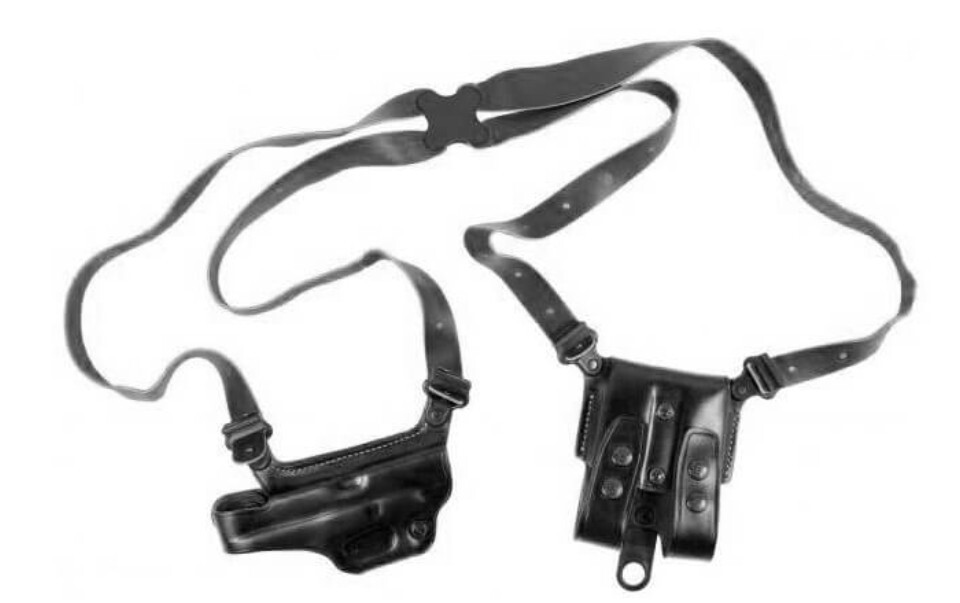
Shoulder holsters give you another way to carry. They keep the gun up high, above your pack’s hip belt. That helps when open carry isn’t allowed or when you want a more low-key option. The biggest deal is the harness. Find one that stays stable under a backpack and doesn’t shift as you hike.
The downside? Shoulder rigs demand careful practice with your draw. You'll need to work through your layers and avoid flagging your arm or hiking partners. Test your setup at home with your full pack before hitting the trail.
OWB on the Waist (Works if Your Pack Allows It)
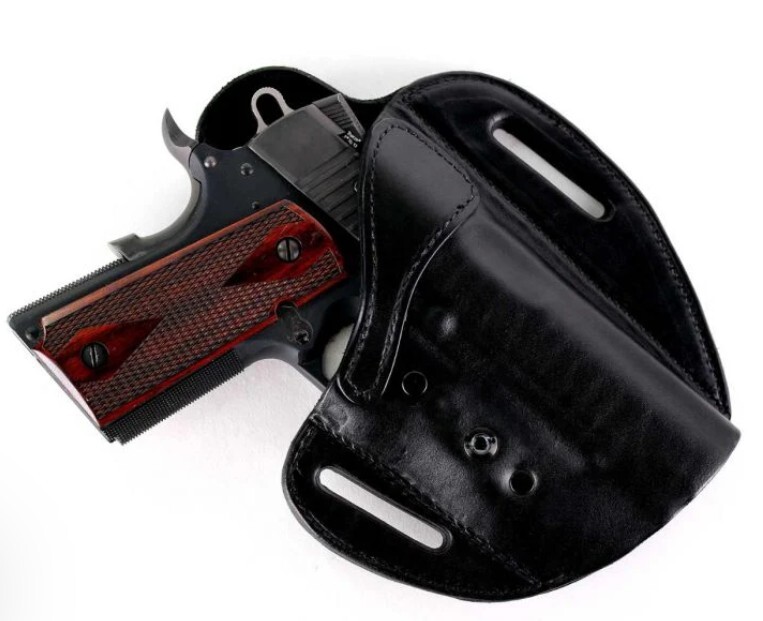
Outside-the-waistband carry gives you fast access and the most natural draw angle for most people. But it only works if your pack's hip belt doesn't crush it or block your grip. Test this by putting on your loaded pack, cinching the belt tight, then trying to draw.
If you go with OWB, pick a holster with adjustable cant and ride height. This lets you find that sweet spot where your pack and gun don't fight each other. Active retention is a must too—you don't want your pistol popping loose during a scramble or fall.
Off-Body Carry (Sling/Fanny Pack Style)
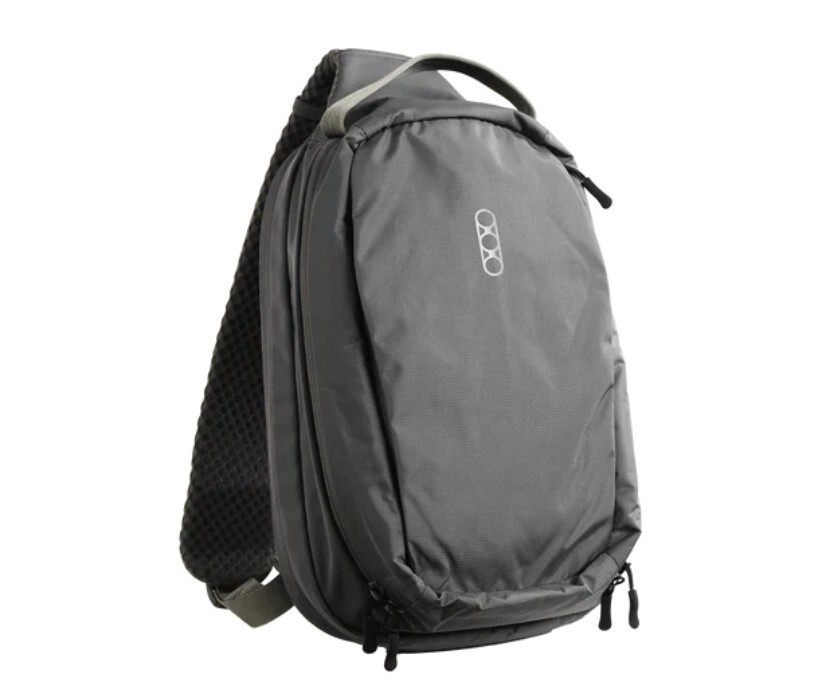
Sometimes a dedicated carry pack makes the most sense, especially for larger handguns. Modern chest packs and "fanny packs" designed for trail carry give you options beyond traditional holsters. The Eberlestock Fade Flex is an example that works as both a chest pack and belt pack.
Safety here is non-negotiable. Any off-body system needs a solid trigger guard and stable mounting inside the pack. Some packs let you attach a proper holster shell inside, which helps keep the trigger covered and the draw consistent.
Example Hiking Handgun Options (Not a Ranked List)
| Handgun | Type | Caliber | Why It Fits Hiking | Carry Method That Often Works |
|---|---|---|---|---|
| Glock 20 (incl. Gen 5 MOS) | Semi-auto | 10mm | Strong balance of capacity and power for wildlife defense | Chest rig or OWB |
| Ruger Blackhawk | Revolver | .357 Mag / 9mm | Simple, accurate single-action option with robust build | Chest rig |
| CZ P-10 C | Semi-auto | 9mm | Lightweight, easy to carry, common and affordable ammo | OWB or chest rig |
| Ruger Super Redhawk Alaskan | Revolver | .480 Ruger | Maximum stopping power from a short barrel | Chest rig |
| S&W Model 60 | Revolver | .357 Mag | Compact stainless wheelgun with proven reliability | OWB or chest rig |
| Glock 30 / 30S | Semi-auto | .45 ACP | Compact big-bore option with manageable recoil | OWB |
| Heritage Rough Rider | Revolver | .22 LR / .22 WMR | Excellent for trail pests; low cost, light recoil | OWB |
| S&W Shield | Semi-auto | 9mm | Slim, light, easy to conceal during long hikes | OWB or discreet carry pack |
| Ruger GP100 | Revolver | .357 Mag / .38 Spl | Extremely durable with recoil-mitigating weight | Chest rig or OWB |
| Taurus Raging Judge Ultralight | Revolver | .410 / .45 Colt | Specialized niche option with large footprint | Chest rig |
The 10 Best Hiking Handguns
1. Glock 20 Gen5 MOS (10mm)

The Glock 20 gives hikers a powerful 10mm option without going full revolver. It's the sweet spot many trail users love.
With 15-round magazines (10mm) and a full-size grip, the Glock 20 is a common semi-auto pick for hikers who want capacity plus penetration-focused ammo. The MOS system lets you add an optic for better distance work without gunsmith help.
The latest Gen5 version brings improved internals and better ergonomics to an already proven design. For many hikers, it's the "just right" balance of power, weight, and capacity for areas with mixed threats.
Price: $629.99 (Typically varies by retailer and configuration.)
Specs
- Caliber: 10mm Auto
- Capacity: 15+1
- Barrel length: 4.61"
- Overall length: 8.07"
- Weight (without mag): 27.51 oz
Features
- MOS optic mounting system
- Large frame helps control heavier loads
- Wide support for carry and accessory setups
Pros
- Strong power-to-capacity balance
- Optics-ready platform
- Popular with good aftermarket support
Cons
- Larger grip/frame may not fit all hands
- Ammo cost and weight
- Needs a solid holster for comfort on long walks
2. CZ P-10 C (9mm)
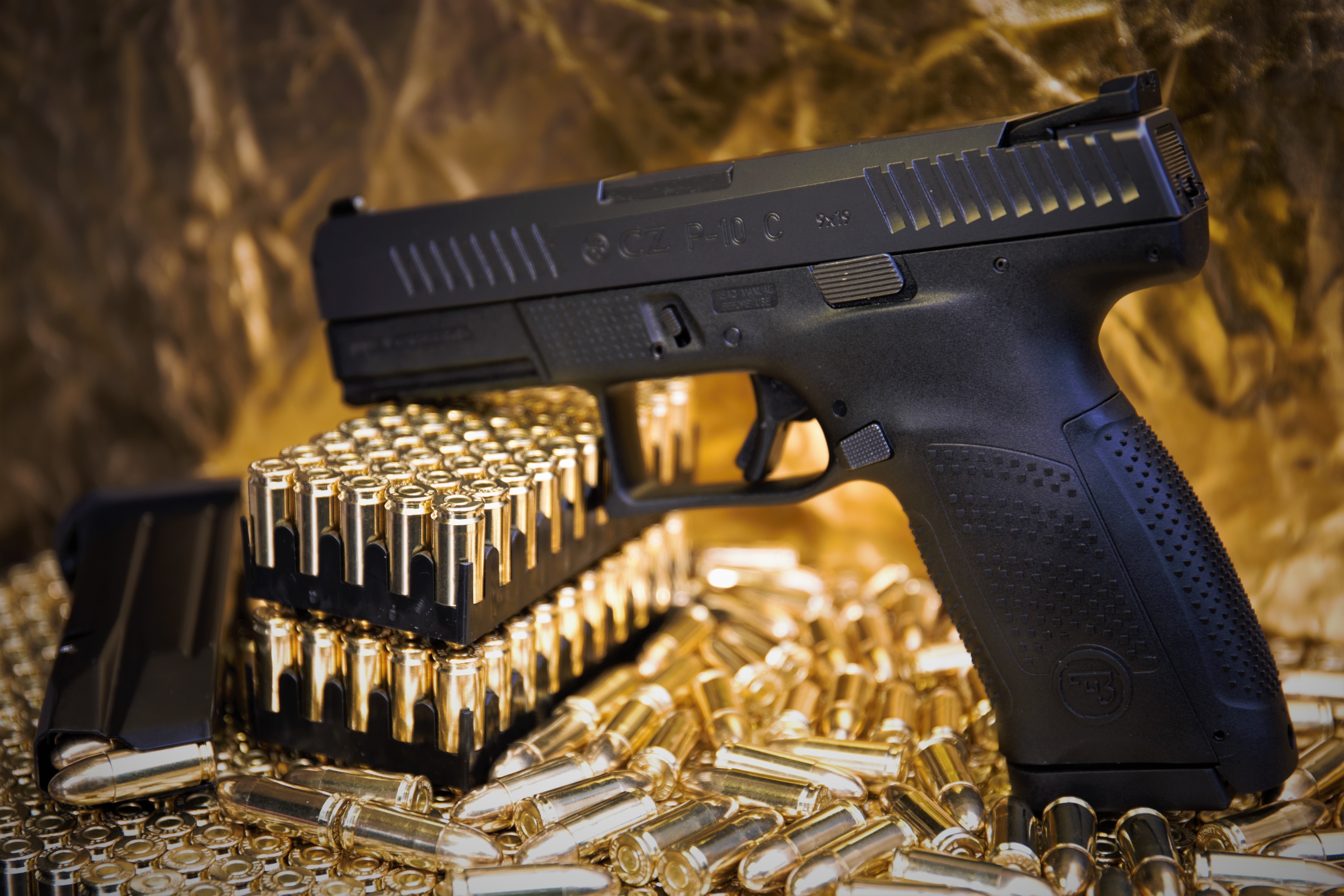
A compact 9mm that carries easily on the trail but still gives you a full grip and solid capacity.
And if you train a lot with 9mm, the P-10 C feels like an easy move to trail carry. The size lands in a nice middle ground. It stays easy to carry all day, yet it still gives you steady control.
The P-10 C’s ergonomics feel good in the hand, and the trigger stands out in its class. Add a good light and modern defensive ammo. Then you have a setup that covers most problems hikers run into outside serious bear country.
Price: $459.99 (Typically varies by retailer and configuration.)
Specs
- Caliber: 9mm
- Capacity: 15+1
- Barrel length: 4"
- Overall length: 7.3"
- Weight: 26.1 oz
Features
- Compact frame for easier carry under light layers
- Striker-fired design
- Wide holster and magazine support
Pros
- Solid capacity for its size
- Manageable carry weight for most hikes
- Straightforward manual of arms
Cons
- 9mm isn't meant for large-animal defense
- Grip texture can feel aggressive for some hands
- Smaller controls may be harder with gloves
3. Ruger Blackhawk Convertible (.357 Mag / 9mm)
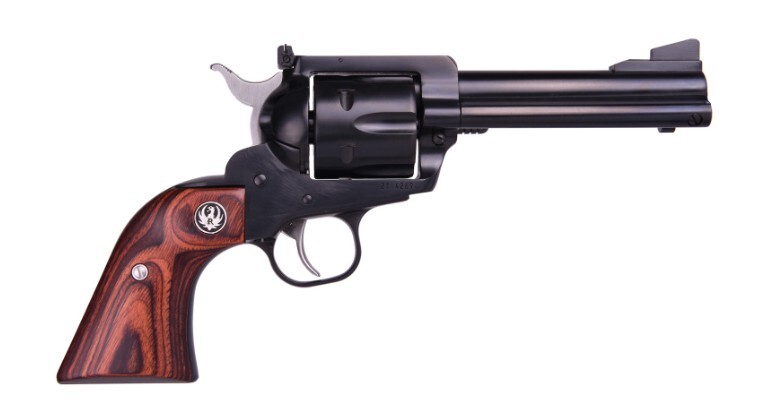
A single-action revolver that lets you train with 9mm and swap to .357 Mag when you want more bite.
The Ruger Blackhawk has a clear edge with its convertible cylinder system. You practice with low-cost 9mm ammo. Then you swap cylinders to .357 Magnum for the trail. Most Convertible models allow a simple cylinder swap at the range, but always follow Ruger’s manual for your exact version.
With its longer barrel and adjustable sights, the Blackhawk can shoot very tight groups for a trail gun. The single-action design also helps. You get a crisp and light trigger pull that makes careful shots easier.
Price: $979.00 (Typically varies by retailer and configuration.)
Specs (varies by model): 6-shot single-action revolver; commonly offered with .357 Magnum/.38 Special plus an additional 9mm cylinder; barrel lengths and weights vary by version.
Features
- Extra 9mm cylinder included
- Adjustable rear sight
- Single-action trigger many people shoot accurately
Pros
- Train with 9mm, carry .357 when needed
- Strong accuracy potential
- Simple, proven layout
Cons
- Slower reloads than semi-autos
- Heavy on the belt for long hikes
- Single-action isn't everyone's preference under stress
4. Smith & Wesson M&P Shield series (9mm)

A slim 9mm built around easy carry—nice when you want a lighter setup that still feels familiar.
The Shield has a strong history on the range and on the belt. It stays slim and easy to carry. At a bit over an inch wide, it rides in a holster without much bulk and it stays comfortable on long hikes.
But it still gives you the basics you need. You get usable sights, decent capacity, and simple controls that are easy to run fast. The original Shield is known for slim carry; Shield Plus variants boost capacity in a similar footprint. For hikers in places where two-legged threats matter most, or where small to medium wildlife is the main risk, the Shield fits the job well.
Price: $429.99 (Typically varies by retailer and configuration.)
Specs
- Caliber: 9mm
- Capacity depends on the exact Shield model (original Shield vs Shield Plus), so verify the version you’re buying.
- Barrel length: 3.1"
- Weight: 20.8 oz
Features
- Slim profile for concealment
- Simple carry-friendly footprint
- Easy to keep tucked away with minimal printing
Pros
- Light and easy to carry for long hours
- Simple to conceal
- Works well for "two-legged threat" planning
Cons
- Lower capacity than double-stacks
- Shorter barrel can feel snappier than bigger pistols
- Short grip can feel tight with gloves
5. Ruger Super Redhawk Alaskan (.480 Ruger)
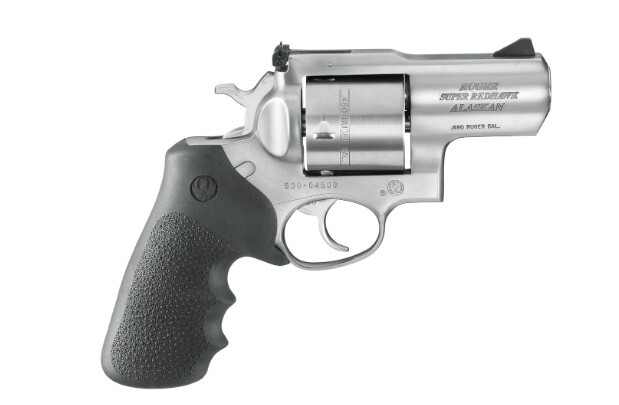
A short and powerful revolver meant for animal defense—more “special tool” than an everyday hiking pistol.
The Super Redhawk Alaskan brings a lot of power in a small package. It uses a 2.5-inch barrel and a heavy frame. That weight helps it handle hard-hitting rounds like the .480 Ruger. If you hike in big bear country, this kind of power can give you a better chance if things go bad.
This is not a great pick for casual day hikes. It is also not ideal for new revolver owners. But if you have time behind big-bore revolvers and you want strong animal defense, the Super Redhawk Alaskan gives you serious punch without a long barrel.
Price: $1499.00 (Typically varies by retailer and configuration.)
Specs
- Caliber: .480 Ruger
- Capacity: 6
- Barrel length: 2.50"
- Overall length: 7.62"
- Weight: 44 oz
Features
- Heavy-duty build for powerful cartridges
- Adjustable rear sight
- Short overall length for a big-bore revolver
Pros
- Serious power option
- Compact length for its power class
- Built for harsh environments
Cons
- Heavy for long hikes
- Recoil takes training time
- Ammo cost and availability planning
6. Smith & Wesson Model 60 (.357 Mag)
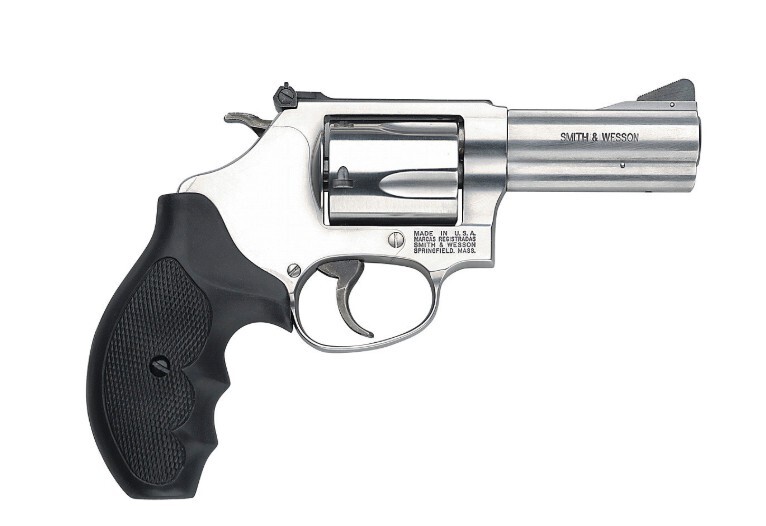
A compact .357 revolver for hikers who want a smaller revolver package—easier to carry than big wheelguns, but it can feel snappy.
The Model 60 gives you .357 Magnum power in a J-frame size. It is stainless steel and built for hard use. You get five shots of solid punch without the bulk of a larger revolver. That makes it a simple choice for hikers who want power but also want less weight.
With its 2.125-inch barrel, the Model 60 carries well in many holsters, from OWB to chest rigs. The exposed hammer lets you use single-action when you want a careful shot. And the double-action pull lets you run fast follow-up shots when you need speed.
Price: $839.00 (Typically varies by retailer and configuration.)
Specs
- Caliber: .357 Magnum
- Capacity: 5
- Barrel length: 2.125"
- Overall length: 6.5625"
- Weight: 22.6 oz
Features
- Stainless construction
- Compact dimensions for trail carry
- Simple revolver operation
Pros
- Compact for a .357
- Easy to carry in many holster styles
- Straightforward maintenance
Cons
- 5-round capacity
- Recoil can feel sharp in a lighter revolver
- Short sight radius needs practice
7. Glock 30S (.45 ACP)

A compact .45 that keeps the package short and easy to carry—useful if you already trust .45 ACP and want a trail-sized pistol.
The Glock 30S mixes parts in a smart way. It uses the slim slide of the Glock 36 and the wider frame of the Glock 30. The result feels easier to pack than many other .45 ACP pistols. Even with its compact size, it still holds 10+1 rounds of a classic defensive cartridge.
If you like .45 ACP more than 9mm, this one fits a nice middle ground. You do not need a full-size pistol on the trail. It carries well all day, and it still hits hard enough for most hiking threats.
Price: $546.00 (Typically varies by retailer and configuration.)
Specs
- Caliber: .45 ACP
- Capacity: 10+1
- Barrel length: 3.78"
- Overall length: 6.97"
- Weight: 26 oz
Features
- Compact frame/slide setup
- Common aftermarket support for carry gear
- Straightforward striker-fired operation
Pros
- .45 ACP in a compact format
- Easy to find holsters and magazines
- Simple controls if you already train on Glock
Cons
- Ammo weight adds up on longer hikes
- Short grip can feel tight with gloves
- Many hikers prefer higher capacity cartridges
8. Heritage Rough Rider (.22 LR/.22 WMR)
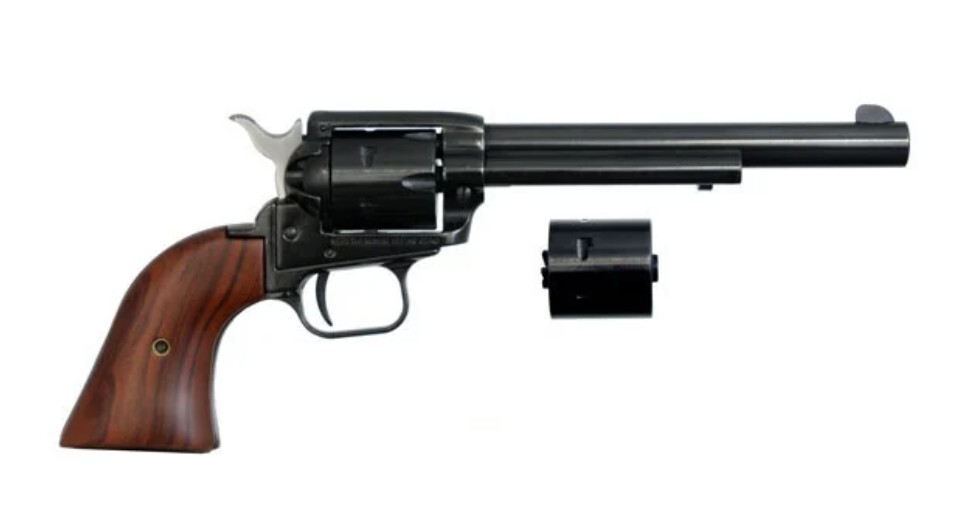
A budget rimfire that’s handy for small pests and snake country, without adding much stress to your belt.
The Rough Rider brings old-west style to the trail for a low price. It’s a single-action .22 revolver that can deal with snakes and small pests without the loud blast and hard kick you get from many centerfire rounds.
And it’s simple to live with. The 4.75-inch barrel gives you solid control on small targets. Some models let you run .22 LR and .22 WMR with a quick cylinder swap, so you can match the load to the job.
Price: $199.99 (Typically varies by retailer and configuration.)
Specs
- Caliber: .22 LR/.22 WMR (convertible)
- Capacity: 9
- Barrel length: 4.75"
- Weight: 30.5 oz
Features
- Simple single-action format
- Low-cost ammo for practice
- Many versions with different finishes and grips
Pros
- Low-cost buy-in and cheap to shoot
- Easy training for new shooters
- Simple trail role for small-animal concerns
Cons
- Not suited for large threats
- Slower reload and follow-up shots
- Budget build and basic sights
9. Ruger GP100 (.357 Mag/.38 Special)

A classic trail revolver choice, built heavy, shoots steady, and takes rough use well.
The Ruger GP100 has a strong name for a reason. It’s built like a tank and it feels steady in your hands. That extra weight helps calm full-power .357 Magnum recoil, and you can also shoot .38 Special for easy practice.
But it’s not just about power. The 4.2-inch barrel gives a good balance for carry and control. Add the adjustable sights and the smooth double-action trigger, and you get a handgun that works for careful shots and quick follow-ups when you need them.
Price: $1089.00 (Typically varies by retailer and configuration.)
Specs
- Caliber: .357 Mag (also shoots .38 Special)
- Capacity: 6
- Barrel length: 4.20"
- Overall length: 9.50"
- Weight: 40 oz
Features
- Strong frame built for hard use
- Adjustable rear sight
- Weight helps steady the gun for deliberate shots
Pros
- Durable and dependable design
- Recoil feels easier to manage than lighter revolvers
- Simple manual of arms
Cons
- Heavy for long miles
- Slower reload than semi-auto
- Bulky compared to compact pistols
10. Taurus Raging Judge (.410/.45 Colt)
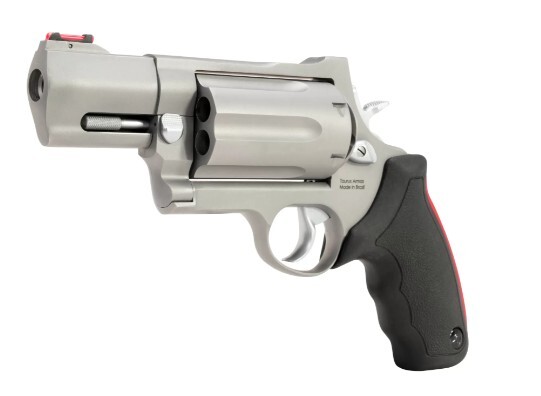
A specialty revolver built around mixed-chamber options. It’s bulky and heavy, so it fits best for hikers who want this exact setup.
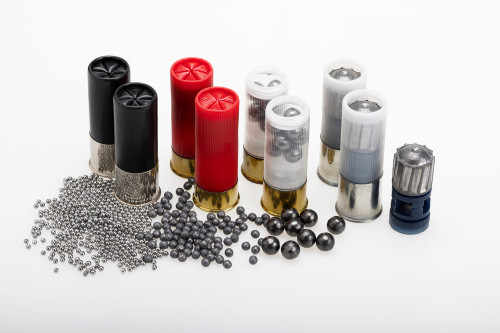
The Taurus Raging Judge Ultralight lets you load .410 shotshells or .45 Colt. That gives you two very different tools in one gun. You can run shotshells for snakes, then switch to solid bullets for larger threats.
But the size matters. Even the lighter variants are still large-frame revolvers, so expect a bulky carry experience compared to compact semi-autos. And if you want the odd but useful mix of a .410 revolver, this one stays near the top of the list.
Price: $1337.99 (Typically varies by retailer and configuration.)
Specs
- Caliber: .410 shotshell / .45 Colt
- Capacity: 6
- Barrel length: 3"
- Overall length: 10.2"
- Weight: 41.4 oz
Features
- Multi-chamber design
- Large-frame grip and heavy build
- Fiber optic front sight
Pros
- Flexible load choices
- Revolver operation is straightforward
- Strong presence as a defensive option
Cons
- Very heavy for hiking
- Hard to conceal
- Requires real training time to run well
How to Choose the Right Hiking Handgun

Step 1 — Match the Gun to Your Hiking Environment
Start by being honest about what you're really likely to encounter. If you hike in rattlesnake country but have never seen a bear, prioritize accordingly. Look at local game reports and talk to rangers about actual animal encounters, not just theoretical ones.
Also consider how far you’ll be from help. A day hike near towns calls for one plan. A week deep in the backcountry calls for another. Your communications plan matters too. If you carry a satellite communicator, your defense needs may change compared to being on your own.
Step 2 — Revolver vs Semi-Auto for Hiking
Revolvers bring simplicity to the trail. No magazines to lose, no feeding issues, and they handle neglect pretty well. Many also let you mix different loads in one cylinder, so you can have snake shot and solid bullets ready to go.
Semi-autos give you more rounds and faster reloads. They also tend to feel easier to run for many people. You’ll often find more holster choices too. And it’s usually simpler to add gear like lights.
Step 3 — Weight, Size, and "All-Day Carry Reality"
Be brutally honest about what you'll actually carry all day, not just what looks cool at the gun shop. That massive revolver might feel great during a five-minute handling, but after hours on the trail? Not so much.
Test your setup with a loaded backpack and full hiking kit. Walk around your house, do a few squats and lunges, and check for rubbing and hot spots. Also check for bounce. The best hiking gun is the one you’ll keep with you when it counts.
Step 4 — Train for Trail Access, Not Flat-Range Comfort
Most range practice happens in ideal conditions. But trail emergencies don't. Practice your draw wearing your actual hiking clothes and pack. Try it with cold or wet hands. Work on re-holstering safely without looking down (in case you need to keep eyes on a threat).
The smooth draw you get at the range can fall apart on a trail. Backpack straps, rain shells, and uneven footing change everything. Make sure your training matches how you hike.
How to Choose the Right Hiking Holster
Non-Negotiables
A good hiking holster has to do more than hold your gun. It also needs to cover the trigger guard fully. That helps stop an accidental discharge when you brush past branches or climb over rocks.
And active retention matters a lot. You want something that physically locks the gun in place. Hiking means you bend, twist, and climb. Sometimes you slip too. Your holster must keep the gun secure through all of that.
Materials matter too. Pick something that won’t soak up sweat. It also should not crack in cold weather. And it can’t fall apart if it gets wet. Last, check the mounting system. It should stay solid even when you move a lot.
Pack Compatibility Checklist
- Hip belt clearance
- Strap interference
- Rain shell layering
- Sitting and scrambling comfort
Always test your holster with your actual hiking pack. Put the pack on, cinch all the straps, then check if your hip belt crushes your holster or blocks access. See if your shoulder straps interfere with your draw.
Try adding and removing layers, especially rain gear. Can you still get to your gun without a struggle? Also test comfort when sitting on rocks or logs, and when scrambling over rough terrain.
How-To: Set Up Your Trail Carry with a Backpack
Steps
- Put on your full pack and tighten the hip belt first.
- Try your holster position and confirm you can draw cleanly.
- Check that the pack belt doesn't press the gun into your body.
- Walk, squat, and climb a step to test bounce and rubbing.
- Confirm retention stays secure during movement.
- Practice a slow, safe re-holster with your hiking layers on.
This quick check takes a few minutes. It can save you hours of pain on the trail. If you spot a problem, adjust your holster position, cant angle, or ride height. Sometimes moving the holster about an inch fixes it.
For chest holsters, make sure the straps don’t fight your pack’s shoulder straps. For OWB, find the spot where your hip belt doesn’t press it into you. And for any setup, keep your safety gear, such as a first aid kit, easy to reach.
Safety and Legality
Legal rules can change fast between public lands, state parks, and national parks. Some places ban firearms. Others allow them only with permits. Some areas have fewer limits. Check the rules before you go.
Also check if open carry is legal where you hike. That choice can change your holster options a lot. Some trails may require concealed carry, which can limit larger handguns.
Storage and Handling Basics on the Move
Always use a proper holster that fully covers the trigger guard. Do not improvise. If you tuck a gun in a waistband or toss it loose in a pack pocket, you raise the risk in a big way.
Plan ahead for stream crossings, rain, and mud. Know how you’ll protect your gun. Also know how you’ll handle it with wet hands. Pack basic maintenance items for longer trips, and learn how to safely clear and check your firearm if it gets dirty.
Final Thoughts
The best hiking handgun isn’t about raw power or fancy features. It’s about what you will carry, reach fast, and shoot well when it counts. Start with an honest look at your actual risks, not internet hype. Then pick a gun and holster setup that fits your pack and hiking style.
Remember, no gun replaces good situational awareness and animal avoidance. Treat your firearm as the last resort, not plan A. And whatever you choose, train with it often, and practice with your hiking gear too.
Stay safe, respect nature and other hikers, and enjoy the calm that comes from being ready without being reckless.
The right combination of handgun, caliber, and holster makes all the difference when you’re hiking remote terrain. Before you head out, take a minute to read our Guide to Pistol Calibers to make sure your setup matches your comfort, recoil tolerance, and carry goals.

Federal Fusion 357 Mag 158gr
$27.29
at Pro Armory
Prices accurate at time of writing
Frequently Asked Questions (FAQ)
What's the best hiking handgun for bears?
For bear defense, many experts prioritize bear spray and avoidance first; if carrying a handgun, common minimum picks often discussed are 10mm or heavy .357 Magnum loads, but shot placement and penetration-focused ammo matter more than caliber labels. . The Glock 20 in 10mm gives good capacity, the Ruger Super Redhawk in .480 Ruger brings more power in a compact package, and the Ruger GP100 in .357 Magnum balances power and weight.
Is 9mm enough for hiking protection?
For most hikers in most areas, yes. Modern 9mm loads can handle small to medium predators. But 9mm is not a strong choice for large bears. Match your caliber to local threats. 9mm can work for coyotes, snakes, and human threats, but choose more power in areas with large bears.
Chest holster vs OWB—what works better with a backpack?
Chest holsters often work better with full backpacks that use hip belts. They keep the gun up high. They also keep it clear of the belt line. OWB can work if you place it right, but the hip belt often pins it down.
Are revolvers better than semi-autos for backcountry carry?
Neither is universally “better.” Revolvers run simple, and they can handle grime well. Semi-autos give more capacity and can feel easier to shoot for many people. Pick the one you shoot well, and match it to your needs.
What's the best lightweight hiking handgun option?
The Smith & Wesson Shield weighs about 20.8 oz, and similar micro-compact 9mm pistols give a good balance of low weight and defense. For even lighter options, small .22 LR pistols can cover low-level threats like snakes, but you give up stopping power.
Can I carry off-body in a chest pack safely?
Yes, if the pack has a dedicated gun compartment with trigger protection. For best results, mount a proper holster inside the pack. It keeps the trigger covered and keeps the gun in a steady position. Never drop a loose gun into a general pocket.
What holster retention level is ideal for hiking terrain?
At minimum, use Level I retention (passive friction) with a reinforced mouth that won't collapse. For more active hiking with scrambling or potential falls, Level II retention (active lock requiring deliberate release) provides extra security.
How do I keep my handgun accessible in rain gear and layers?
Practice your draw with all your typical layers on. For chest holsters, keep them high enough to access above your rain shell's main zipper. For belt holsters, ensure your shell doesn't cover your grip. Some hikers modify rain gear with strategic access zips.
About the Author
The Pro Armory writing team wrote this article using current research and trusted references. We used guidance from official sources, industry groups, and maker manuals, including ATF resources, NRA education materials, and National Shooting Sports Foundation reports.
Disclaimer: This review is for education only. Laws vary by state and city and can change. Follow safe handling at all times. Read your owner's manual. Verify local rules before you buy or train.
Best Ammo Deals, Training, & Accessories
Subscribe to ProArmory sales and deals email.