 Pro Armory Editorial Team
Quick Answer
If you are new to precision shooting, choose a bolt gun that fits you well. Make sure it uses common magazines and holds tight groups. Most beginners start strong with .308 Win or 6.5 Creedmoor. Add a crisp trigger and stock adjustments that match your body. Our top picks go from budget friendly to premium choices. Each one offers a clear path to grow as you get better.
Key Takeaways
- Fit and basics matter more than the price.
- .308 Win and 6.5 Creedmoor are strong choices for learning.
- AICS magazine compatibility keeps upgrades simple later.
- Adjustable cheek height and length of pull improve repeatable shooting fast.
- Choose based on your use case—range practice, hunting, or duty.
- Buy one quality optic first. Add other gear later.
Getting into precision shooting can feel like a lot at first. But the first goal is simple. You need a rifle that feels the same on every shot. You also need a bolt that runs smooth so you can stay steady. When those parts line up, you can track impacts and adjust with less guesswork. So start with fundamentals. Skip add ons that do not help you hit. A rifle that fits turns random misses into patterns you can fix. That is what helps you move from basic marksmanship into precision.
Quick Comparison Table
| Rifle | Best For | Beginner-Friendly Calibers | Typical Street Price (New) | Upgrade Path |
|---|---|---|---|---|
| Tikka T3x TAC A1 | Ready-to-use chassis system | 6.5 Creedmoor, .308 Win | $2,000–$2,350 | Optics, bipod |
| Savage 110 Tactical | Budget accuracy | .308 Win | $650–$850 (varies by package/rail/mag) | Stock or chassis, optics |
| Bergara B-14 HMR | All-around performance | 6.5 Creedmoor, .308 Win | $900–$1,150 typical | Optics, muzzle devices |
| Ruger American Predator | Entry-level affordability | 6.5 Creedmoor, .308 Win | $500–$700 depending on generation and magazine system | Stock, trigger, optics |
| Howa 1500 HCR | Value chassis platform | 6.5 Creedmoor | $1,100–$1,400 | Optics, accessories |
| Uintah Precision UP-10 | AR platform familiarity | 6.5 Creedmoor, .308 Win | $2,425–$2,950 | Additional uppers |
| Barrett MRAD | Premium modularity | 6.5 Creedmoor, .308 Win (to start) | $5,800–$6,500+ | Additional barrels |
How This List Was Built (and what "beginner" means here)
The baseline standard we used
To build this list, we focused on rifles with consistent accuracy. We used around one MOA or better with quality ammo as a guide. We also wanted rifles that handle frequent range use without drama. Availability mattered too. And we looked for models with clear upgrade paths so you can grow without replacing the rifle.
Precision shooting rewards repeatable habits. These rifles do not all look the same. They do not cost the same either. But each one gives you a stable platform for day one.
What we prioritized for new precision shooters
For beginners, we valued smooth and predictable actions most. A crisp bolt run helps you stay on the gun between shots. It also helps you keep your rhythm. That steady feel makes learning faster.
We also valued adjustable stock features that let you customize the fit. Your cheek should rest naturally on the stock with your eye properly aligned to the scope. The length of pull should match your arm length and shooting style.
Magazine availability matters too. AICS-pattern mags are popular because they’re common and easy to source. But not every great rifle uses AICS: some systems (like the TAC A1 and MRAD) use proprietary magazines. That’s not automatically “bad”, it just affects cost and availability.
The tradeoffs we didn't hide
Every precision rifle comes with tradeoffs. Heavier rifles can feel more stable when you shoot. But they are harder to carry for long hours. Highly modular systems let you adjust the rifle many ways. But too many choices can confuse new buyers. Budget friendly rifles can be a smart start. But you may need upgrades sooner.
We have stated these trade offs up front. That helps you choose based on what matters to you.
Precision Rifle vs Sniper Rifle (what people mix up)
The simple rule
Here is a direct way to frame it. Every sniper rifle is a precision rifle. But plenty of precision rifles do not qualify as sniper rifles.
A “precision rifle” is about accuracy and a setup that helps you learn fundamentals (position, recoil management, wind calls, data tracking).
A “sniper rifle” is a mission-configured precision rifle selected and set up for professional field requirements (reliability, durability, and logistics). Most beginners should start with a precision rifle setup and build skills before worrying about mission-specific configuration.
What pushes a rifle into "sniper" territory
A true sniper rifle must keep working in harsh places. Rain, dust, heat, and cold can all show up. The rifle must still run when it gets dirty. It must also handle barriers like glass or light cover without giving up accuracy.
The configuration also matters. Sniper rifles typically avoid shiny parts, illuminated accessories, or anything else that might give away position.
Where beginners fit into this
Most new shooters gain more by learning precision basics first. Then they can change the rifle setup for a mission later. Start with accuracy. Then adjust your gear to match your goals.
Caliber for Beginners (pick the round that helps you learn faster)
The beginner-friendly choices most people stick with
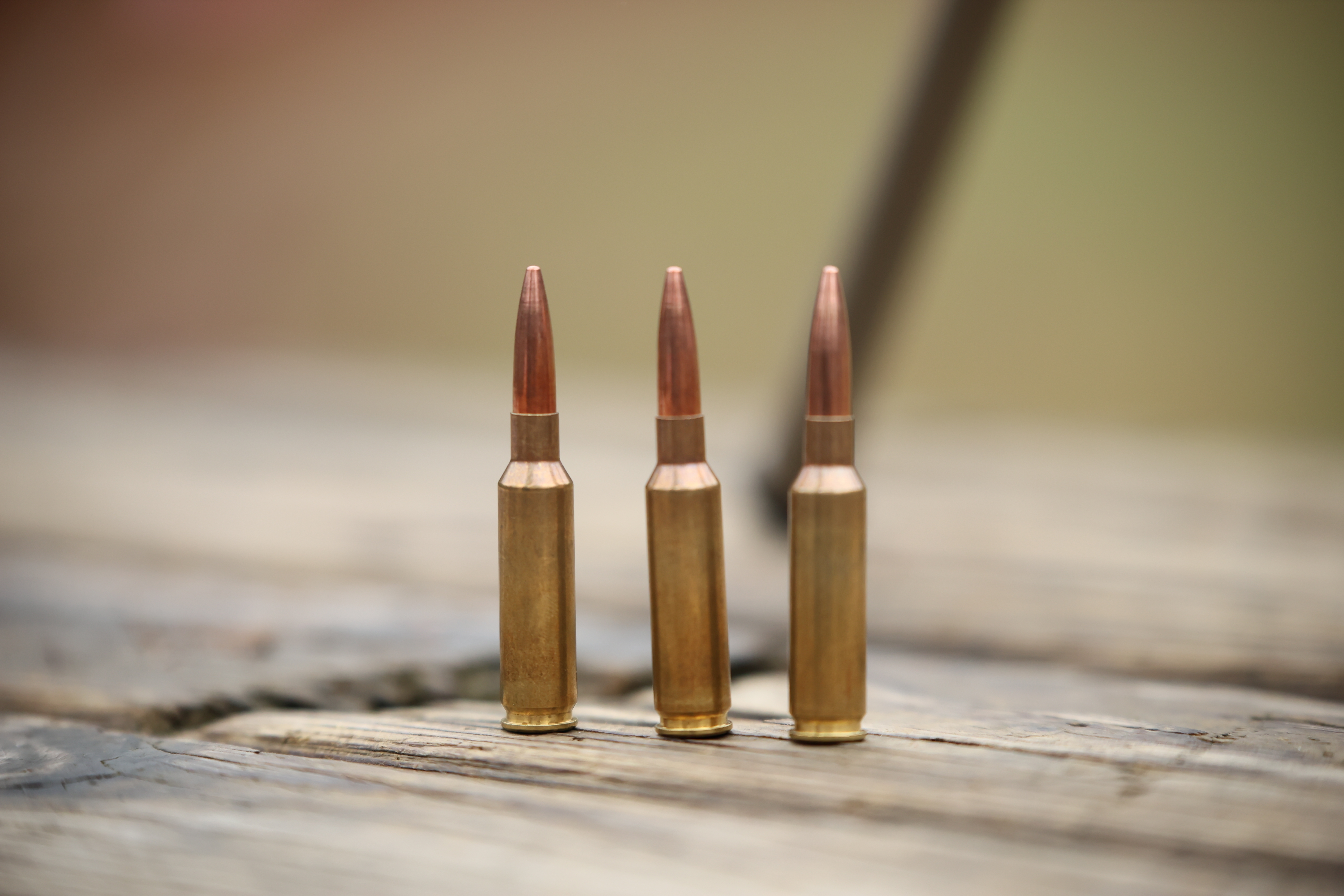
Two calibers stand out for new precision shooters:
- 6.5 Creedmoor has a flatter trajectory and less recoil. That makes it easier to stay steady and track your shot. It also has strong long range potential. Many people pick it because it keeps learning simple and still delivers results.
- .308 Winchester is a classic training choice. Ammo is widely available in many areas. It also teaches you wind reading in a clear way. The recoil stays manageable, but you still feel it. That helps you build good control early.
When magnums make sense (and when they don't)
Magnum calibers like .300 Win Mag or .338 Lapua deliver more energy. But they also bring bigger recoil. That recoil can break your position and slow your progress. It can also make spotting impacts harder. On top of that, ammo costs more. That can cut your practice time.
Magnums make sense when you need extra range for a specific purpose. For most beginners, they add weight to the learning curve. You end up fighting the rifle instead of learning the skill.
A practical way to choose
Ask yourself these questions:
- Will you shoot only paper and steel, or do you need to defeat barriers?
- How important is ammo availability in your area?
- Can you manage recoil and still spot your impacts?
For most new shooters, 6.5 Creedmoor or .308 Win is the best starting point. You get solid performance. You keep costs reasonable. And you build skill faster.
Beginner Setup Checklist (before you chase upgrades)
Fit comes first
A rifle that fits properly helps you build consistent position and technique. Focus on:
- Cheek weld—your cheek should rest naturally on the stock with your eye aligned to the scope.
- Length of pull—the distance from trigger to buttpad should match your body size and shooting style.
Features that actually help early progress
Look for these practical features that improve your shooting experience:
- Adjustable cheekpiece and length of pull let you customize fit without tools.
- A stable bedding system or mini-chassis creates solid contact between action and stock.
- A threaded muzzle gives options for adding a muzzle brake or suppressor later.
- Plenty of rail space ensures you can mount your optic properly.
The "don't overbuild" warning
Many new shooters rush to add accessories before mastering fundamentals. Skip that trap. Buy your rifle, mount one quality optic, get good ammo, and focus on technique.
A skilled shooter with basic gear will outshoot a novice with all the fancy add-ons every time.
The 7 Best Sniper & Precision Rifles for Beginners (ranked by role)
Tikka T3x TAC A1 (Best out-of-the-box chassis rifle)
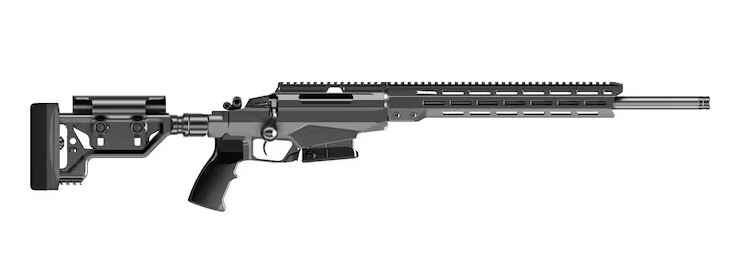
The Tikka T3x TAC A1 arrives ready for serious precision work straight from the box. It combines the famously smooth Tikka action with a fully-featured chassis system. The action cycles with a buttery feel that helps new shooters maintain position between shots.
The stock system offers extensive adjustment options without tools. You can dial in cheek height, length of pull, and recoil pad position to match your body perfectly. This level of customization helps beginners find a consistent, repeatable position—the foundation of precision shooting.
What sets the TAC A1 apart is its completeness. Many rifles at this price point still need immediate upgrades, but the Tikka comes equipped with all the features a beginner needs to start training effectively. The 10-round magazine capacity offers plenty of shooting between reloads.
Price: $2,000–$2,350 depending on caliber and sales
Specs
- Bolt-action
- Calibers: .223 Rem, .260 Rem, 6.5 Creedmoor, .308 Win
- Barrel length: 16"-23.6" (depending on model)
- Overall length: 36.5"-43.9"
- Weight: 9.5-10.6 lbs
- Magazine: Proprietary Tikka TAC A1 pattern (10-round)
- Capacity: 10 rounds
Features
- Highly adjustable aluminum chassis
- Folding stock for easier transport
- Two-stage adjustable trigger
- Cold hammer-forged barrel
- Compatible with AR-15 grips and stocks
- QD sling attachment points
Pros
- Exceptionally smooth action
- Tool-free adjustments for perfect fit
- Excellent factory trigger
- Consistent sub-MOA accuracy potential
- Ready to use right away without upgrades
Cons
- Higher price point for beginners
- Proprietary magazines (though high quality)
- Heavier than traditional hunting rifles
Savage 110 Tactical (.308 Win)
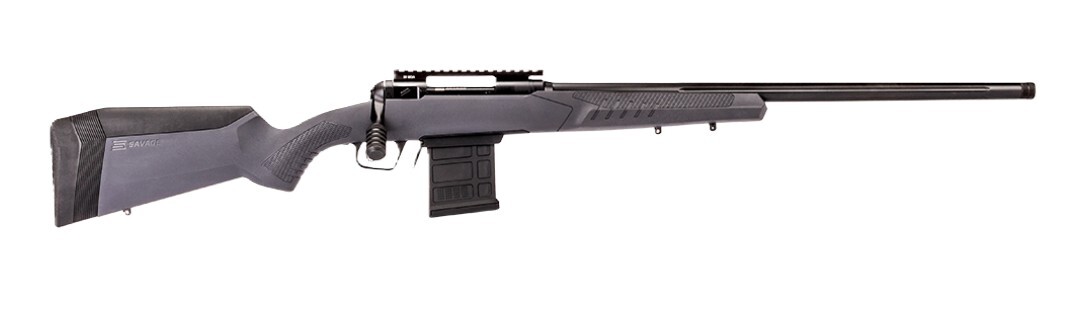
The Savage 110 Tactical gives you a budget friendly start in precision shooting. You get useful features right away. The action may feel less smooth than premium rifles. But the rifle still performs where it matters. It helps you stay on target.
The value comes from the included parts. It feeds from AICS pattern magazines. It also has a user adjustable AccuTrigger. And it ships with a 20 MOA rail already installed. Many budget rifles need these upgrades early. This one saves you that step.
The stock gives you adjustable length of pull and comb height. That makes it easier to set up fit. It also helps you build steady habits from the start. The heavy barrel profile handles heat better in longer sessions. It also adds weight where you want it for stability.
Price: approx $703 retail
Specs
- Bolt-action
- Caliber: .308 Win
- Barrel length: 20"
- Overall length: 43"
- Weight: 7.38 lbs
- Magazine type: AICS detachable
- Capacity: 10 rounds
Features
- User-adjustable AccuTrigger
- AccuFit-adjustable stock system (LOP/comb fit adjustment)
- Threaded heavy barrel (5/8-24)
- 20 MOA Picatinny rail
- Oversized tactical bolt handle
- Adjustable length-of-pull and comb height
Pros
- Excellent value for money
- AICS magazine compatibility
- User-adjustable trigger
- Ready for optics and muzzle devices
- Proven accuracy potential
Cons
- Action not as refined as premium rifles
- Stock may need upgrading for serious competition
- Heavier trigger pull than some competitors
Bergara B-14 HMR (Best "first serious" precision bolt gun)
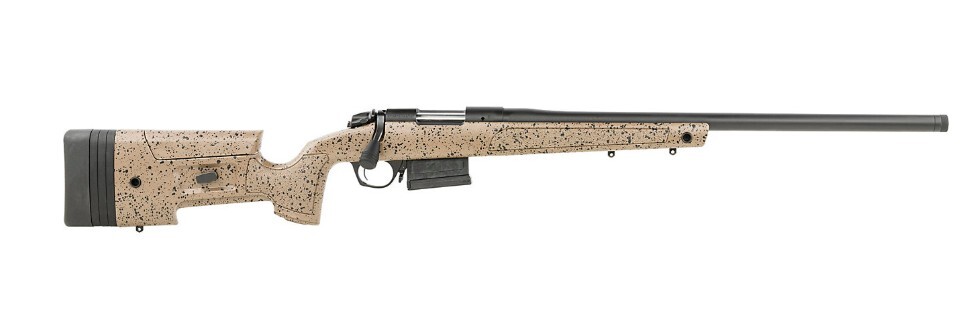
The Bergara B-14 HMR [Hunting and Match Rifle] fits beginners who want a serious bolt gun without a huge cost jump. The action feels smoother than many rifles near its price. That smoother feel makes cycling more consistent. And consistency matters when you work for tight groups.
The rifle uses the Remington 700 footprint. That gives you wide aftermarket support. The molded stock includes an integrated mini chassis. It creates a solid base for the action. It also helps keep your results steady from shot to shot.
The B-14 HMR also blends hunting and target features well. You can carry it without feeling weighed down. But it still stays steady on target. The stock adjustments let you tune fit for both tasks. If you want one rifle to cover hunting trips and range work, this one makes sense.
Price: $900–$1,150 depending on caliber and finish
Specs
- Bolt-action
- Calibers: Commonly offered in .308 Win and 6.5 Creedmoor, with other chamberings depending on variant/year
- Barrel length: 20"-26" (depending on caliber)
- Overall length: 40"-47.5"
- Weight: 9.5-9.9 lbs
- Magazine type: AICS detachable
- Capacity: 3-5 rounds (depending on caliber)
Features
- Integrated mini-chassis system
- Molded synthetic stock with adjustable cheek piece
- Adjustable length-of-pull via spacers
- Threaded barrel with thread protector
- Remington 700 footprint compatibility
Pros
- Smooth, reliable action
- Excellent factory trigger
- AICS magazine compatibility
- Good barrel quality from factory
- Wide caliber selection
Cons
- Limited modularity compared to full chassis rifles
- Stock adjustments require tools (vs. toolless on some competitors)
- Slightly heavier than traditional hunting rifles
Ruger American Rifle Predator (Best affordable modern starter)
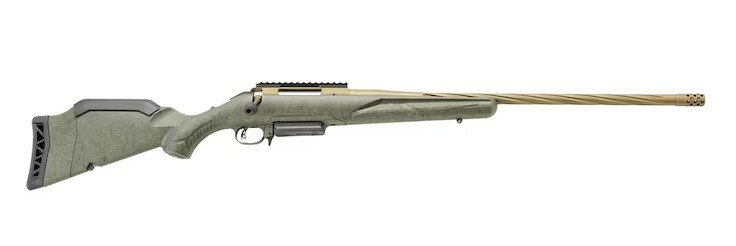
The Ruger American Predator gives you modern features at an easier price. It keeps things simple. That helps you learn precision basics without extras. You can focus on form and follow through. That is the point at the start.
Its factory accuracy is a big reason people notice it. The barrel and bedding system are designed for consistent real-world accuracy, and many shooters report strong groups with quality ammo. Many report sub MOA groups with quality ammunition. The threaded muzzle comes standard. That lets you add muzzle devices later without extra work.
The rifle also feels easy to run. The stock is comfortable for longer range sessions. The trigger breaks cleanly. Some models accept AI style magazines. That gives you more magazine options and smoother reload practice.
Price: $500–$700 depending on generation, caliber, and magazine version
Specs
- Bolt-action
- Calibers: Multiple options including 6.5 Creedmoor, .308 Win, .223 Rem
- Barrel length: 22" (typical)
- Weight: 6.5 lbs (typical)
- Magazine: Rotary (standard) or AI-style (select models)
- Capacity: 3-10 rounds (depending on model)
Features
- One-piece, three-lug bolt with 70° throw
- Adjustable Ruger Marksman trigger
- Threaded barrel (5/8-24 typical)
- Power Bedding® integral bedding block system
- Soft rubber buttpad
Pros
- Budget-friendly price point
- Threaded barrel standard
- Good factory accuracy potential
- Lightweight for field use
- Modern features at entry-level price
Cons
- Stock less adjustable than chassis systems
- Limited aftermarket compared to some platforms
- Magazine system varies by model (check specs)
- Basic bolt handle (potential upgrade point)
Howa 1500 HCR (Howa Chassis Rifle) (Best chassis-style training platform for many beginners)
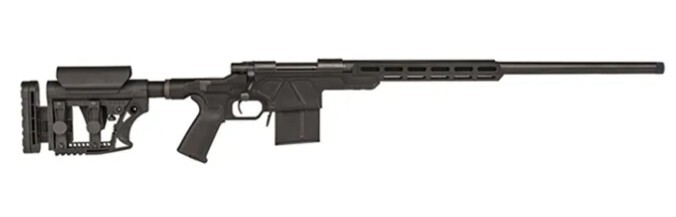
The Howa 1500 HCR combines the Howa 1500 action with a chassis system. That chassis adds stability and adjustability. This helps you set up the rifle to your body. It also helps you build better fundamentals with less fighting the fit.
The HCR stands out because it offers strong features at a fair cost. The chassis gives modern ergonomics and many adjustment points. The rifle still stays priced below many competitors. The action cycles smoothly. And it feeds from AICS pattern magazines.
The heavy contour barrel helps handle heat in long sessions. It also adds stability for steady shot placement. Many versions come with a sub MOA accuracy guarantee. That gives you a clear baseline as you train and improve.
Price: $1,100–$1,400 (varies by package)
Specs
- Bolt-action (Howa 1500 action)
- Calibers: Multiple options including 6.5 Creedmoor and .308 Win
- Barrel length: 24" heavy contour (common configuration)
- Magazine: AICS compatible
- Action: Push-feed with M16-style extractor
Features
- Aluminum chassis with adjustable length-of-pull and comb height
- Two-stage HACT trigger (approx 3 lbs pull weight)
- Free-floated, threaded barrel
- AICS magazine compatibility
- M-LOK slots for accessories
Pros
- Solid value for a chassis rifle
- Sub-MOA accuracy potential
- Smooth Howa 1500 action
- Good trigger from factory
- Stable platform for learning fundamentals
Cons
- Heavier than traditional hunting rifles
- Chassis not as refined as premium options
- Limited aftermarket compared to Remington 700 pattern
Uintah Precision UP-10 Complete Rifle (Most modular for AR-pattern shooters)
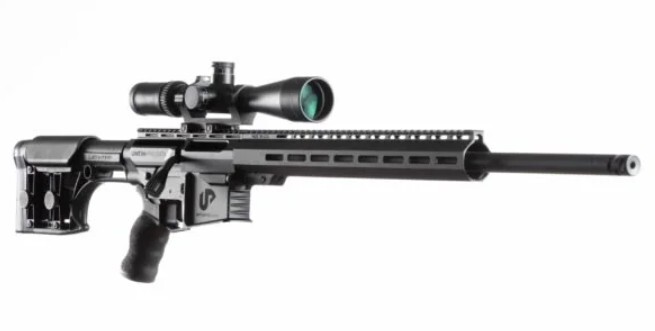
The Uintah Precision UP-10 gives you an AR feel with a bolt action system. It is built around an AR-10 lower receiver. So the ergonomics feel familiar if you already use the AR platform. Then the bolt action upper gives you a different advantage. It slows the pace and helps you focus on accuracy.
The rifle stands out for modularity. The upper receiver holds the bolt action system. It mates with standard AR-10 and SR-25 pattern lowers. This lets you swap between a semi-auto upper and a bolt action upper without rebuilding your whole setup. You keep your grip. You keep your trigger. You keep your stock. That consistency can save you time and reduce learning frustration.
If you are a beginner who knows AR controls, the UP-10 can feel more approachable. The magazines are AR-10 compatible. The controls stay in familiar places. The change you notice most is the bolt handle position. It sits forward of the trigger guard rather than above the grip. It feels different at first, then it becomes routine.
Price: $2,425–$2,950 (manufacturer pricing; varies by configuration)
Specs
- Bolt-action upper on AR-10 platform
- Calibers: 22 Creedmoor, 25 Creedmoor, 6 GT, 6mm Creedmoor, 6.5 Creedmoor, .308 Win, 8.6 BLK
- Barrel length: 13"-26" options
- Weight: 8-9.75 lbs (varies by configuration)
- Magazine: AR-10/SR-25 pattern
- Capacity: 10-25 rounds
Features
- Compatible with AR-10/LR308 lowers
- Quick-change barrel system
- Works with most AR-15 furniture
- Picatinny rail for optics
- No buffer/spring required (but can remain installed)
Pros
- Familiar ergonomics for AR users
- Uses common AR-10 magazines
- Multiple caliber options
- Compatible with vast AR accessory market
- Can use existing AR lower receiver
Cons
- Non-traditional bolt handle location
- Not all aftermarket triggers compatible
- Higher price point for beginners
- Different manual of arms than traditional bolt guns
Barrett MRAD (Best duty-grade modular system to grow into)

The Barrett MRAD, known as the Multi-Role Adaptive Design, is a premium precision rifle platform. It is duty-grade and built for demanding use. It also gives you strong modularity. You can switch calibers by changing barrels, bolt heads, and magazines. You can do it quickly. You do not need tools.
The MRAD stands apart because of its build quality and careful details. The design supports hard use in harsh places. The folding stock also adds flexibility. It gives you many adjustment points so you can set the rifle up to fit your body. That makes it easier to hold a steady position behind the rifle.
For beginners, the MRAD is a long term commitment. You can start with a manageable caliber like 6.5 Creedmoor or .308 Winchester. As your skills build, you can add barrels in stronger cartridges. It is built to grow with you from novice to advanced use.
Price: $5,800–$6,500+ depending on package and caliber (example in-stock ~$6,014)
Specs
- Bolt-action
- Calibers: 6.5 Creedmoor, .308 Win, .300 Norma Mag, .300 PRC, .300 Win Mag, .338 Lapua Mag, .338 Norma Mag
- Barrel length: 17"-26" (caliber dependent)
- Overall length: 40.4"-49.4"
- Weight: 11.9-14.5 lbs
- Magazine: Barrett MRAD
- Capacity: 10 rounds
Features
- Quick-change barrel system (no tools required)
- Folding stock with adjustable length-of-pull and cheek height
- Full-length top rail and M-LOK slots
- Tool-less disassembly
- Ambidextrous magazine release and safety
- Match-grade trigger
Pros
- Exceptional build quality
- Multiple caliber capability with quick barrel changes
- Fully adjustable ergonomics
- Proven military/law enforcement service record
- Accurate across all offered calibers
Cons
- Expensive entry point
- Heavy (especially in magnum configurations)
- Proprietary magazines
- May be more rifle than beginners need initially
How to Choose the Right One (fast decision guide)
If you want the easiest "first precision rifle"
The Bergara B-14 HMR strikes the perfect balance of quality, features, and price. It's ready to shoot out of the box but accepts upgrades as you progress.
If budget is tight but you still want real accuracy
The Savage 110 Tactical delivers surprising performance for the money. Its AccuTrigger and barrel quality provide a solid foundation for precision shooting.
The Ruger American Predator costs even less but still offers the core features needed to learn fundamentals.
If you want chassis ergonomics now
The Tikka T3x TAC A1 gives you premium chassis features with a silky-smooth action. It's ready for serious precision work right away.
The Howa 1500 HCR offers similar adjustability at a more accessible price point.
If you already own an AR-10 lower and want a bolt path
The Uintah Precision UP-10 upper receiver converts your existing platform to a precision bolt gun while maintaining familiar ergonomics.
If you're buying for a duty-style modular platform
The Barrett MRAD stands alone in its class. It's an investment that will serve you through beginner stages and well into advanced precision shooting.
Beginner How-To: Setting Up Your First Precision Rifle
- Set your basic fit first. Adjust length of pull so your firing hand sits naturally on the grip and trigger. Set cheek height so your eye aligns with the scope without straining.
- Torque everything properly. Follow manufacturer specs for action screws and optic mounts. Inconsistent torque leads to inconsistent accuracy.
- Start at 100 yards (or 50 if your range requires it). Confirm zero with consistent ammo before attempting longer ranges. Shoot slow, 3-5 shot groups.
- Log everything. Keep notes on ammo performance, weather conditions, and group sizes. This data becomes invaluable as you progress.
- Add accessories thoughtfully. A good bipod and rear bag come first. Add other items only when you understand how they'll improve your shooting.
Final Thoughts
Choosing your first precision rifle can feel overwhelming. But you can narrow it down fast. Look for a good fit. Look for good accuracy potential. Then look for a setup that gives you room to improve.
The Bergara B-14 HMR is a strong value for many beginners. The Savage 110 Tactical is easier on your budget. If you want chassis ergonomics from the beginning, the Tikka T3x TAC A1 is an excellent choice.
Skill matters more than gear. A good rifle helps, but practice matters more. Solid technique and good ammunition also shape your results. Put in the time and you will see the difference.
Ready to take the next step? Check out our companion guide on "Best Entry-Level Precision Rifle Scopes" to complete your setup.
The best precision rifle for a beginner is one that supports consistent practice and skill growth. Once you’ve selected your platform, take the next step by reading Long Range Shooting for Beginners to develop the fundamentals that unlock true accuracy.

Hornady Precision Hunter 6.5 Creedmoor 143gr Eld-X
$44.52
at Pro Armory
Prices accurate at time of writing
Frequently Asked Questions (FAQ)
What's the best caliber for beginner long-range shooting?
For most beginners, 6.5 Creedmoor offers the best balance of performance, recoil, and ammo availability. If you prefer a more traditional option, .308 Winchester remains excellent for learning fundamentals.
Is .308 still worth starting with today?
Yes. Despite newer options, .308 Winchester teaches good fundamentals and wind reading. Ammo is widely available and typically costs less than newer cartridges. It remains relevant out to 1,000 yards in capable hands.
Do beginners need a chassis rifle?
No, but chassis systems offer easier adjustment for proper fit. Traditional stocks work fine if they fit you well. Many successful precision shooters use conventional stocks with minor modifications.
How accurate should a beginner rifle be?
Look for a rifle capable of 1 MOA (1" groups at 100 yards) or better with quality ammunition. This level of accuracy provides enough feedback on your technique without masking shooting errors.
How much should a first optic cost compared to the rifle?
Plan to spend 50-100% of your rifle's cost on the optic. A $1,000 rifle deserves a $500-1,000 scope. Quality glass helps you see targets clearly and make precise adjustments.
Can a "precision rifle" be used in a sniper role?
Yes, with appropriate setup modifications. Military and law enforcement snipers often use the same basic rifle platforms as competitive shooters, but with different accessories and configurations for their specific needs.
About the Author
This article was written by the Pro Armory writing team based on current research, including studies from reputable sources like the Journal of Military Science, Firearms News, and the National Shooting Sports Foundation. We also referenced trusted information from official defense publications and respected firearm authorities such as the ATF, NRA, and manufacturer manuals.
Disclaimer: This review is for education only. Laws vary by state and city and can change. Follow safe handling at all times. Read your owner's manual. Verify local rules before you buy or train.
Best Ammo Deals, Training, & Accessories
Subscribe to ProArmory sales and deals email.