 Pro Armory Editorial Team
Quick Answer
The 6mm GT is a precision rifle cartridge designed to balance smooth magazine feeding, high accuracy, efficient powder use, and manageable recoil. Its case geometry, forgiving load development, and strong match performance have made it a standout choice in the PRS world.
Key Takeaways
- The 6mm GT was built to improve feeding and consistency in PRS rifles.
- It blends efficiency, accuracy, and manageable recoil in one cartridge.
- Many regard it as a middle ground between 6BR and 6mm Creedmoor.
- Its case design supports smooth magazine feeding and stable performance.
- Reloaders value its powder efficiency, long brass life, and forgiving load development.
- PRS competitors often favor it because its recoil profile makes it easier to spot impacts and stay consistent.
New cartridges come out all the time. Some show up with big claims, grab attention for a season, and then quietly disappear. But every once in a while, a cartridge earns real respect — not through marketing, but through actual match results. The 6mm GT is one of those rounds. It moved from a quiet experiment to a trusted staple at serious PRS events in a remarkably short time. This guide breaks down exactly what it is, how it works, and why so many precision rifle competitors have moved to it.
What Is the 6mm GT?
The 6mm GT is a modern precision rifle cartridge built for competitive shooting. It was designed to deliver strong accuracy, efficient powder use, and smooth feeding from common magazine systems. Picture a line with the compact 6BR on one end and the larger 6mm Creedmoor on the other — the 6mm GT sits right in the middle. That balanced position is the whole point. It doesn't try to outrun the Creedmoor or out-shrink the BR. It takes the best from both and addresses the weaknesses that frustrated PRS competitors for years.
What Does "GT" Stand For?
GT comes from the initials of its two creators: George Gardner of GA Precision and Tom Jacobs of Vapor Trail Bullets. The cartridge came out of genuine competitive experience rather than a lab exercise. Both brought deep backgrounds in precision rifle competition to the project, and the 6mm GT reflects exactly that kind of practical, problem-driven thinking.
Where Did the 6mm GT Come From?
The origin of the 6mm GT comes down to a simple, shared frustration: feeding problems. Gardner and Jacobs had both grown tired of how 6BR-based cartridges behaved under magazine pressure during competition. At a PRS event, stages move fast and there's no margin for error. A round that doesn't chamber cleanly can burn through precious seconds — and in a sport where every second counts, that's a real problem.
The 6BR Dasher, one of the most popular options at the time, ran a 40-degree shoulder angle. That steep geometry contributed to feeding issues that competitors had to manage constantly. Most PRS setups at the time ran 30-degree shoulders. Prior design work and testing in the precision shooting community showed that moderate shoulder angles improved feeding compared to steeper designs. Gardner and Jacobs settled at 35 degrees — a midpoint that improved feeding without sacrificing the cartridge's other strengths.
They ran the 6mm GT at PRS events for an entire year before disclosing what they were actually shooting. When the cartridge was finally revealed in 2019, other competitors quickly understood why it had been performing so well.
6mm GT Specs and Cartridge Design
Shoulder Angle and Feeding
The 35-degree shoulder is one of the 6mm GT's most important design features. A steeper angle — like the Dasher's 40 degrees — can contribute to feeding challenges in some magazine setups. The 6mm GT's geometry helps each round move from the magazine into the chamber smoothly and without drama. Under match pressure, that kind of predictable behavior is worth a great deal.
Case Length and Overall Geometry
The 6mm GT case is slightly longer overall than the Dasher, with changes to the body and neck dimensions that support improved feeding and bullet seating. That total comes from two specific adjustments: the base-to-shoulder junction is .100 inches longer, and the neck adds another .050 inches. Together, these dimensions improve feeding behavior and create room for longer, heavier match bullets. The cartridge also uses a standard .473 bolt face, so it fits short-action platforms that many precision competitors already own and run.
Powder Efficiency
Varget was the primary powder the 6mm GT was designed around. Varget is stable, accurate, and familiar to most handloaders. The 6mm GT only needs 34 to 35 grains to reach competitive velocities. That's a modest charge for what it delivers. The efficiency pays off in consistent performance, lower recoil, and longer barrel service life. Hodgdon H4350 is occasionally used, though most 6mm GT loads are centered around faster powders like Varget-class options.
6mm GT Ballistics: Velocity, Recoil, and Downrange Performance
Typical 6mm GT Velocity Range
The 6mm GT typically pushes 105- to 115-grain match bullets into the high-2,800 to low-3,000 fps range. In practical competition use, most loads land between 2,850 and 2,975 fps with 33 to 34.5 grains of powder. That's genuinely fast for the charge weight involved. It puts the cartridge in strong company for long-range work without demanding heavy powder charges or punishing the barrel early.
Recoil Control and Shot Observation
Low recoil in PRS competition offers both comfort and a clear performance advantage. A cartridge that fires softly lets the person behind the rifle stay in their optic and actually see where the round lands. Corrections happen faster. Adjustments land with more purpose. The 6mm GT delivers that feedback loop across long, demanding stages, and competitors consistently mention this as one of the biggest practical reasons they prefer it.
Consistency at Distance
Velocity consistency matters as much as speed at long range. A cartridge that swings 50 fps between shots tells a very different story at 800 yards than one that stays within 10. The 6mm GT is known for tight velocity spreads — and that predictability turns into repeatable trajectories downrange. In precision rifle competition, a trajectory you can count on is worth more than peak velocity you can't predict.
Why 6mm GT Accuracy Stands Out
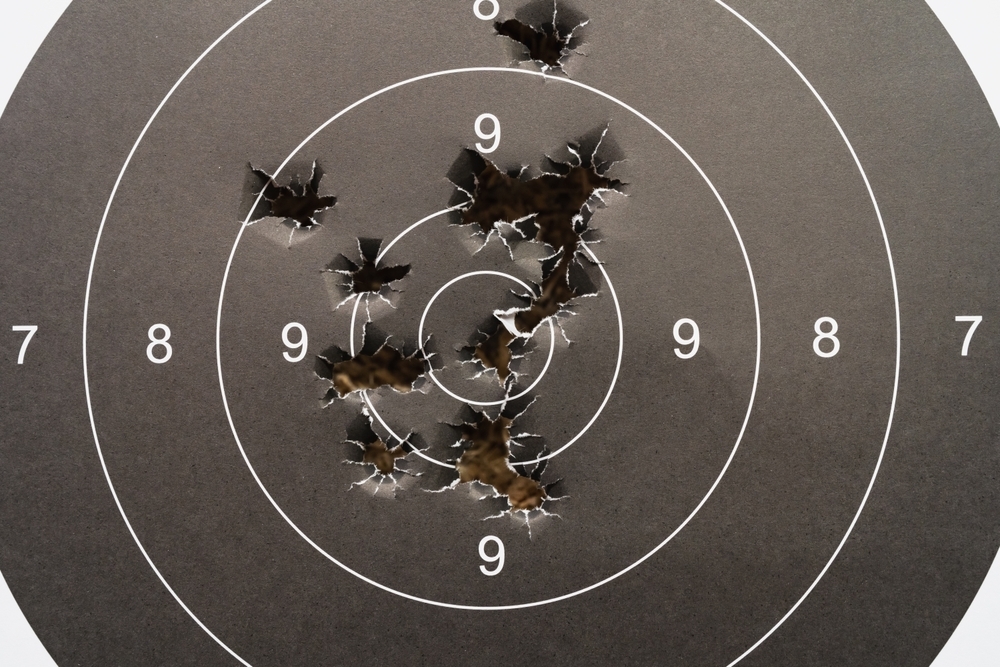
The 6mm GT has earned a strong reputation for real-world accuracy. Its design pairs naturally with tight twist rates and longer, high-BC match bullets. Load development is known for being forgiving, so reloaders can reach excellent results without chasing a narrow load window. Reports from competitive use often describe sub-half-MOA potential in well-built rifles with tuned loads. That level of precision has been demonstrated from short range out to extended distances in competition and field use
6mm GT vs 6mm Creedmoor vs 6BR
The 6mm GT is best understood alongside the two cartridges it is most often compared against.
6mm GT vs 6mm Creedmoor vs 6BR at a Glance
| Factor | 6mm GT | 6mm Creedmoor | 6BR |
|---|---|---|---|
| Case Capacity | Medium | Larger | Smaller |
| Feeding Behavior | Smooth | Good | Can be difficult |
| Recoil Level | Low | Moderate | Low |
| Powder Efficiency | High | Moderate | High |
| Barrel Friendliness | Good | Less favorable | Good |
| Reloading Ease | High | High | Moderate (may require tuning for feeding) |
| Match Suitability | Excellent | Excellent | Excellent |
| Velocity Balance | Strong | Higher ceiling | Lower |
6mm GT vs 6BR
The 6BR has a long and respected history in precision shooting. It's accurate and powder-efficient. But its feeding behavior frustrated many competitors during fast-paced match stages. The steep shoulder geometry and compact dimensions can cause rounds to hang in certain magazine setups — and that lost time adds up. The 6mm GT preserves the efficiency and accuracy of the 6BR family while fixing the feeding weakness with a more practical case design.
6mm GT vs 6mm Creedmoor
The 6mm Creedmoor carries more case capacity and can push bullets faster. But it comes with real tradeoffs: more powder per shot, more recoil, and faster barrel erosion. For competitors who need to stay on target across a full match day, those tradeoffs add up quickly. The 6mm GT trades a small amount of peak velocity for better efficiency, softer recoil, and a longer barrel service life — a deal that most serious PRS competitors are happy to make.
Why 6mm GT Lands in the Sweet Spot
The 6mm GT was built around one clear idea: take what works best from both ends of the 6mm spectrum and cut out the parts that don't. It feeds well. It shoots straight. It keeps recoil manageable without giving up meaningful speed. And it does all of this efficiently enough to extend barrel life and lower per-round cost over time. That combination is why it has earned a loyal following among precision rifle competitors.
Why PRS Competitors Love the 6mm GT
Feeding Under Time Pressure
PRS stages don't offer second chances. A cartridge that fumbles in a magazine wastes seconds that cannot be recovered. The 6mm GT's 35-degree shoulder and extended case geometry were built to address exactly that. It is widely reported to feed more smoothly from AICS-pattern magazines than many 6BR-based cartridges, with fewer interruptions during match use.
Soft Recoil and Impact Spotting
Staying in the optic after a shot is a skill — but the right cartridge makes it far easier. The 6mm GT's manageable recoil impulse lets competitors track their impacts in real time. Misses get corrected faster. Good hits get confirmed sooner. Over a full day of competition, that adds up to a real, measurable performance advantage.
Efficiency Across a Full Match
Modest powder charges mean more rounds per container, less heat per shot, and a more consistent performance curve from the first round to the last. The 6mm GT doesn't demand excessive fuel to do its job well. That efficiency pays off across entire match weekends, and not just in the opening stages.
Growing Community Support
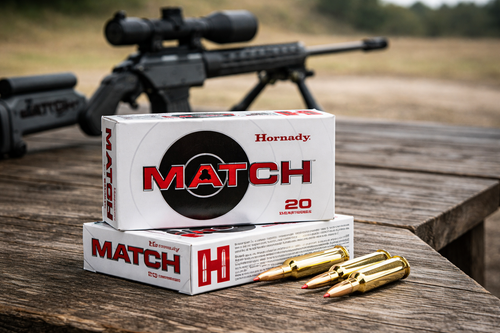
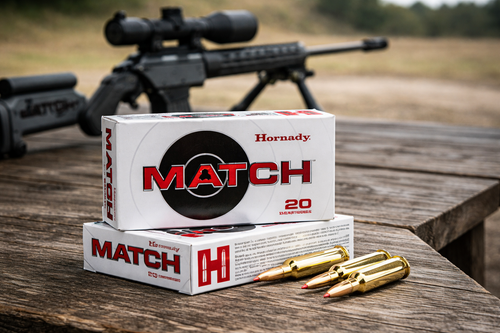
Factory ammunition from Hornady is commercially available for the 6mm GT. Alpha Munitions produces brass specifically for this chambering. Dies, chamber reamers, and custom rifle builds have all grown in availability since 2019. The cartridge has also seen adoption in high-level competitive and team shooting environments, further reinforcing its credibility beyond early experimentation.
Is 6mm GT Good for Reloading?
Powder Choices and Load Development
Varget remains the most commonly discussed powder for the 6mm GT, and it earns that position. It's stable across temperature ranges, consistent in performance, and familiar to most handloaders. H4350 is another solid option that experienced reloaders have used with strong results. The cartridge is known for responding well to different load combinations without demanding extreme precision to produce useful accuracy.
Brass Life and Cost Efficiency
The small primer pocket is one of the 6mm GT's underrated strengths. It creates a stronger, more rigid case head — and that added toughness allows more reloads per piece of brass. Some experienced reloaders report very long brass life, often exceeding many comparable cartridges when loads are kept within reasonable pressure ranges.Over a full season of heavy practice and match use, that kind of brass longevity is a genuine financial advantage.
Why Reloaders Appreciate the 6mm GT
Brass is available, dies are accessible, and the cartridge doesn't demand tight perfection to perform well. That combination makes it one of the more approachable match cartridges for handloaders at most experience levels. You get strong results without obsessing over tiny charge weight variations.
Is 6mm GT Hard on Barrels?
Barrel life is a real concern for anyone running a precision rifle seriously. The 6mm GT earns solid marks here compared to hotter alternatives. Its moderate powder charge and efficient case design place less stress on the barrel than larger 6mm cartridges like the 6mm Creedmoor. That generally translates to longer barrel life than higher-capacity 6mm cartridges like 6mm Creedmoor For competitors running high round counts through practice and matches, that difference compounds quickly over a full season.
Is 6mm GT Only for PRS?
PRS is where the 6mm GT built its name, and that identity remains strong. But its core traits — consistent accuracy, manageable recoil, efficient powder use — carry over into other precision-focused applications. Long-range target shooting is a natural fit. Varmint and predator hunting at longer distances are possible use cases, though the cartridge is primarily optimized for competition. It's primarily a competition round by design and reputation, but its usefulness extends to any situation where precision and predictability matter.
Should You Choose a 6mm GT?
The 6mm GT is a strong fit for:
- PRS competitors who need smooth feeding and consistent performance under pressure
- Precision reloaders who want forgiving load development and long brass life
- Long-range target shooters who prefer balanced ballistics over raw velocity
It may be a less obvious choice for:
- Those chasing maximum velocity above all other factors
- Competitors already deeply invested in another 6mm platform with matching gear
- Casual users who don't reload and have limited access to specialty chamberings
If your goal is a cartridge that balances precision, efficient ballistics, and match-ready behavior — the 6mm GT deserves serious attention.
Final Thoughts on 6mm GT
The 6mm GT earned its reputation by solving real problems that actually mattered to the people competing. It wasn't built around raw specifications alone — it was designed to perform under match pressure. Smooth feeding, strong accuracy, manageable recoil, efficient powder use, and a longer barrel service life are the things that kept competitors returning to it. The round proved itself at PRS events before the wider community even knew it existed, and that foundation has only grown stronger since its public introduction in 2019. For anyone serious about precision rifle shooting, the 6mm GT is a cartridge that rewards closer study.
The 6mm GT is one of the most efficient precision cartridges available today, but it fills a very different role than larger magnum rounds. If you’re exploring what comes next in terms of power and range, check out 6.5 PRC vs. 7mm PRC vs. 300 PRC to compare your options.
Frequently Asked Questions (FAQs)
What is the 6mm GT designed for?
The 6mm GT was designed for precision rifle competition. Its primary goals were smooth magazine feeding, strong accuracy, efficient powder use, and manageable recoil — all traits that matter most at PRS events.
Who created the 6mm GT?
George Gardner of GA Precision and Tom Jacobs of Vapor Trail Bullets developed the cartridge together. Their shared frustration with feeding issues in 6BR-based cartridges drove the design process.
Why is the 6mm GT popular in PRS?
It feeds smoothly from AICS-pattern magazines, delivers strong accuracy, stays soft on recoil, and uses powder efficiently. Those qualities directly support consistent performance under the time pressure of match conditions.
How fast is the 6mm GT?
Bullets in the 105- to 115-grain range typically reach around 3,000 fps or more. Competition loads commonly land between 2,850 and 2,975 fps with 33 to 34.5 grains of powder.
Is 6mm GT more accurate than 6mm Creedmoor?
Both cartridges are capable of strong accuracy. The 6mm GT is often described as more forgiving during load development and capable of very consistent velocity spreads
Does 6mm GT feed better than 6BR?
Yes. The 6mm GT's 35-degree shoulder and longer case dimensions were specifically designed to improve on the feeding issues that 6BR-based cartridges are known for in competition use.
Is 6mm GT good for reloading?
Yes. Load development is forgiving, brass lasts a long time — around 20 reloads in reported use — and common powders like Varget and H4350 work well in this chambering.
Is 6mm GT easier on barrels than 6mm Creedmoor?
Generally, yes. Its moderate powder charge and efficient case design place less erosion stress on barrels compared to the larger 6mm Creedmoor.
Can you buy factory 6mm GT ammo?
Yes. Hornady produces commercially available factory ammunition for the 6mm GT. Alpha Munitions also supplies brass for reloaders.
Is 6mm GT a good choice for long-range shooting?
Yes. Its accuracy, consistent velocity, and manageable recoil make it capable well beyond PRS stages — for long-range target work and other precision-focused applications as well.
About the Author
This article was written by the Pro Armory writing team based on current research, including studies from reputable sources like the Journal of Military Science, Firearms News, and the National Shooting Sports Foundation. We also referenced trusted information from official defense publications and respected firearm authorities such as the ATF, NRA, and manufacturer manuals.
Disclaimer: The information in this article is for educational purposes only. Laws and regulations around firearm-related products vary by location. Always follow safe handling practices and consult applicable local laws before purchasing or using any firearm or ammunition. ProArmory is not responsible for actions taken based on the content of this article.

Best Ammo Deals, Training, & Accessories
Subscribe to ProArmory sales and deals email.