 Pro Armory Editorial Team
It’s not uncommon for women to approach buying a handgun with hesitation, especially when that gun is intended for both ownership and concealed carry. After all, a firearm purchased for self-defense isn’t just something you own — it’s something you may rely on in a critical moment.
Outdated ideas about firearms being a male-dominated space have caused many women to second-guess their abilities. Questions about hand size, recoil tolerance, strength, and concealment often come up when women start researching the best guns for women to own and concealed carry.
While there’s no single “perfect” handgun for every woman, one thing is clear: women today have more high-quality, easy-to-carry handgun options than ever before.
This buyer’s guide focuses on the best guns for women to own and concealed carry, prioritizing firearms that are practical to live with, comfortable to carry, and realistic to train with. Whether you’re a first-time buyer or refining your everyday carry setup, this list is built around real-world use.
If you’re a woman who wants to protect herself or her family, you’re in good company. We’ve developed this buyer’s guide just for you. In this list, you’ll find the best handguns for women for self-defense, prioritizing key features to ensure a reliable response — every time.
(Source: https://www.nrawomen.com/content/sewing-the-seeds-of-personal-protection)
Why Women Need to Carry Handguns
While men are still statistically more likely than women to own firearms, women’s gun ownership and concealed carry participation continue to rise. The most common reason is straightforward: personal safety.
Despite this trend, many women still feel intimidated by handguns, particularly when concealment is part of the equation. Lightweight carry guns can recoil sharply, small grips can feel unstable, and wardrobe considerations often complicate daily carry. However, owning and carrying a handgun remains a legal and effective way for many women to take responsibility for their personal safety when paired with proper training and safe storage.
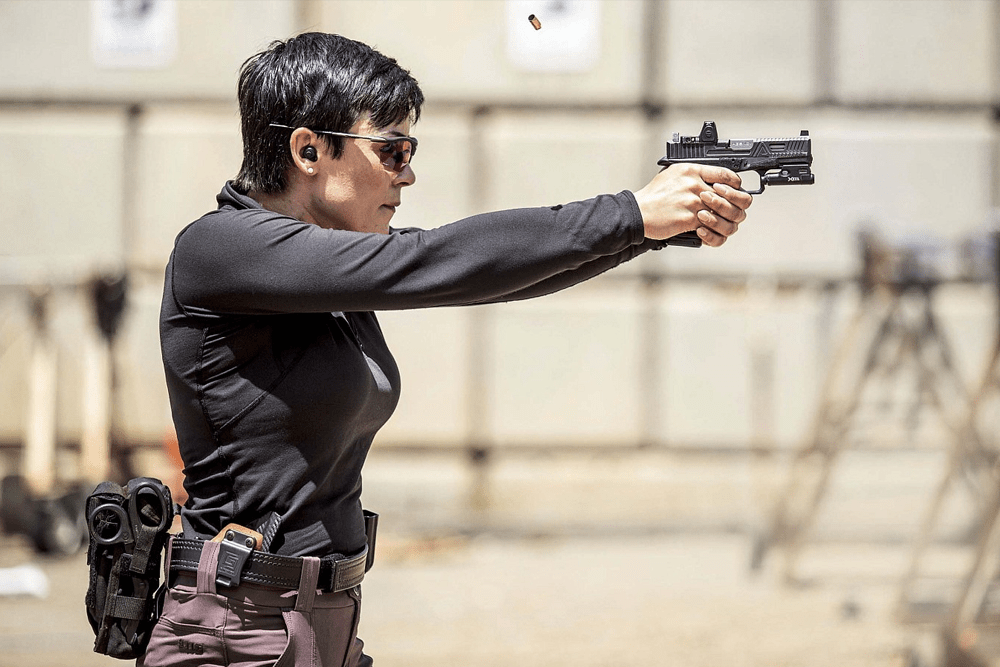
Women in law enforcement and professional security roles carry handguns every day. Their experience reinforces a critical lesson for civilian carriers: the best gun to own is the one you’re willing and able to carry consistently. A firearm that’s uncomfortable, overly large, or difficult to operate often gets left at home — which defeats the purpose of owning it for self-defense.
(Source: https://www.agirlandagun.org/top-10-female-shooters/)
What Women Should Consider When Choosing a Handgun
A handgun intended for home defense can be very different from one designed for concealed carry. If you plan to carry regularly, that should heavily influence your buying decision:
Range Testing
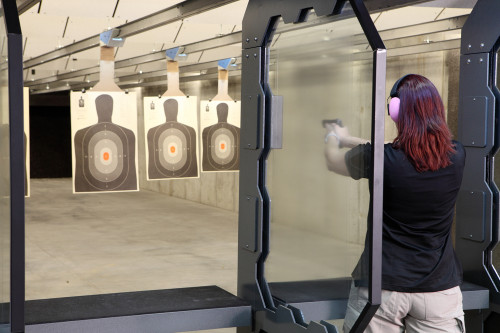
Handling a handgun at the gun counter is only a starting point. Range testing is essential, especially for concealed carry guns. Smaller pistols exaggerate recoil, trigger feel, and grip comfort. Shooting several options side by side quickly reveals which handgun you can control confidently and are willing to practice with.
A gun you enjoy shooting is far more likely to be a gun you train with consistently — and training matters more than brand loyalty or price point.
Want to find your ideal handgun? Take our quiz to find the best pistol for your shooting goals.
Responsible gun ownership means being able to handle and carry your firearm safely, especially if it’s for protecting yourself and your loved ones. This also means having a serious discussion with your family about what gun ownership means in your home and implementing safety measures to prevent accidents.
Ergonomics and Hand Size
Ergonomics play a major role in both comfort and performance. Trigger reach, grip angle, texture, and control placement should work with your hand size, not against it. While women often have smaller hands, that doesn’t automatically mean a smaller gun is better.
In fact, extremely small pistols can be harder to shoot accurately and control under recoil. Many women find compact or micro-compact pistols with slightly longer grips strike the best balance between concealability and shootability.
Low Recoil, Manipulation, and Trigger Control
Caliber plays a prominent role in the amount of recoil you experience firing a handgun.
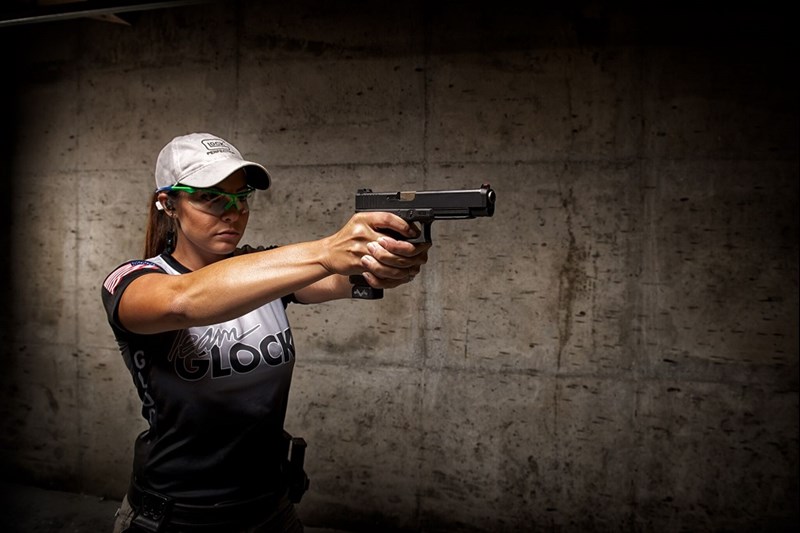
Recoil management affects speed, accuracy, and confidence. Gun weight, grip design, bore axis, recoil spring tuning, and ammunition selection all influence felt recoil. A handgun that’s comfortable to shoot will encourage more practice, which directly improves proficiency and confidence in defensive scenarios.
Being able to rack the slide confidently is also critical for semi-automatic pistols. Slide serrations play an important role here, as they provide traction when manipulating the slide under stress or with limited hand strength. Deeper or more aggressive serrations can make a noticeable difference, especially when hands are sweaty, cold, or under adrenaline. However, technique matters just as much as hardware, and many shooters find that learning proper push-pull slide manipulation dramatically improves their ability to run the gun.
Trigger pull weight and consistency matter as well. Heavy triggers can complicate accuracy under stress, while extremely light triggers may not be ideal for concealed carry. The goal is a trigger that can be pressed smoothly and consistently without disturbing the sights, allowing for controlled, repeatable shots when it matters most.
(Source: https://www.nrablog.com/articles/2016/6/7-tips-for-new-women-shooters-from-women-shooters)
Handgun Types: A Few Choices
When shopping for a handgun, whether online or in a store, you’ll encounter a wide range of terms describing different designs and configurations. These differences are not just marketing language. They can have a real impact on how the firearm shoots, how easy it is to operate, and how practical it is for everyday concealed carry.
Understanding these distinctions will help you make a more informed decision and choose a handgun that fits your experience level, body type, and carry goals.
Two Basic Actions
Most defensive handguns fall into two broad categories: revolvers and semi-automatic pistols. Each has advantages and tradeoffs, especially for women considering concealed carry.
Revolvers
Revolvers use a rotating cylinder to hold cartridges and are known for their mechanical simplicity. There is no slide to rack, and the manual of arms is straightforward, which some women find reassuring. However, lightweight revolvers often produce sharper recoil than similarly sized semi-automatic pistols. Most defensive revolvers are double-action, meaning the trigger pull both cocks and releases the hammer in one long, heavy press. This heavy trigger pull can make accurate shooting more difficult for new shooters without consistent practice.
Single-action revolvers allow the hammer to be manually cocked for a lighter trigger pull, but this is less common in modern concealed carry use. Reloading a revolver can be simple with speedloaders or moon clips, but capacity is typically limited compared to semi-automatic pistols.
Semi-automatic pistols
Semi-automatic handguns, often called “semi-autos,” feed ammunition from a magazine and fire one round per trigger pull. They dominate the concealed carry market because they generally offer higher capacity, faster reloads, and slimmer profiles for inside-the-waistband carry.
Semi-automatic pistols also tend to absorb recoil more effectively than lightweight revolvers, which can make them easier to shoot accurately. That said, they require slide manipulation, which is an important consideration for women evaluating ease of use and hand strength.
Striker-Fired vs. Hammer-Fired Pistols
Within semi-automatic pistols, you’ll often see references to striker-fired and hammer-fired designs.
Striker-fired pistols are the most common configuration today. They use an internal striker rather than an external hammer, resulting in a consistent trigger pull from shot to shot and fewer external controls. The sealed design helps protect internal components from dirt and debris, which contributes to reliability. Many women appreciate the simplicity and consistency of striker-fired pistols for concealed carry.
Hammer-fired pistols use an internal or external hammer. Some hammer-fired designs can feel easier to rack due to different recoil spring setups, and certain models allow for second-strike capability if a round fails to fire. However, they often involve more controls and complexity. Reliability between modern striker-fired and hammer-fired pistols is excellent across both types when properly maintained.
Size and Concealability
Handgun size plays a major role in how easy a firearm is to conceal and how comfortable it is to shoot.
When browsing handgun specifications, pay attention to overall length, which measures from the muzzle to the rear of the slide. This measurement affects how easily the gun conceals inside a holster, particularly when seated or bending.
In general, handguns fall into three size categories:
Full-size
Full-size pistols typically feature barrels around 4 inches or longer and full-length grips. They are easier to shoot accurately due to their weight and grip size but are harder to conceal. Many owners use full-size pistols for home defense or range training rather than daily carry.
Compact
Compact pistols usually have barrels around 3.5 to 4 inches with slightly shortened grips. These are often considered the sweet spot for concealed carry, offering good shootability while remaining easier to conceal than full-size models.
Subcompact and Micro-compact
Subcompact and micro-compact pistols feature barrels shorter than 3.5 inches and slimmer frames. These designs prioritize concealability and are popular for everyday carry, especially for women who wear lighter or more form-fitting clothing. The tradeoff is increased recoil and reduced grip area, which can require more training to master.
Most handguns in this guide are semi-automatic pistols in the compact or micro-compact category, as these tend to work best for concealed carry. One revolver is included for women who prefer that platform.
Magazine Capacity
Magazine capacity varies widely by handgun size and design. Many modern concealed carry pistols hold between 10 and 15 rounds, depending on the magazine configuration.
When you see “+1,” it means the handgun can carry one additional round in the chamber beyond the magazine’s stated capacity.
It’s also important to understand how magazines are constructed:
Single-stack magazines
Rounds are stacked in a single vertical column, resulting in a slimmer grip. This can be more comfortable for women with smaller hands and easier to conceal, though capacity is typically lower.
Double-stack magazines
Rounds are staggered in a zig-zag pattern, allowing for increased capacity. Older double-stack designs were often bulky, but modern pistols now offer impressive capacity in relatively thin grips, making them viable for concealed carry without sacrificing comfort.
Understanding Ammunition
Common defensive handgun calibers include:
-
9mm Luger
-
10mm
-
.40 S&W
-
.380 ACP
-
.45 ACP
All of these calibers are significantly more powerful than rimfire cartridges and are suitable for defensive use when paired with proper ammunition.
The .380 ACP is often easier to control in small carry guns and can be effective with quality defensive loads, though it offers less recoil energy than larger calibers. The .45 ACP provides substantial stopping power but produces more recoil, which can be intimidating for new shooters. 9mm remains one of the most popular choices because it balances recoil, capacity, and performance effectively.
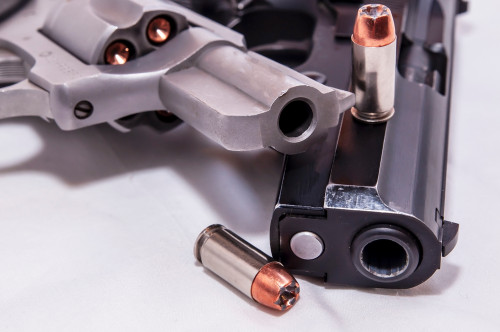
Regardless of caliber, jacketed hollow point ammunition is generally recommended for self-defense. Hollow point bullets are designed to expand on impact, increasing effectiveness while reducing the risk of over-penetration compared to full-metal-jacket ammunition. This helps limit the chance of a bullet passing through the target and endangering others.
(Source: https://www.ebay.com/itm/203554261944)
Concealed Carry Guide for Women
Due to differences in body shape and clothing styles, women have both unique challenges and advantages over men when it comes to concealed carry. Here are a few key considerations to help you carry more effectively:
On-Body Carry Options
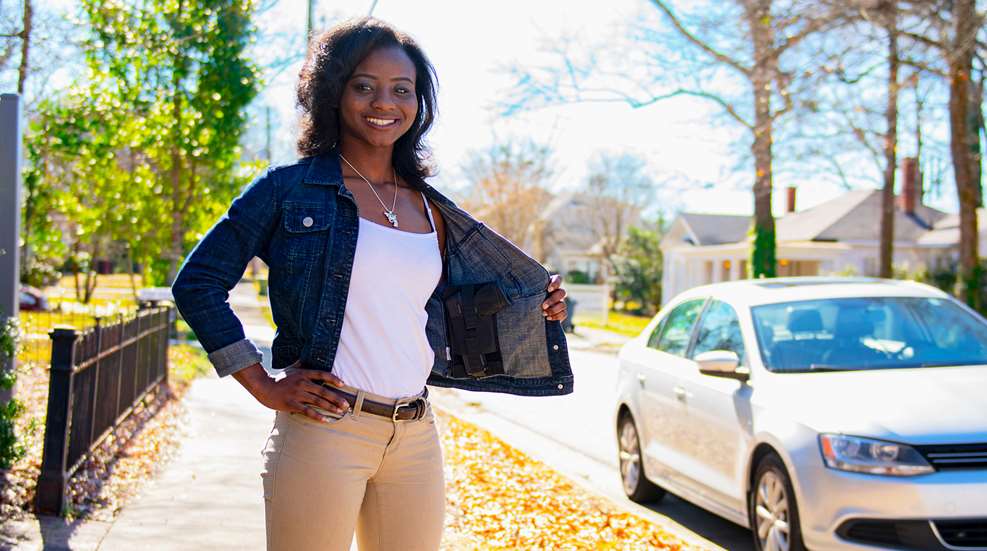
The safest option for concealed carry is to carry the firearm on your person. When doing this, it’s important to choose clothing that aids in concealment. Yoga pants or tight-fitting shirts might not be the best option here (unless you’re jogging). However, flowy, patterned tops can help break up the outline of a firearm. Here are a few common concealed carry methods to consider:
- Inside the Waistband (IWB) Carry: Ideal for women who frequently wear pants (or skirts with sturdy waistbands), IWB holsters can be positioned around the waist, with popular locations being appendix (front), behind the hip, or the small of the back.
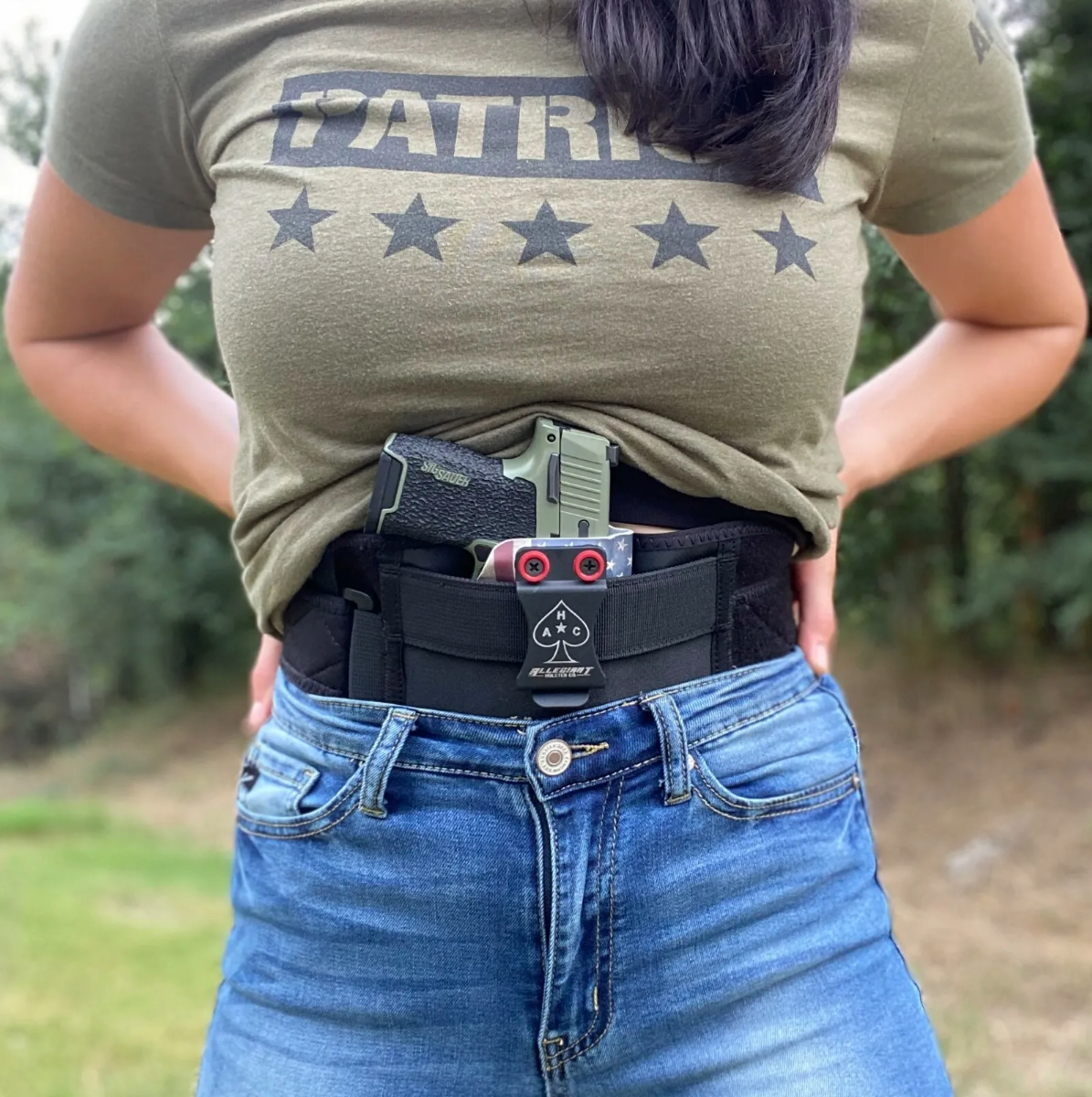
- Belly Band: These are popular for their versatility and comfort. Belly bands can be worn with or without a belt and suit a variety of clothing styles, including dresses and yoga pants.
- Thigh Carry: Perfect for dresses or skirts, thigh holsters offer deep concealment and are worn on the inside of the thigh, secured with a garter belt for stability.
- Bra Carry: These provide deep concealment for small firearms, but their effectiveness depends on body shape and bra type, making them more suitable for some women than others.
- Ankle Carry: Ankle holsters can be effective for carrying a backup weapon or when other methods aren’t feasible. However, these are harder to conceal and incredibly uncomfortable, so we’d only recommend them as a last resort.
NOTE: Not all of these methods will work for everyone. The best way to determine your ideal carry method is to try out different options (and different holsters) to see which one offers the best combination of comfort and accessibility. If it’s too cumbersome, you’re less likely to carry your firearm when you need it most.
Choosing a Holster
For any of the above on-body carry options, you’ll need to invest in high-quality holsters. Read that again.
You can’t just stuff your firearm into your pocket or your waistband and expect that to be secure enough. As soon as you start running for your life (which you should do in most cases instead of drawing your gun), it’s likely to fall out.
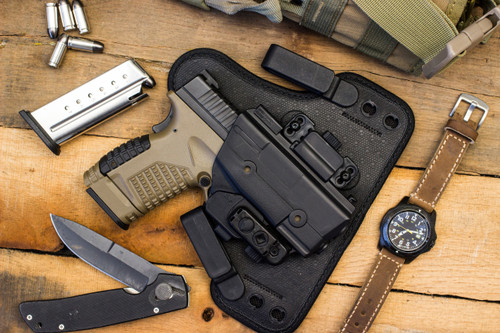
Also, it’s wise to have at least one dedicated holster for each firearm you plan to carry concealed. Whatever holster(s) you choose, securely retaining the firearm and fully covering the trigger guard are top priorities. Those are the bare minimum requirements — but it should also fit as comfortably as possible on your body and work well with your chosen carry position.

Safariland Vault Duty 1 For Glk 17/19 Tlr1 Rh
$190
Safariland
Prices accurate at time of writing
TIP: Stay away from the cheap, flimsy nylon holsters. Kydex (and Kydex-like) holsters are the superior choice. They’re far more durable and generally molded to fit your specific firearm.
Off-Body Carry Options
If you need to, you can carry the firearm off of your person in some way. However, the downside to this is reduced access. It also isn’t as safe as on-body carry. At the same time, as a woman, you have a few options that may work out in your favor:
- Concealed Carry Purses: Designed with dedicated firearm compartments, these purses offer convenience (easy, inconspicuous concealed carry) but mandate slower draw times and increase the risk of theft. You may accidentally leave the purse somewhere in public, or someone may steal it from you on the street. If you have a gun in that purse, the situation just got much worse than it already would be.
- Fanny Packs: Not that men can’t wear fanny packs (no judgment), but a woman with a fanny pack may be a bit less noticeable. At the same time, off-body carry methods all sort of have the same problems: people can steal your gun and it takes longer to draw your gun. Those don’t present great odds for anyone in a deadly force situation.
Remember, concealed carry is highly personal, and what works for one woman may not work for another. Finding the most effective and comfortable method often requires trial and error. Joining women’s shooting groups or seeking advice from experienced female carriers can provide valuable insights and support on your concealed carry journey.
11 Great Handguns for Women to Carry
Below are some of the most practical and well-regarded options for women who plan to both own and actually carry a handgun.:
1. Sig Sauer P365
| Caliber | Round Capacity | Trigger Pull Weight | Grip Safety |
|---|---|---|---|
| 9mm | 10+1 | 6 (Striker Fired) | No |
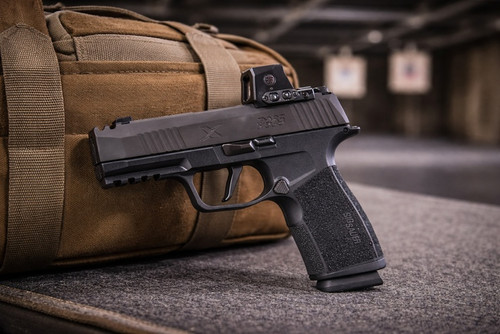
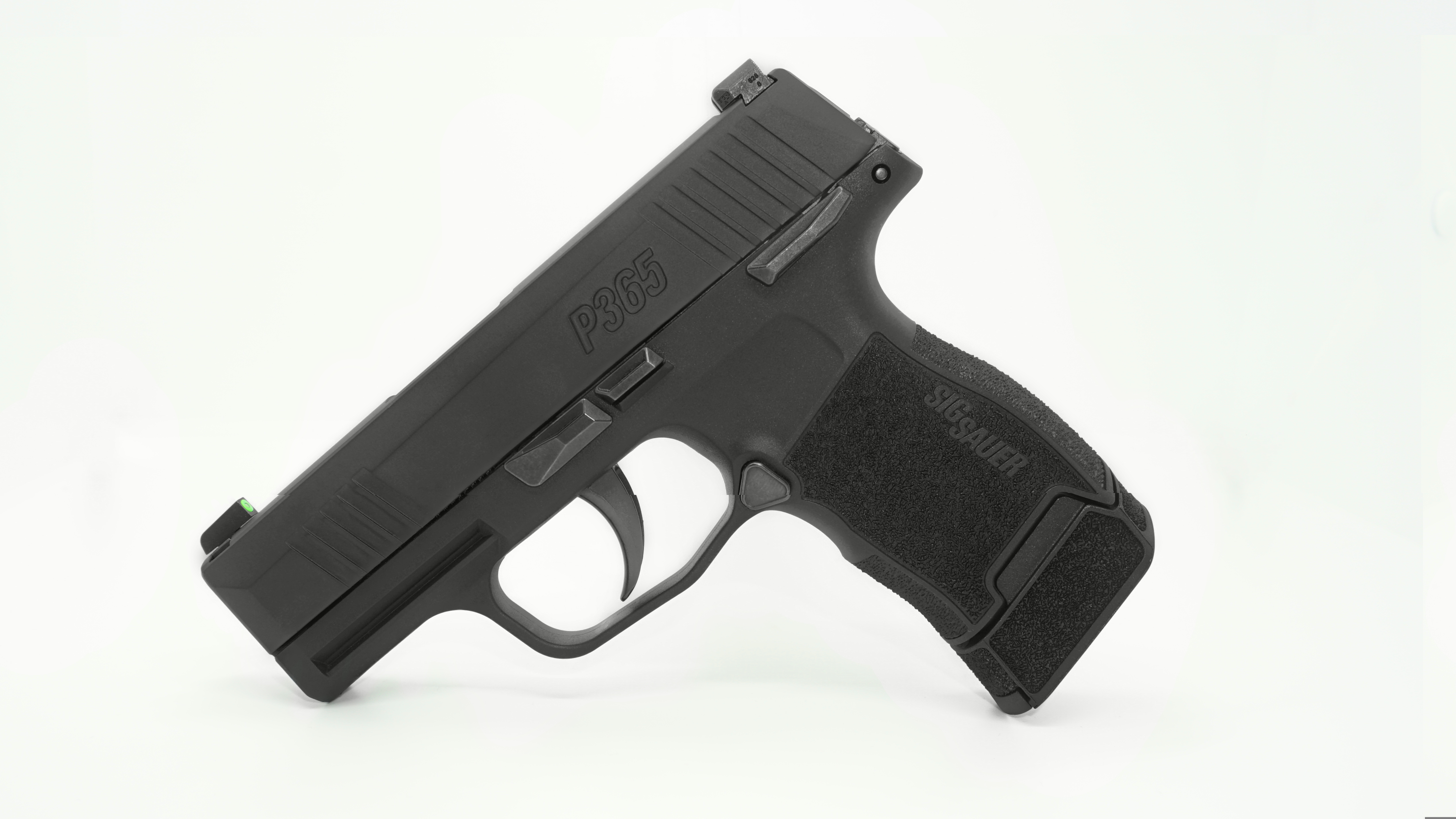
The Sig Sauer P365 is one of the most influential concealed carry pistols ever released and remains a top choice for women. Its slim profile and compact dimensions make it easier to conceal under fitted clothing, light layers, and everyday outfits that often complicate concealed carry.
Despite its small size, the P365 offers practical capacity without forcing users into a thicker grip. The grip texture provides solid traction without being uncomfortable against the body, and the trigger reach works well for smaller hands. Many women find the ergonomics intuitive and confidence-inspiring.
At the range, recoil is noticeable but manageable. While it is snappier than a compact pistol, proper grip and stance help control the gun effectively. With regular practice, many women shoot the P365 accurately and consistently.
From an ownership perspective, the P365 benefits from extensive aftermarket and holster support. Magazines, accessories, and replacement parts are easy to find, making long-term ownership simple and flexible.
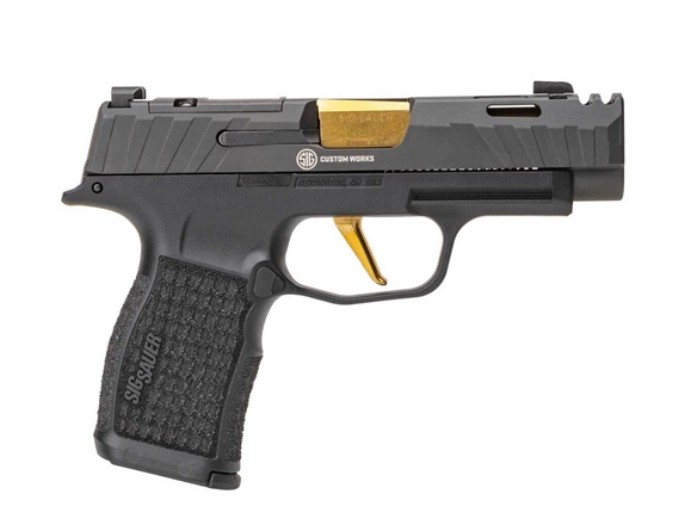
2. Sig Sauer P365 XL
| Caliber | Round Capacity | Trigger Pull Weight | Grip Safety |
|---|---|---|---|
| 9mm | 12 + 1 | ~6 pounds (Striker Fired) | No |
The P365 XL builds on the strengths of the standard P365 by offering a longer grip and slide. This added length allows many women to establish a full-handed grip, which significantly improves recoil control and shooting comfort.
The longer slide contributes to smoother recoil and improved sight tracking. Women who find ultra-compact pistols too snappy often prefer the XL because it feels more forgiving during training while remaining easy to conceal.
From a carry standpoint, the P365 XL strikes a strong balance between size and performance. It remains slim enough for daily concealed carry while offering shootability closer to that of a compact pistol.
As a long-term ownership option, the XL works well as both a concealed carry and home-defense handgun, making it appealing for women who want one versatile firearm.
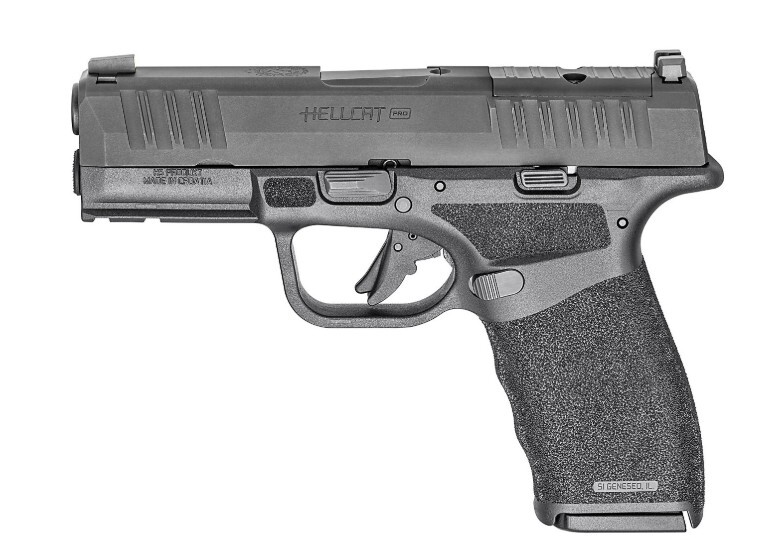
3. Springfield Hellcat Pro
| Caliber | Round Capacity | Trigger Pull Weight | Grip Safety |
|---|---|---|---|
| 9mm | 17+1 | 4.5 to 6lbs (Striker Fired) | No |
The Springfield Hellcat Pro is designed for women who want higher capacity without excessive bulk. Its slim frame conceals more easily than many traditional compact pistols while still offering a grip size that supports confident shooting.
At the range, the Hellcat Pro feels stable and controllable. The longer grip reduces muzzle flip and makes follow-up shots easier, which many women appreciate during extended practice sessions.
For concealed carry, the Hellcat Pro works well for women who want something larger than a micro-compact but slimmer than a traditional compact. With the right holster, it conceals comfortably for daily wear.
As an ownership option, the Hellcat Pro suits women who train regularly and want a carry gun that performs well without sacrificing concealment.
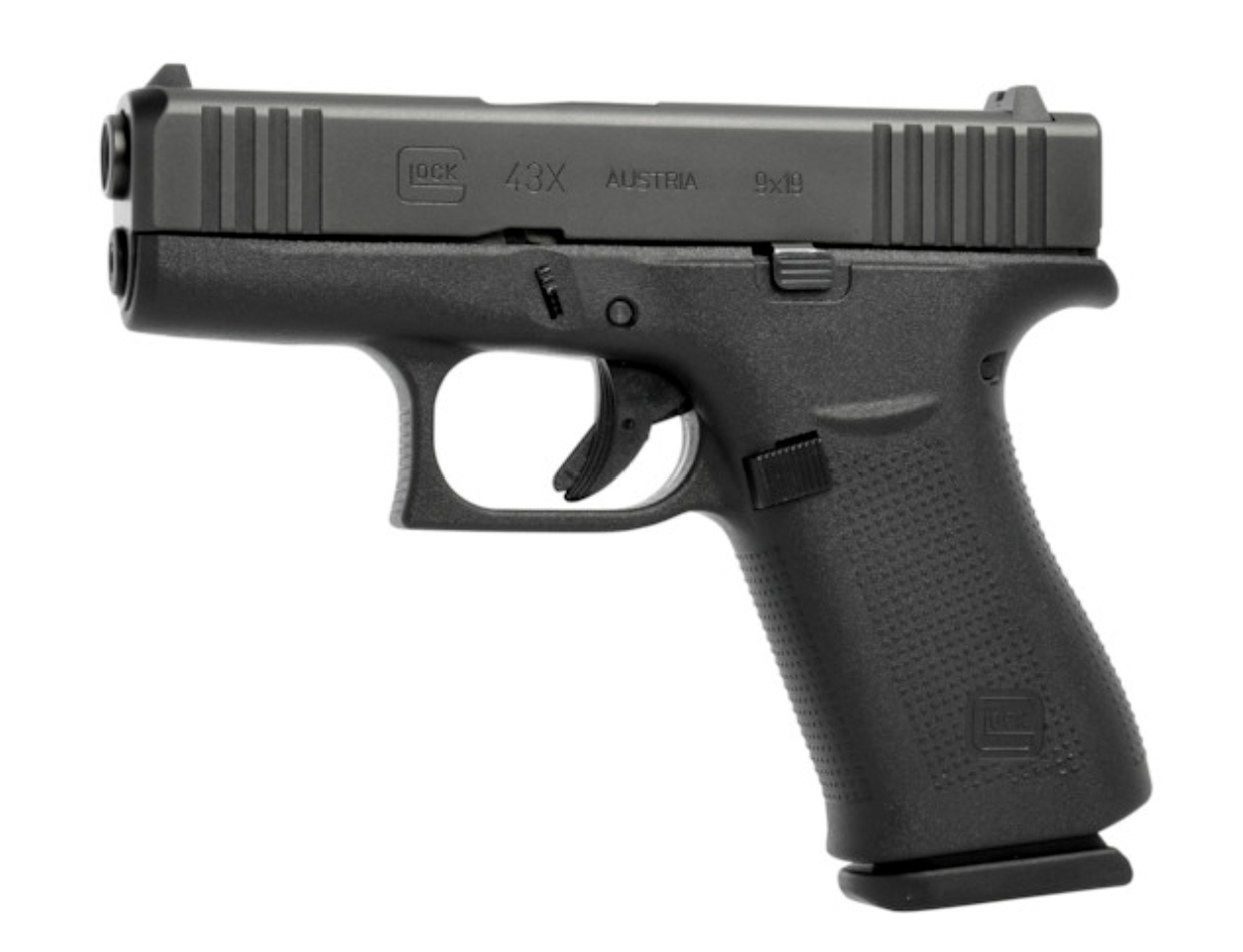
4. Smith & Wesson M&P Shield Plus
| Caliber | Round Capacity | Trigger Pull Weight | Grip Safety |
|---|---|---|---|
| 9mm | 10+1 | 4.5 to 5.5 pounds (Striker Fired) | No |
The Shield Plus refines one of the most popular concealed carry pistols on the market. It maintains a slim profile while offering increased capacity, making it particularly appealing for women.
The grip texture provides solid control without irritation, and the trigger is consistent and predictable. Many women find the Shield Plus easy to shoot well, especially compared to smaller pocket-style pistols.
For ownership, the Shield Plus is reliable, easy to maintain, and supported by a massive ecosystem of holsters and accessories.
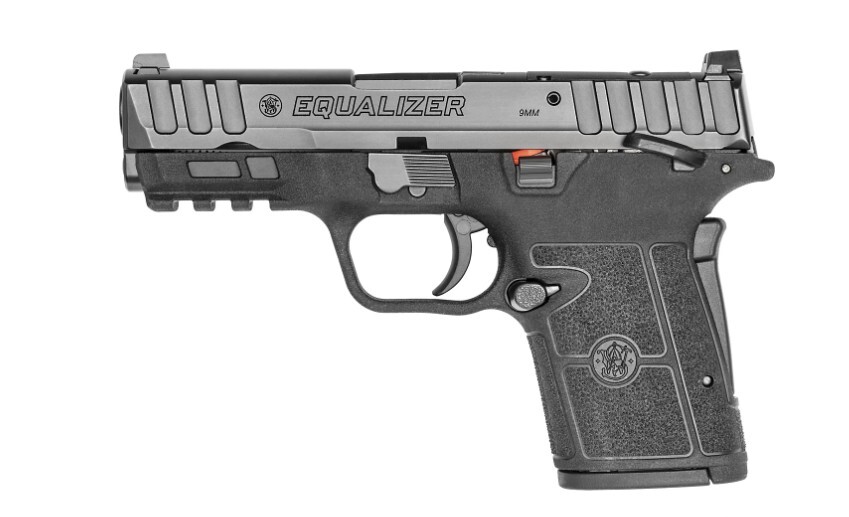
5. Smith & Wesson Equalizer
| Caliber | Round Capacity | Trigger Pull Weight | Grip Safety |
|---|---|---|---|
| 9mm | 10 + 1, 13 + 1, 15 + 1 | 4.5 pounds (Internal Hammer Fired) | Yes |
The Smith & Wesson Equalizer was designed to address one of the most common concerns among women: slide manipulation. Its lighter recoil spring makes racking the slide noticeably easier than most striker-fired pistols.
Grip and magazine options allow users to tailor the gun to their comfort and concealment needs. While slightly larger than micro-compacts, many women find the added shootability worth the tradeoff.
The Equalizer is an excellent ownership choice for women who prioritize ease of operation and confidence over minimal size.
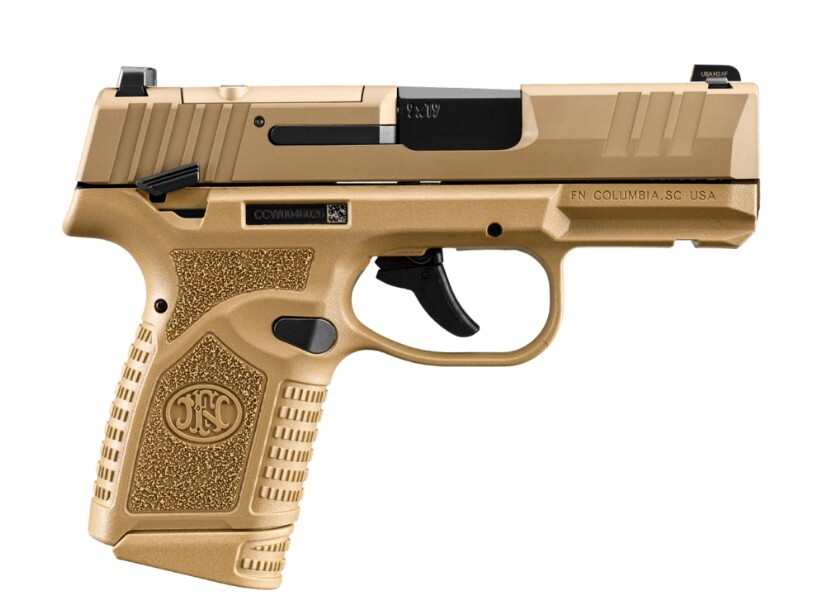
6. FN Reflex
| Caliber | Round Capacity | Trigger Pull Weight | Grip Safety |
|---|---|---|---|
| 9mm | 11 + 1, 15 + 1 | 3.5lbs to 4.5lbs (Internal Hammer Fired) | No |
The FN Reflex stands out due to its internal-hammer-fired design, which produces a different trigger feel than striker-fired pistols. Some women find this smoother and easier to manage.
Its slim profile makes it comfortable for all-day concealed carry, and the ergonomics work well for smaller hands. Recoil is manageable with proper technique.
The Reflex appeals to women looking for a modern carry gun with a slightly different operating feel.
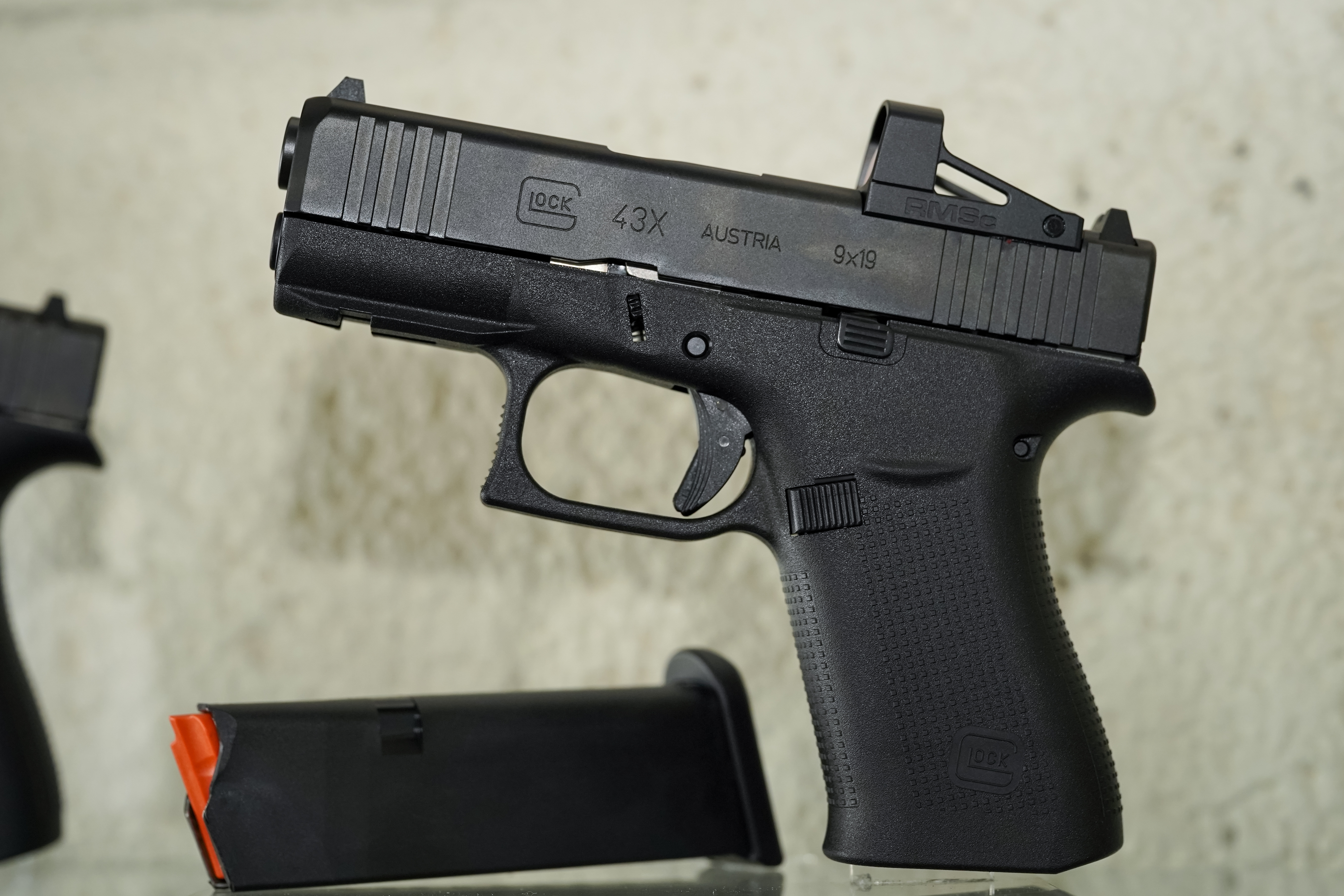
7. Glock 43X MOS
| Caliber | Round Capacity | Trigger Pull Weight | Grip Safety |
|---|---|---|---|
| 9mm | 10 + 1 | 5.5 to 6.6lbs (Striker Fired) | No |
The Glock 43X offers Glock reliability in a slimmer, easier-to-carry package. The longer grip improves control while remaining easy to conceal. MOS models allow the option of a red dot optic.
Its simple controls and consistent trigger help build familiarity quickly. For ownership, it’s durable, easy to maintain, and widely supported.
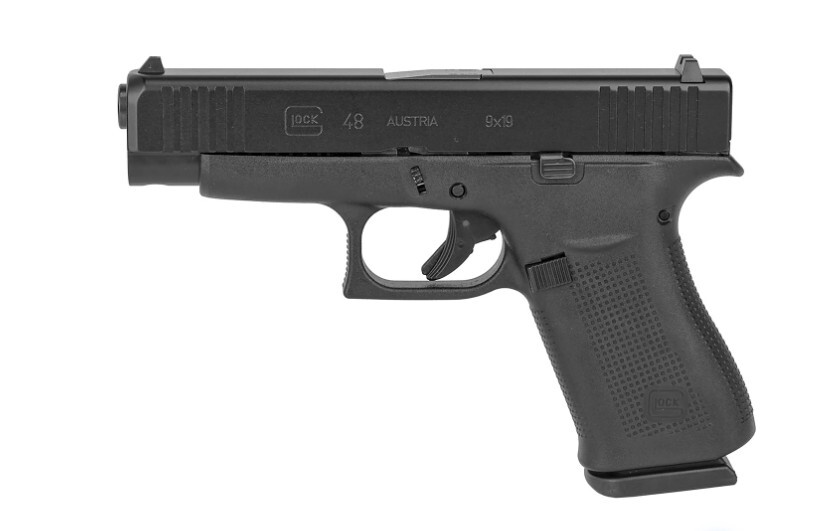
8. Glock 48
| Caliber | Round Capacity | Trigger Pull Weight | Grip Safety |
|---|---|---|---|
| 9mm | 10 + 1 | ~6 pounds (Striker Fired) | No |
The Glock 48 adds a longer slide to the slim Glock platform, reducing muzzle flip and improving accuracy. Many women find it easier to shoot than shorter pistols.
While concealment requires slightly more planning, the improved shootability often makes the tradeoff worthwhile.
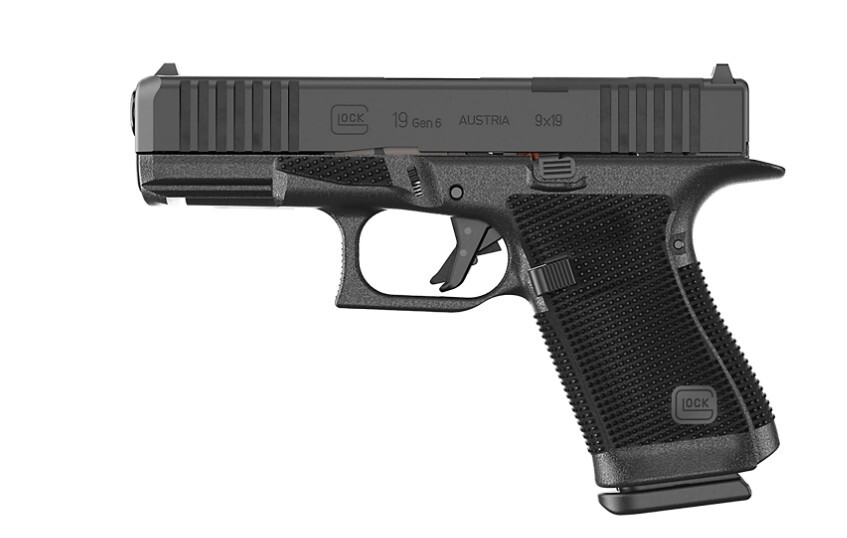
9. Glock 19 GEN 6
| Caliber | Round Capacity | Trigger Pull Weight | Grip Safety |
|---|---|---|---|
| 9mm | 15 + 1 | 5.8lbs | No |
The Glock 19 Gen 6 represents the newest evolution of one of the most widely trusted defensive handguns ever produced. This generation has only been available for a short time, making it one of the newest entries on this list, but it builds directly on the proven foundation that made earlier Glock 19 models so popular for concealed carry and defensive ownership.
While the overall size and profile remain familiar, the Gen 6 introduces refinements aimed at improving ergonomics, control, and shooter comfort. These updates are especially relevant for women who want a handgun that’s easy to shoot well, even if it’s slightly larger than a micro-compact. The Glock 19’s grip size allows for a full, stable hold, which helps manage recoil and improves consistency during training and defensive shooting.
From a concealed carry perspective, the Glock 19 Gen 6 sits at the upper end of what many women choose to carry, but it earns its place on this list because of how shootable it is. Many women find that a slightly larger handgun is actually easier to control and more confidence-inspiring than smaller, snappier pistols. With the right holster and carry position, the Glock 19 can be concealed comfortably while offering excellent performance.
As an ownership choice, the Glock 19 Gen 6 is appealing because it can fill multiple roles. It works as a concealed carry handgun, a home defense pistol, and a training platform without compromise. For women who want a single, durable handgun they can own long-term and grow with through training, the newest generation of the Glock 19 remains a strong and practical option.
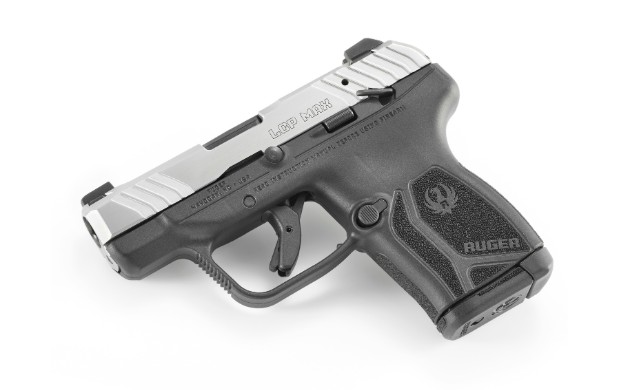
10. Ruger LCP MAX
| Caliber | Round Capacity | Trigger Pull Weight | Grip Safety |
|---|---|---|---|
| .380 ACP | 10 + 1 | 5.5 to 7lbs (Internal Hammer Fired) | No |
The Ruger LCP MAX is designed for situations where deep concealment is the top priority. Its extremely compact size and lightweight construction make it easy to carry in clothing where even small 9mm pistols can be difficult to hide. For many women, this means the difference between carrying consistently and leaving a firearm at home.
Despite its small footprint, the LCP MAX offers a significant improvement over earlier pocket pistols by providing increased capacity in a similarly sized package. This makes it a more practical defensive option than many legacy .380 ACP handguns. The internal-hammer-fired design keeps external controls minimal and helps prevent snagging during the draw.
At the range, the LCP MAX requires realistic expectations. Recoil is sharp due to its light weight, and the short grip can make extended shooting sessions fatiguing. However, with focused training and proper grip technique, many women find it controllable enough for its intended role as a close-range defensive firearm rather than a high-volume training pistol.
From an ownership perspective, the LCP MAX works best as a specialized concealed carry tool. It’s an excellent choice for women who already own a larger handgun but want a gun that can be carried in all situations, including warmer weather or form-fitting clothing. When concealment is non-negotiable, the Ruger LCP MAX fills an important niche in a well-rounded carry setup.
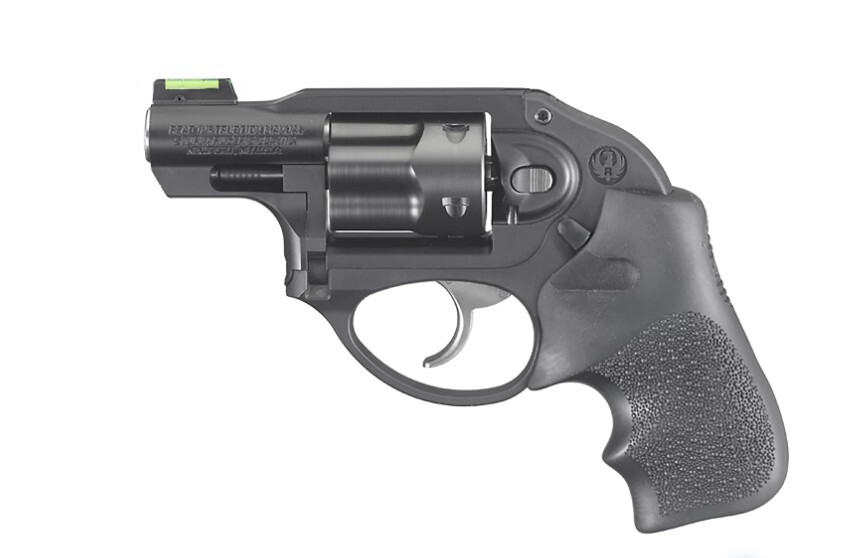
11. Ruger LCR
| Caliber | Round Capacity | Trigger Pull Weight | Grip Safety |
|---|---|---|---|
| .38 Special | 5 | 5.5 pounds (Double Action Revolver | No |
The Ruger LCR is a lightweight revolver designed for concealed carry and appeals to women who value simplicity and reliability above all else. With no slide to rack, magazines to seat, or external safeties to manipulate, the LCR offers a straightforward manual of arms that many women find reassuring, especially under stress.
One of the defining characteristics of the LCR is its double-action-only trigger. While the trigger pull is heavier and longer than most semi-automatic pistols, it is smooth and consistent. This design reduces the likelihood of negligent discharges but does require deliberate practice to master. Recoil can also be sharp due to the revolver’s lightweight frame, making ammunition choice and range time especially important.
From a concealed carry perspective, the LCR’s rounded profile helps minimize printing and allows it to be carried comfortably in a variety of positions, including inside-the-waistband, pocket holsters, or off-body options. Its snag-free design makes it easy to draw, and the lack of a reciprocating slide eliminates concerns about malfunctions caused by improper grip.
As an ownership option, the Ruger LCR is low-maintenance and highly reliable. It’s well-suited for women who prefer a simple, durable firearm and are willing to invest time into learning proper trigger control. While capacity is limited compared to semi-automatic pistols, the LCR remains a viable concealed carry option for women who prioritize ease of operation and dependability over magazine capacity.
FAQ
What is the best gun for a woman living alone?
The best gun for a woman living alone is one she can operate confidently and is willing to carry or keep accessible consistently. For many women, this means a compact or micro-compact 9mm handgun that balances manageable recoil with practical capacity, such as the Sig Sauer P365, Smith & Wesson Shield Plus, or Glock 43X. Confidence, regular training, and ease of use matter more than caliber or brand.
What is a good revolver for a woman to carry?
The Ruger LCR is a strong revolver option for women who prefer simplicity. It eliminates slide manipulation and has a straightforward manual of arms, which some women find reassuring. However, the heavier double-action trigger and sharper recoil mean it’s best suited for women willing to practice regularly and become comfortable with trigger control.
What is the easiest 9mm handgun for a woman to rack?
Handguns designed with lighter recoil springs or internal-hammer systems tend to be easier to rack. In this list, the Smith & Wesson Equalizer stands out for ease of slide manipulation. Slide serrations also play an important role, as deeper or more aggressive serrations provide better grip when racking the slide. Proper technique can significantly improve ease of use across most pistols.
What is the smallest concealed carry handgun on this list?
The Ruger LCP MAX is the smallest and lightest handgun featured in this guide. Its ultra-compact size makes it ideal for deep concealment when larger pistols are impractical. However, its smaller grip and sharper recoil mean it requires focused training and is often best used as a situational or backup carry gun rather than a primary training pistol.
(Source: Rolling Stone)
Final Thoughts
Choosing the best gun for a woman to own and concealed carry is not about finding the smallest firearm or following trends. It’s about selecting a handgun that fits your body, your lifestyle, and your ability to train consistently. A firearm that’s comfortable to shoot, easy to operate, and realistic to carry daily is far more effective than one chosen solely for size or popularity.
Many women discover that a slightly larger, more controllable handgun allows them to shoot more accurately and with greater confidence than an ultra-small pistol. Others prioritize deep concealment and choose a more compact option for specific situations. Neither approach is wrong. The key is understanding the tradeoffs and choosing a firearm you trust and are willing to practice with regularly.
Ownership also comes with responsibility. Safe storage, quality ammunition, a proper holster, and ongoing training are just as important as the firearm itself. Carrying a handgun for self-defense is a serious commitment, and proficiency comes from repetition, not intention.
Ultimately, the best gun to own is often the same gun you’re willing to carry every day. A firearm that stays at home offers no protection. With the right training, mindset, and equipment, choosing a handgun that fits your needs can provide both confidence and peace of mind.
Best Ammo Deals, Training, & Accessories
Subscribe to ProArmory sales and deals email.